cookies to track usage and preferences."
data-cookieaccepttext="I UNDERSTAND"
data-cookiedeclinetext="Disable Cookies"
data-cookiepolicytext="Privacy Policy">
In a year of funding chaos, ongoing climate change and pollution perils, we also saw the most powerful telescope yet, personalized gene therapy, and the next-best-thing to an HIV vaccine — not to mention a brand-new color
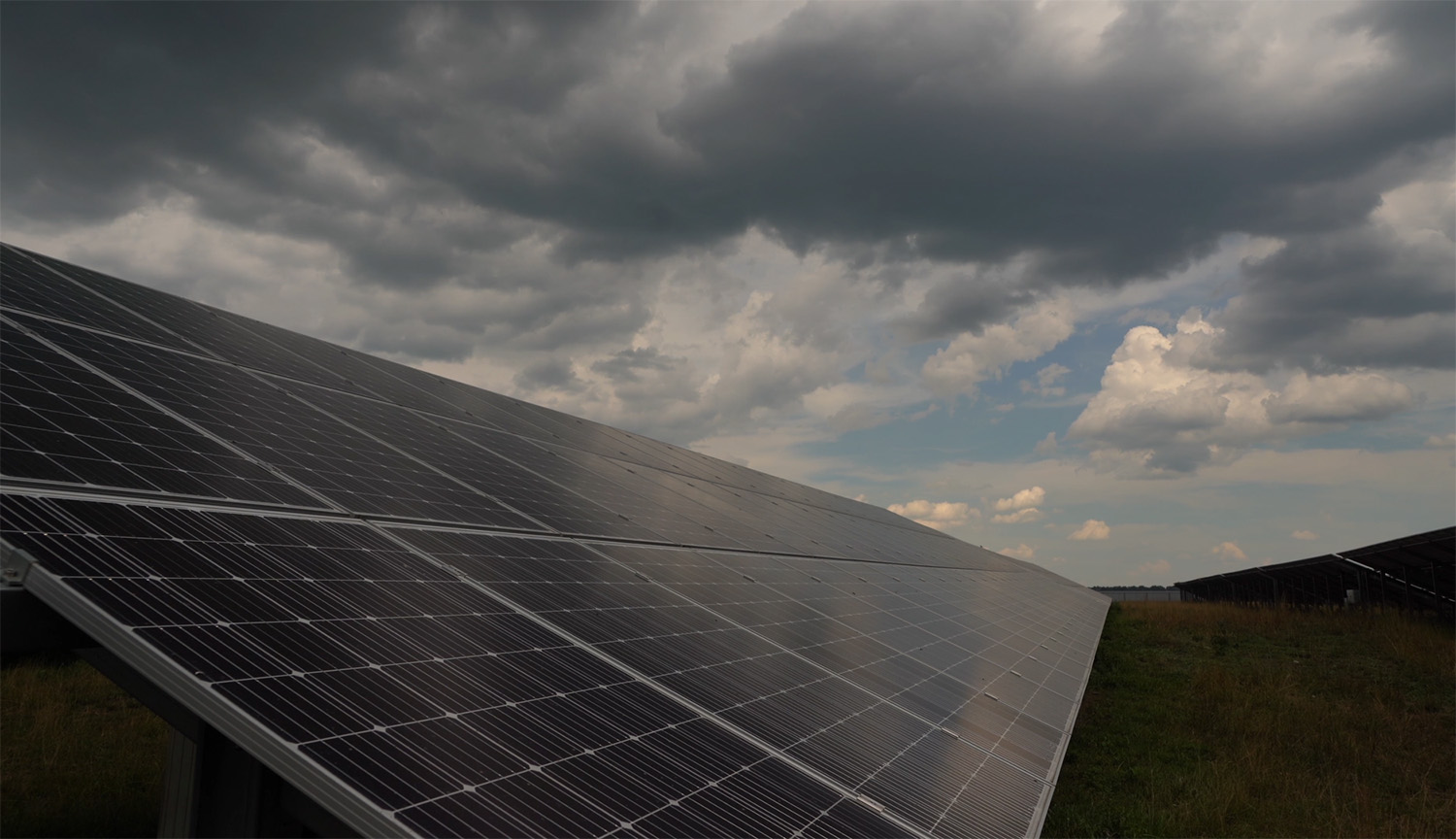
When the Sun doesn’t shine and the wind doesn’t blow, humanity still needs power. Researchers are designing new technologies, from reinvented batteries to compressed air and spinning wheels, to keep energy in reserve for the lean times.
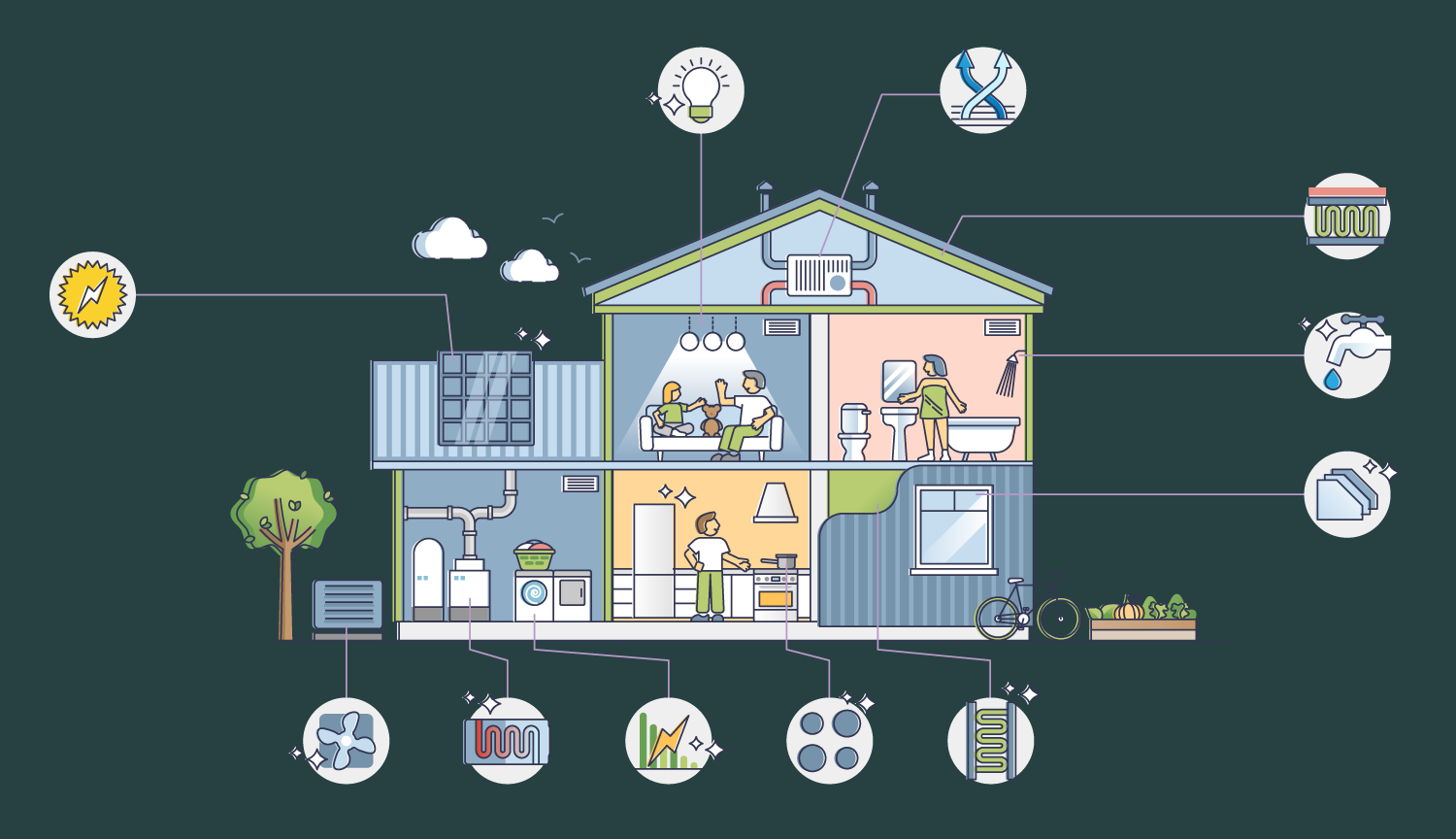
Getting our homes and workplaces to be energy efficient has major benefits — but not when it is done one window at a time. Here’s why deep retrofits and biomaterials are key to more sustainable living.
In the international competition, people with physical disabilities put state-of-the-art devices to the test as they race to complete the tasks of everyday life
Automakers are tweaking production processes to create a slew of new steels with just the right properties, allowing them to build cars that are both safer and more fuel-efficient
We need new fuels to transport people and goods around the globe as society moves away from coal, natural gas and oil. Here’s how things are shaping up.
Materials scientists are cooking up environmentally friendly polymers from natural sources like silk, plant fibers and whole algae. Economics and acceptance remain hurdles.
In Nevada and other US states, entrepreneurs are anticipating the coming boom in retired lithium-ion batteries from electric cars and hoping to create a market for recycled minerals
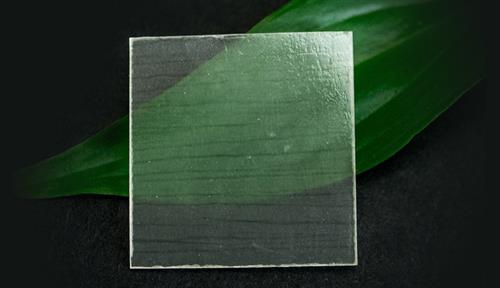
Specialized glass that keeps heat in during winter and lets it out during summer could make buildings much more efficient — if costs and complexities don’t get in the way
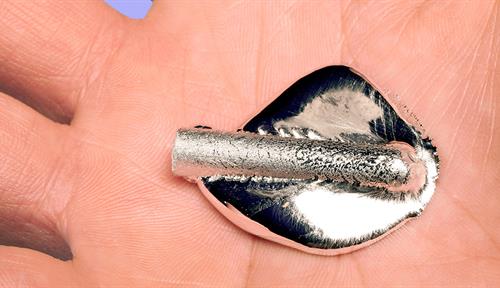
Featuring ingots, shipwrecks, pharaohs and an international trade in colors, the material’s rich history is being traced using modern archaeology and materials science
Substances that persistently luminesce are already used in some bike lanes, and in the future could be applied to sidewalks, streets and buildings — saving energy and reducing urban heat
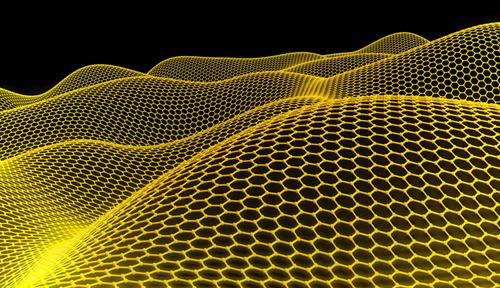
Move over, flat carbon. Meet borophene, phosphorene and the rest of the next generation of “atomically thin” super-materials
Close X
This is not a paywall.
Knowable Magazine is free to read. But just because our articles are free to read doesn’t mean they are free to produce. If you value our trustworthy science journalism, please support it with a donation.