cookies to track usage and preferences."
data-cookieaccepttext="I UNDERSTAND"
data-cookiedeclinetext="Disable Cookies"
data-cookiepolicytext="Privacy Policy">
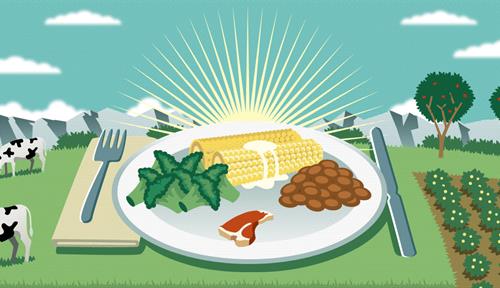
Scientists find that a small amount of animal products could have a place in our diets without wreaking environmental havoc. But it’s far less than what we consume today, and only if farmed in just the right way.
VIDEO: Cities have recently experienced extreme heat waves, causing preventable illness and death. How can we protect people from dangerous heat while also reducing carbon emissions?
VIDEO: Economic issues were front and center at the most recent global climate summit. Join Tobias Adrian of the International Monetary Fund and Shuang Liu of the World Resources Institute to take stock of the investments needed to prevent future climate disasters.
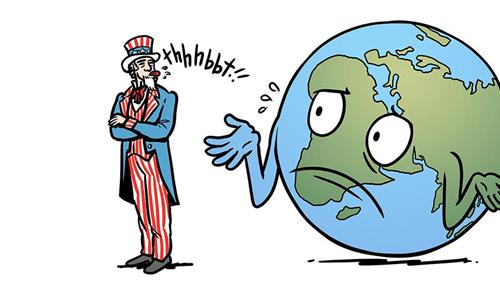
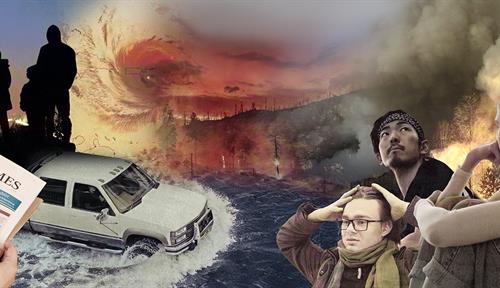
COMIC: In the US, where political parties have increasingly staked claims on one side of the issue or the other, beliefs may be more about belonging than facts
Worry over the planet’s future is taking a toll on emotional well-being, researchers say. Here’s how to cope so we don’t lose hope for our planet and for ourselves.
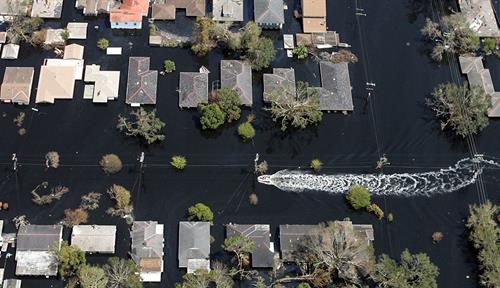
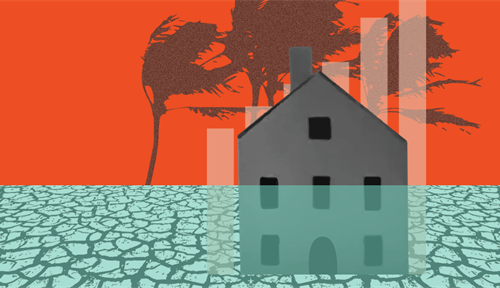
VIDEO: Is the disaster insurance industry hurtling toward a climate crisis? Learn how we can shore up programs that buffer the financial devastation that follows floods, fires and hurricanes — and help individuals and communities strengthen their climate resilience.
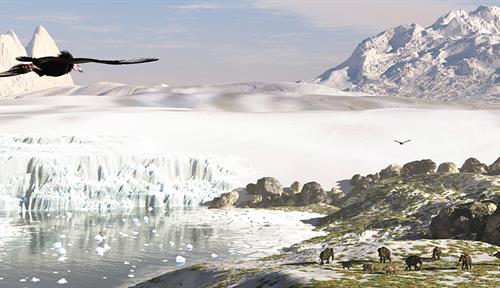
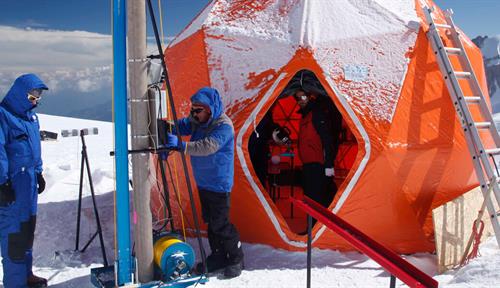
PODCAST: Digging — quite literally — into our planet’s past to study its paleoclimate has shed light on bygone ice ages and hints at trouble ahead for our now-warming world (Season 2/Episode 4)
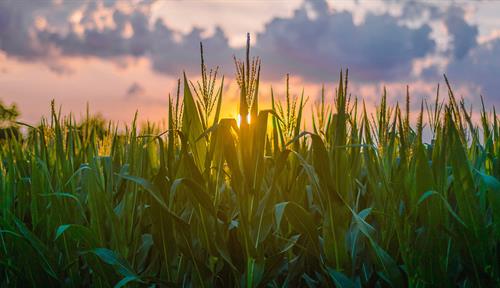
Replacing gasoline with ethanol has changed landscapes across the globe as grasslands and forests give way to cornfields. Researchers are deeply divided over what this means for the planet. Here’s the science behind the conflict.
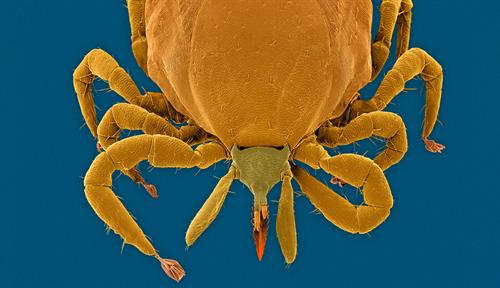
The complex interplay of ticks, their habitats and hosts — along with changes in land use and climate — may be enabling the spread of the pathogens they carry
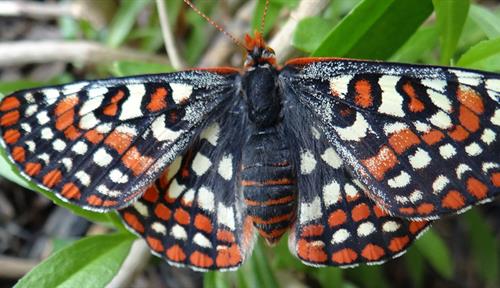
How do animal populations respond to climate change? After studying the same butterfly and its habitats for decades, two biologists explain that it’s complicated — but endlessly intriguing.
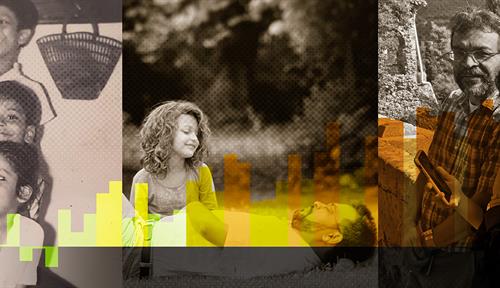
Researcher Arun Agrawal has lived three decades on either side of a watershed: the United Nations Framework Convention on Climate Change, signed 30 years ago this June. His 60 years are a window into how far we have come, and how far there is to go.
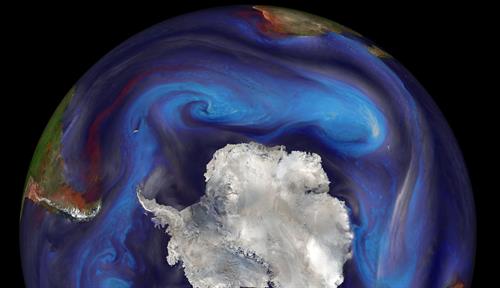
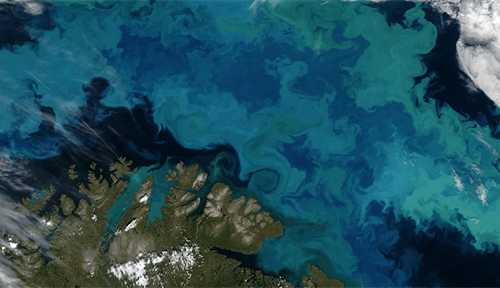
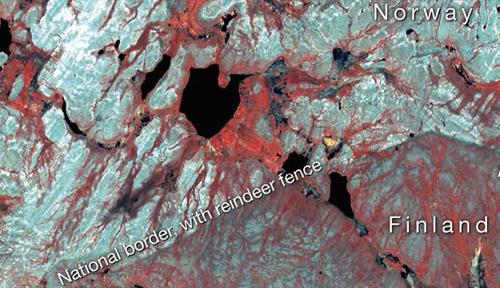
To slow or stop global warming, the world agrees it must cut carbon dioxide emissions. But monitoring each nation’s output of greenhouse gases is not always straightforward.
Close X
This is not a paywall.
Knowable Magazine is free to read. But just because our articles are free to read doesn’t mean they are free to produce. If you value our trustworthy science journalism, please support it with a donation.