cookies to track usage and preferences."
data-cookieaccepttext="I UNDERSTAND"
data-cookiedeclinetext="Disable Cookies"
data-cookiepolicytext="Privacy Policy">
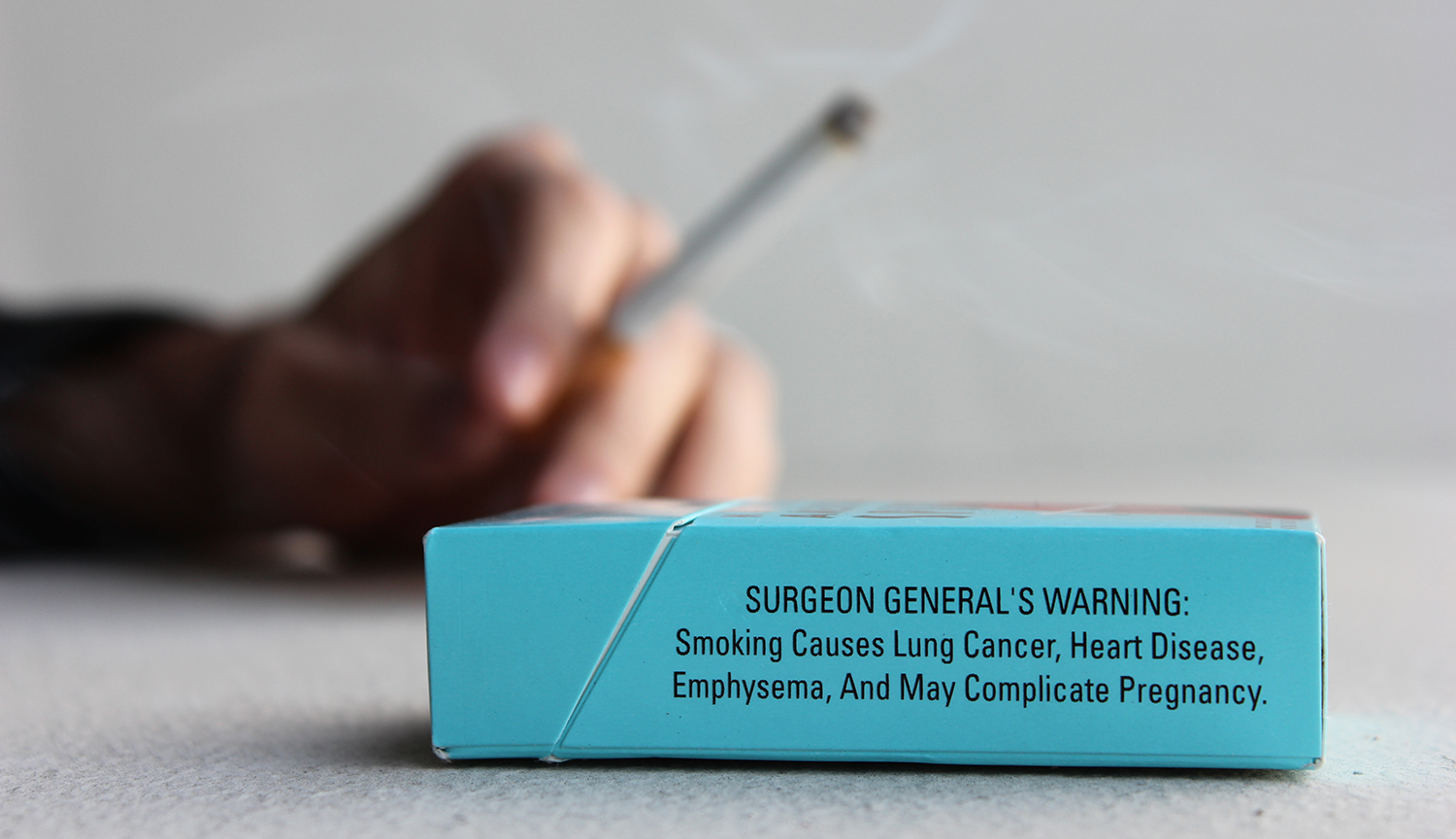
Regulatory hurdles, industry objections and legal fights have gone on for decades over traditional tobacco. What’s in store for the next generation of smoking?
As Covid-19 descended across the world, people sought refuge in gardens, parks and the woods. But it’s hard to measure how being in nature affects our well-being — and how we can best reap its rewards.
VIDEO: Watch our conversation about the science of behavior change — from public health tools to slow the pandemic to keeping New Year’s resolutions <em xmlns="http://pub2web.metastore.ingenta.com/ns/"/><em/>
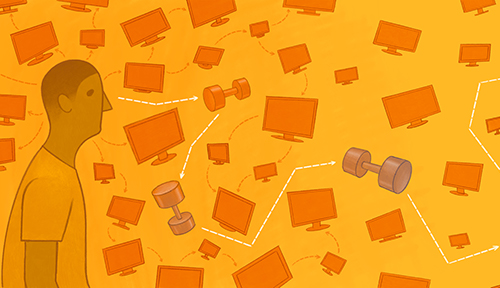
Working out buffs up the body — and perhaps the mind, too. New research is revealing how physical activity can reduce and even ward off depression, anxiety and other psychological ailments.
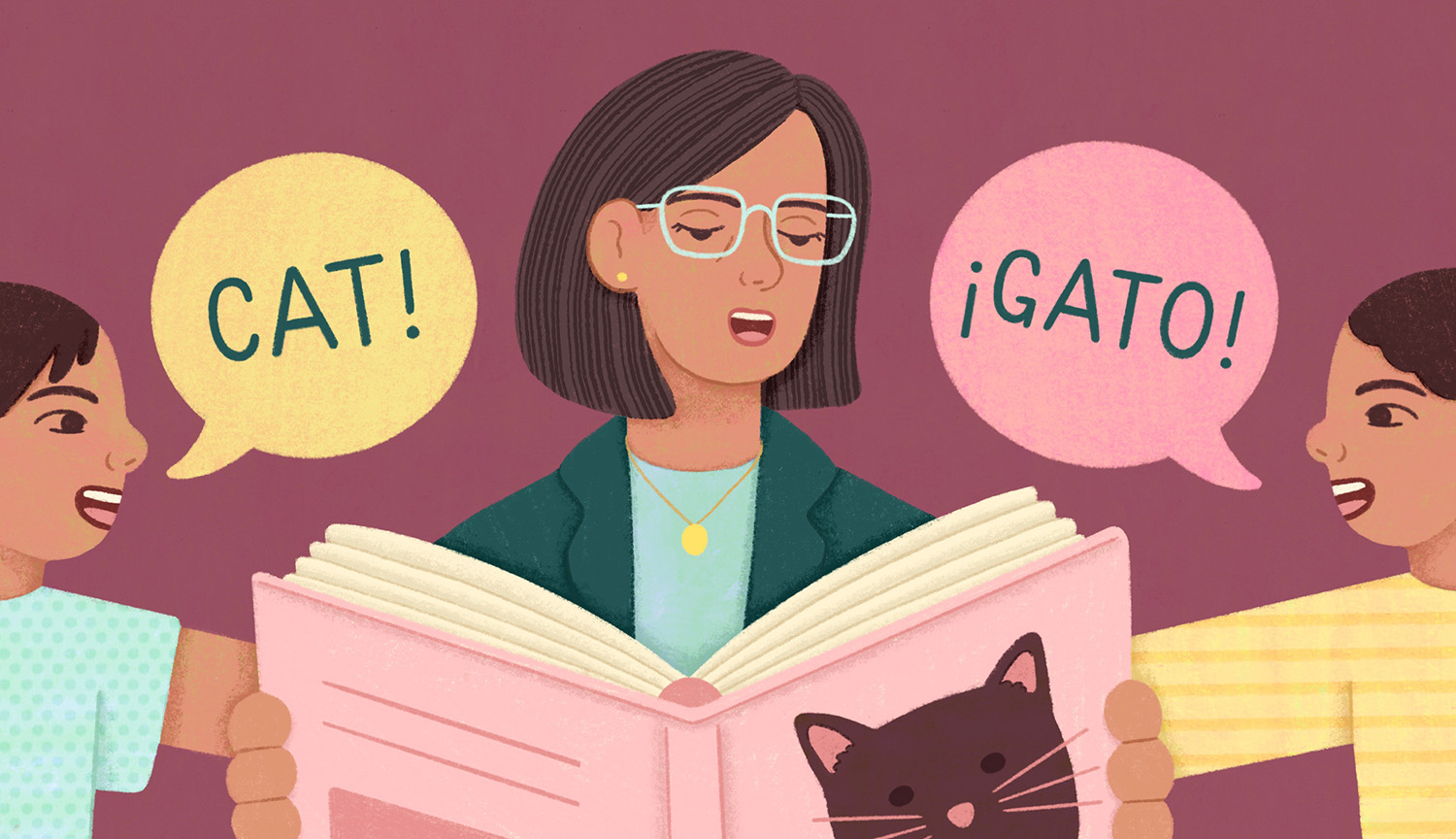
Kids from immigrant backgrounds in the US often struggle to develop fluency in two languages. Many factors — parental misconceptions, the lack of support in schools and social attitudes — play a role.
Psychologist Elizabeth Loftus has shown that our recall can be woefully unreliable. Slowly but surely, the legal system — and more of her peers — are taking her findings into account.
VIDEO: Watch our conversation about the science of stress, coping and resilience, including advice on how to survive the pandemic and thrive through what’s next
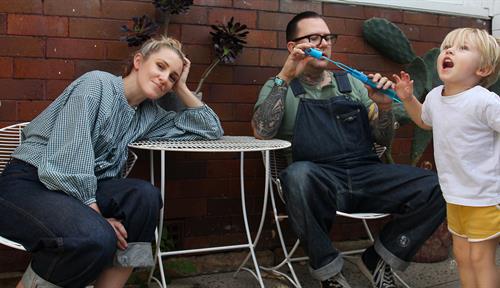
Studies on astronauts and Antarctic crews reveal how extreme confinement affects small groups. Scientists are racing to figure out isolation’s impact on the rest of us.
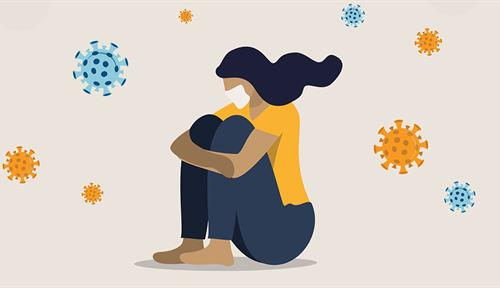
From mask wearing to physical distancing, individuals wield a lot of power in how the coronavirus outbreak plays out. Behavioral experts reveal what might be prompting people to act — or not.
Psychologists are beginning to understand that for some people, intense and sustained feelings of loss are symptoms of a serious condition — one that can last for years and erode wellbeing
Adolescents’ brains are highly capable, if inconsistent, during this critical age of exploration and development. They are also acutely tuned into rewards.
Hesitancy rates are falling but they’re still sizable, especially among certain groups. Easy access and trusted community messengers are keys to moving the needle.
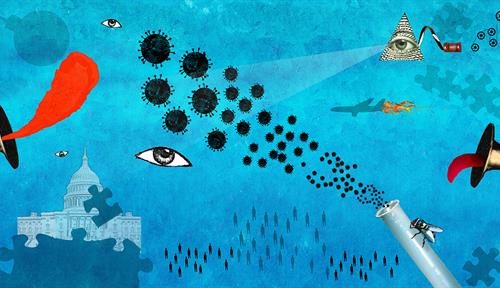
Conspiracy theories seem to meet psychological needs and can be almost impossible to eradicate. One remedy: Keep them from taking root in the first place.
VIDEO: Watch a scientific exploration of why old age is often associated with high levels of emotional well-being, even as physiological and cognitive capacity declines
Close X
This is not a paywall.
Knowable Magazine is free to read. But just because our articles are free to read doesn’t mean they are free to produce. If you value our trustworthy science journalism, please support it with a donation.