Skip to content
cookies to track usage and preferences." data-cookieaccepttext="I UNDERSTAND" data-cookiedeclinetext="Disable Cookies" data-cookiepolicytext="Privacy Policy">
1932

Events

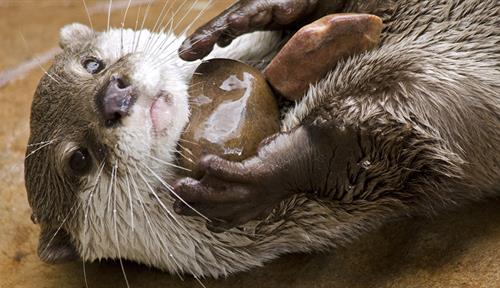
The puzzle of play

The purpose of play — for children, monkeys, rats or meerkats — has proved surprisingly hard to pin down. Scientists continue to toss around ideas.

Why forgetting may make your mind more efficient

Evidence builds for ways that the brain actively erases memories

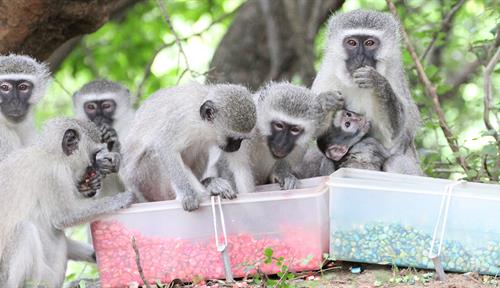
Cultural transmission makes animals flexible, but vulnerable

From monkeys washing potatoes to cockatoos raiding trash cans, socially spread behaviors allow creatures to adapt more rapidly to changing environments than conventional evolution would allow. But the traits are also more easily lost.

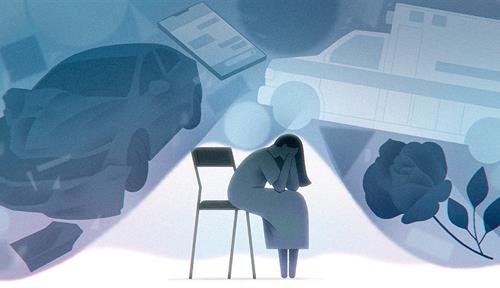
The lasting anguish of moral injury

Psychologists are finding that moral code violations can leave an enduring mark — and may require new types of therapy

The power of brands, conscious and unconscious

Economists explore the complex forces that shape what ends up in your shopping cart and how that might change in the online marketplace 

Living with chronic illness: Why some cope and others don’t

What helps some people diagnosed with cancer, heart disease or diabetes stay relatively happy and healthy, while others are devastated? Psychologist Vicki Helgeson explains the traits and mindsets that can make the difference.

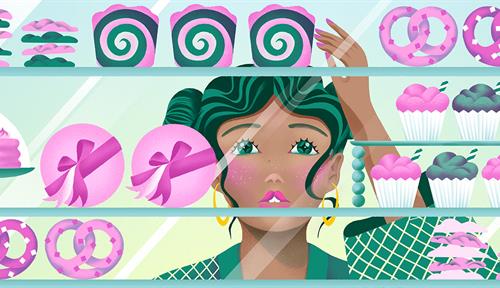
Barista’s burden

The dark side of “service with a smile”

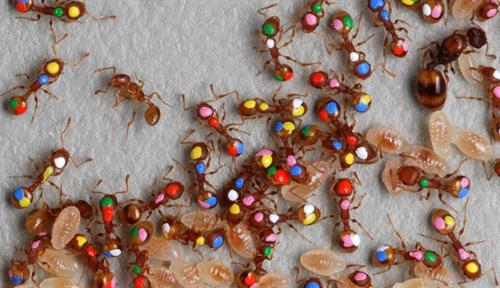
The mind of an anthill

Can we use the tools of psychology to understand how colonies of social insects make decisions?

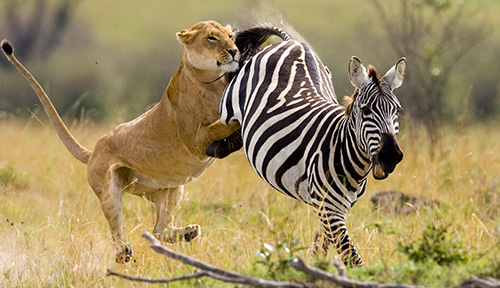
Do wild animals get PTSD? Scientists probe its evolutionary roots

Many creatures show lasting changes in behavior and physiology after a traumatic experience

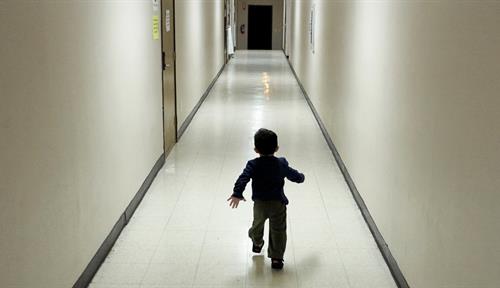
Treating the growing trauma of family separation

War, disasters, trafficking and immigration are tearing millions of children from their parents all around the world. A psychologist explores how to help them recover.

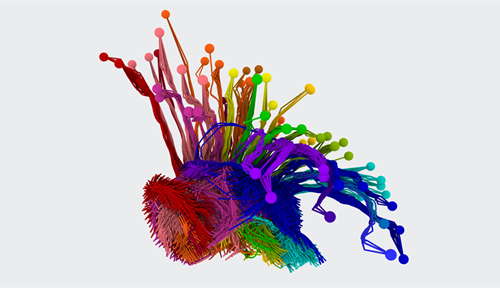
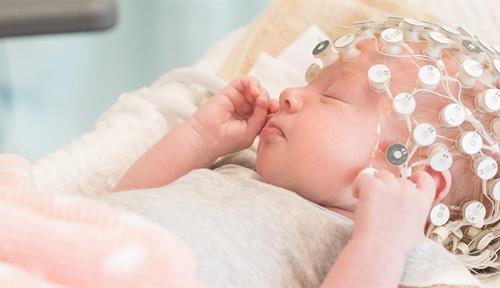
Zooming in on the brains of babies

New tools are helping neuroscientists investigate why early life is such a crucial time for neural development

Bad bosses: Dealing with abusive supervisors

From the boardroom to the basketball court, some managers rely on berating and bullying employees. Researchers have learned one thing: It doesn’t work.

The neurons that make us feel hangry

Neuroscientists think a cluster of cells in the brain that stimulate appetite could be a target for eating disorder therapies

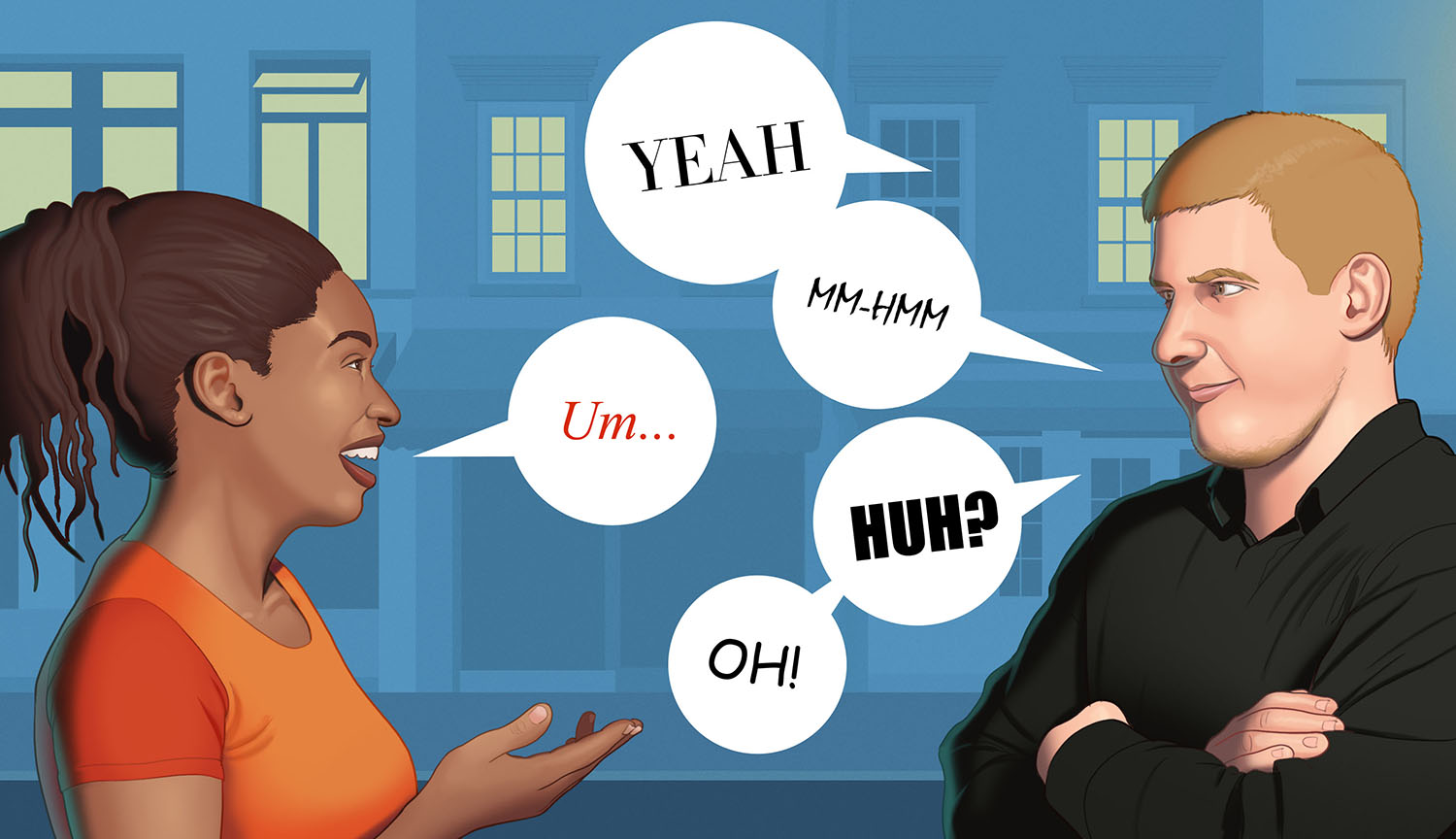
Huh? The valuable role of interjections

Utterances like um, wow and mm-hmm aren’t garbage — they keep conversations flowing

Reaching out to touch virtual reality

New technologies mean we won’t just see and hear digital information. We’ll also feel it.

A long-overlooked brain region may be key to complex thought

The thalamus has traditionally been viewed just as the brain’s sensory relay station. But it may also play an important role in higher-level cognition, MIT’s Michael Halassa explains in a Q&A.

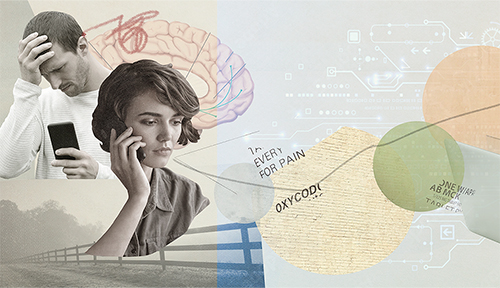
Does online opioid treatment work?

The Covid-19 pandemic brought a sudden shift to virtual health care. That has increased access — and possibly outcomes, too — for patients with opioid use disorder.

How learning happens in the brains of sleeping babes

Neuroscientists have long known that shut-eye helps consolidate memories in adults. Napping may play an equally crucial role in infants and young children.

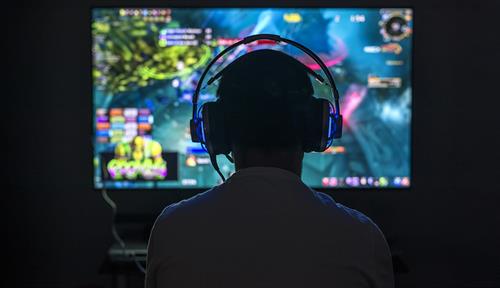
Can playing video games make you smarter?

OPINION: Research highlights six key principles for better learning

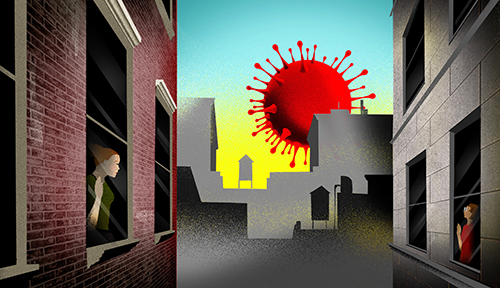
Pandemic psychology: Nothing new under the Sun

OPINION: Our behavior during Covid-19 echoes that of individuals, societies and governments during past plagues. We can and should do better.

This is a required field
Please enter a valid email address
Approval was a Success
Invalid data
An Error Occurred
Approval was partially successful, following selected items could not be processed due to error