cookies to track usage and preferences."
data-cookieaccepttext="I UNDERSTAND"
data-cookiedeclinetext="Disable Cookies"
data-cookiepolicytext="Privacy Policy">
In a year of funding chaos, ongoing climate change and pollution perils, we also saw the most powerful telescope yet, personalized gene therapy, and the next-best-thing to an HIV vaccine — not to mention a brand-new color
Some scientists propose that in the beginning, geochemistry gave way to biochemistry — with no genetic material necessary. Only later did RNA and DNA appear.
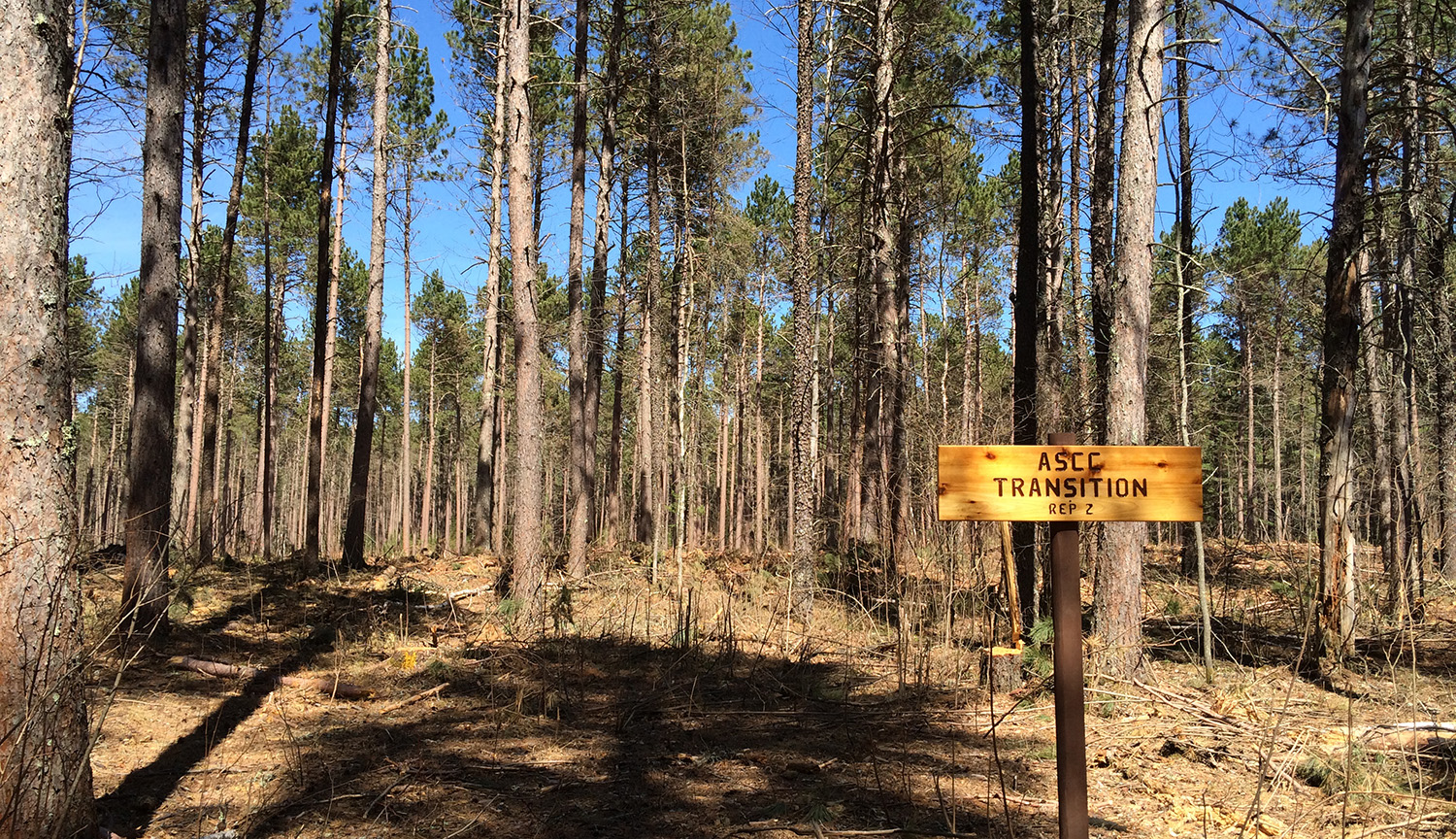
As the world warms, trees in forests such as those in Minnesota will no longer be adapted to their local climates. That’s where assisted migration comes in.
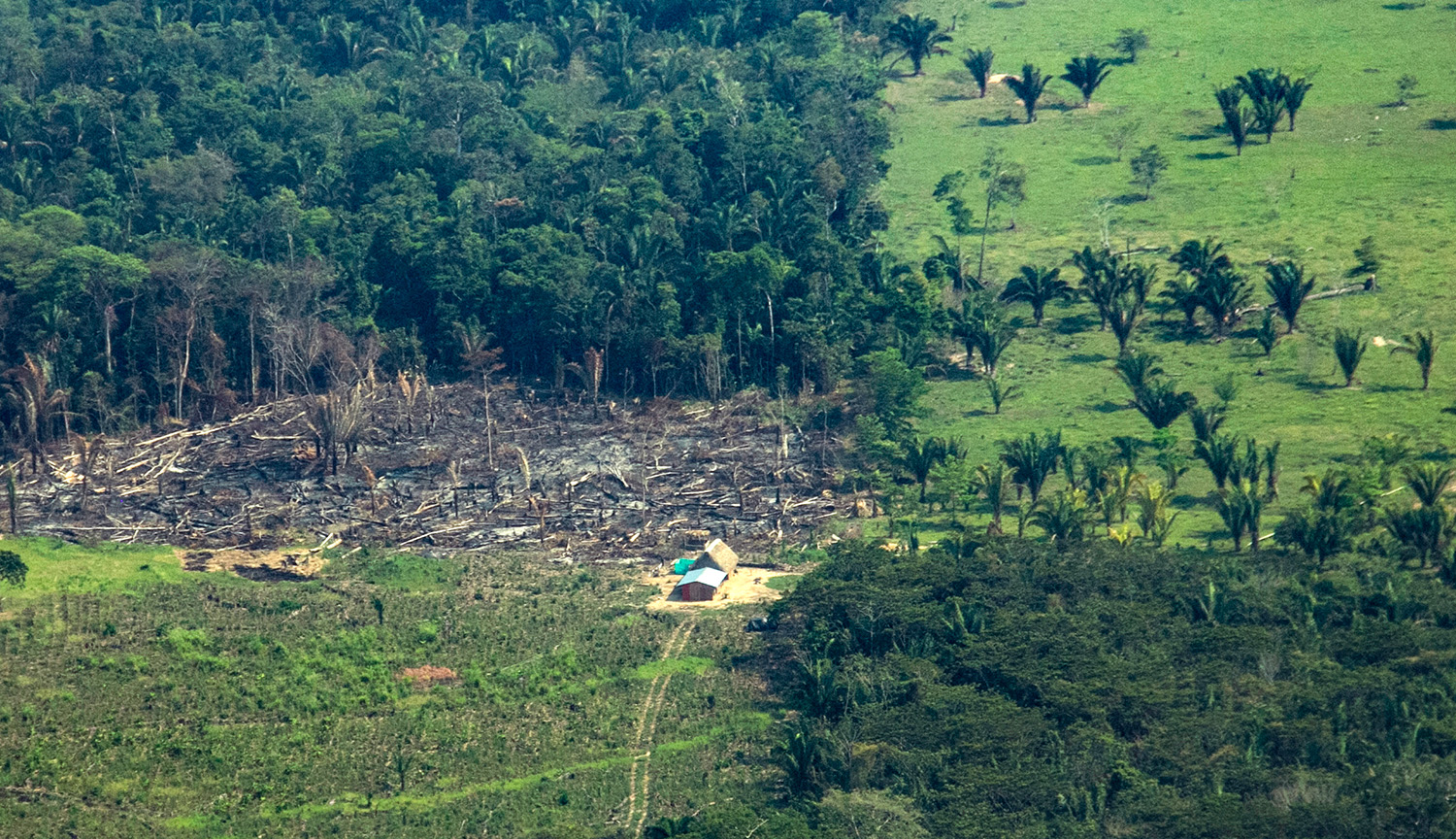
The South American country, where the biodiversity of the Andes meets that of the Amazon, is losing the great natural wealth of some 1,500 square kilometers of forest each year, mainly in areas formerly under guerrilla control
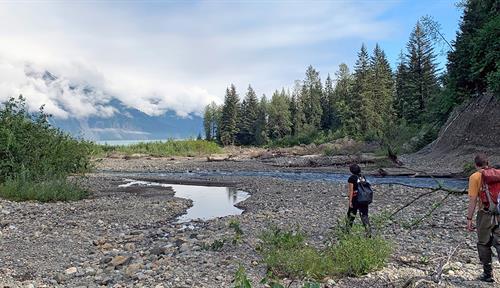
Ecologist Sandy Milner has traveled to Alaska for decades to study the development of streams flowing from melting glaciers. He’s seen insects move in, alders and willows spring up, and spawning fish arrive in thousands.
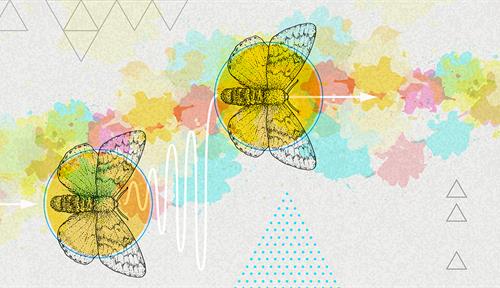
It’s not easy to find the source of a swirling scent plume. Scientists are using experiments and simulations to uncover the varied strategies that animals employ.
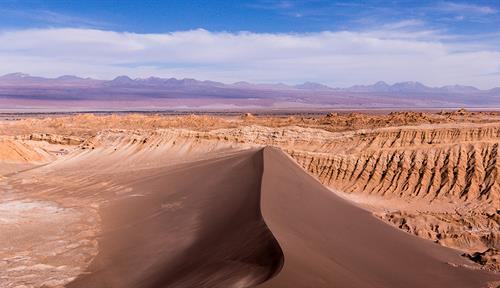
The famously dry region has long been dismissed as a mostly lifeless wasteland, good for little more than mining of minerals and precious metals. To these researchers, however, it’s a microbial gold mine worthy of protection.
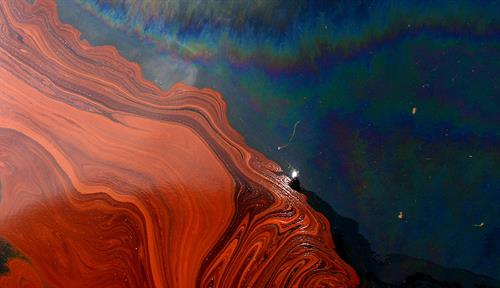
Decades of exploring the seafloor have helped oceanographer Samantha Joye tackle marine issues — from the underwater movement of oil from Deepwater Horizon to the biology of remote microbial communities
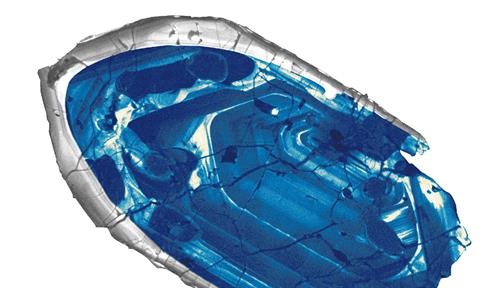
Crystals of the mineral zircon are rugged enough to survive the most violent geologic events. Impurities within them provide a time capsule of planetary history.
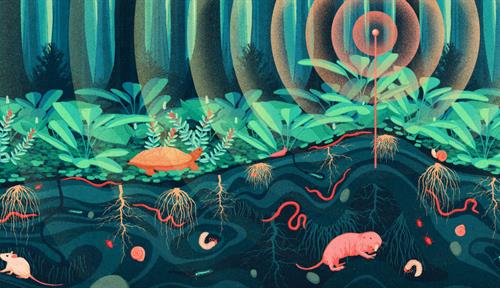
For most of Earth’s history, hardly any of the mucky stuff existed on land. It finally started piling up around 458 million years ago, changing life on the planet forever.
Close X
This is not a paywall.
Knowable Magazine is free to read. But just because our articles are free to read doesn’t mean they are free to produce. If you value our trustworthy science journalism, please support it with a donation.