cookies to track usage and preferences."
data-cookieaccepttext="I UNDERSTAND"
data-cookiedeclinetext="Disable Cookies"
data-cookiepolicytext="Privacy Policy">
Miles away from the ocean, projects are afoot to clean up salty groundwater and use it to grow crops. Some say it’s a costly pipe dream, others say it’s part of the future.
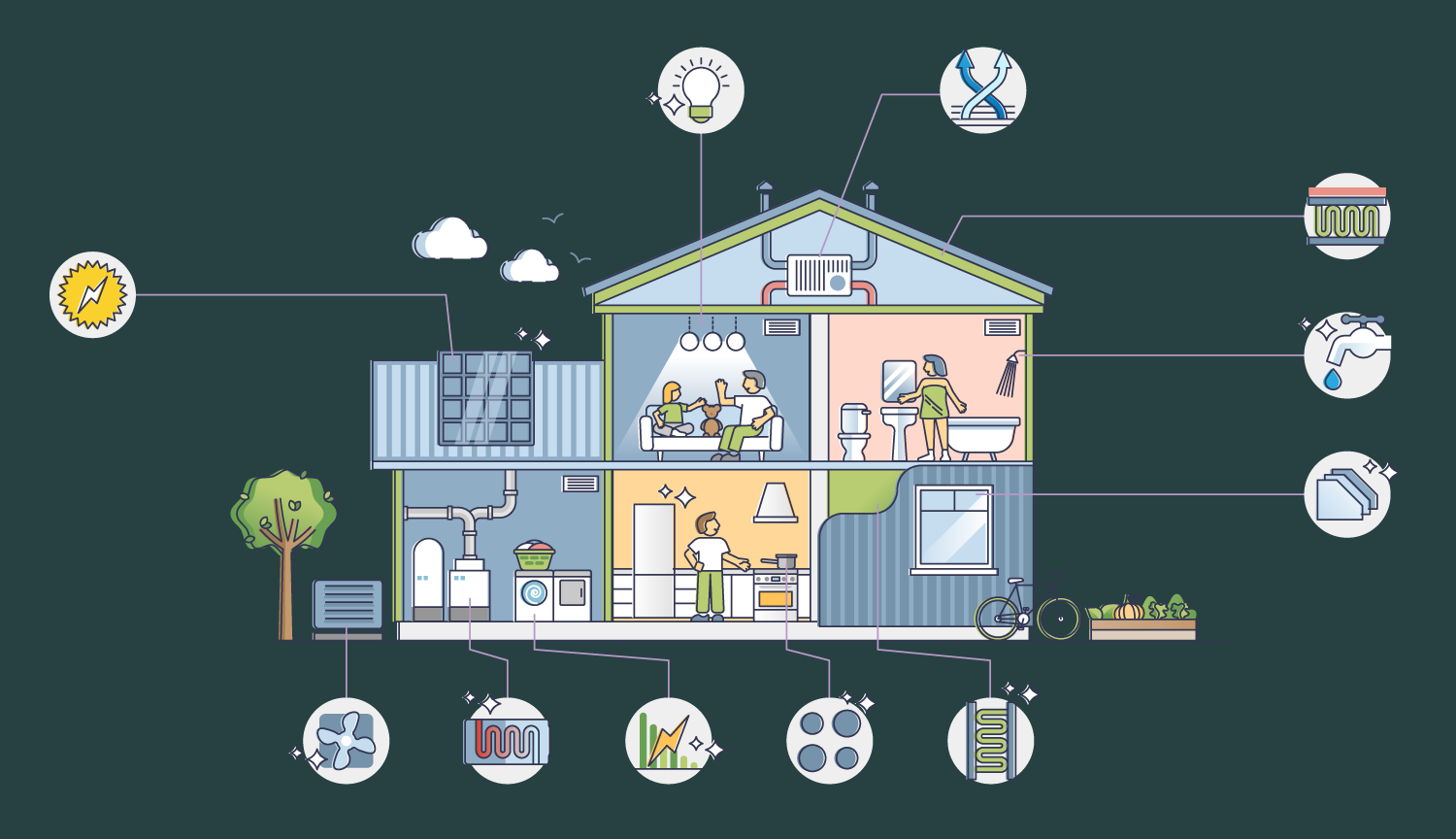
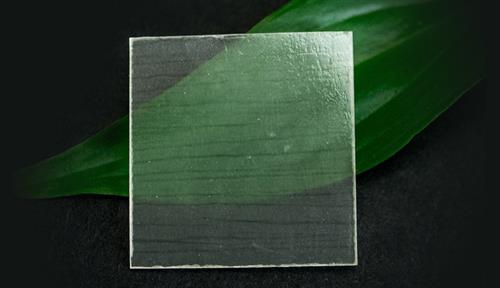
Getting our homes and workplaces to be energy efficient has major benefits — but not when it is done one window at a time. Here’s why deep retrofits and biomaterials are key to more sustainable living.
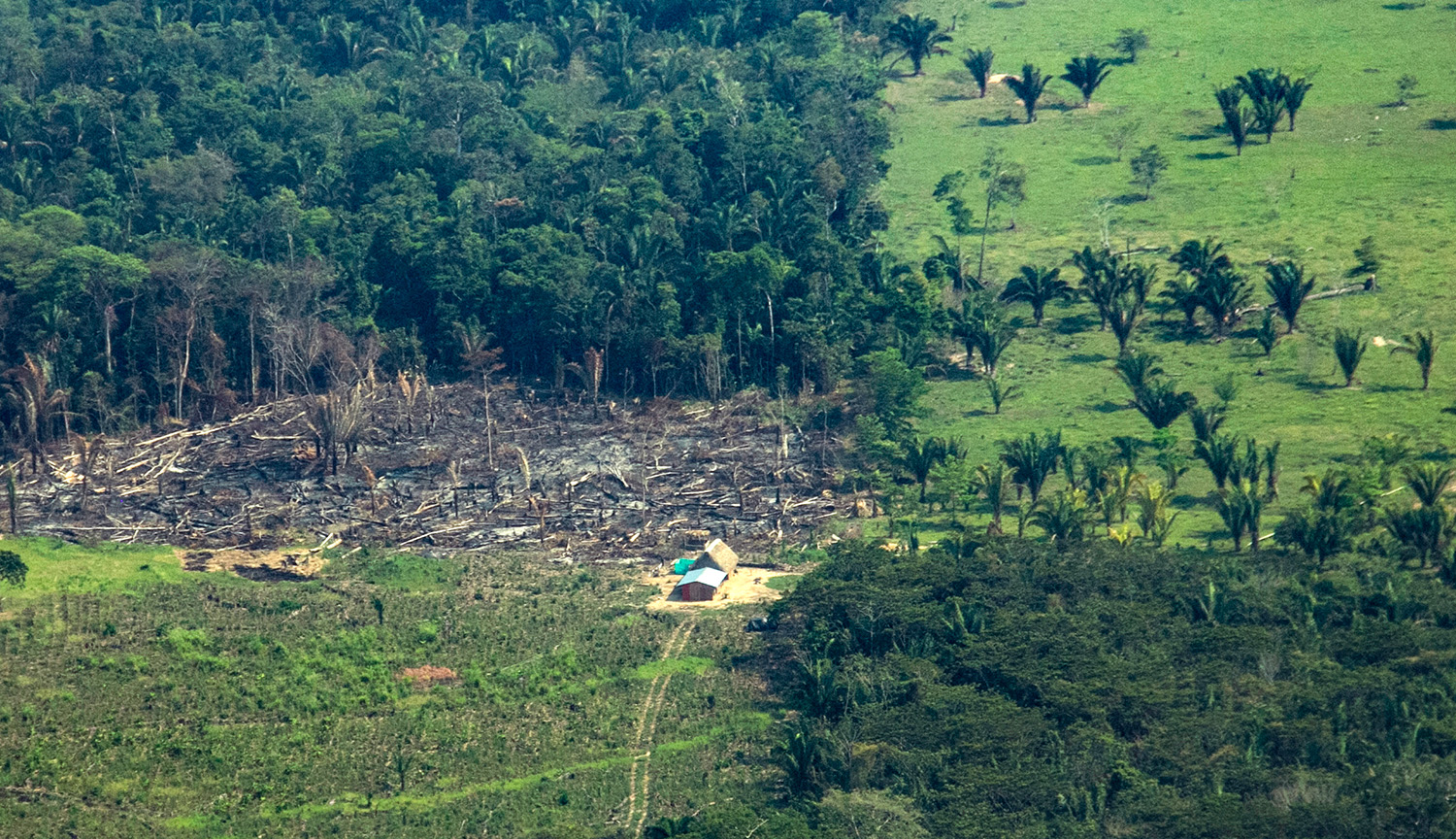
The South American country, where the biodiversity of the Andes meets that of the Amazon, is losing the great natural wealth of some 1,500 square kilometers of forest each year, mainly in areas formerly under guerrilla control
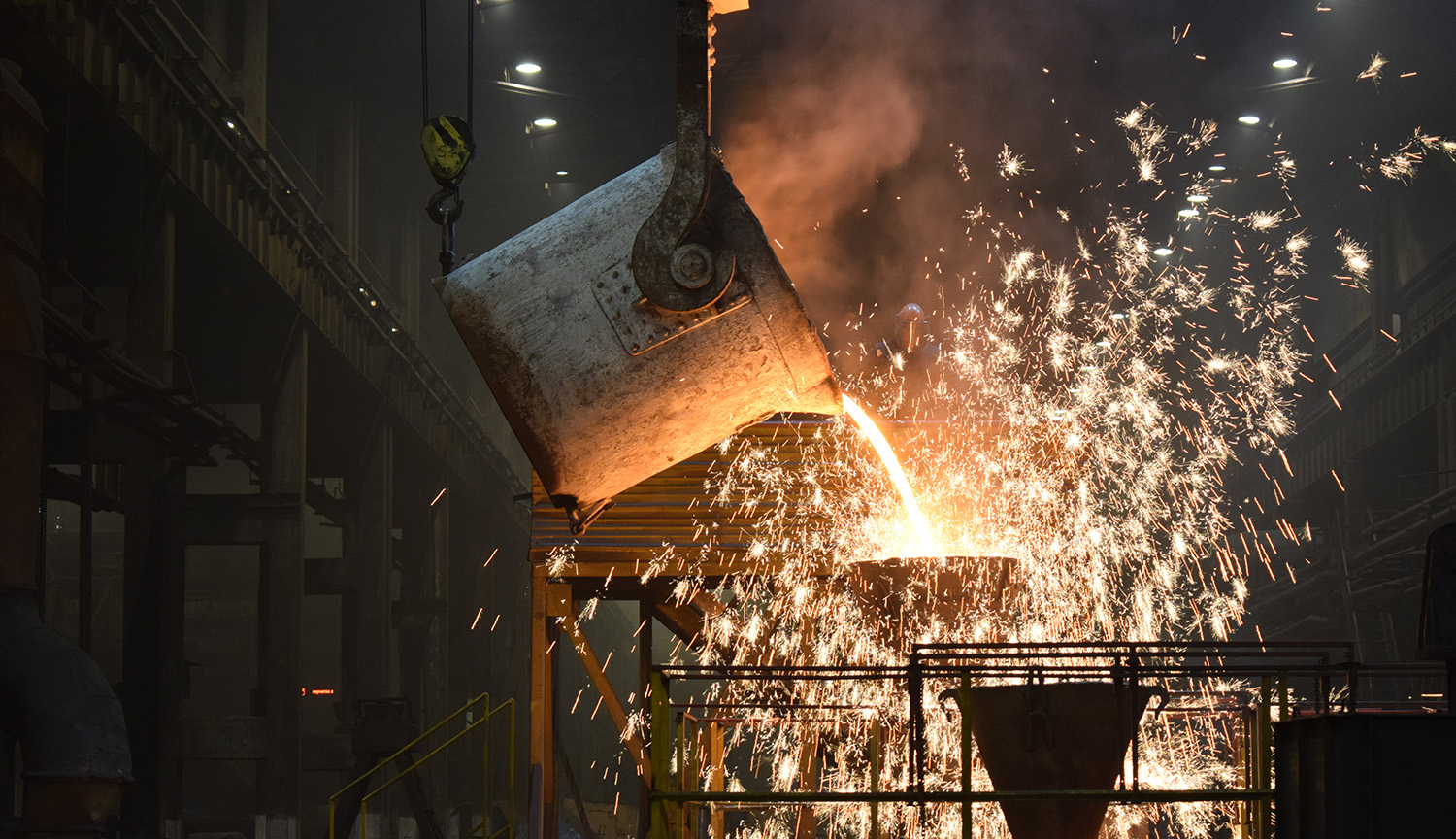
The bloc aims to become the first carbon-neutral continent. A new policy called CBAM will assist its ambitions — and may persuade other countries to follow in its footsteps.
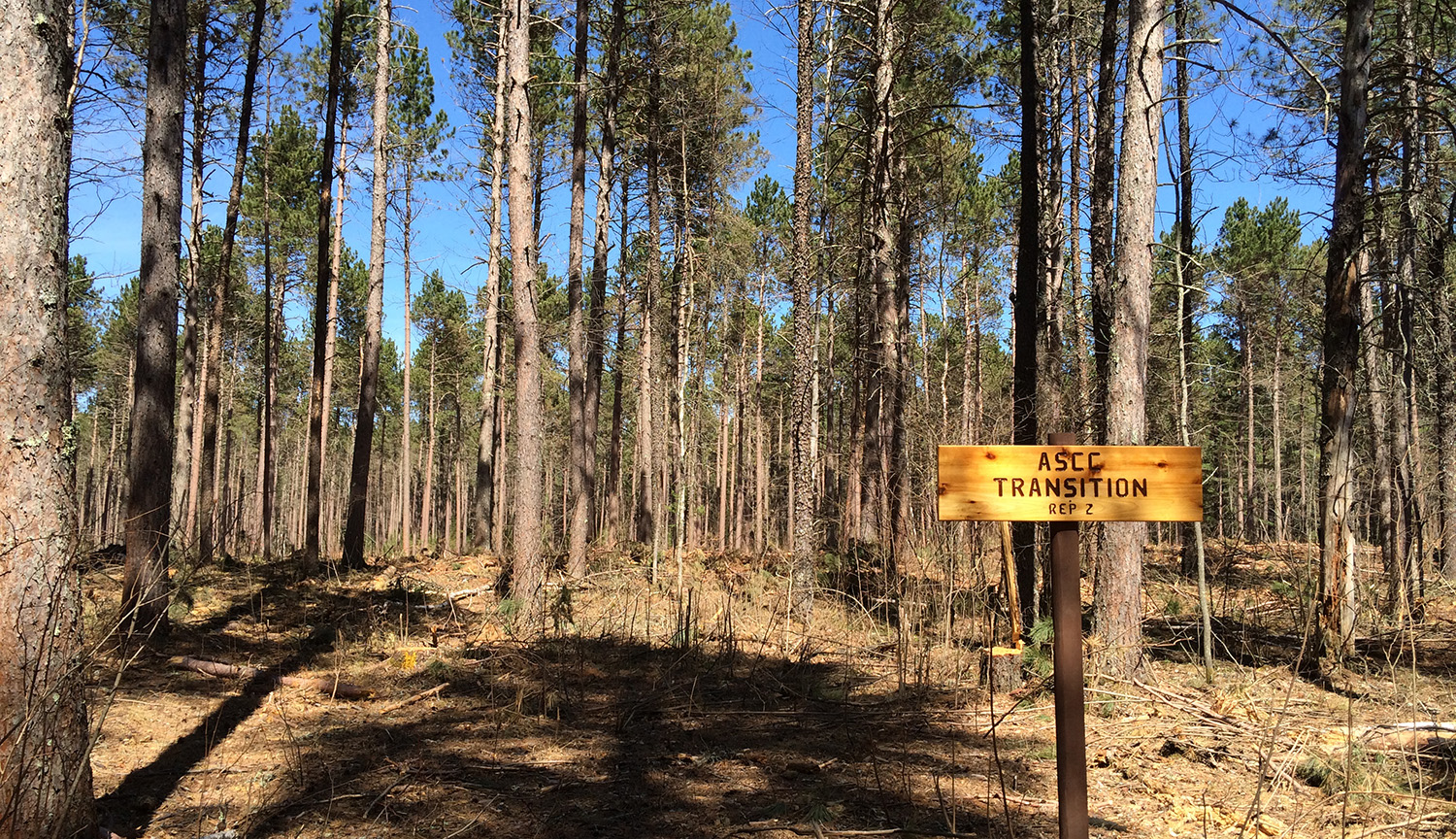
As the world warms, trees in forests such as those in Minnesota will no longer be adapted to their local climates. That’s where assisted migration comes in.
We need new fuels to transport people and goods around the globe as society moves away from coal, natural gas and oil. Here’s how things are shaping up.
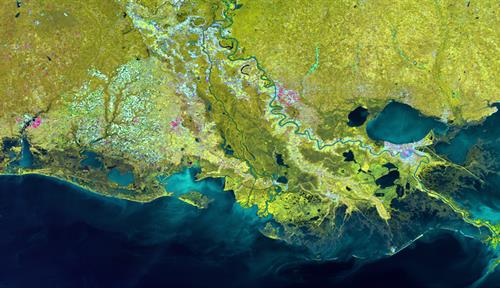
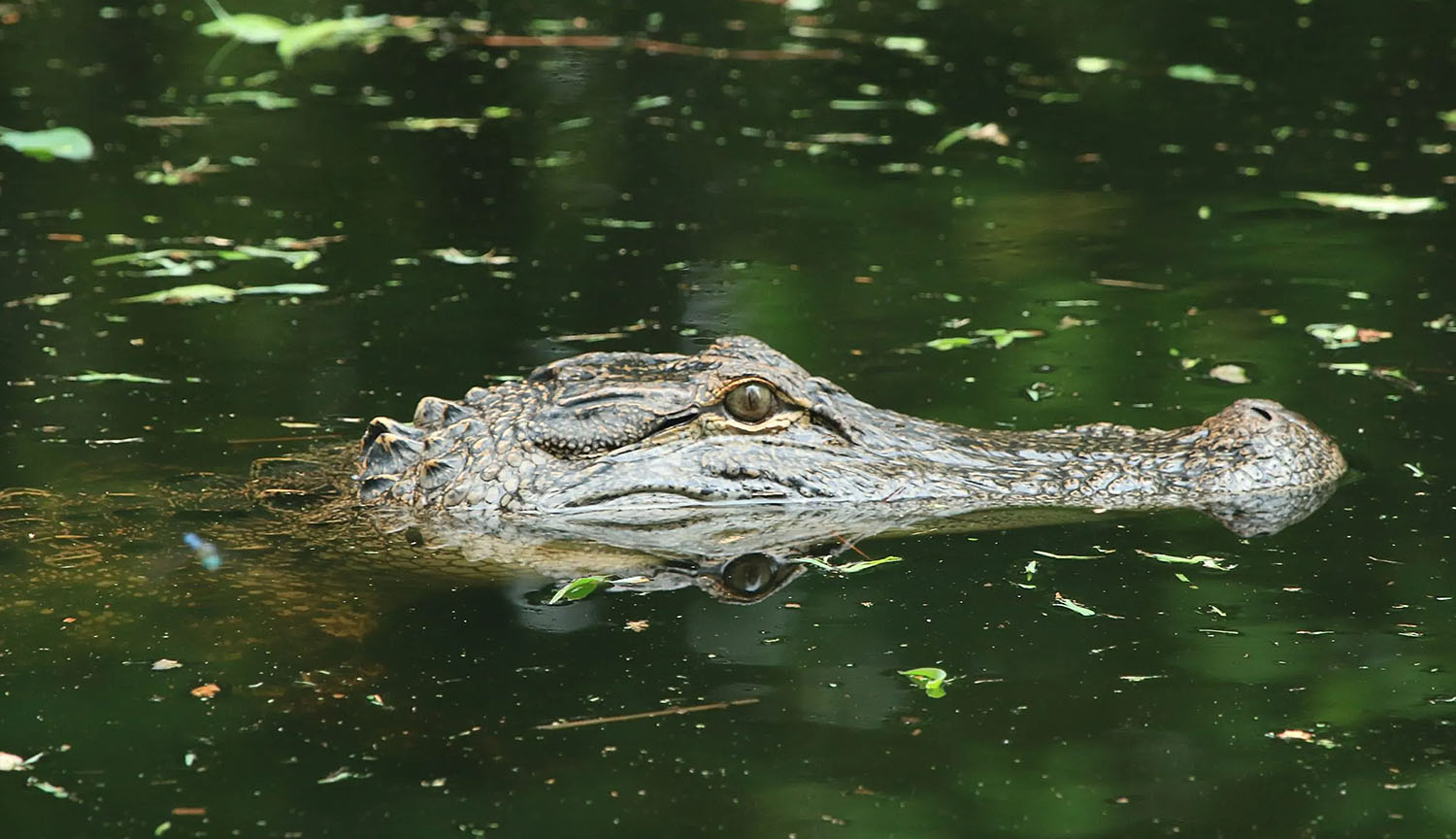
The wet landmasses, though inherently impermanent, have been essential to both people and wildlife for thousands of years. But recent shifts have brought on some rapid losses that worry scientists.
PODCAST: A report to the US president sounded an alarm — humankind was ‘conducting a vast geophysical experiment’ by burning fossil fuels and filling the atmosphere with an ‘invisible pollutant.’ But a slick campaign by Big Oil led to confusion, politicization and dire consequences for the planet. (Season 3, Episode 1)
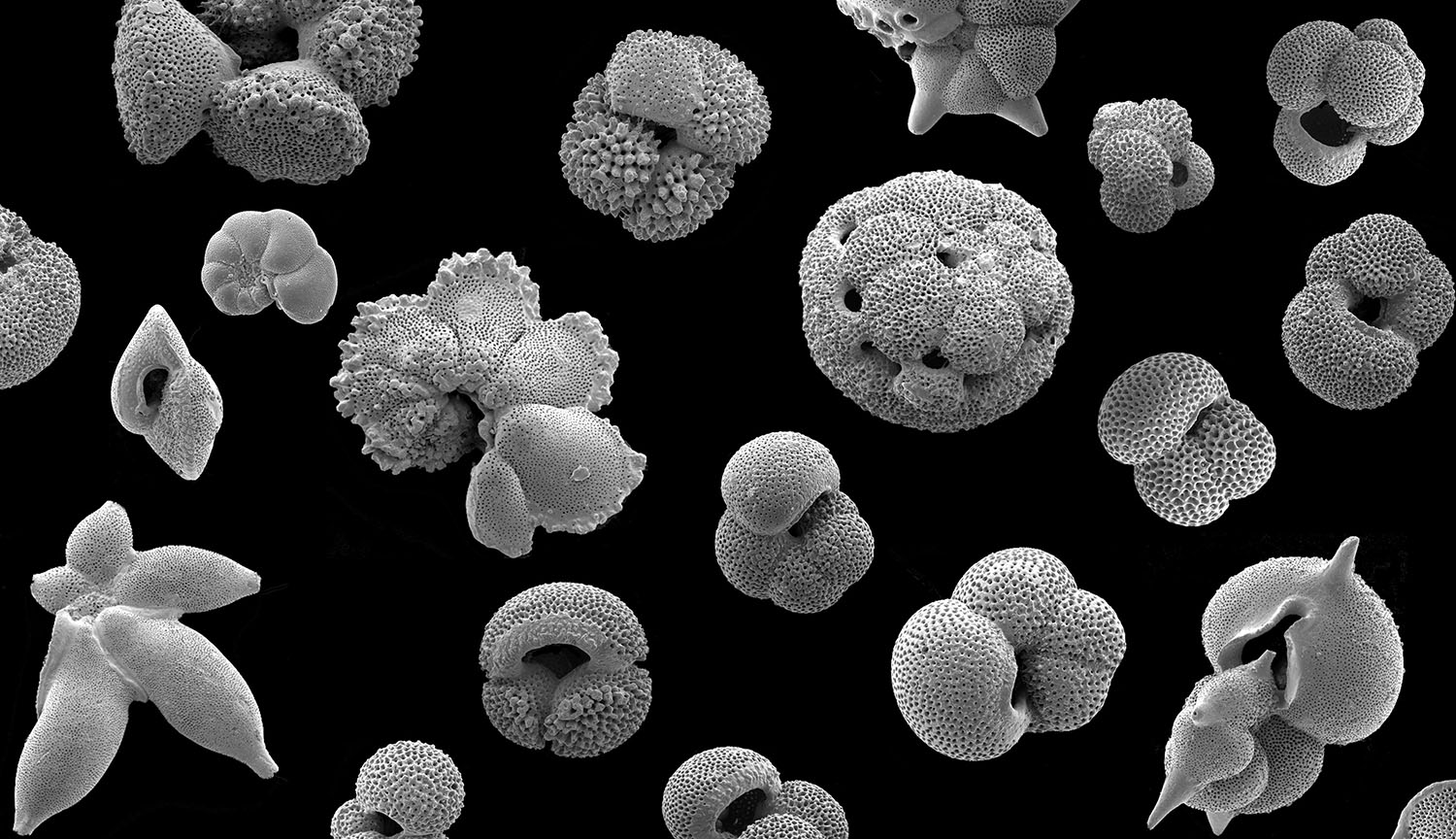
Bountiful remains of foraminifera reveal how organisms responded to climate disturbances of the past. They can help predict the future, too.
Close X
This is not a paywall.
Knowable Magazine is free to read. But just because our articles are free to read doesn’t mean they are free to produce. If you value our trustworthy science journalism, please support it with a donation.