cookies to track usage and preferences."
data-cookieaccepttext="I UNDERSTAND"
data-cookiedeclinetext="Disable Cookies"
data-cookiepolicytext="Privacy Policy">
After turning up hundreds of genes with hard-to-predict effects, some scientists are now probing the grander developmental processes that shape face geometry
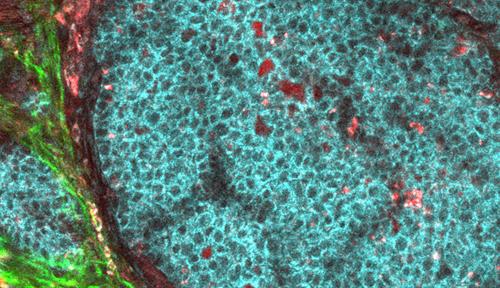
From building up defenses in the nose to slowing down a virus’s ability to make copies of itself, scientists are rolling out a raft of creative approaches to fighting infection
Lower-income countries haven’t gotten an equal share of lifesaving coronavirus vaccines. Older, more familiar vaccine technologies may hold the key to more equitable use, says Maria Elena Bottazzi.
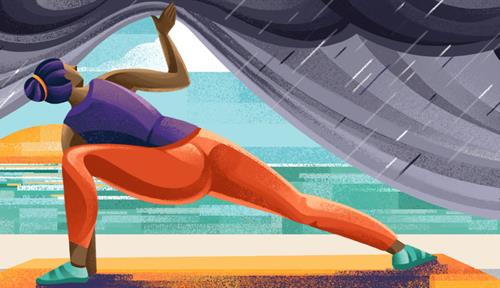
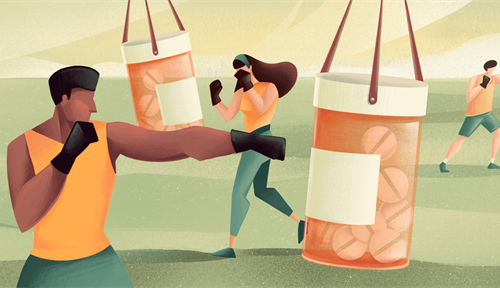
Working out buffs up the body — and perhaps the mind, too. New research is revealing how physical activity can reduce and even ward off depression, anxiety and other psychological ailments.
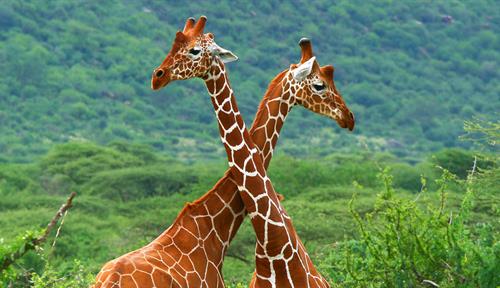
Because of their height, giraffes require scarily high blood pressures — yet they escape the massive health problems that plague people with hypertension. Can clinicians learn from these animals?
Traffic planners, securities traders and military strategists all use it. Simulating the behavior of millions of idiosyncratic individuals also may be the best way to understand complex phenomena like pandemics.
Public health messages should be loud and clear, so that everyone listens and stays safe. But that’s easier said than done — especially with a case as complex as Covid-19.
As researchers learn more about how exercise fights chronic ills like heart disease and diabetes, doctors may soon be able to treat physical activity as the powerful medicine it is
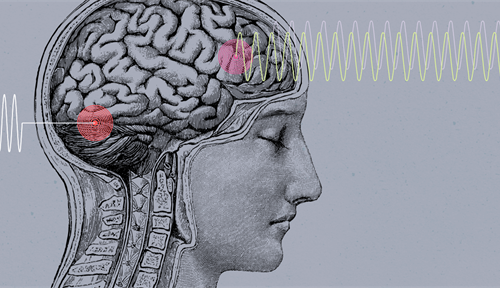
Ultrasound isn’t just for images. Sonogenetics and other promising technologies let researchers use focused sound waves to control genes and entire cells deep in the tissues of living animals, without surgery.
Inform, incentivize, legislate: There’s a ladder of escalating approaches for changing citizens’ behavior — and nudges for every rung
Close X
This is not a paywall.
Knowable Magazine is free to read. But just because our articles are free to read doesn’t mean they are free to produce. If you value our trustworthy science journalism, please support it with a donation.