cookies to track usage and preferences."
data-cookieaccepttext="I UNDERSTAND"
data-cookiedeclinetext="Disable Cookies"
data-cookiepolicytext="Privacy Policy">
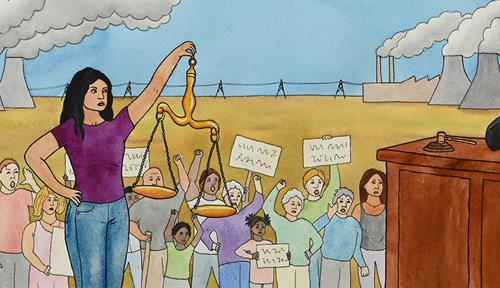
Lawsuits against emissions-spewing governments and fossil fuel companies have established themselves as a key tool in the battle against climate change, but they aren’t always successful
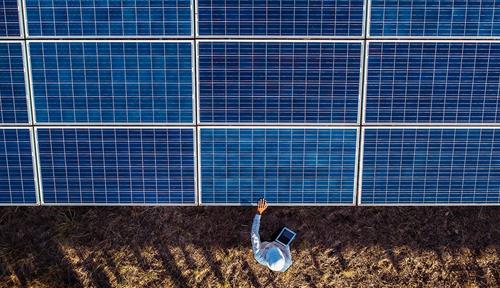
PODCAST: Once fringe and futuristic, this renewable energy shines brightly today as a cheap and efficient source of energy. Still, it remains controversial — for much different reasons. (Season 1/Episode 3)
Modern industry has made great strides in turning trash into tomorrow’s new products, but the process is still a long way from perfect. New technologies can help. Plus, updates on chemical recycling, design for recycling and dirty recycling.
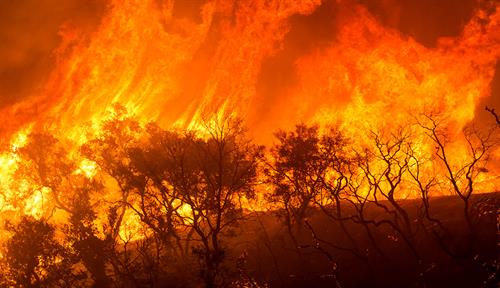
There are two types of wildfire in the state, and they’re on the rise for different reasons. Each needs a distinct management approach, a researcher says.
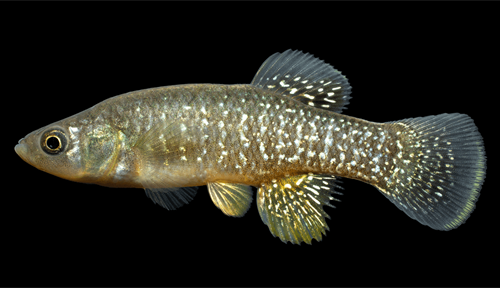
Where other species succumbed, the killifish survived contaminated habitats. It’s a finding that could help researchers understand environmental risk factors for humans.
Scientists have been chasing the dream of harnessing the reactions that power the Sun since the dawn of the atomic era. Interest, and investment, in the carbon-free energy source is heating up.
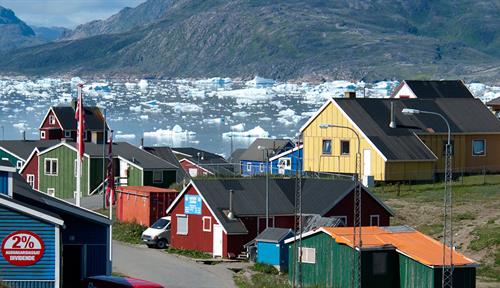
Native peoples attuned to the natural world have long collected detailed environmental information. Now scientists are cataloging these observations and learning how they’re affecting Indigenous communities globally.
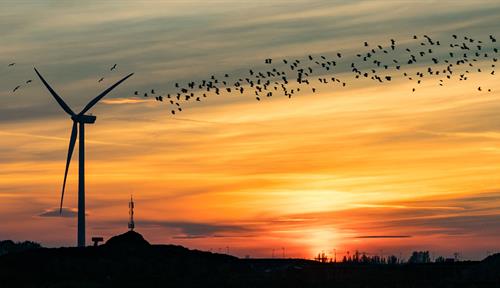
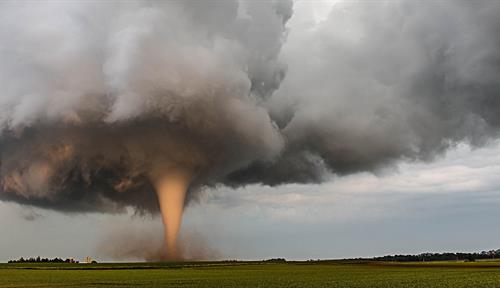
As wind power grows around the world, so does the threat the turbines pose to wildlife. From simple fixes to high-tech solutions, new approaches can help.
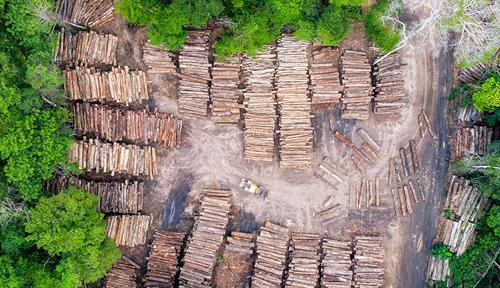
Evidence that the approach helps to save trees, preserve ecosystems and reduce carbon emissions is often hard to come by. But it can succeed if it’s done right, says an economist.
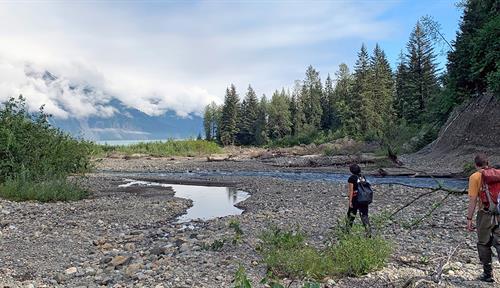
Ecologist Sandy Milner has traveled to Alaska for decades to study the development of streams flowing from melting glaciers. He’s seen insects move in, alders and willows spring up, and spawning fish arrive in thousands.
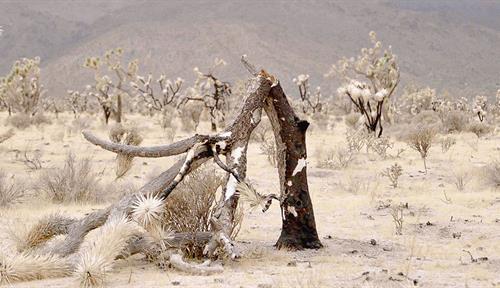
VIDEO: In August 2020, the Dome Fire burned more than 40,000 acres of the iconic species’ range in the Mojave Desert, leaving a graveyard of blackened trees. A massive replanting effort now underway hopes to return life to the fragile ecosystem by boosting numbers of the climate-threatened plant.
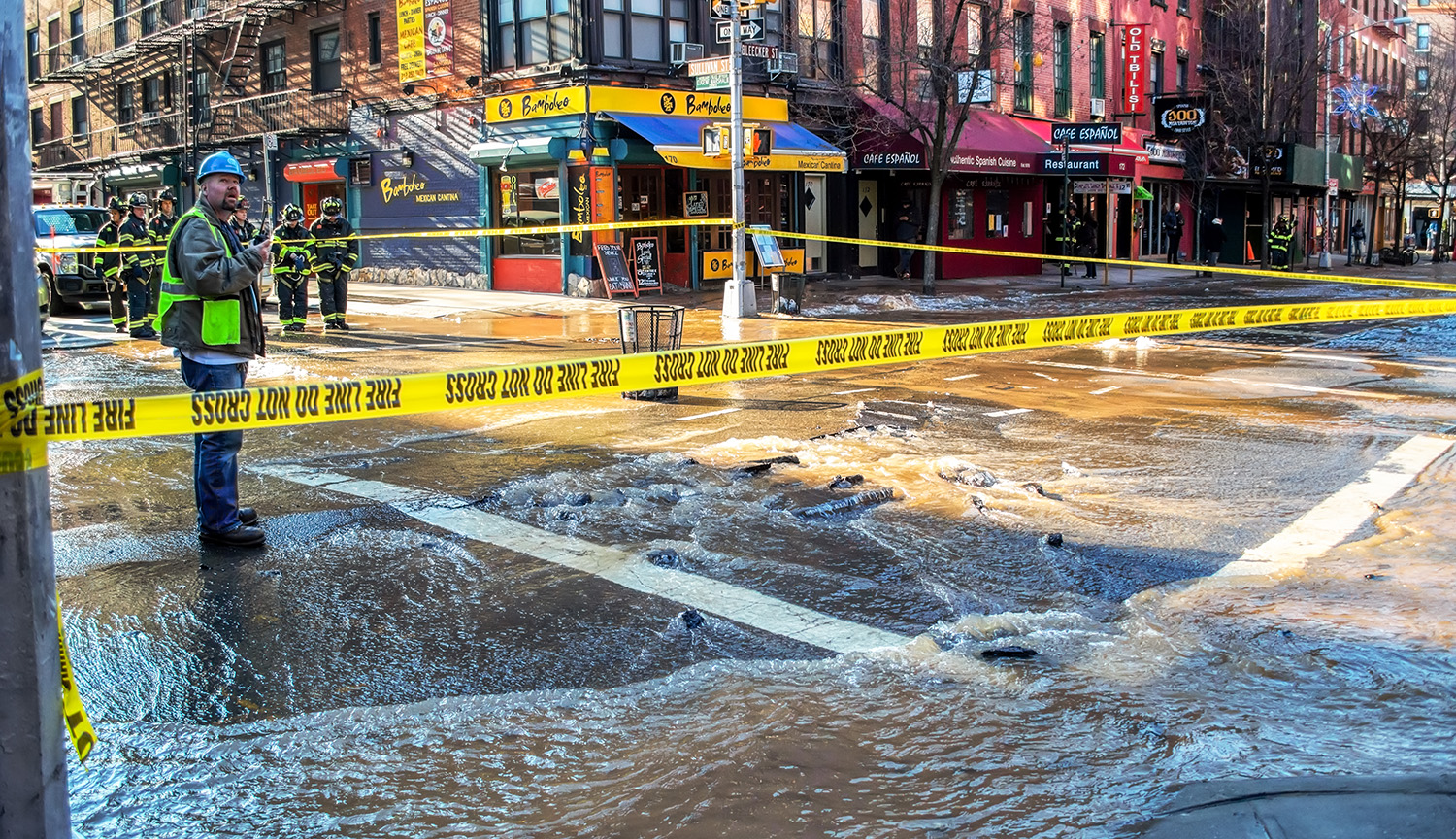
OPINION: Sea level rise won’t hit just homes on shorefronts, but also the infrastructure beneath our feet
Close X
This is not a paywall.
Knowable Magazine is free to read. But just because our articles are free to read doesn’t mean they are free to produce. If you value our trustworthy science journalism, please support it with a donation.