cookies to track usage and preferences."
data-cookieaccepttext="I UNDERSTAND"
data-cookiedeclinetext="Disable Cookies"
data-cookiepolicytext="Privacy Policy">
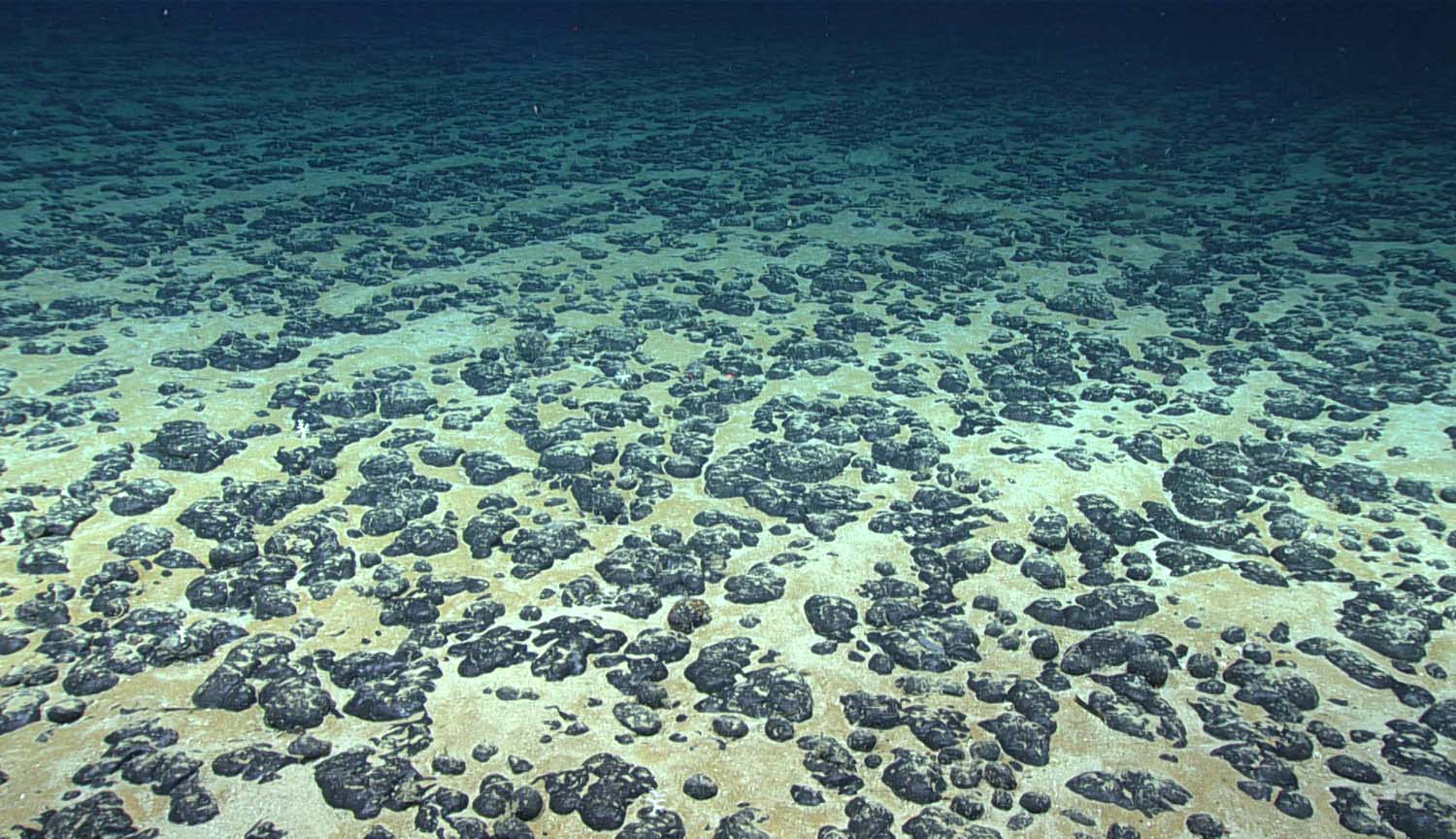
Keeping global warming to manageable levels will require removing carbon dioxide from the atmosphere and storing it somewhere else. The world’s oceans may be a promising option.
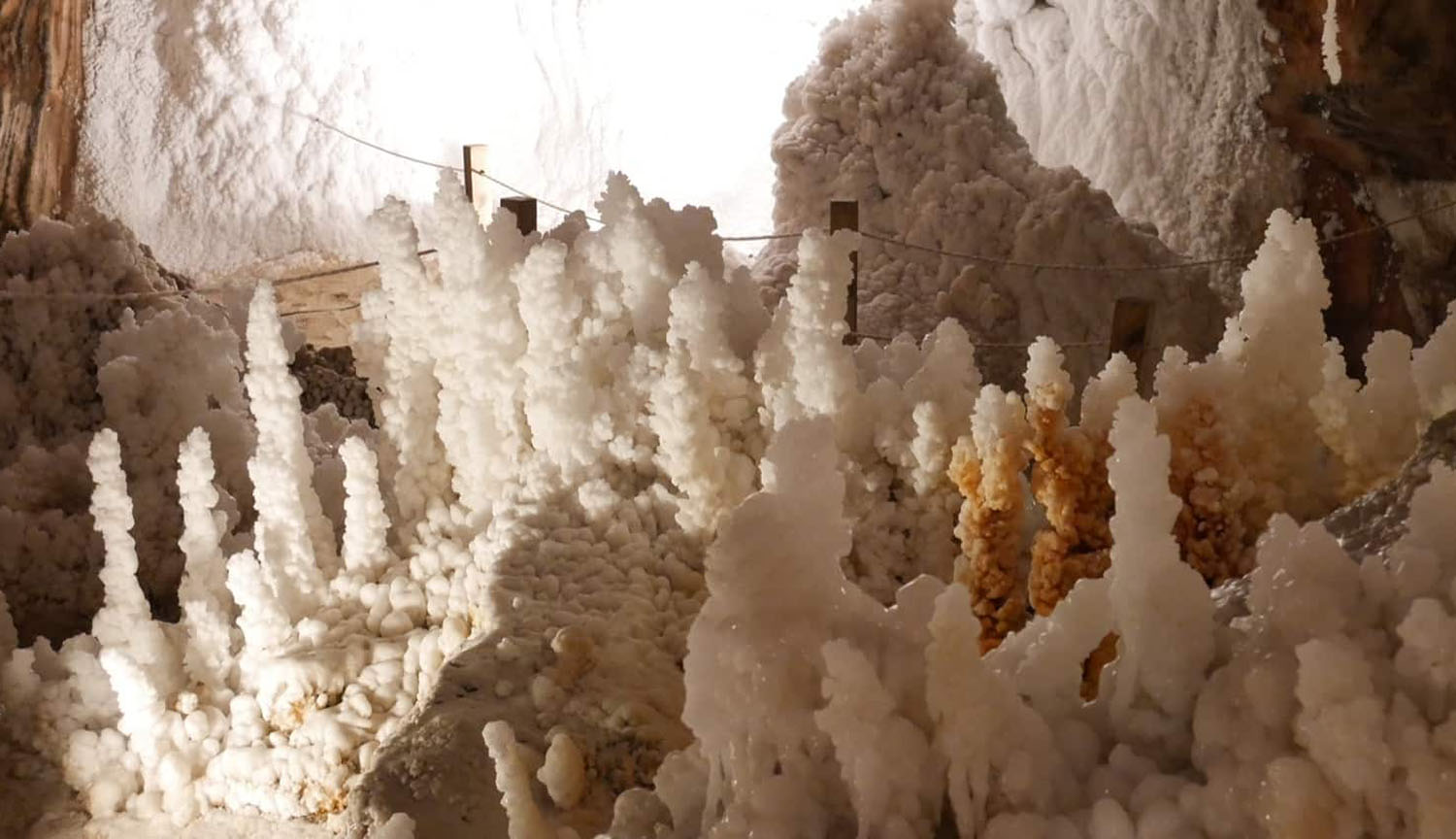
Researchers have long believed that a sudden, massive deluge filled a dry, salt-filled Mediterranean some 5 million years ago. Turns out that probably didn't happen, but there was still drama aplenty.
In a year of funding chaos, ongoing climate change and pollution perils, we also saw the most powerful telescope yet, personalized gene therapy, and the next-best-thing to an HIV vaccine — not to mention a brand-new color
A push to move away from petroleum products — plus the perception that natural is gentler — has scientists lathering up new ingredients, from wood and fungus extracts to engineered proteins
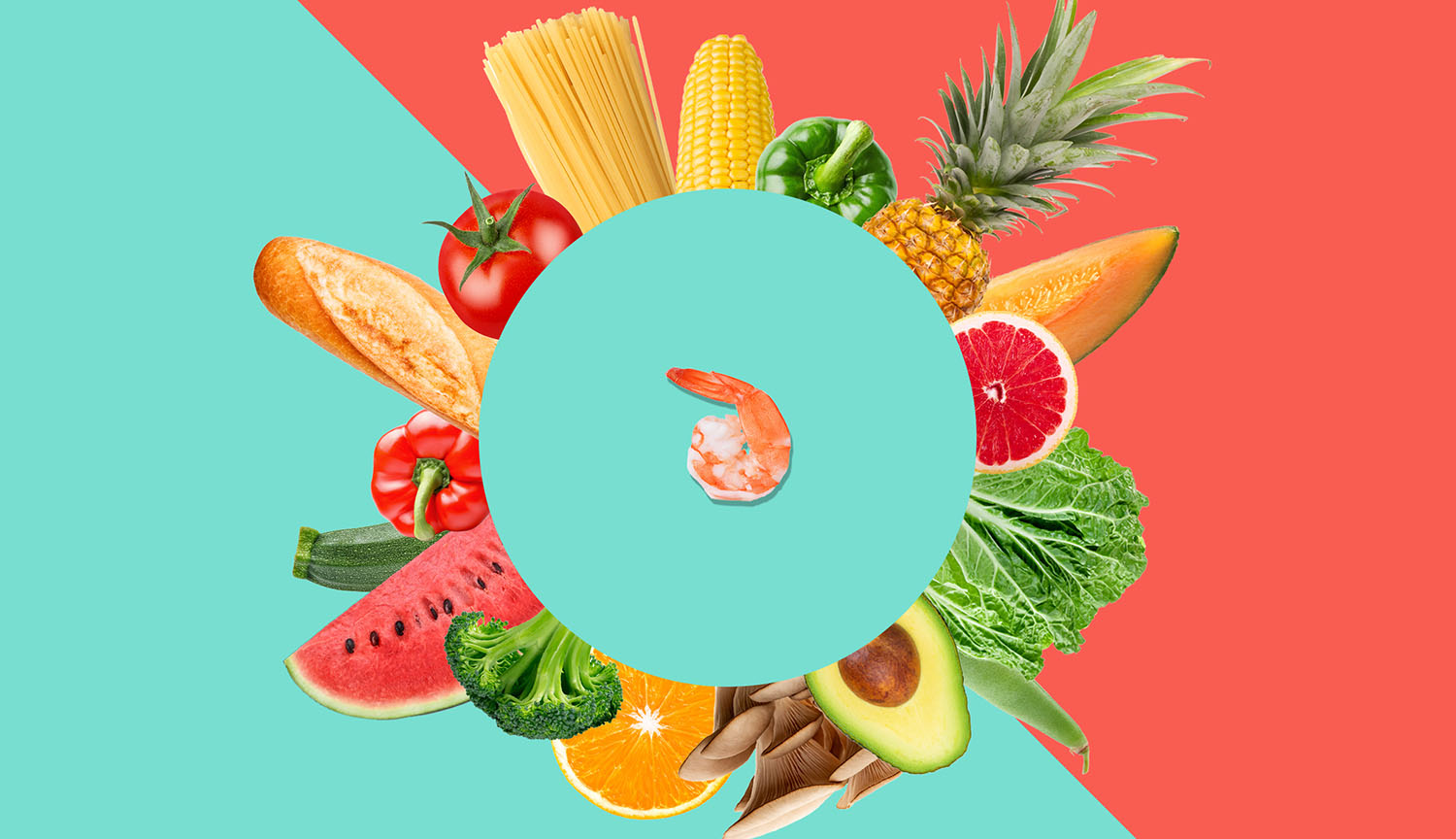
Early in evolution, we animals lost the ability to manufacture nine of the 20 building blocks needed to make proteins. Herbivores evolved an impressive array of tricks to ensure their dietary needs are met.
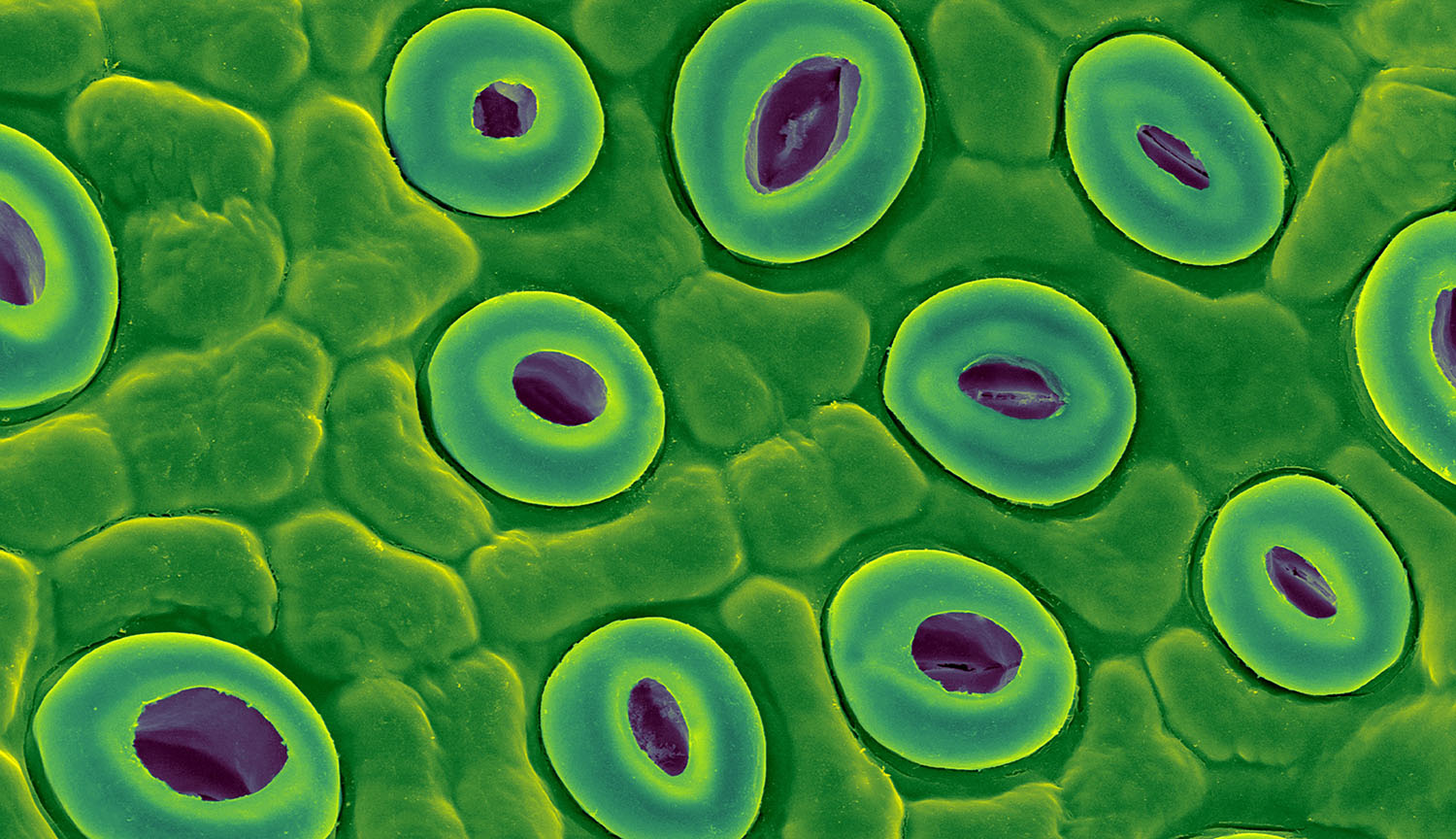
It’s not an open-and-shut case. But researchers are finding out plenty by genetically altering the numbers of these openings, as well as simulating future atmospheres, and more.
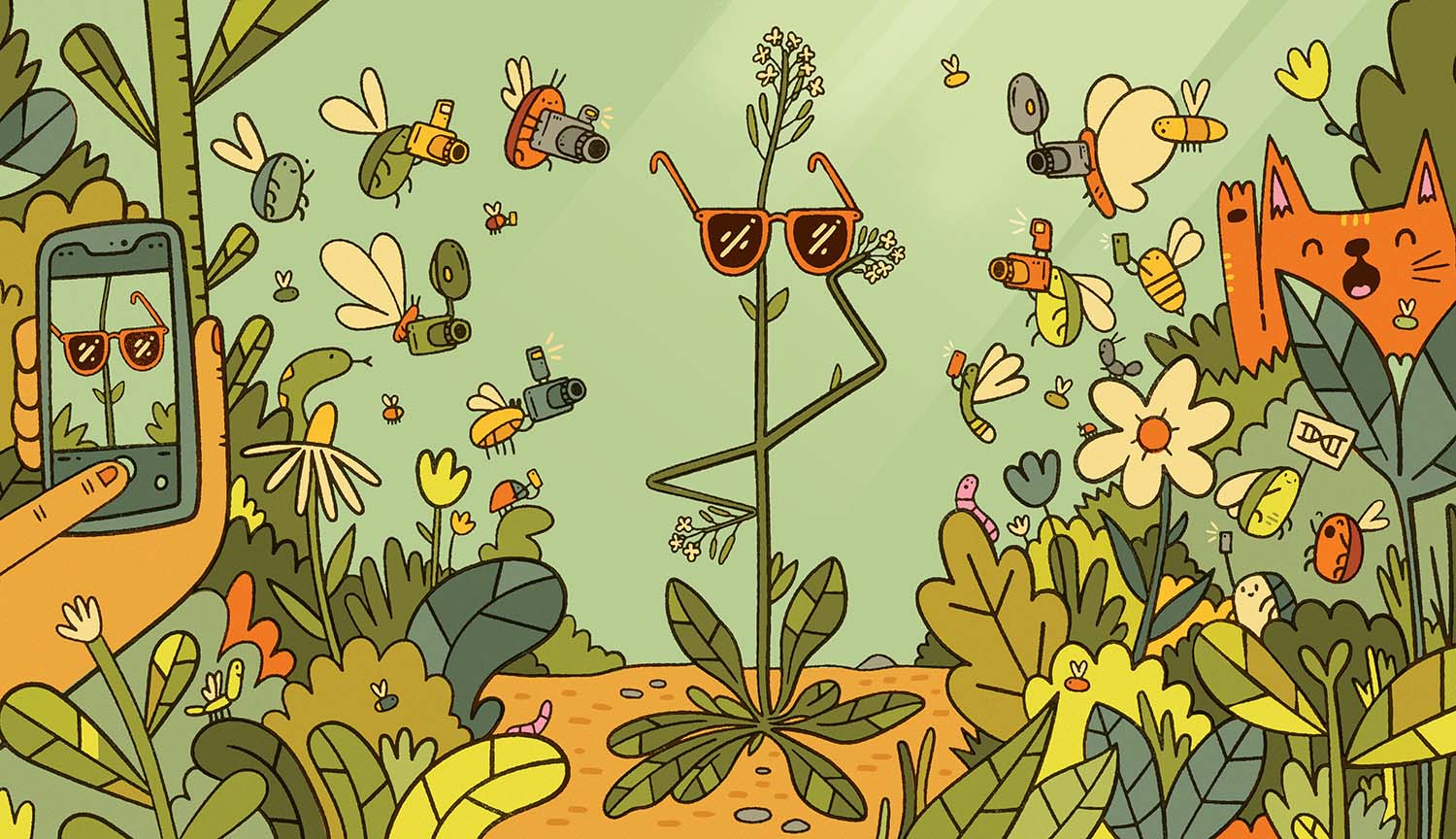
Arabidopsis thaliana was always an unlikely candidate for the limelight. But 25 years ago, the diminutive thale cress launched the botanical world into the molecular era.
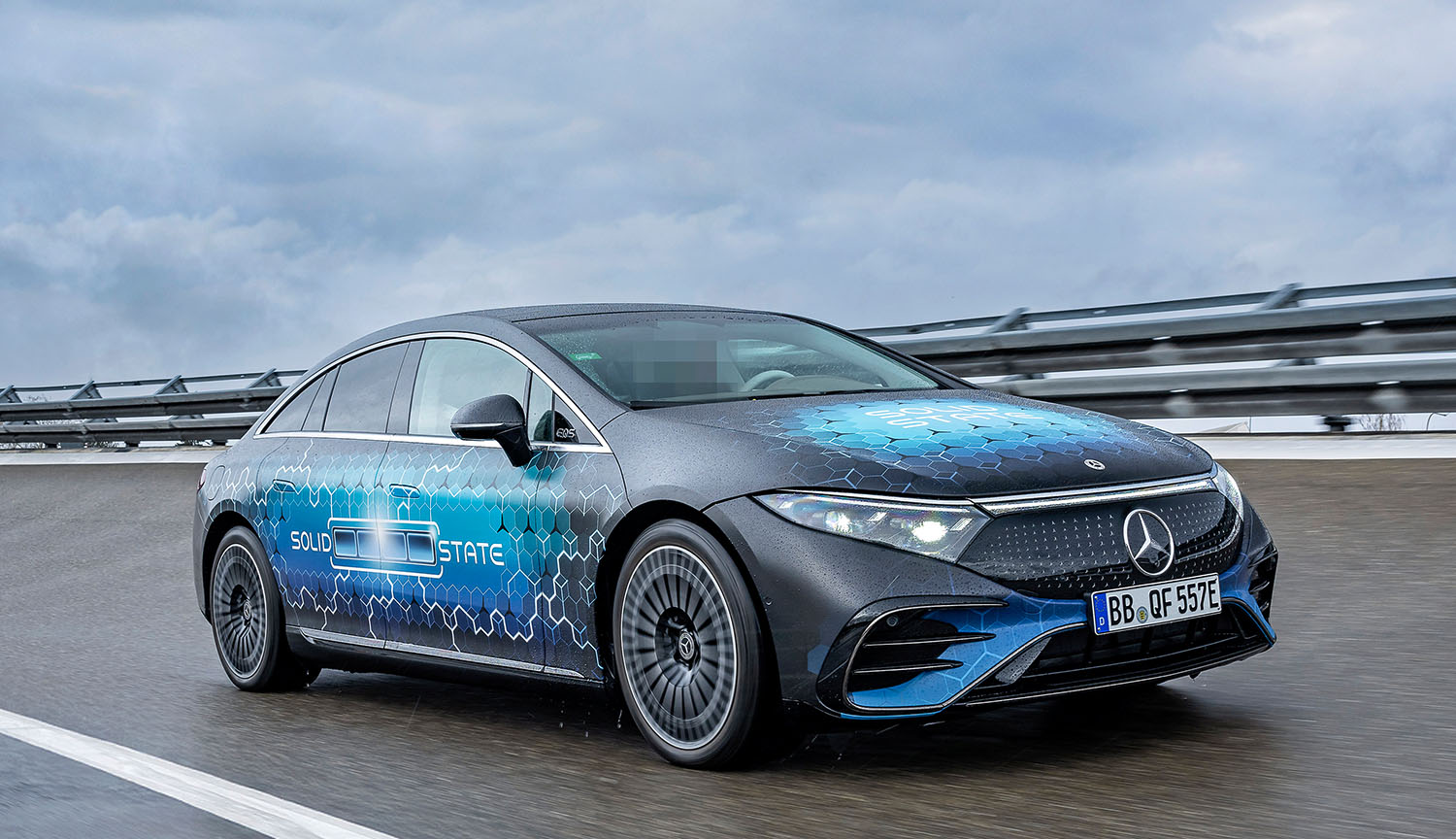
Superionic materials have spawned hope for a new generation of power packs for electric cars, with a promise of greater range, faster charges and more safety. But scaling up won’t be easy.
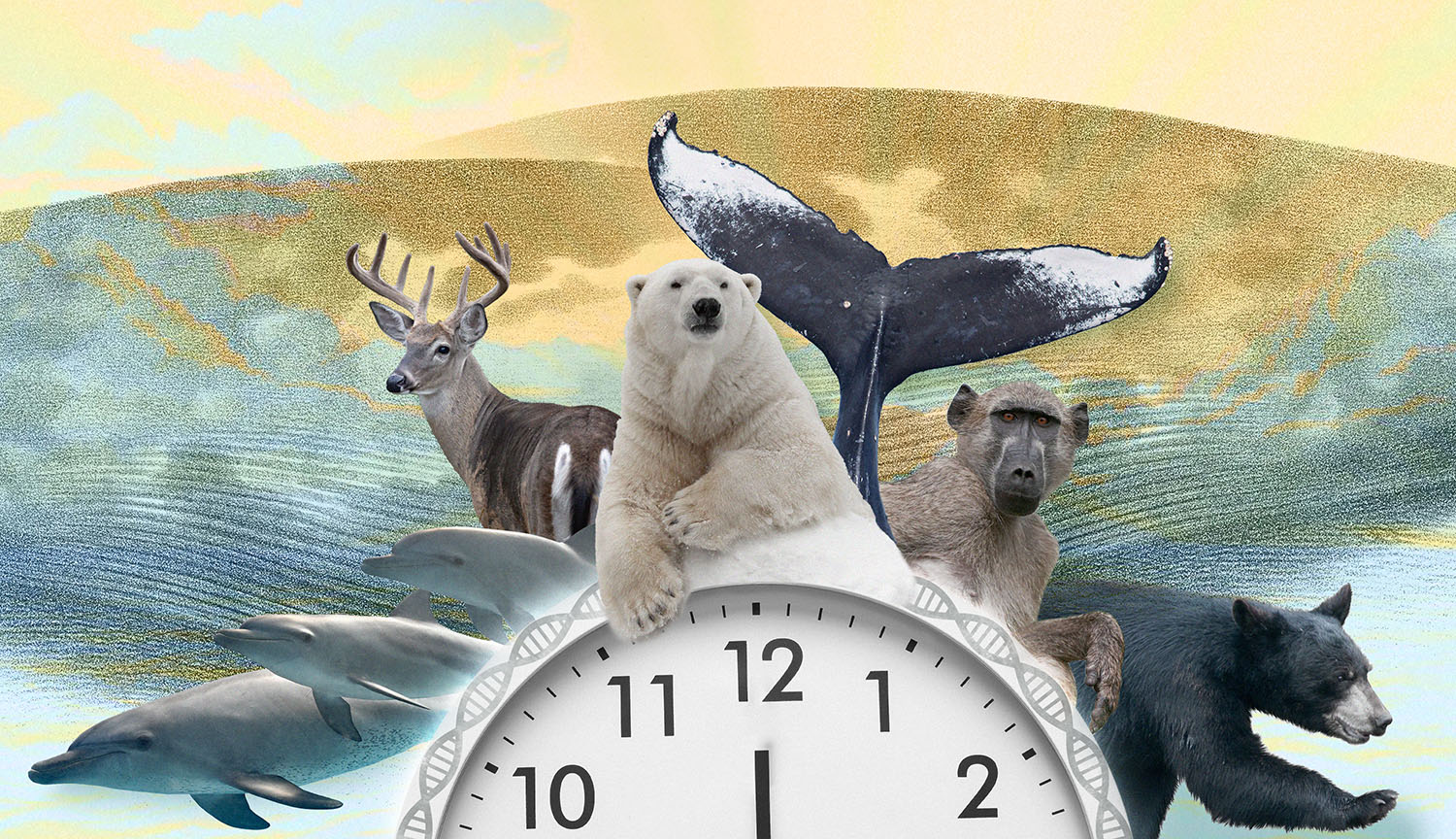
In polar bears, dolphins, baboons and more, molecular signatures of aging are changing how conservationists assess population health, resilience and risk
Dredging and pollution devastated the once-bountiful reefs. Careful science may help bring them back.
Close X
This is not a paywall.
Knowable Magazine is free to read. But just because our articles are free to read doesn’t mean they are free to produce. If you value our trustworthy science journalism, please support it with a donation.