cookies to track usage and preferences."
data-cookieaccepttext="I UNDERSTAND"
data-cookiedeclinetext="Disable Cookies"
data-cookiepolicytext="Privacy Policy">
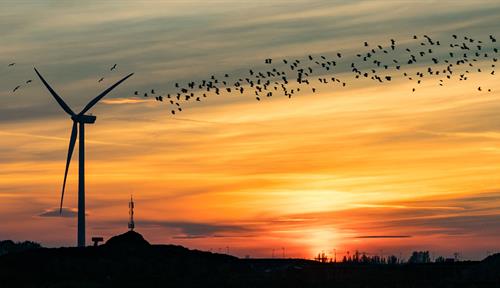
As wind power grows around the world, so does the threat the turbines pose to wildlife. From simple fixes to high-tech solutions, new approaches can help.
Scientists have been chasing the dream of harnessing the reactions that power the Sun since the dawn of the atomic era. Interest, and investment, in the carbon-free energy source is heating up.
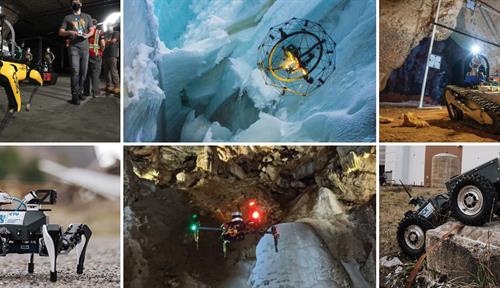
Deploying a motley crew of robots that can roll, walk and fly is a smart strategy for search-and-rescue operations — and so is trusting the machines to make decisions on the ground
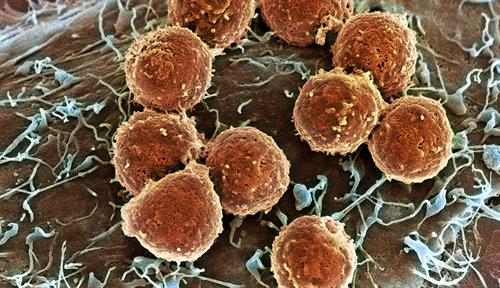
The pandemic put the technology, long in development, to the test. Here’s a look at the status of its application to cancer and when it might reach patients.
Paleogenomic research has expanded rapidly over the past two decades, igniting heated debate about handling remains. Who gives consent for study participants long gone — and who should speak for them today?
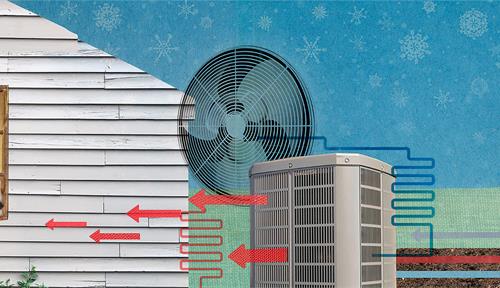
Innovative thinking has done away with problems that long dogged the electric devices — and both scientists and environmentalists are excited about the possibilities
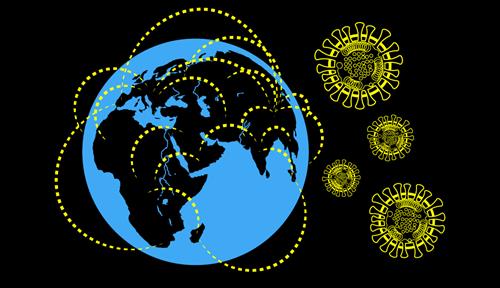
Some wavelengths of light in a range called far-UVC kill microbes in experiments and appear to be harmless to people. Could they be used to make indoor spaces safer against the coronavirus?
What would it take to create a truly intelligent microbot, one that can operate independently? A roboticist describes the fascinating minutiae and the medical jobs these tiny machines could do for us.
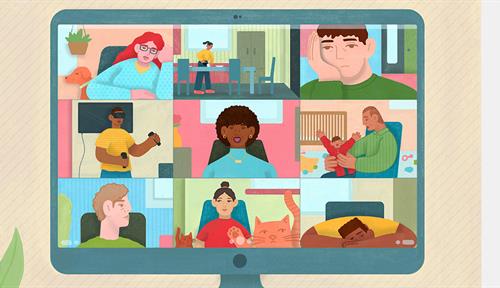
The pandemic has immersed us faster and deeper in immersive communication technologies. It’s a disrupted, confusing, sometimes exhausting world — but shifting both the tech and our expectations might make it a better one.
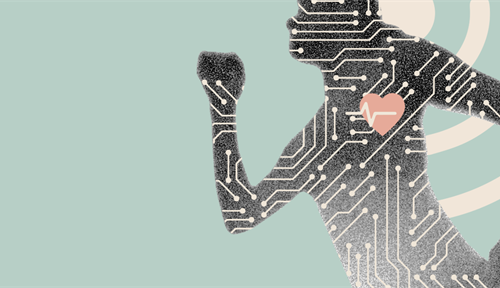
VIDEO: Wearable devices are increasingly used for tracking health data and identifying problems. Learn from health researchers about exploring the promise and pitfalls of personal tech.
OPINION: A neuroscientist says that he’s particularly worried about kids, who may have spent much of last year learning online. Some easy hacks can help.
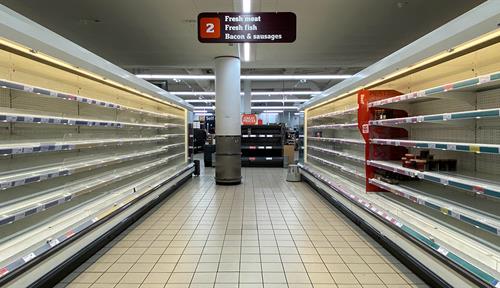
Covid-19 has been a stress test for the world’s food supply chains — and a preview of looming threats. That’s making efforts to improve the journey from farm to fork more urgent than ever.
Close X
This is not a paywall.
Knowable Magazine is free to read. But just because our articles are free to read doesn’t mean they are free to produce. If you value our trustworthy science journalism, please support it with a donation.