cookies to track usage and preferences."
data-cookieaccepttext="I UNDERSTAND"
data-cookiedeclinetext="Disable Cookies"
data-cookiepolicytext="Privacy Policy">
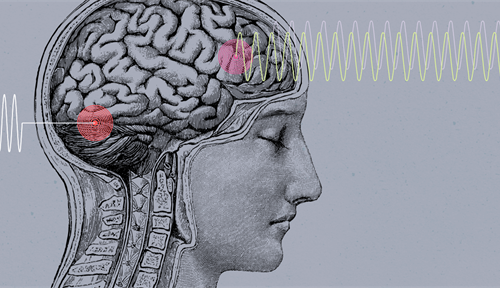
Ultrasound isn’t just for images. Sonogenetics and other promising technologies let researchers use focused sound waves to control genes and entire cells deep in the tissues of living animals, without surgery.
Scientists are working at breakneck speed to develop inexpensive tools that take only minutes to tell if someone is infected — a feat that could pave the way for a safer return to normalcy
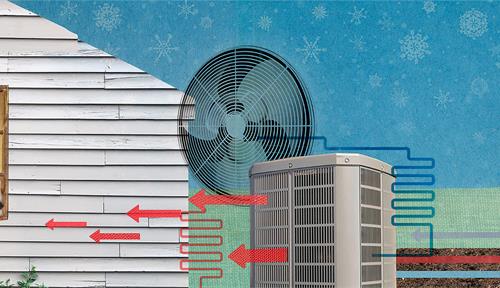
Innovative thinking has done away with problems that long dogged the electric devices — and both scientists and environmentalists are excited about the possibilities
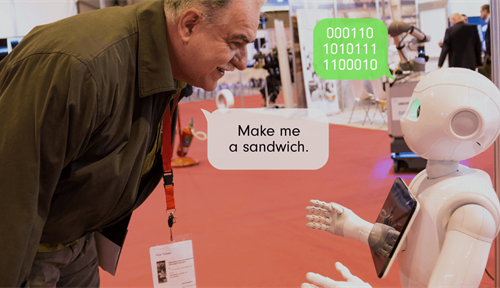
Machines might better understand our commands if they experienced our physical worlds, researchers say. That enhanced perception could sharpen their listening skills and improve performance.
The pandemic put the technology, long in development, to the test. Here’s a look at the status of its application to cancer and when it might reach patients.
In an evolving branch of forensic science, genealogists help solve crimes, sometimes identifying suspects with the DNA of distant relatives they’ve never met. As cold cases yield, concerns about privacy issues persist.
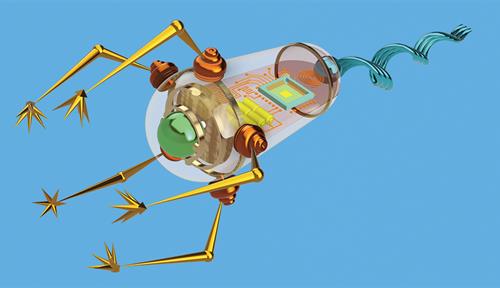
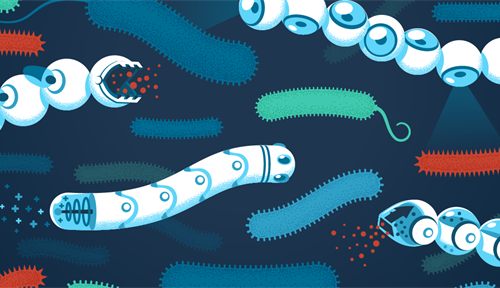
What would it take to create a truly intelligent microbot, one that can operate independently? A roboticist describes the fascinating minutiae and the medical jobs these tiny machines could do for us.
VIDEO: Wearable devices are increasingly used for tracking health data and identifying problems. Learn from health researchers about exploring the promise and pitfalls of personal tech.
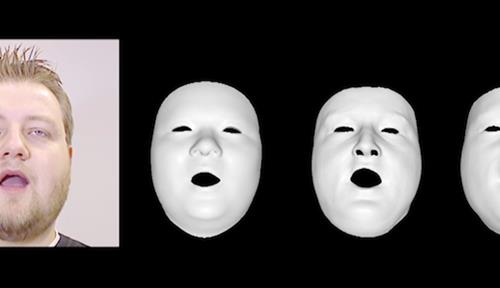
VIDEO: Doctored images, fake videos and computer-generated news are easier than ever to create and distribute. Here’s why you should worry and what you can do.
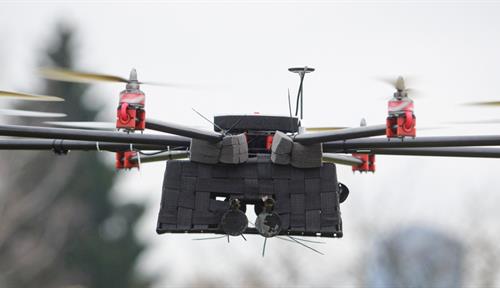
Airborne autonomous vehicles could soon be dropping off your Amazon packages, delivering your food and even ensuring that the infrastructure around you is safe and sound
A few hours here, a few hours there. At home, or somewhere else. Alternative work can be a great deal or it can leave you unprotected, as management scholar Lindsey Cameron explains in a Q&A.
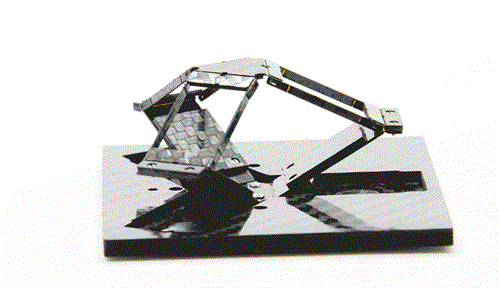
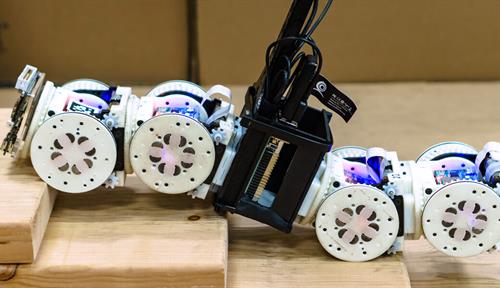
Robot researcher Mark Yim offers a look inside the promising field of modular reconfigurable robotics — bots that can shift form to tackle an array of tasks
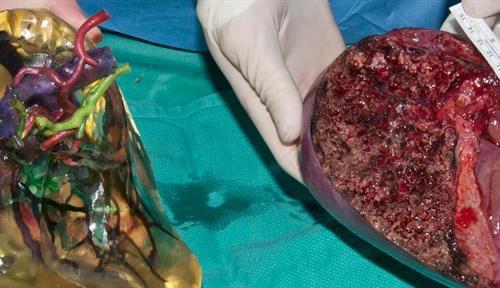
Genetic advances may make it possible to grow transplantable tissues in other species. That could solve immunity and availability issues, but raises ethical concerns.
PODCAST: Once fringe and futuristic, this renewable energy shines brightly today as a cheap and efficient source of energy. Still, it remains controversial — for much different reasons. (Season 1/Episode 3)
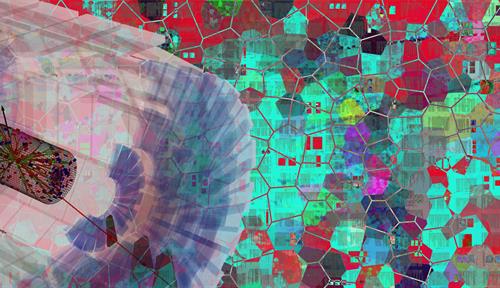
Machine learning has found uses in fields as diverse as particle physics and radiology, and its influence is growing. But so is the understanding of its limits.
Scientists have been chasing the dream of harnessing the reactions that power the Sun since the dawn of the atomic era. Interest, and investment, in the carbon-free energy source is heating up.
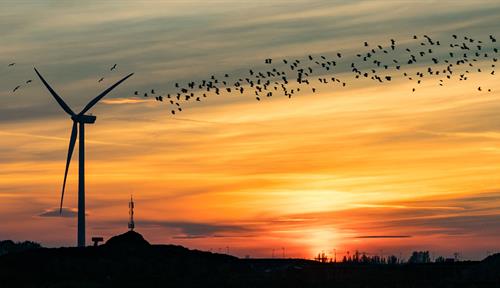
As wind power grows around the world, so does the threat the turbines pose to wildlife. From simple fixes to high-tech solutions, new approaches can help.
It all starts with a community teeming with yeasts and bacteria — but what’s really happening? Scientists peer into those jars on the kitchen counter to find out.
OPINION: A neuroscientist says that he’s particularly worried about kids, who may have spent much of last year learning online. Some easy hacks can help.
Paleogenomic research has expanded rapidly over the past two decades, igniting heated debate about handling remains. Who gives consent for study participants long gone — and who should speak for them today?
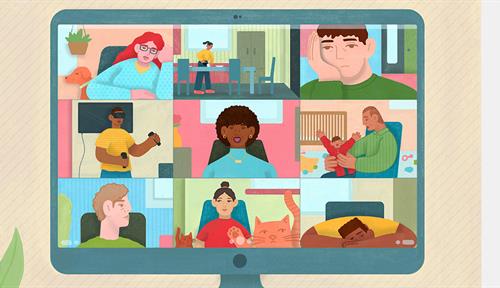
The pandemic has immersed us faster and deeper in immersive communication technologies. It’s a disrupted, confusing, sometimes exhausting world — but shifting both the tech and our expectations might make it a better one.
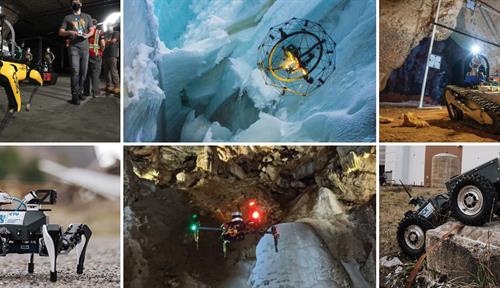
Deploying a motley crew of robots that can roll, walk and fly is a smart strategy for search-and-rescue operations — and so is trusting the machines to make decisions on the ground
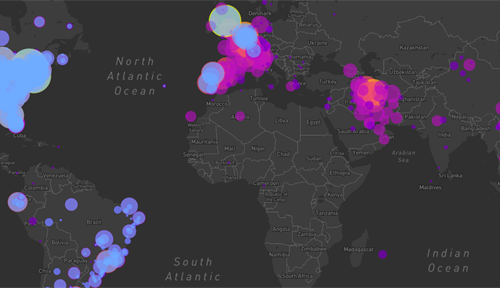
Social media posts and online searches may offer vital clues about the spread of influenza — and now Covid-19. But they also risk errors and threaten privacy.
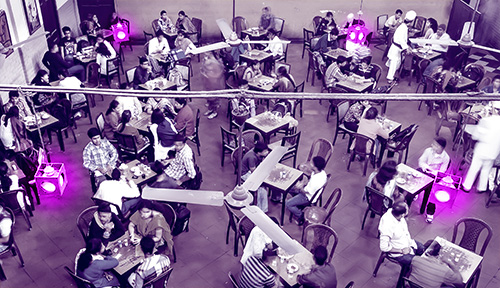
Some wavelengths of light in a range called far-UVC kill microbes in experiments and appear to be harmless to people. Could they be used to make indoor spaces safer against the coronavirus?
Traffic planners, securities traders and military strategists all use it. Simulating the behavior of millions of idiosyncratic individuals also may be the best way to understand complex phenomena like pandemics.
Close X
This is not a paywall.
Knowable Magazine is free to read. But just because our articles are free to read doesn’t mean they are free to produce. If you value our trustworthy science journalism, please support it with a donation.