cookies to track usage and preferences."
data-cookieaccepttext="I UNDERSTAND"
data-cookiedeclinetext="Disable Cookies"
data-cookiepolicytext="Privacy Policy">
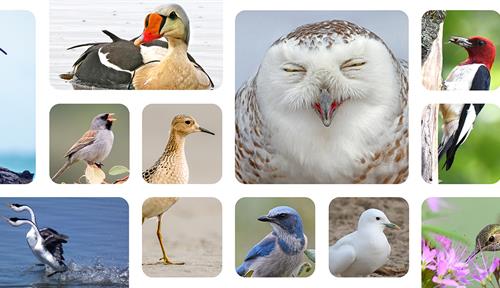
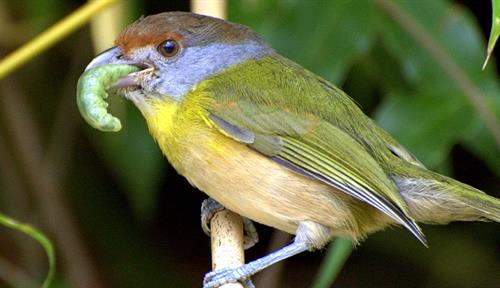
Rich data on the global state of our feathered friends presents plenty of bad news — but also some bright spots. Researchers know better than ever how to help endangered birds, and there are notable bird conservation successes.
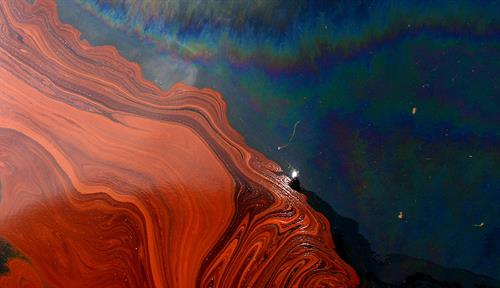
Decades of exploring the seafloor have helped oceanographer Samantha Joye tackle marine issues — from the underwater movement of oil from Deepwater Horizon to the biology of remote microbial communities
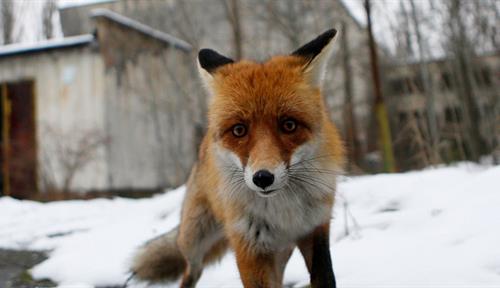
Is Chernobyl a radioactive wasteland reeling from chronic radiation, or a post-nuclear paradise with thriving populations of animals and other life forms? Studies don’t always agree about levels of mutations and other ill effects.
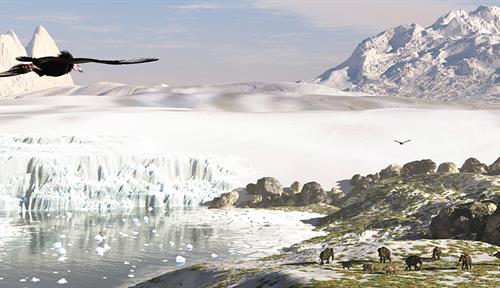
PODCAST: Digging — quite literally — into our planet’s past to study its paleoclimate has shed light on bygone ice ages and hints at trouble ahead for our now-warming world (Season 2/Episode 4)
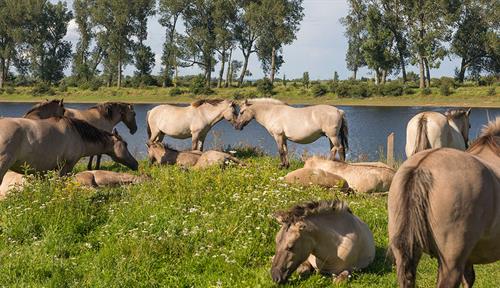
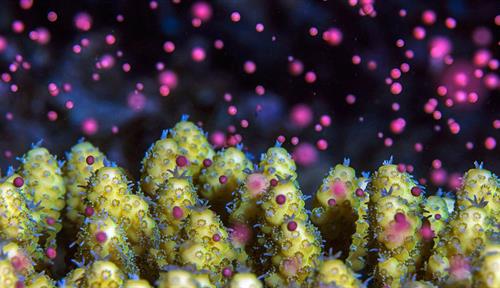
Many sea creatures release eggs and sperm into the water on just the right nights of the month. Researchers are starting to understand the biological rhythms that sync them to phases of the moon.
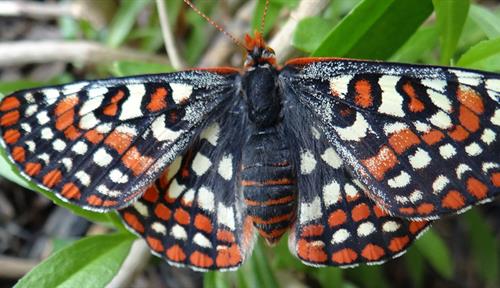
How do animal populations respond to climate change? After studying the same butterfly and its habitats for decades, two biologists explain that it’s complicated — but endlessly intriguing.
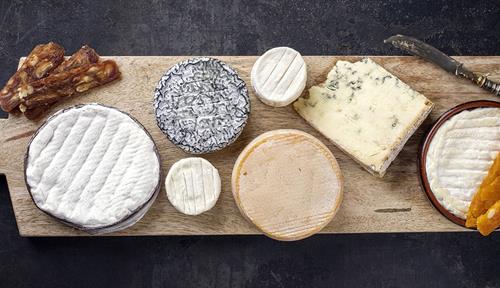
Cheese is not just a tasty snack — it’s an ecosystem. And the fungi and bacteria within that ecosystem play a big part in shaping the flavor and texture of the final product.
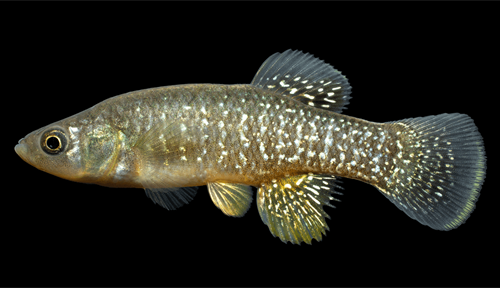
Where other species succumbed, the killifish survived contaminated habitats. It’s a finding that could help researchers understand environmental risk factors for humans.
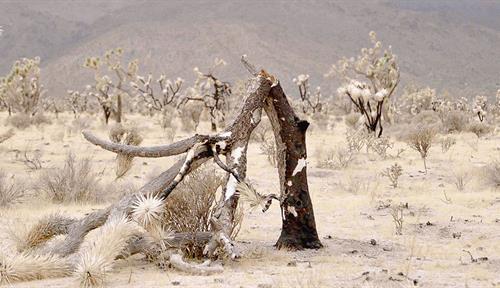
VIDEO: In August 2020, the Dome Fire burned more than 40,000 acres of the iconic species’ range in the Mojave Desert, leaving a graveyard of blackened trees. A massive replanting effort now underway hopes to return life to the fragile ecosystem by boosting numbers of the climate-threatened plant.
Close X
This is not a paywall.
Knowable Magazine is free to read. But just because our articles are free to read doesn’t mean they are free to produce. If you value our trustworthy science journalism, please support it with a donation.