cookies to track usage and preferences."
data-cookieaccepttext="I UNDERSTAND"
data-cookiedeclinetext="Disable Cookies"
data-cookiepolicytext="Privacy Policy">
What helps some people diagnosed with cancer, heart disease or diabetes stay relatively happy and healthy, while others are devastated? Psychologist Vicki Helgeson explains the traits and mindsets that can make the difference.
The pandemic put the technology, long in development, to the test. Here’s a look at the status of its application to cancer and when it might reach patients.
It’s a hot topic under political debate: providing cash grants as a social safety net. Small programs hint at how it might work — or not — on a national scale.
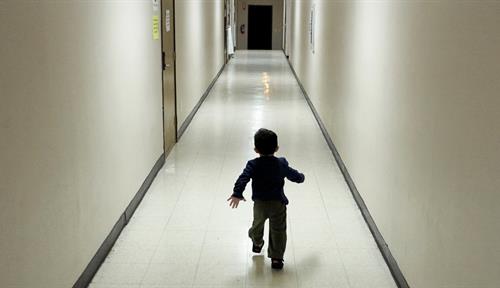
War, disasters, trafficking and immigration are tearing millions of children from their parents all around the world. A psychologist explores how to help them recover.
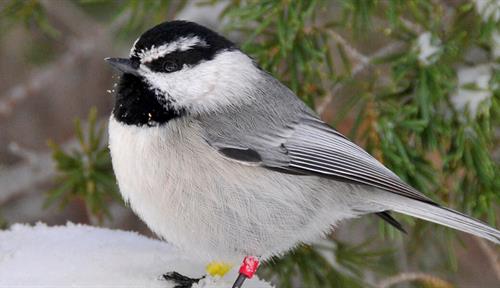
In winter, the birds must remember where they’ve hidden tens of thousands of seeds. Biologist Vladimir Pravosudov explains what this can teach us about how the brain evolves.
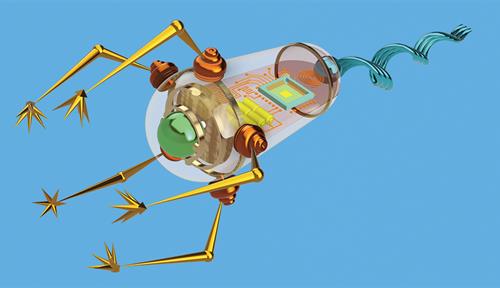
What would it take to create a truly intelligent microbot, one that can operate independently? A roboticist describes the fascinating minutiae and the medical jobs these tiny machines could do for us.
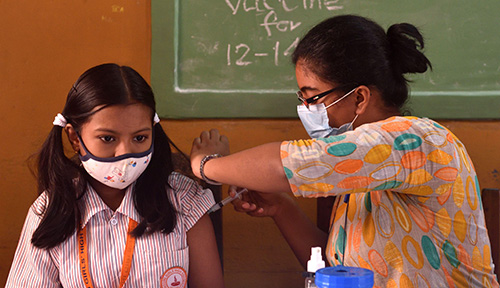
Lower-income countries haven’t gotten an equal share of lifesaving coronavirus vaccines. Older, more familiar vaccine technologies may hold the key to more equitable use, says Maria Elena Bottazzi.
Alcohol-drenched medieval battlefields. Opium-laced imperialism. Modern-day narco-terrorism. There’s a lot of history between armed conflict and psychoactive substances.
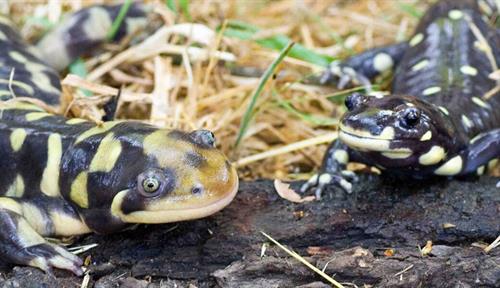
The giant genomes of these struggling amphibians tell a story of outsider invasions, assault by disease and cross-species sex. A geneticist explains.
Close X
This is not a paywall.
Knowable Magazine is free to read. But just because our articles are free to read doesn’t mean they are free to produce. If you value our trustworthy science journalism, please support it with a donation.