cookies to track usage and preferences."
data-cookieaccepttext="I UNDERSTAND"
data-cookiedeclinetext="Disable Cookies"
data-cookiepolicytext="Privacy Policy">
Our mark on Earth is so profound that some argue it’s time to bid goodbye to the current geological time period — the Holocene — in favor of a new one: the Anthropocene.
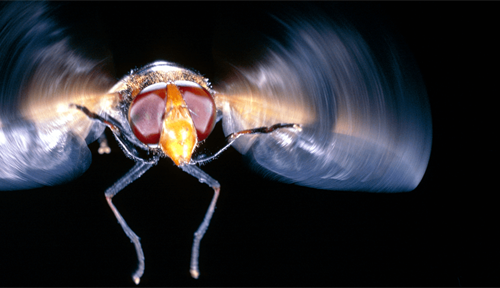
It’s not easy to find the source of a swirling scent plume. Scientists are using experiments and simulations to uncover the varied strategies that animals employ.
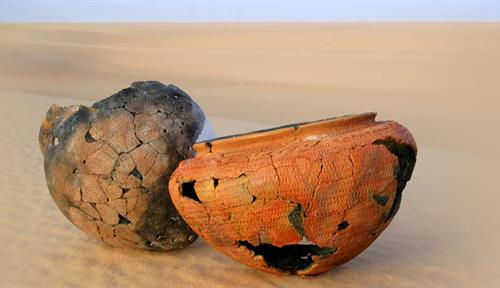
Remnants of molecules and microbes in shards of cooking pots help researchers reconstruct prehistoric cuisines. On the menu: stews, cheese and fermented drinks.
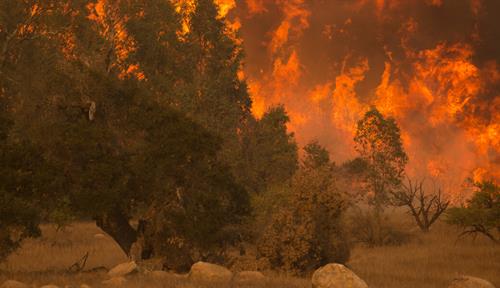
VIDEO: Megafires, which burn over 100,000 acres, can cause catastrophic damage. Researchers are studying fire behavior in the lab and in the field in order to fight these flames more effectively.
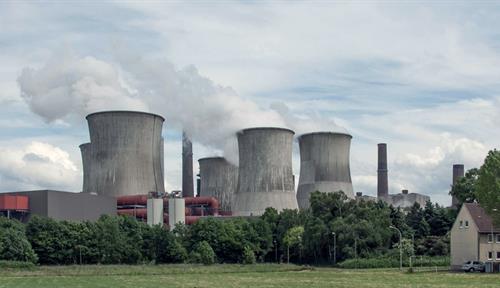
To slow or stop global warming, the world agrees it must cut carbon dioxide emissions. But monitoring each nation’s output of greenhouse gases is not always straightforward.
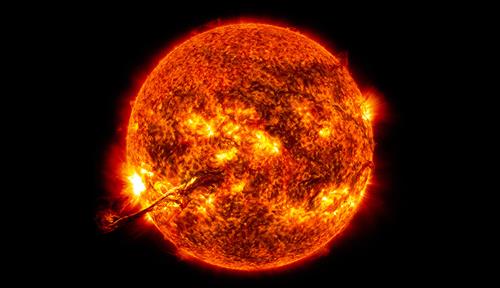
Recasting the iconic Carrington Event as just one of many superstorms in Earth’s past, scientists reveal the potential for even more massive, and potentially destructive, eruptions from the sun
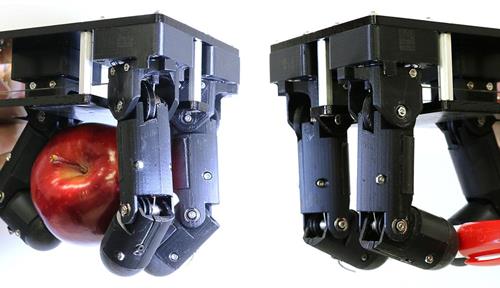
We can readily manipulate all kinds of objects; for them, versatility is a huge struggle. They need better mechanics — and a lot more of the intelligence that goes into handling things.
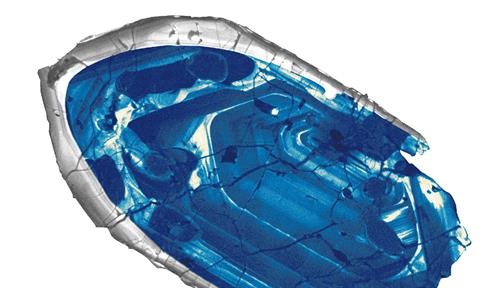
Crystals of the mineral zircon are rugged enough to survive the most violent geologic events. Impurities within them provide a time capsule of planetary history.
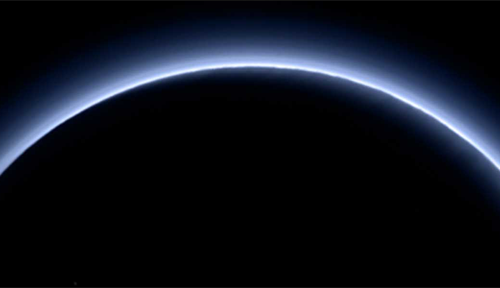
Three years since New Horizons’ pioneering flyby, scientists consider how the probe has revolutionized our understanding of the dwarf planet’s atmosphere and mega-seasons
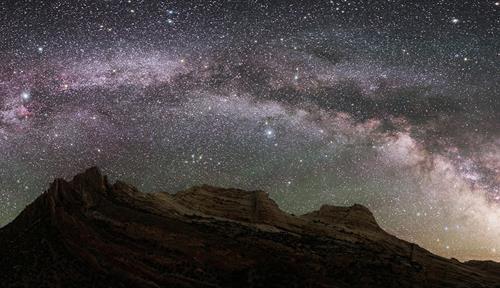
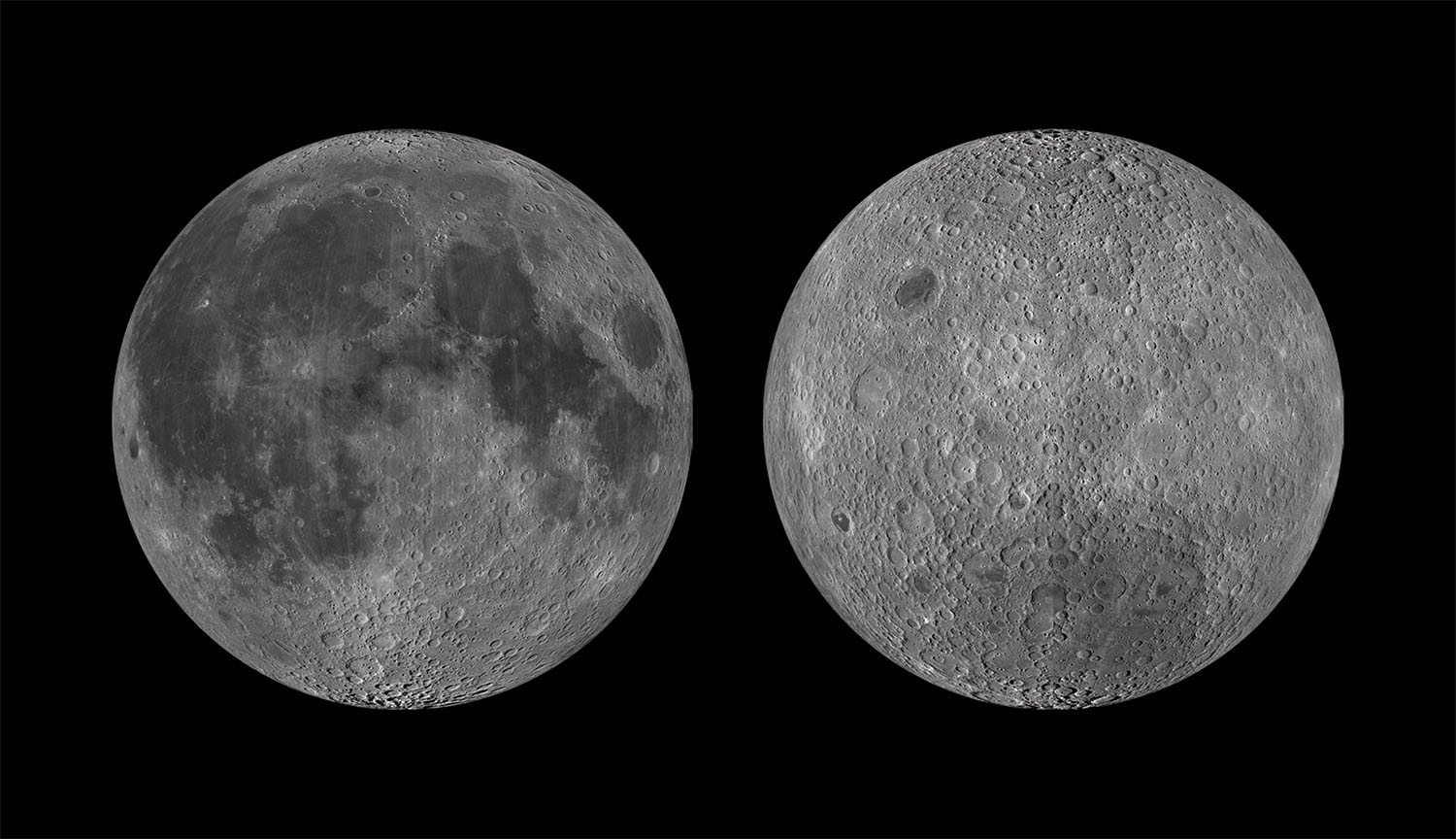
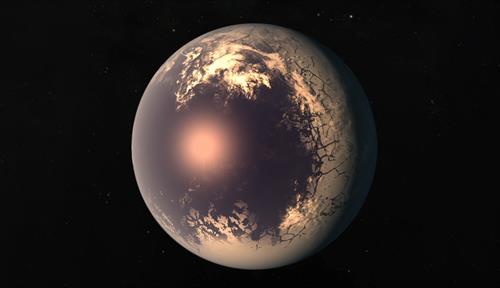
Tidally locked worlds are places of extremes. On one side it’s an endless day, the other a perpetual night. Yet scientists speculate that some may harbor conditions that could support life.
Scientists are working to map out the risks of the permafrost thaw, which could expose millions of people to the invisible cancer-causing gas
Close X
This is not a paywall.
Knowable Magazine is free to read. But just because our articles are free to read doesn’t mean they are free to produce. If you value our trustworthy science journalism, please support it with a donation.