cookies to track usage and preferences."
data-cookieaccepttext="I UNDERSTAND"
data-cookiedeclinetext="Disable Cookies"
data-cookiepolicytext="Privacy Policy">
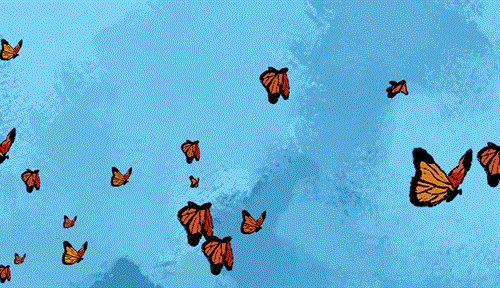
COMIC: The feisty orange-black butterfly uses a toolbox of biological tricks to find its way down to Mexico for winter and flap north again in spring. Here’s how scientists figured out those tricks — and what they don’t yet understand.
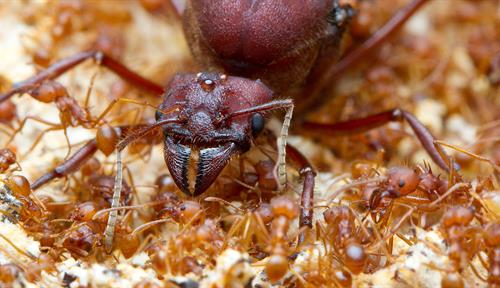
Social insects disobey evolutionary principles that say creatures invest in body maintenance or reproduction — not both. Scientists want to know how the creatures do it.
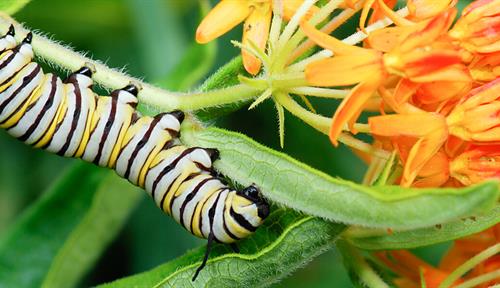
By engineering mutations into fruit flies, scientists reconstructed how the butterflies may have evolved resistance to the toxins found in milkweed, allowing their caterpillars to feast on the plant
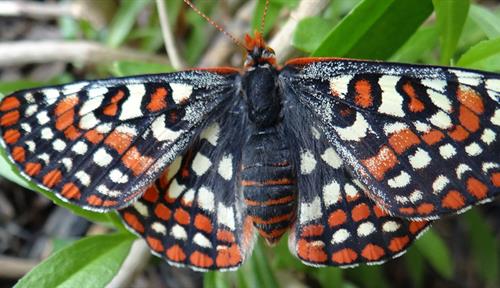
How do animal populations respond to climate change? After studying the same butterfly and its habitats for decades, two biologists explain that it’s complicated — but endlessly intriguing.
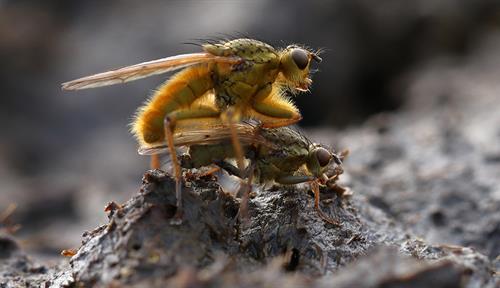
Fifty years ago, Geoff Parker’s pioneering scholarship on “sperm competition” in insects was broadly overlooked. Since those days, hundreds of studies in many animals have confirmed the importance of what he discovered while watching flies mate around cow pats.
These stealthy survival tactics could teach us how to curb the widespread use of chemical pesticides in agriculture. But first, researchers must learn how seemingly helpless flora deploy this masterful strategy.
Social insects and humans share the trait of divvying up tasks, as do some fish. Researchers find that it emerges naturally, and it often doesn’t take a boss to keep things in order.
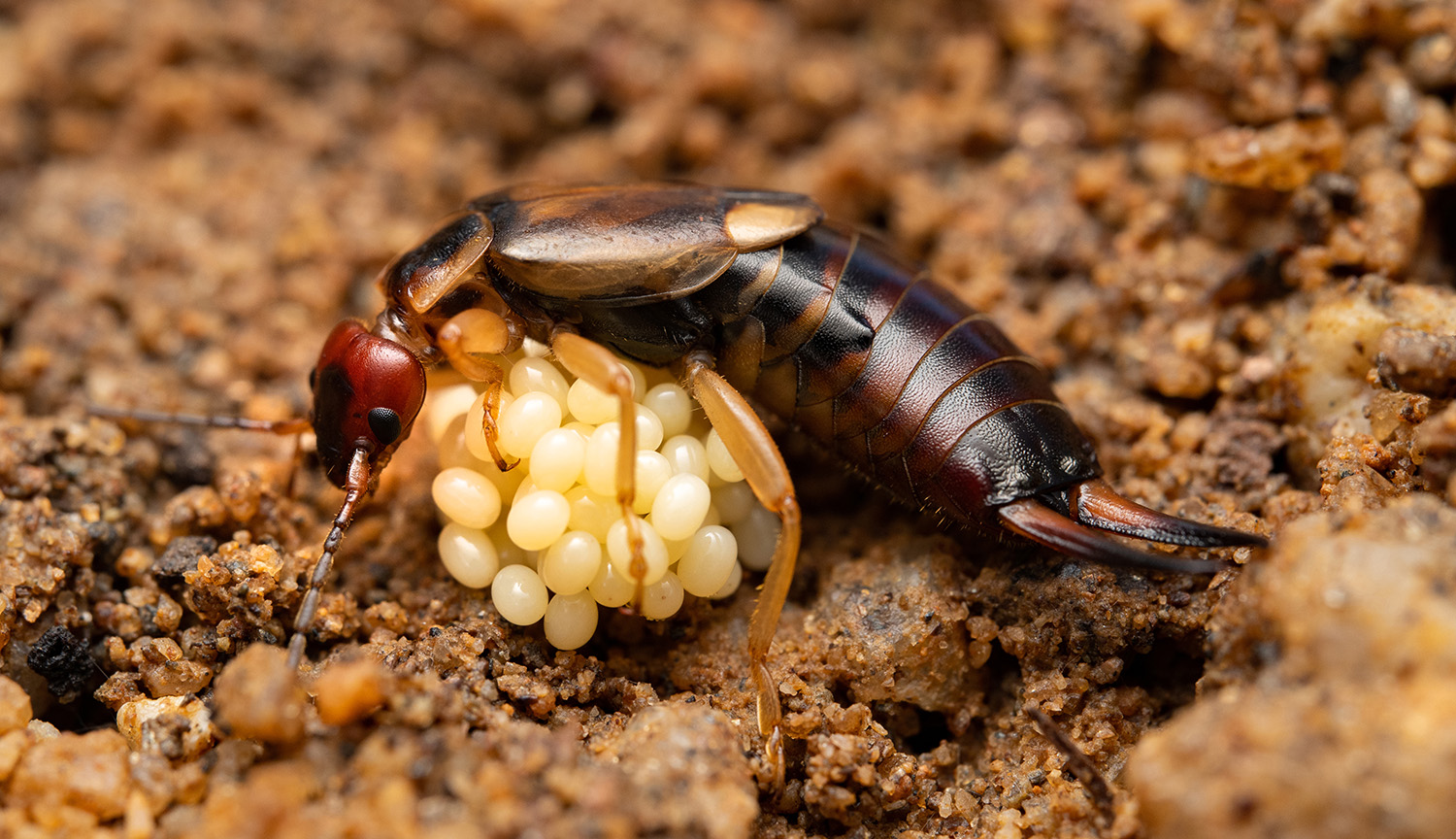
Elaborate courtship, devoted parenthood, gregarious nature (and occasional cannibalism) — earwigs have a lot going for them
Close X
This is not a paywall.
Knowable Magazine is free to read. But just because our articles are free to read doesn’t mean they are free to produce. If you value our trustworthy science journalism, please support it with a donation.