cookies to track usage and preferences."
data-cookieaccepttext="I UNDERSTAND"
data-cookiedeclinetext="Disable Cookies"
data-cookiepolicytext="Privacy Policy">
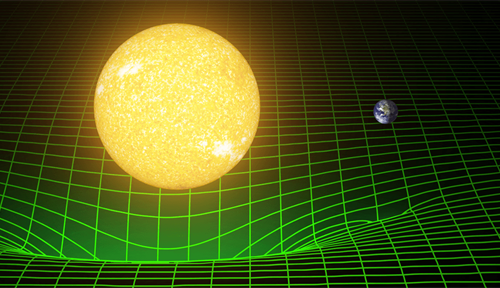
PODCAST: Not that long ago, scientists found evidence that our Sun wasn’t unique — other stars have their own orbiting bodies. It was a discovery centuries in the making. What does this mean for Earth today and our place in the universe? (Season 2/Episode 2)
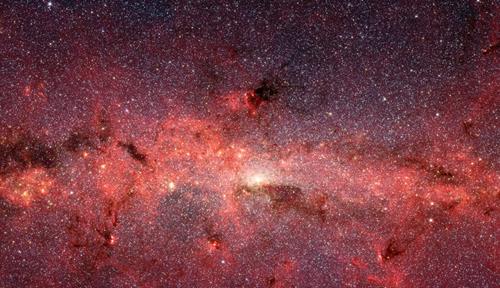
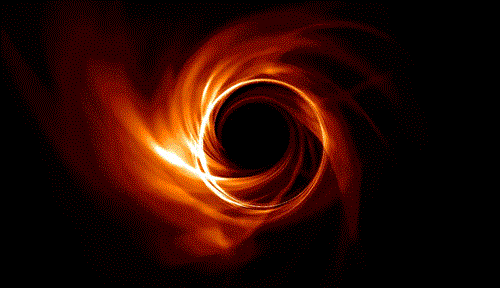
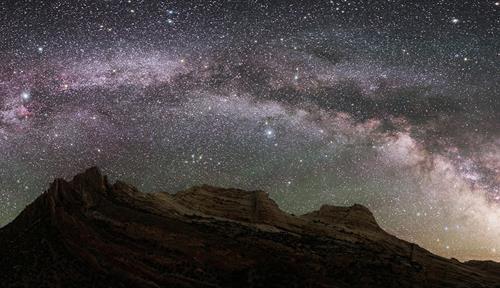
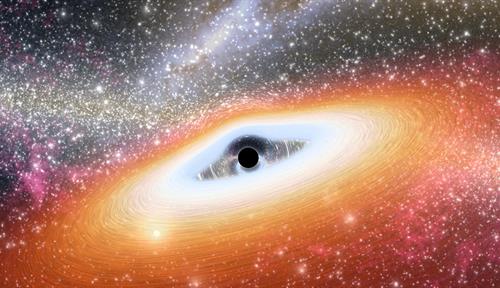
The massive object at the galaxy’s center is invisible. But this year’s picture of the swirling plasma around its edges will help to reveal more about the galaxy’s history and evolution.
Compounds with noble gases don’t form naturally on Earth. But in the interstellar medium, they are helping scientists probe the history of the universe.
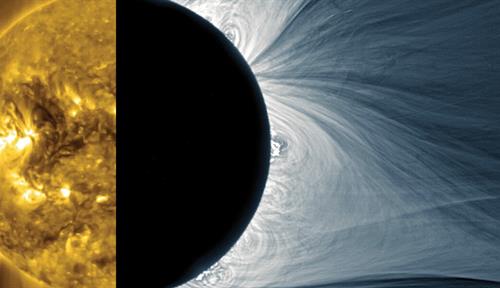
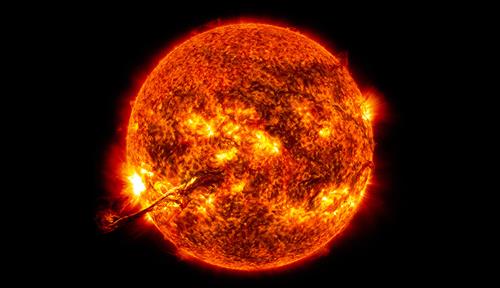
Recasting the iconic Carrington Event as just one of many superstorms in Earth’s past, scientists reveal the potential for even more massive, and potentially destructive, eruptions from the sun
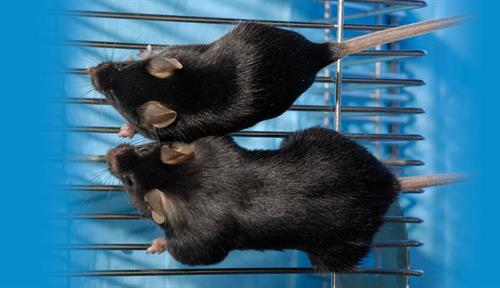
Researchers helped mice stay mighty with an experiment to counter the effects of microgravity. The gene treatment might also enhance muscle and bone health on Earth — and in humans.
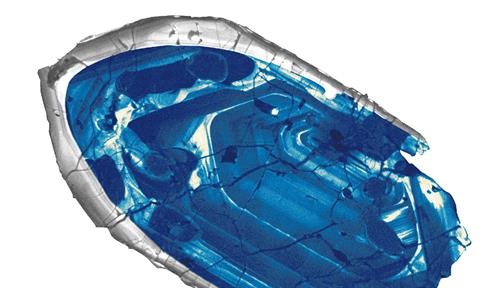
Crystals of the mineral zircon are rugged enough to survive the most violent geologic events. Impurities within them provide a time capsule of planetary history.
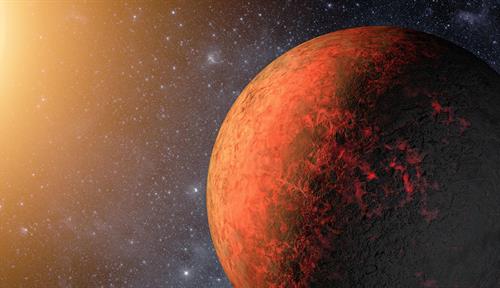
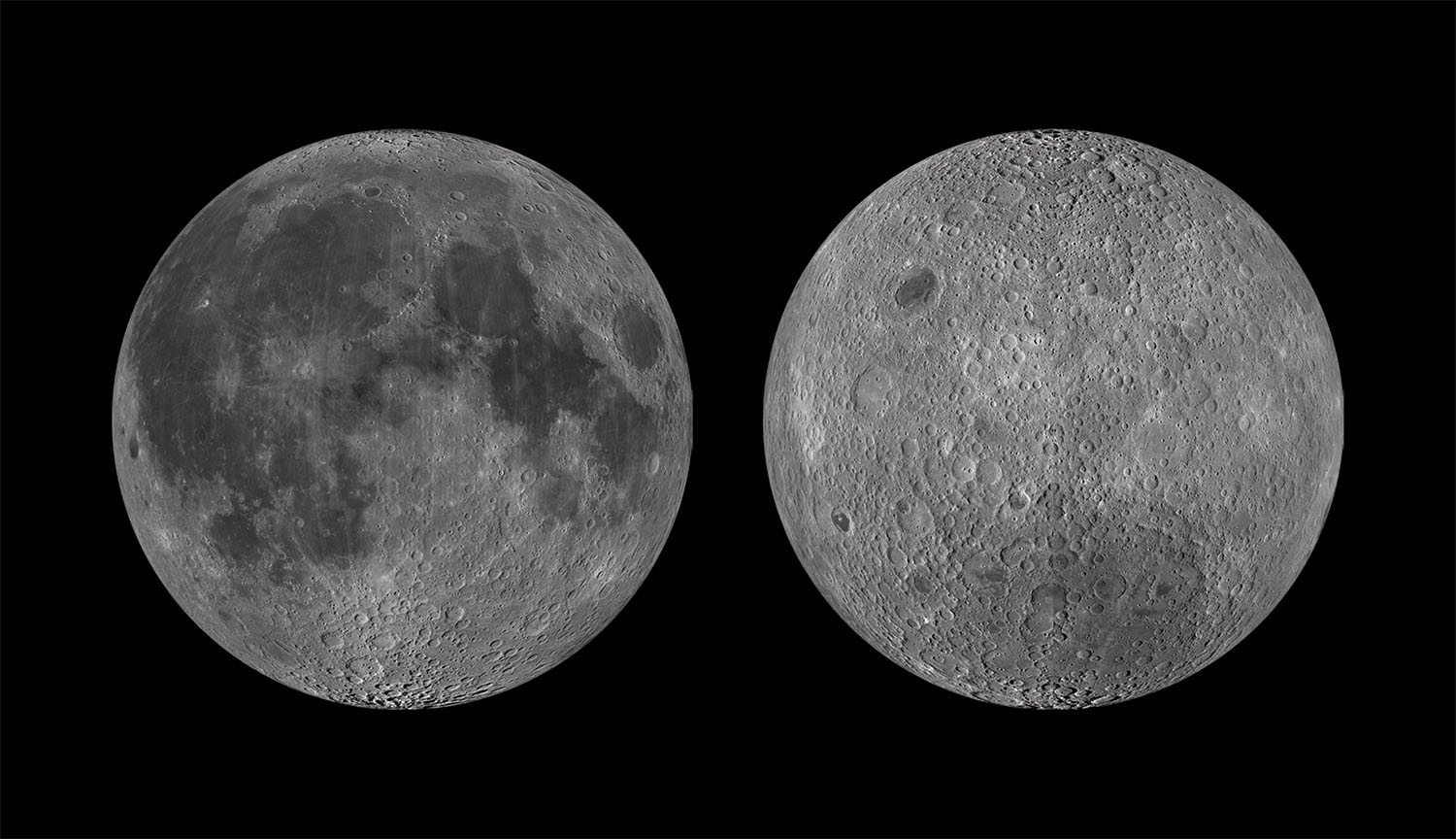
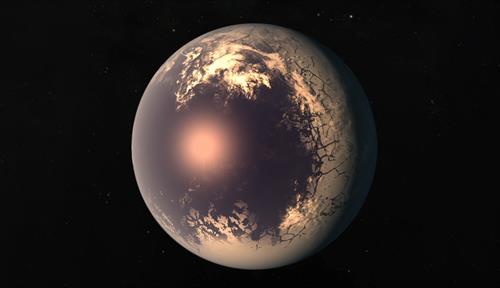
Tidally locked worlds are places of extremes. On one side it’s an endless day, the other a perpetual night. Yet scientists speculate that some may harbor conditions that could support life.
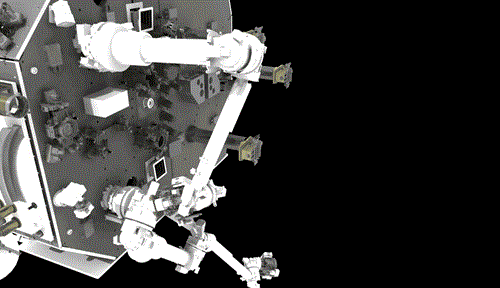
Machines that grip, grapple and maneuver will soon have their go at maintaining the fleet of small spacecraft that encircle Earth
Close X
This is not a paywall.
Knowable Magazine is free to read. But just because our articles are free to read doesn’t mean they are free to produce. If you value our trustworthy science journalism, please support it with a donation.