cookies to track usage and preferences."
data-cookieaccepttext="I UNDERSTAND"
data-cookiedeclinetext="Disable Cookies"
data-cookiepolicytext="Privacy Policy">
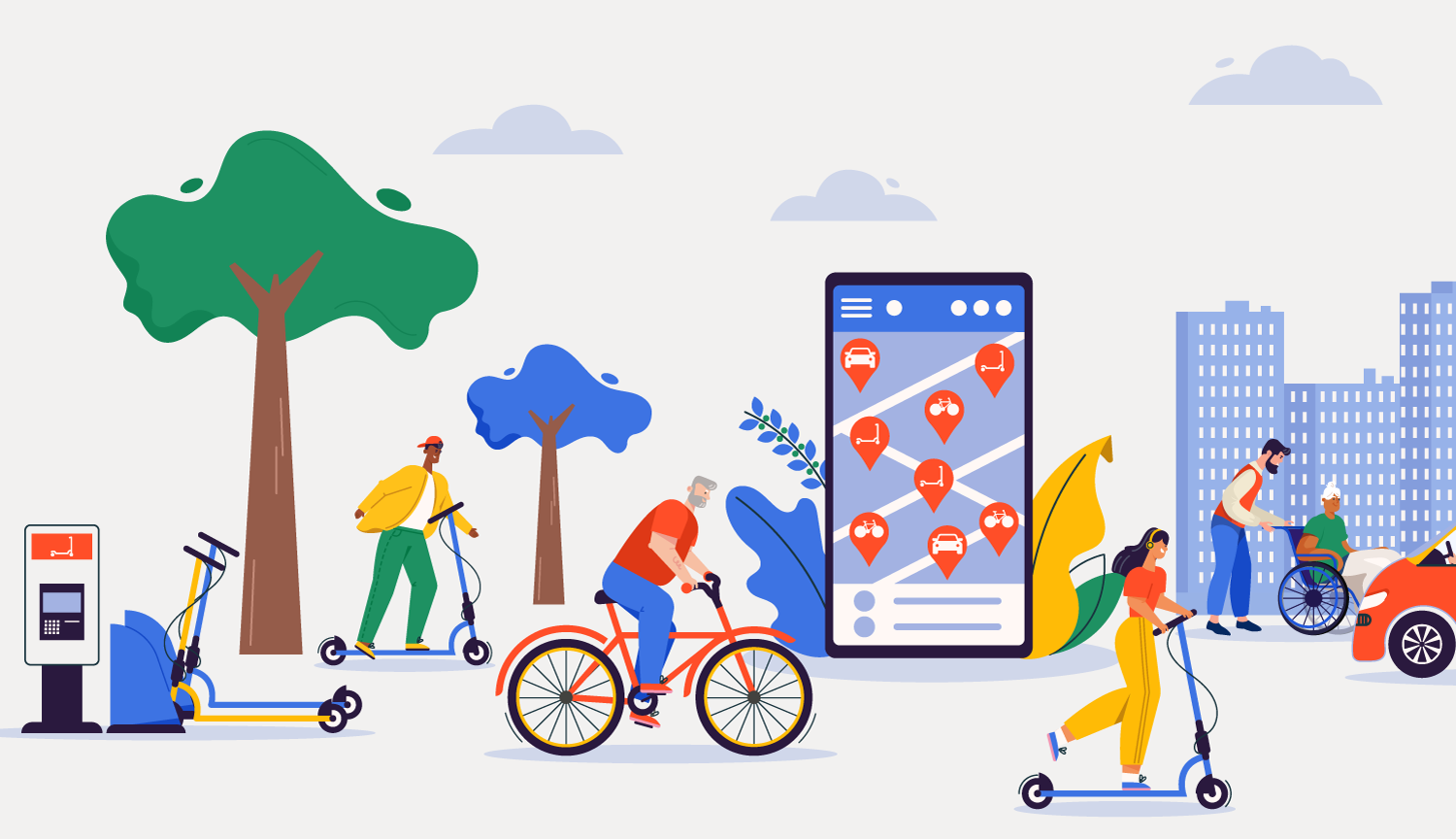
Carshares, bikeshares and the like are a positive for the environment, though access to them isn’t equal. What can be done to give everyone more transportation options?
An international treaty aims to bring the shipping industry to net-zero emissions by around 2050. Can novel fuels, wind power and coordination on a global scale get it there?
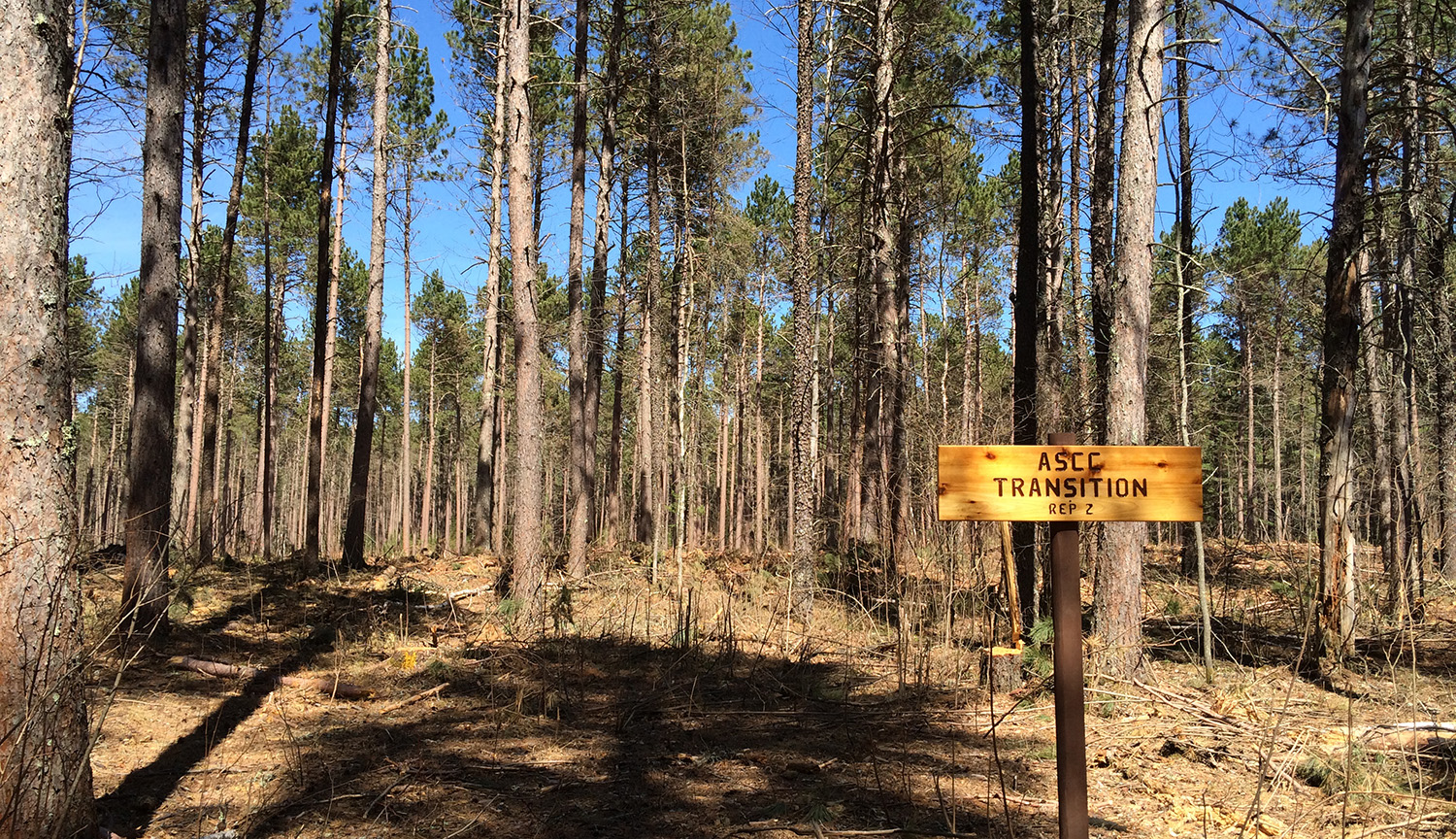
As the world warms, trees in forests such as those in Minnesota will no longer be adapted to their local climates. That’s where assisted migration comes in.
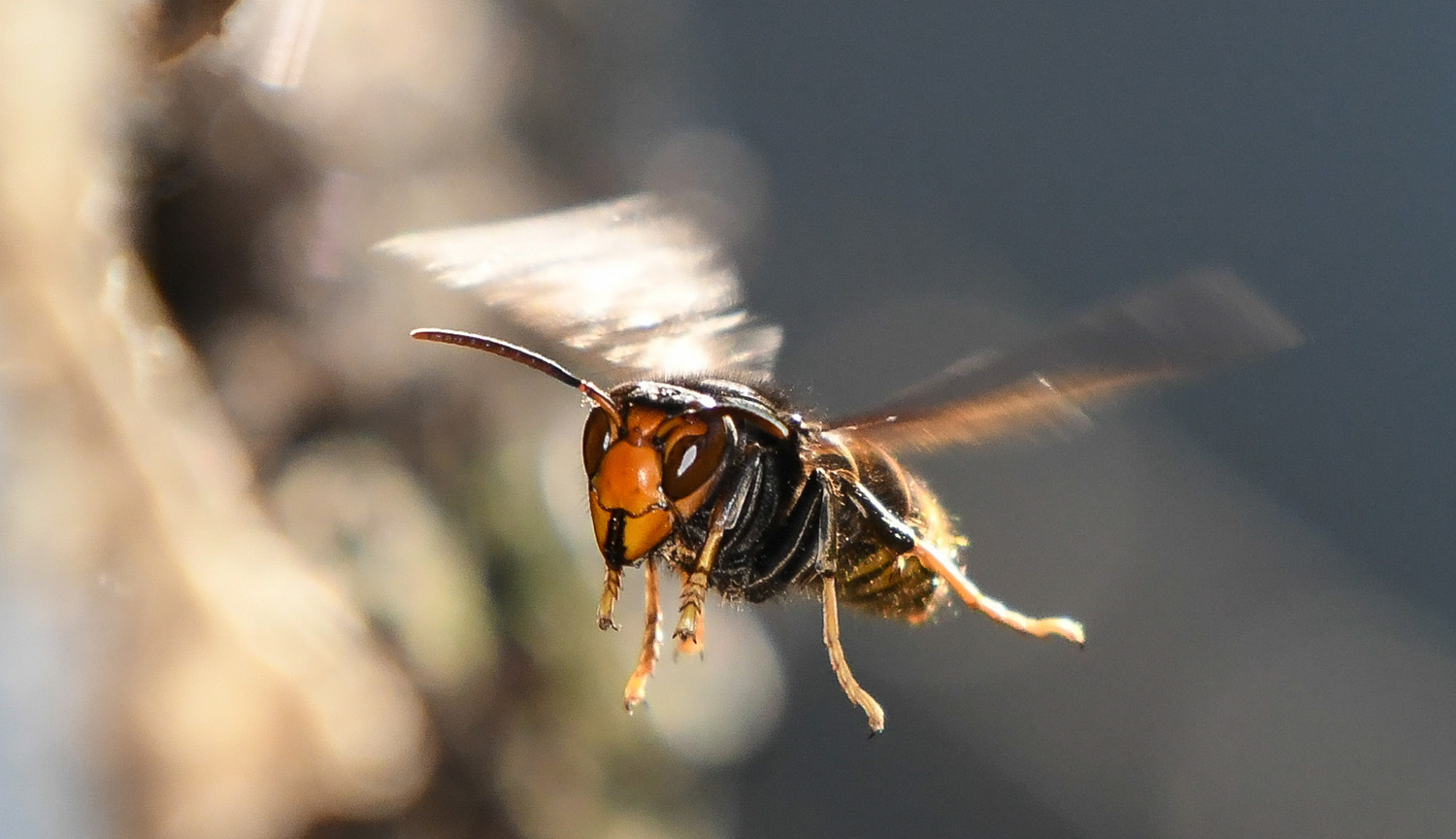
An invasive yellow-legged wasp has been decimating beehives in Europe — and bedeviling Georgia since last summer. Researchers are working nest by nest to limit the threat while developing better eradication methods.
We need new fuels to transport people and goods around the globe as society moves away from coal, natural gas and oil. Here’s how things are shaping up.
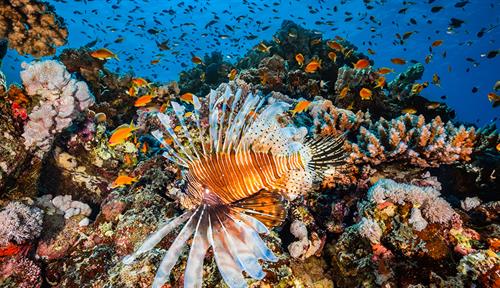
Plants and animals are evolving in cities around the world — offering ways to study longstanding scientific questions and clues to where climate change is taking us
These carbon-hoarding, coastline-protecting forests are sponges for greenhouse gases. Doing plantings right and involving local communities are key to saving them.
Is nuclear power a necessary part of the energy transition away from fossil fuels? As the debate rages on, new technologies and smaller reactors may be shifting the balance.
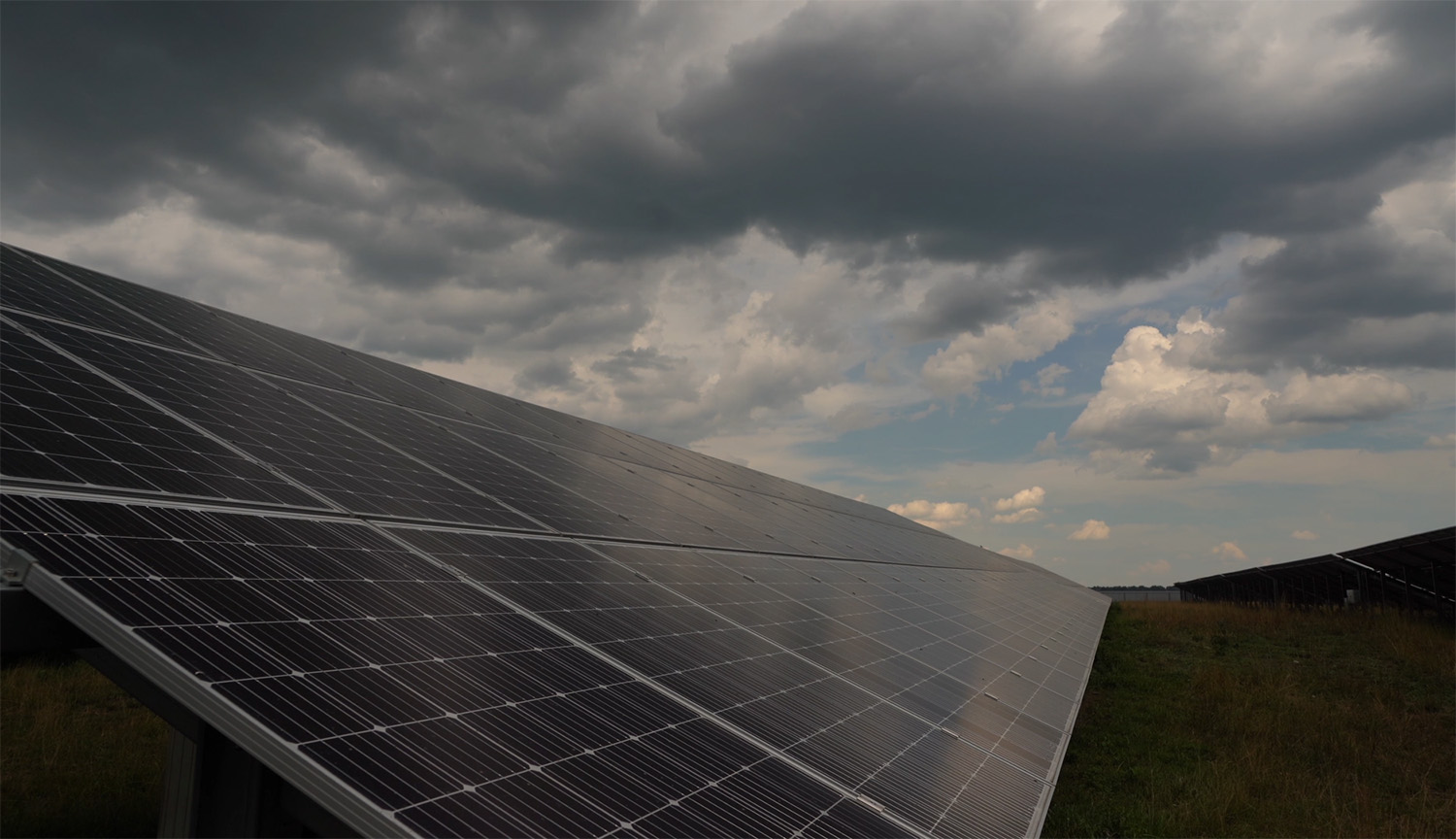
When the Sun doesn’t shine and the wind doesn’t blow, humanity still needs power. Researchers are designing new technologies, from reinvented batteries to compressed air and spinning wheels, to keep energy in reserve for the lean times.
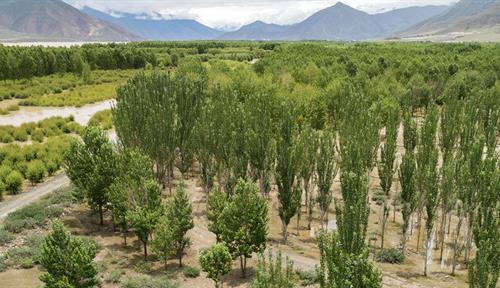
OPINION: The notion of planting miles of trees to hold back encroaching deserts is misguided and damaging; we should promote programs that secure livelihoods and respect dryland ecologies instead
OPINION: Zero-deforestation supply-chain commitments aren’t protecting tropical forests as much as hoped. But they might, if the same standards were applied to domestic and export markets.
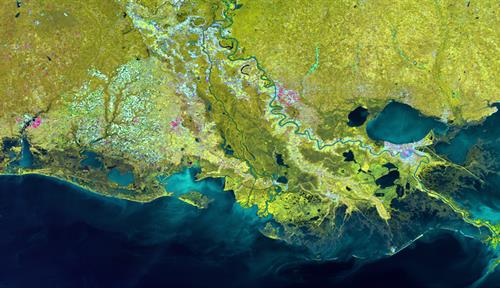
The wet landmasses, though inherently impermanent, have been essential to both people and wildlife for thousands of years. But recent shifts have brought on some rapid losses that worry scientists.
Specialized glass that keeps heat in during winter and lets it out during summer could make buildings much more efficient — if costs and complexities don’t get in the way
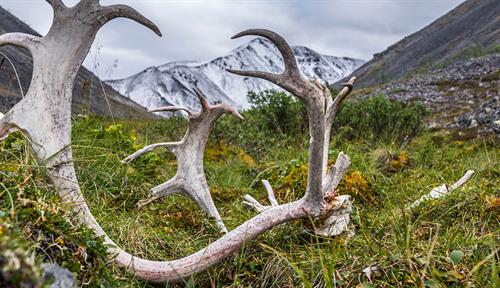
Researchers use historic remnants like antlers, shells, teeth and pollen to learn how natural communities once worked. The clues serve as guides for restoration.
Close X
This is not a paywall.
Knowable Magazine is free to read. But just because our articles are free to read doesn’t mean they are free to produce. If you value our trustworthy science journalism, please support it with a donation.