cookies to track usage and preferences."
data-cookieaccepttext="I UNDERSTAND"
data-cookiedeclinetext="Disable Cookies"
data-cookiepolicytext="Privacy Policy">
Small settlements and the scourge of slavery left gaps in Africa’s archaeological record. Yet sites and artifacts are revealing clues to the continent’s more recent history. An archaeologist explains the findings and threats to this heritage.
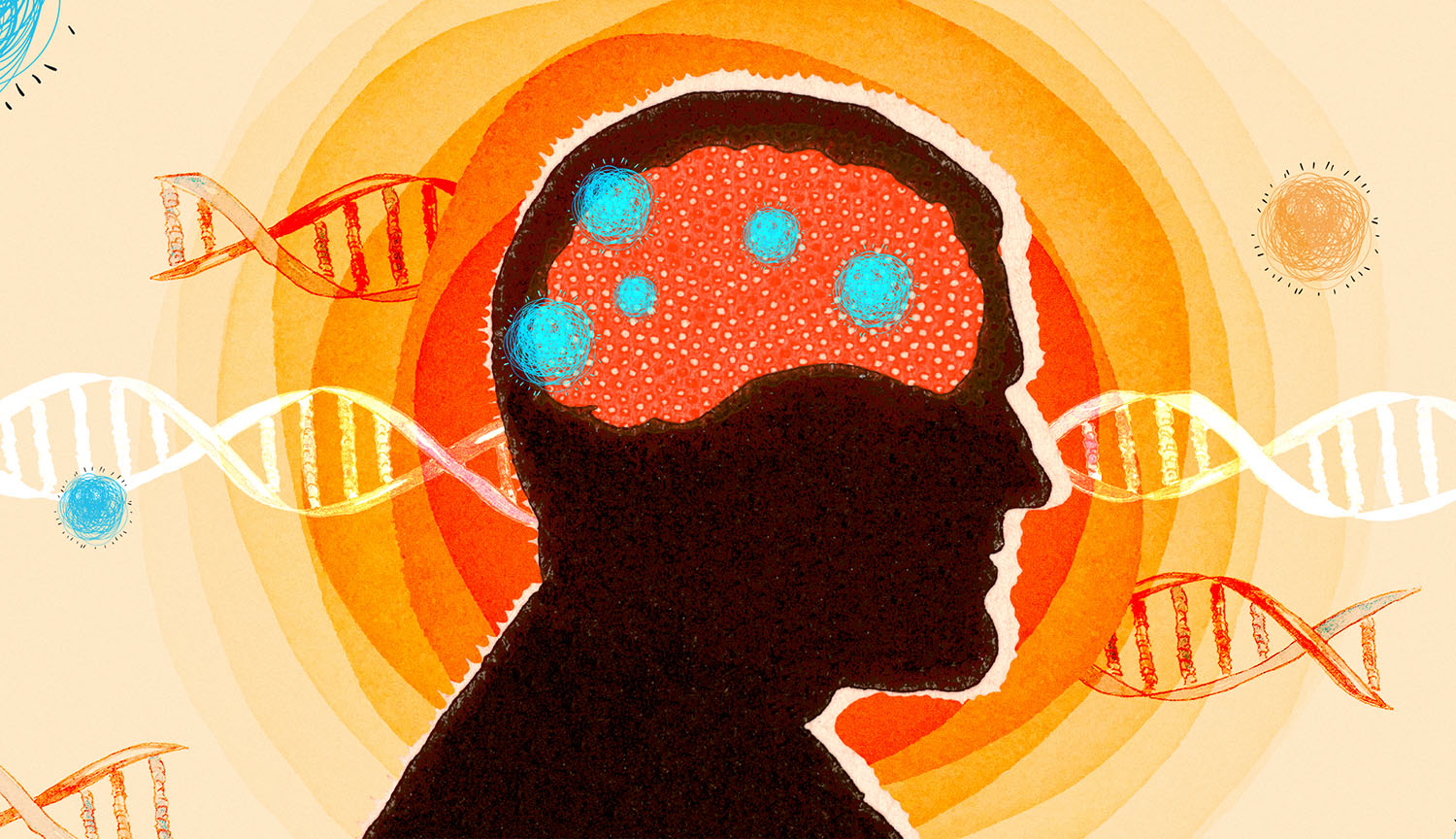
Our genomes are peppered with DNA segments called retrotransposons that can move from place to place. When unleashed, some can kill nerves and promote inflammation — a discovery that may inspire treatments for neurodegeneration.
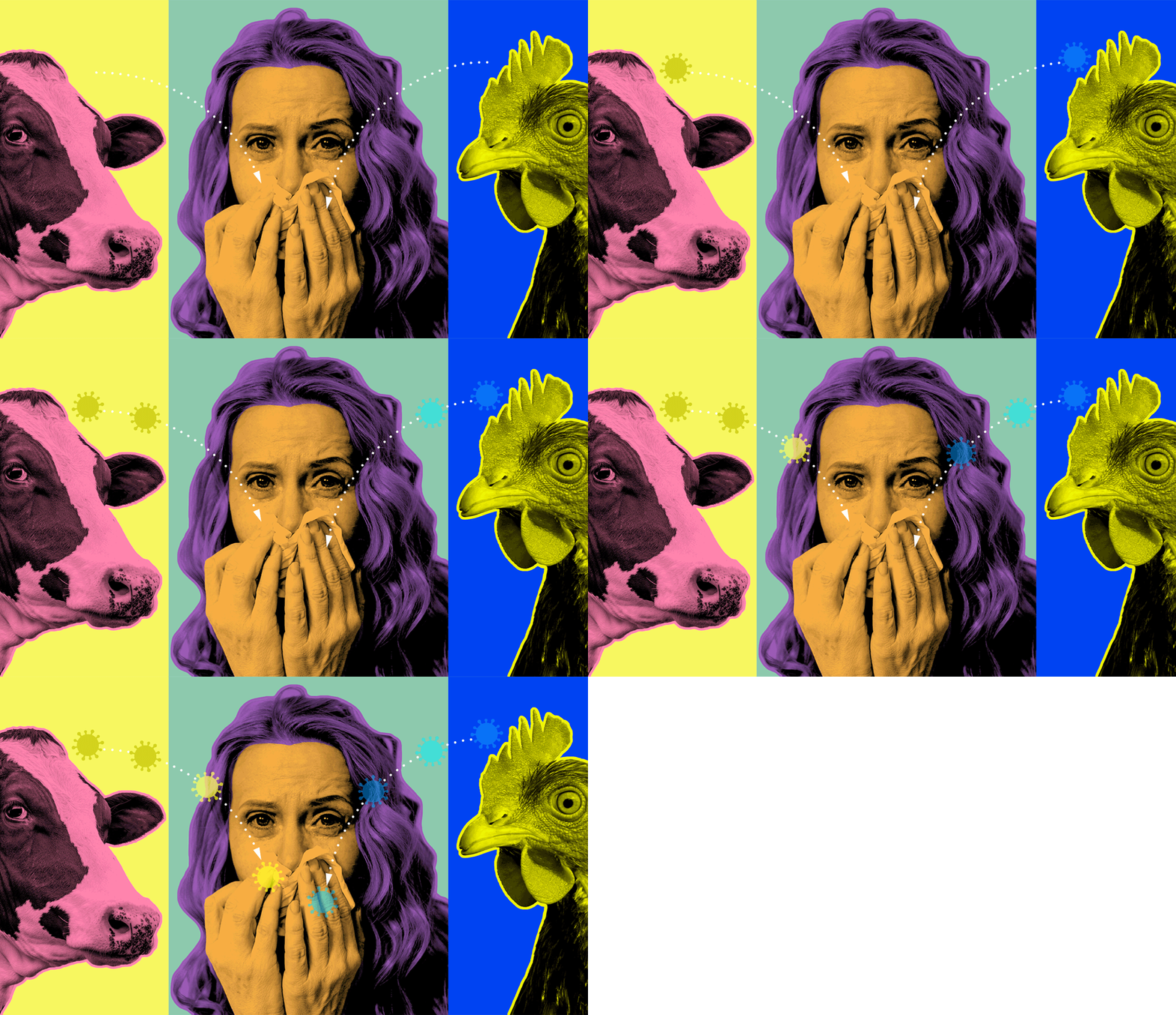
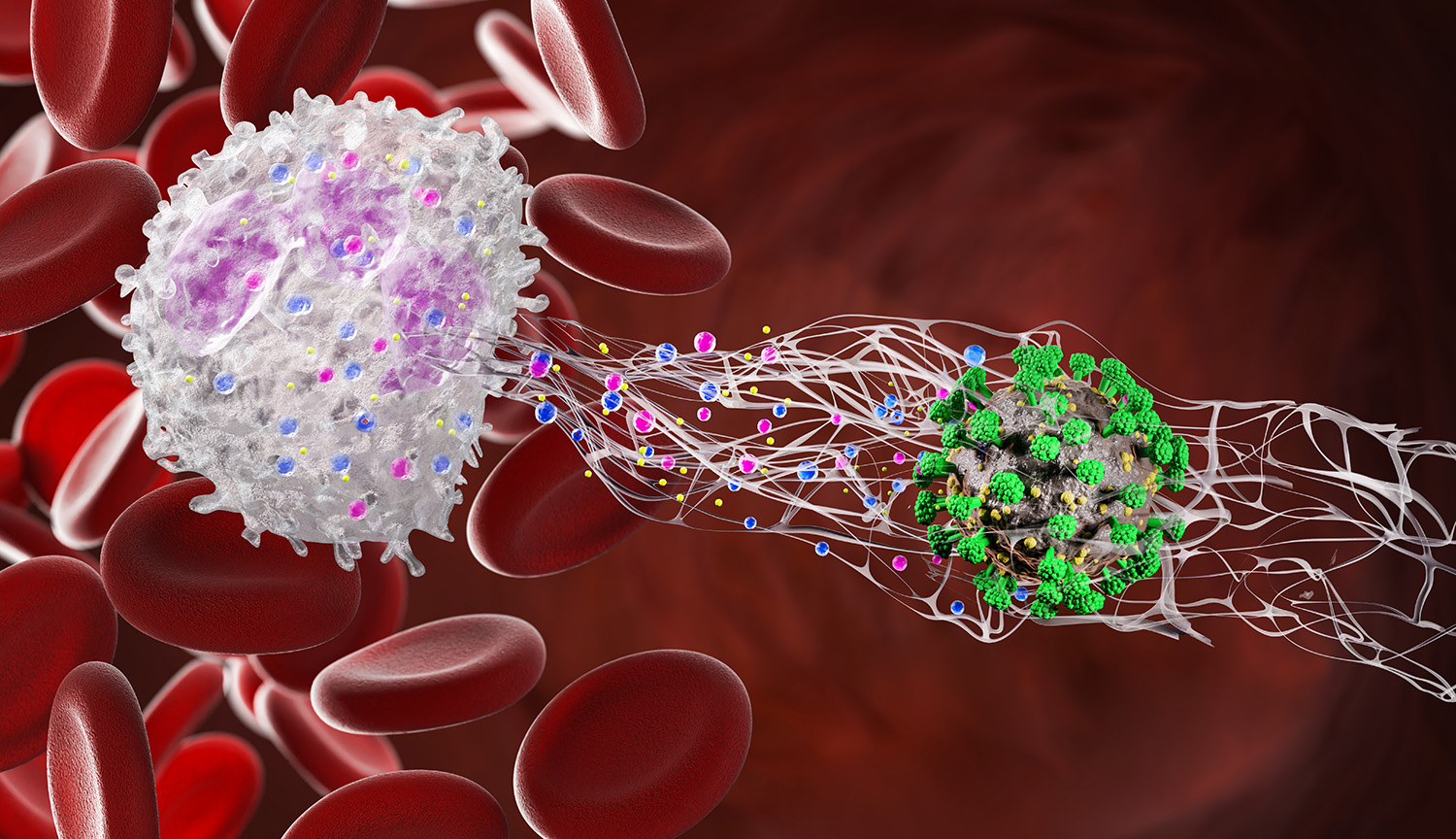
How dangerous is it? Where did it come from? H5N1 influenza’s origins stretch back to the 1990s, and key events paved the way for the outbreak we’re seeing today.
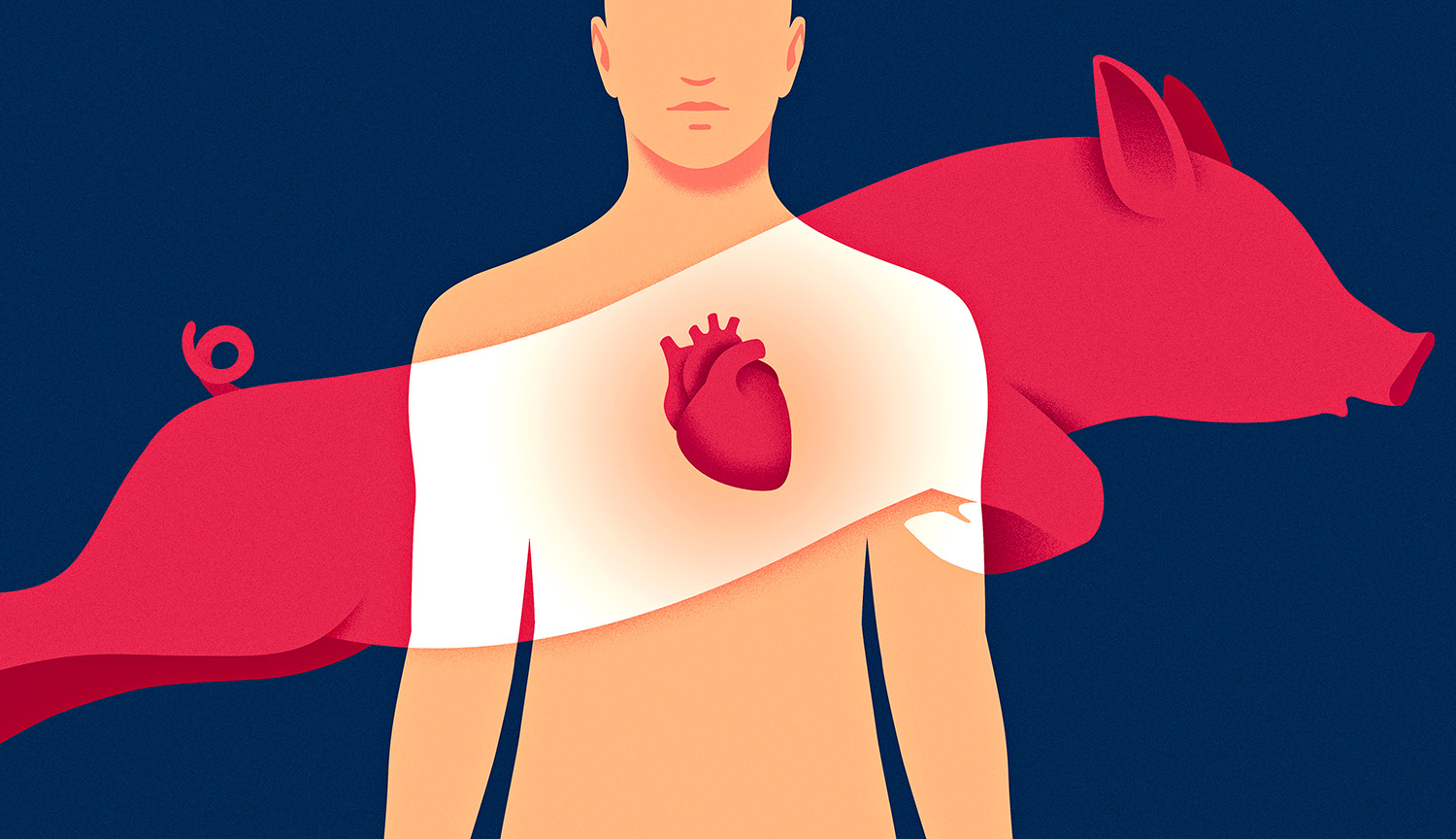
Can genetically modified animals help ease the shortage of organs? After years of research into xenotransplantation, the field is at a turning point — yet risks and ethical issues remain.
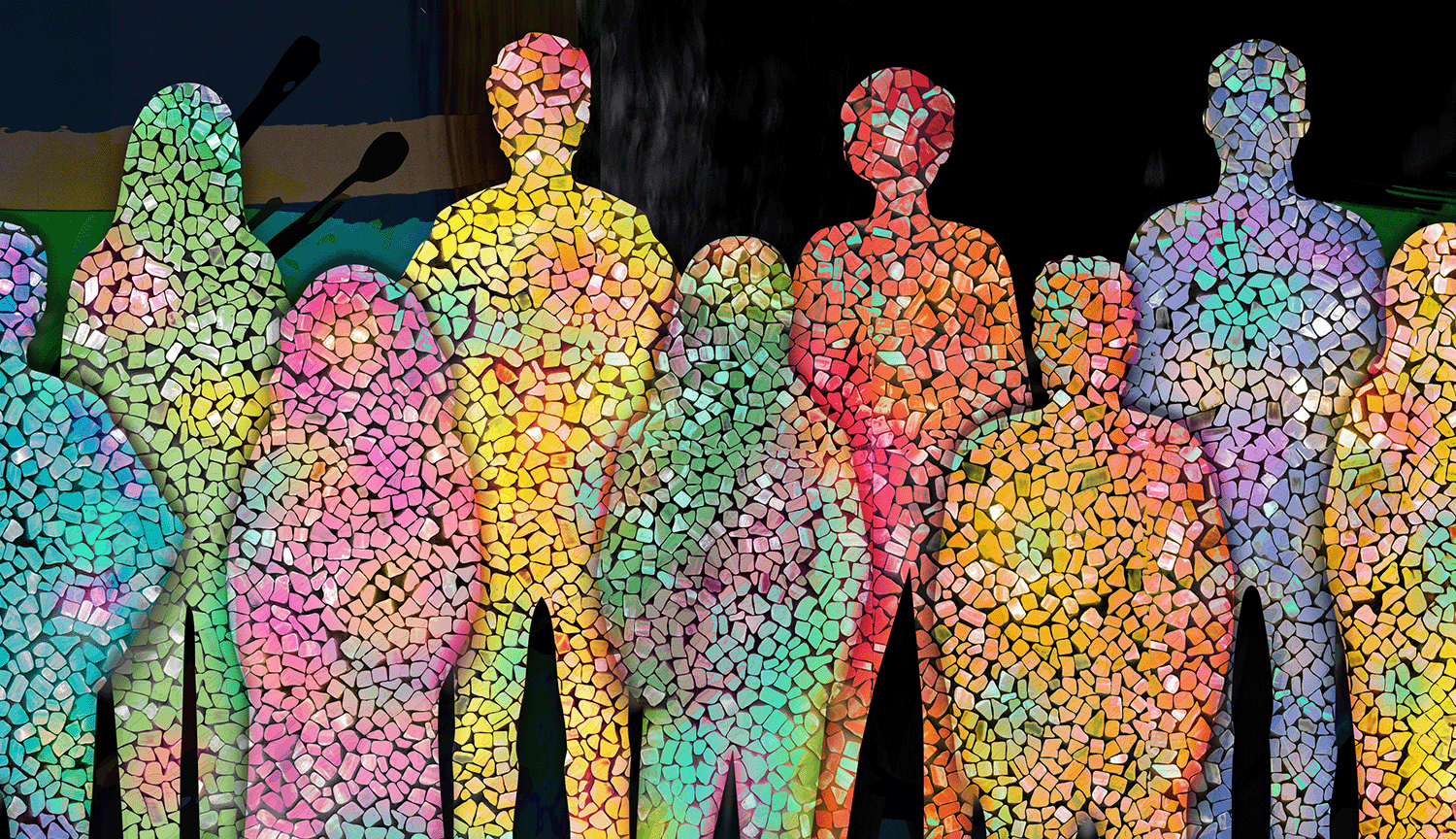
Picture your body: It’s a collection of cells carrying thousands of DNA errors accrued over a lifetime — many harmless, some bad, and at least a few that may be good for you.
One class of drugs has already found success in treating the painful, disorienting and common attacks. Excitement is building about a slew of additional drug targets.
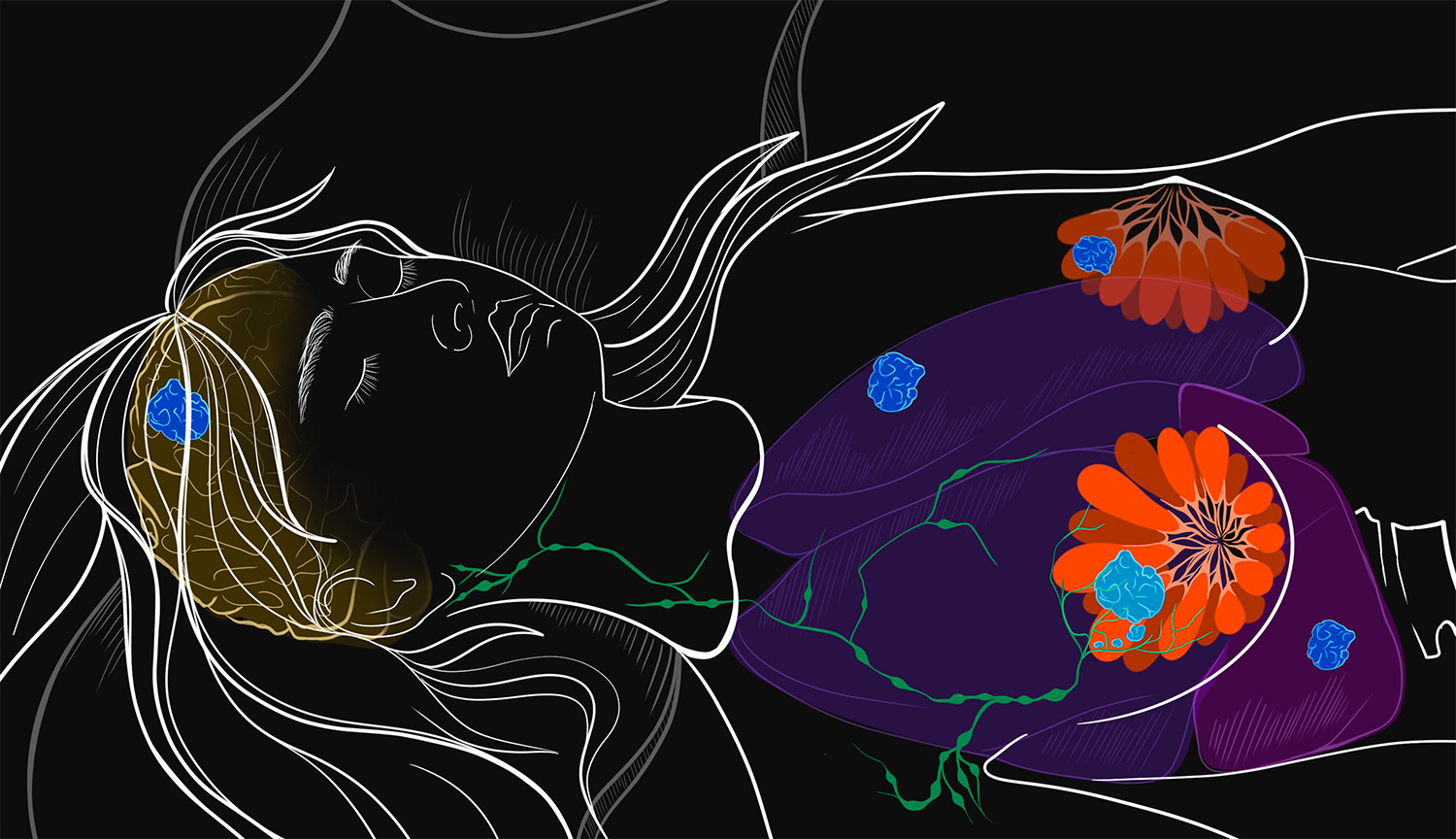
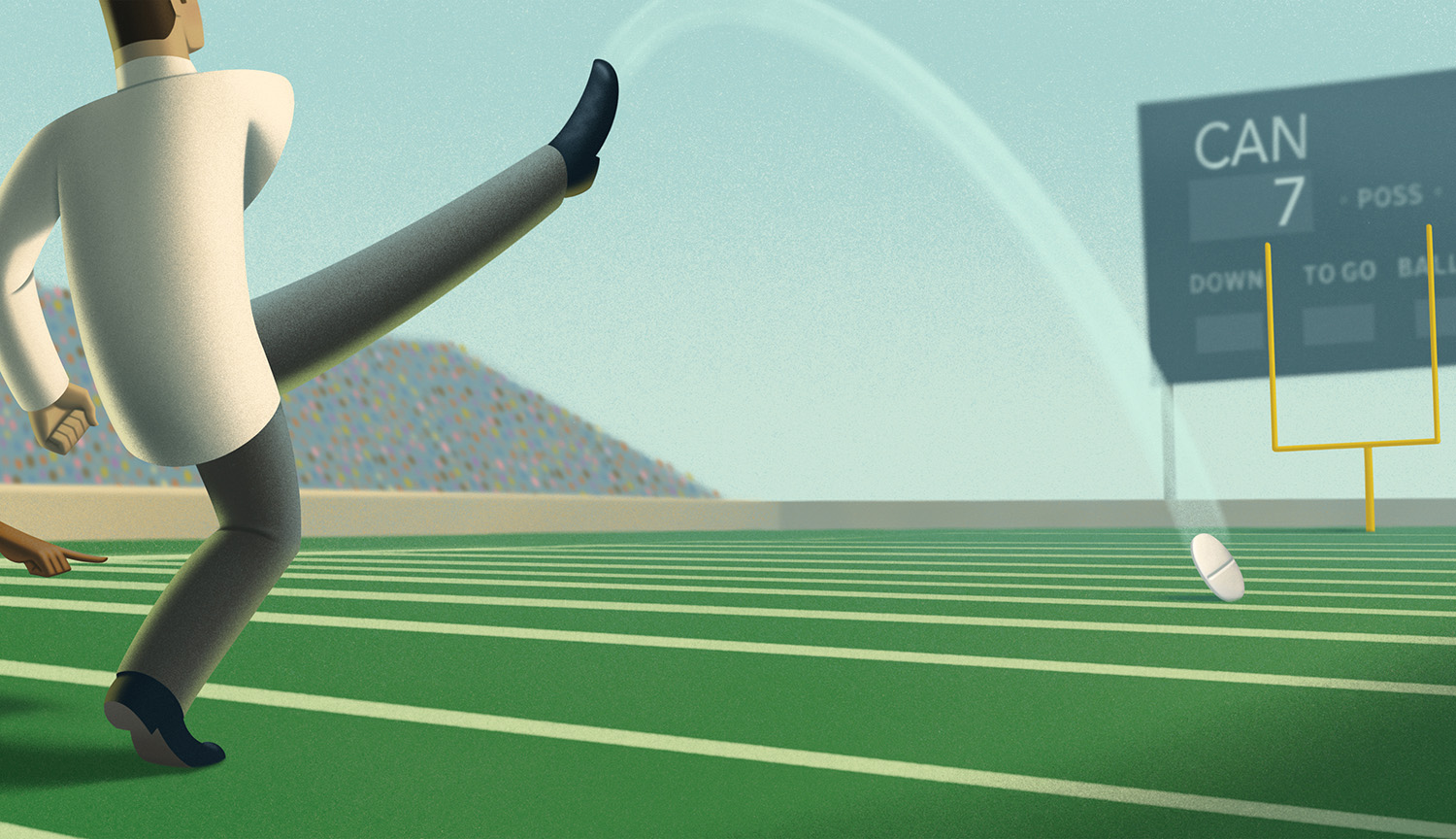
Population and animal studies suggested it could treat cancer, but the clinical trials were a bust. Here’s what happened and what potential may remain.
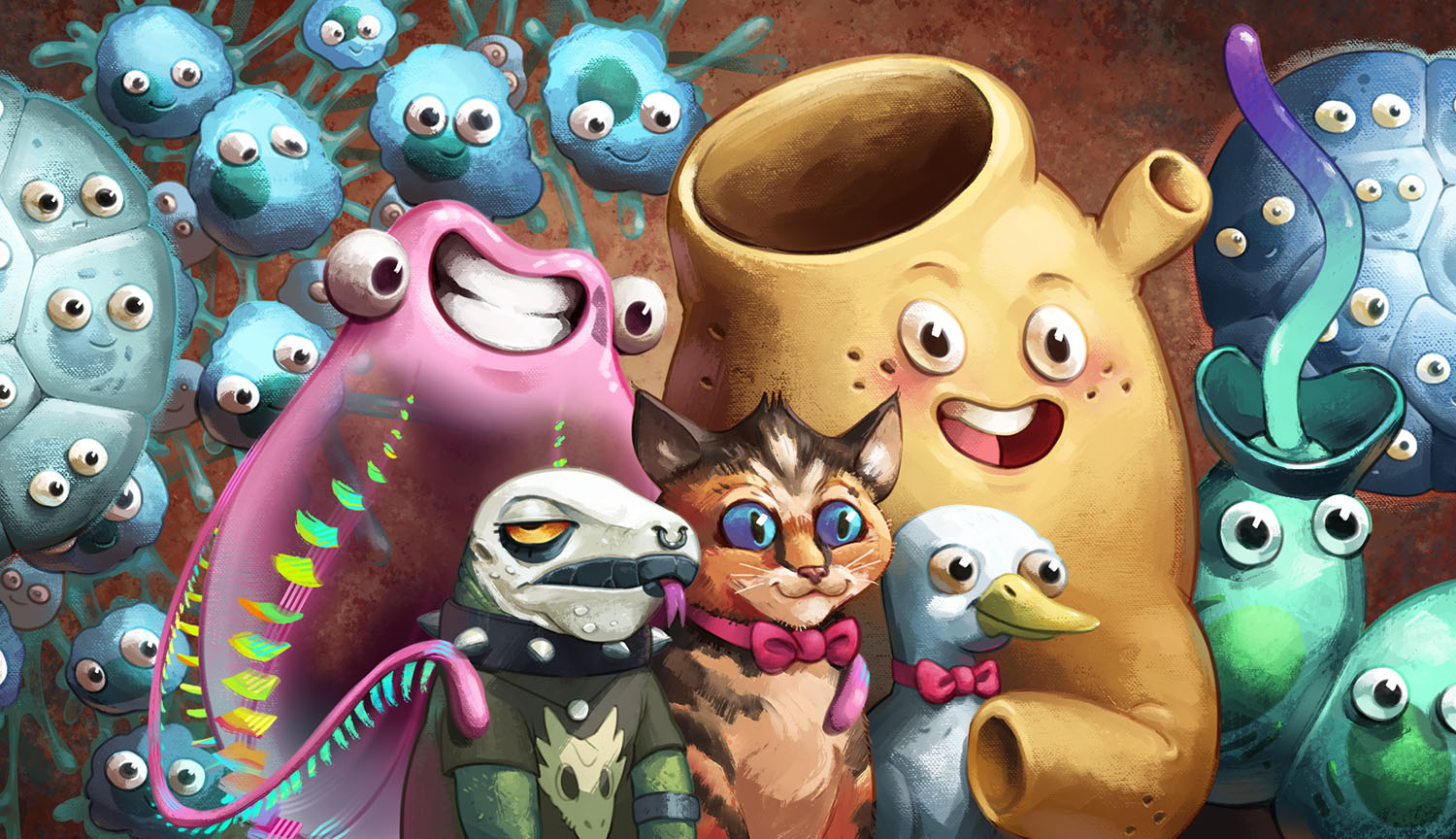
To understand the origins of multicelled life, researchers are studying a motley assortment of simpler animal relatives. The commonalities they’re unearthing offer a trove of clues about our mutual past.
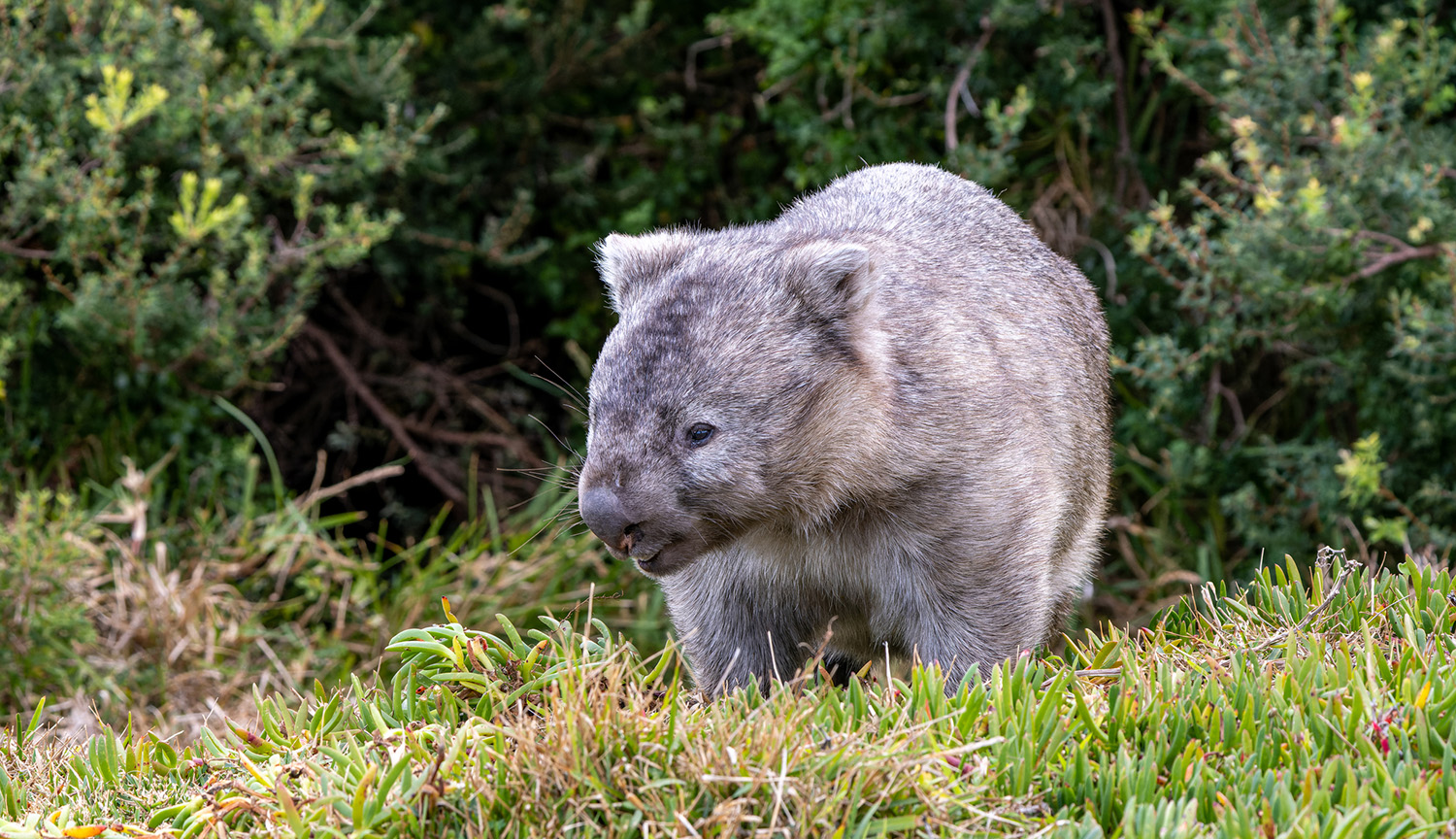
Australia’s iconic marsupial has been viewed as a food source, pest, mascot and, now, a conservation concern. Scientists are breaking down myths — using genetics, robots and citizen science — and finding new ways to protect the animals.
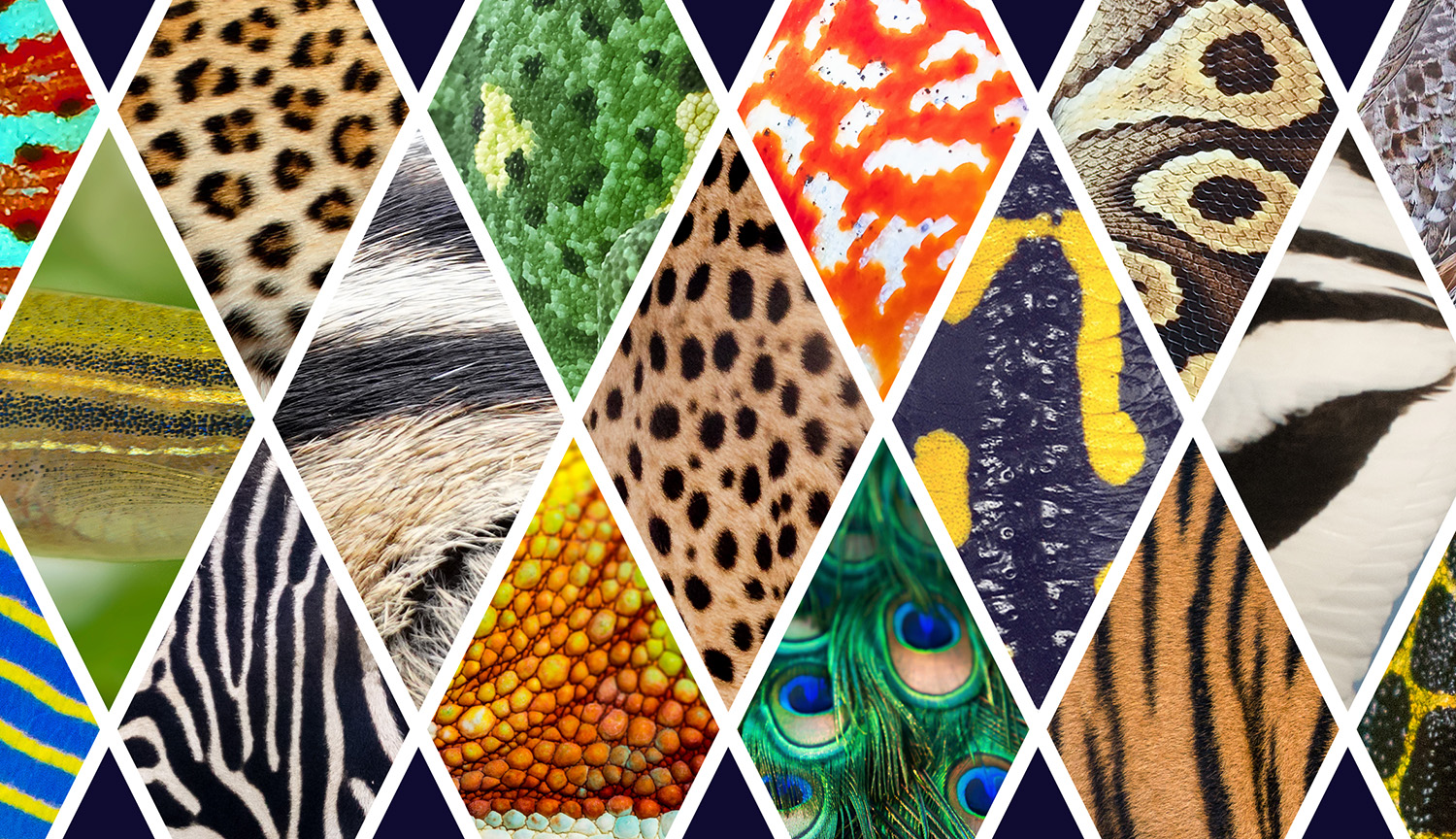
More than 70 years ago, mathematician Alan Turing proposed a mechanism that explained how patterns could emerge from bland uniformity. Scientists are still using his model — and adding new twists — to gain a deeper understanding of animal markings.
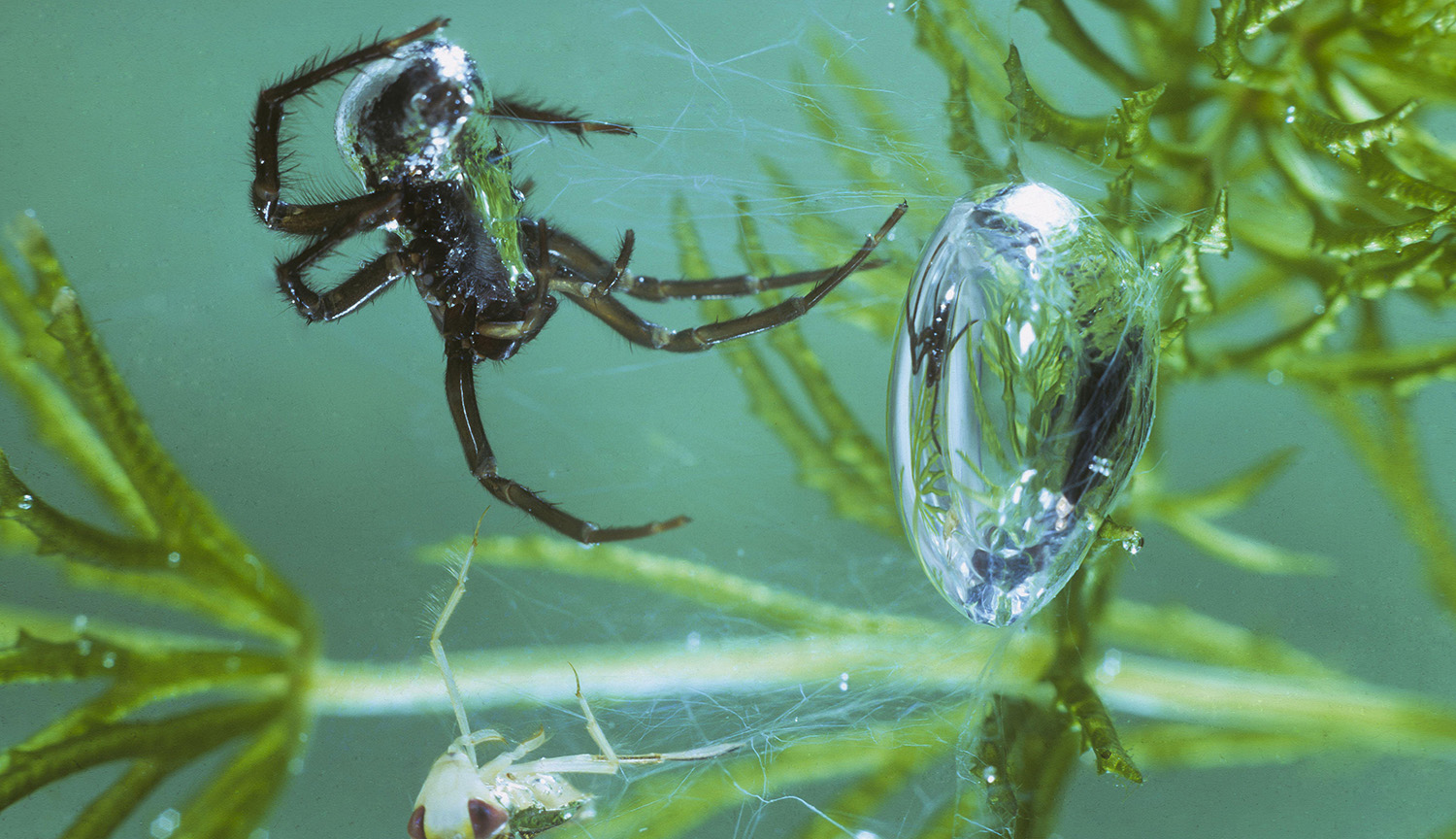
Some make nests inside seashells, others tote bubbles of air on their backs. The spiders that went back to water evolved lots of slick survival strategies.
Close X
This is not a paywall.
Knowable Magazine is free to read. But just because our articles are free to read doesn’t mean they are free to produce. If you value our trustworthy science journalism, please support it with a donation.