cookies to track usage and preferences."
data-cookieaccepttext="I UNDERSTAND"
data-cookiedeclinetext="Disable Cookies"
data-cookiepolicytext="Privacy Policy">
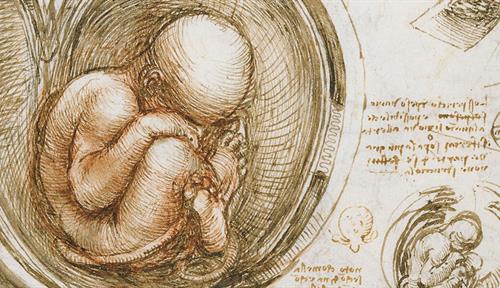
A few rare viruses can reach the fetus when pregnant women are infected, with tragic result. As explored in this Q&A, researchers are figuring out how the placenta acts as protector and how some pathogens slip through.
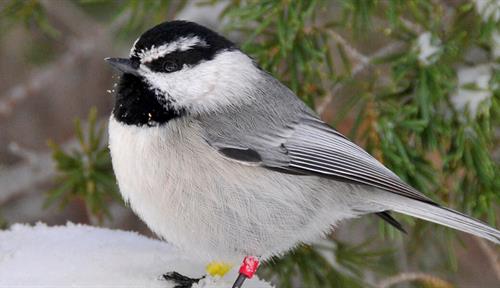
In winter, the birds must remember where they’ve hidden tens of thousands of seeds. Biologist Vladimir Pravosudov explains what this can teach us about how the brain evolves.
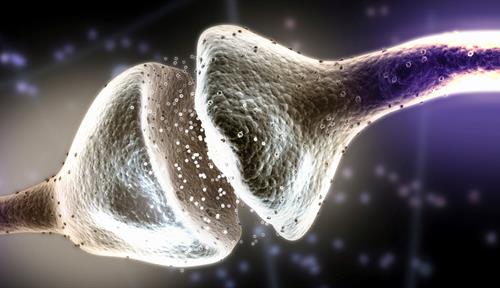
The thalamus has traditionally been viewed just as the brain’s sensory relay station. But it may also play an important role in higher-level cognition, MIT’s Michael Halassa explains in a Q&A.
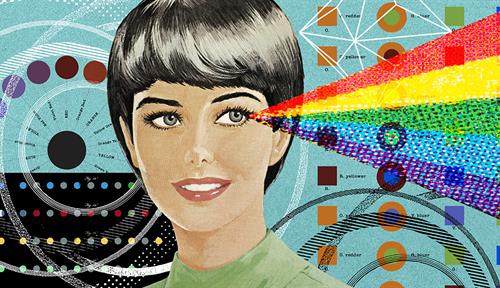
The way we see and describe hues varies widely for many reasons: from our individual eye structure, to how our brain processes images, to what language we speak, or even if we live near a body of water
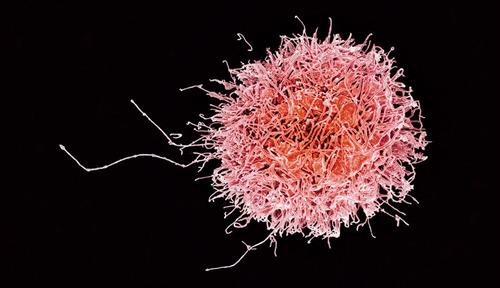
The field has long been more mice than men. New technologies and systems-based approaches with human cells may soon fill gaps in our understanding of autoimmune disease and health, Mark Davis says in a Q&A.
Ancient rocks suggest that ice entirely covered our planet on at least two occasions. This theory may help explain the rise of complex life that followed.
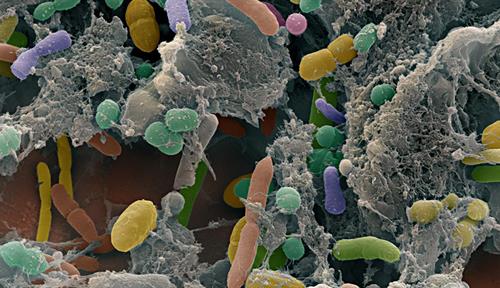
Researchers are finally getting the tools to understand just how the microbial communities in and on our bodies affect health. But there are many mysteries left to solve — and many technological challenges.
Sure they cause disease, but the microbes can be a help as well. Witness long-lasting pepper seeds, drought-resistant crop plants and even our own placentas.
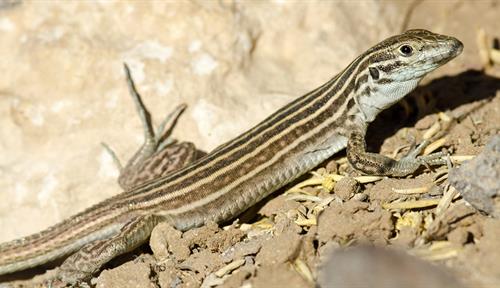
Some lizard species do without males altogether. Scientists are studying these all-female species to see what they might reveal about the pros and cons of sex.
To understand what might be lost, ecologist Janet K. Jansson taps molecular methods to explore Earth’s underground microbes, from the permafrost to the grasslands
Genetic advances may make it possible to grow transplantable tissues in other species. That could solve immunity and availability issues, but raises ethical concerns.
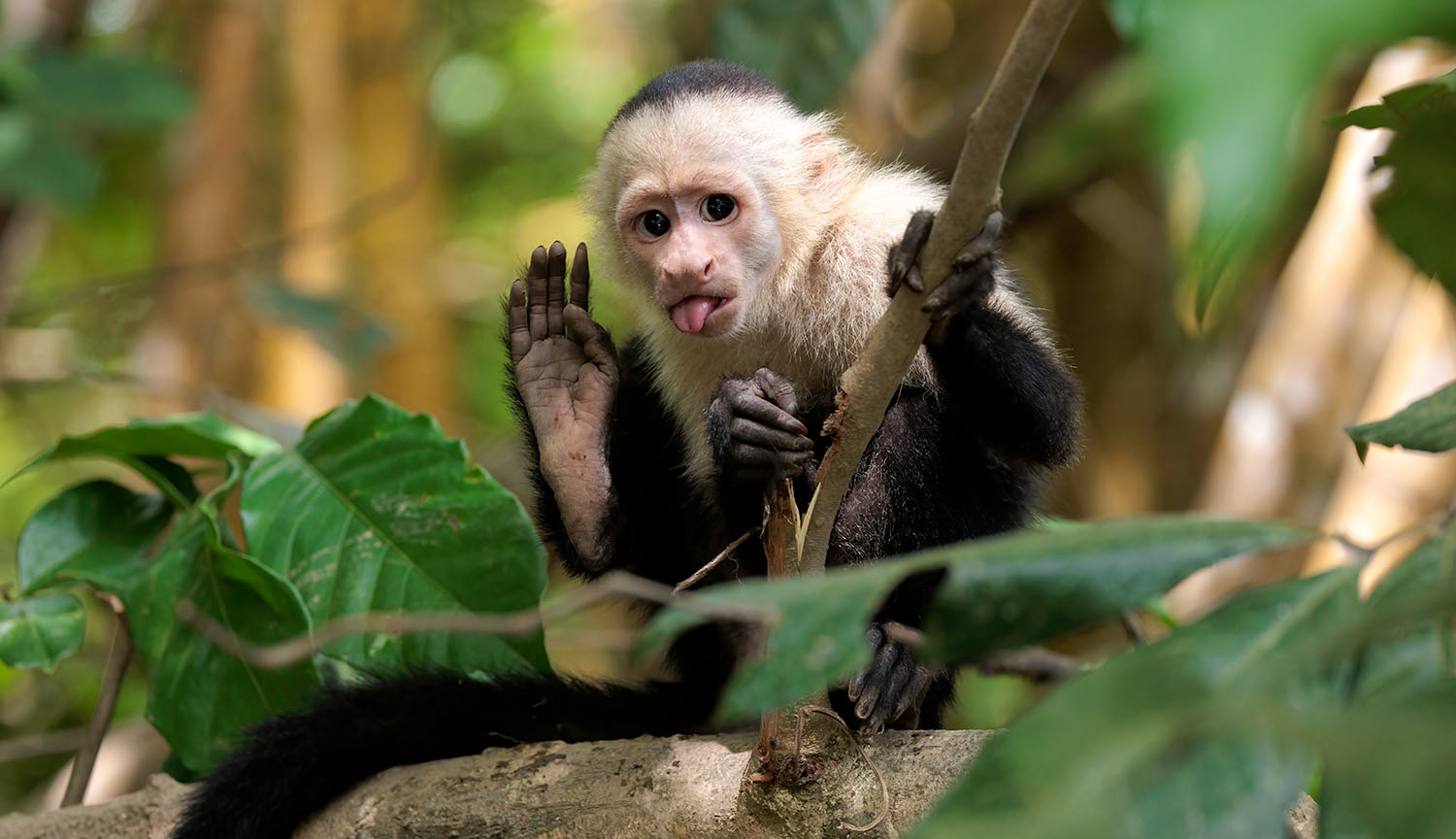
UCLA’s Susan Perry has devoted decades to studying the fast-motion life of these New World primates and learning how the young acquire the skills they need to thrive
Close X
This is not a paywall.
Knowable Magazine is free to read. But just because our articles are free to read doesn’t mean they are free to produce. If you value our trustworthy science journalism, please support it with a donation.