cookies to track usage and preferences."
data-cookieaccepttext="I UNDERSTAND"
data-cookiedeclinetext="Disable Cookies"
data-cookiepolicytext="Privacy Policy">
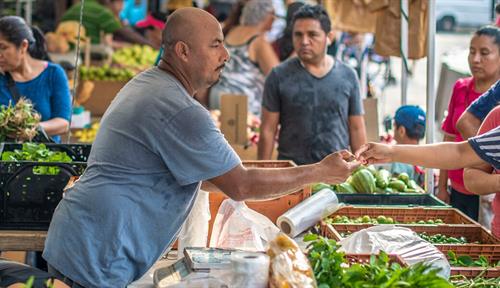
More people are choosing what to eat based on where it was grown, made or created. An anthropologist looks at the myriad ways we link food to place — and whether it really could make a difference.
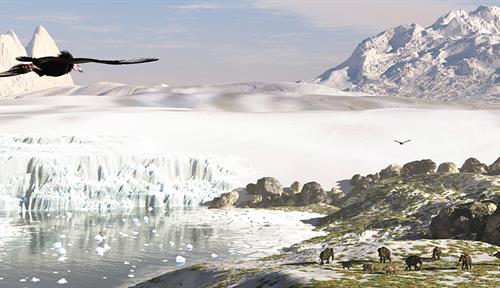
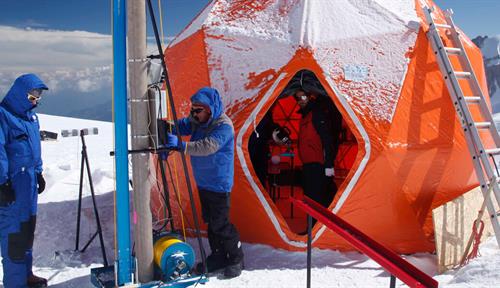
PODCAST: Digging — quite literally — into our planet’s past to study its paleoclimate has shed light on bygone ice ages and hints at trouble ahead for our now-warming world (Season 2/Episode 4)
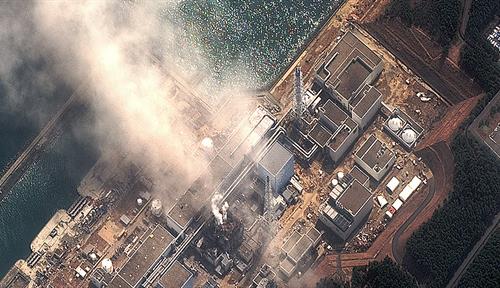
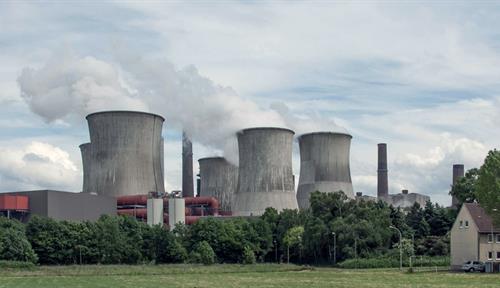
OPINION: The cleanup of the past decade at the Japanese power plant could be set back if authorities don’t properly handle a massive stockpile of contaminated water
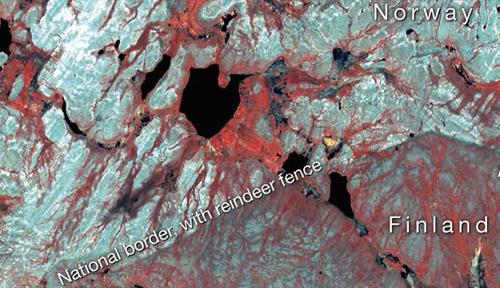
Replacing gasoline with ethanol has changed landscapes across the globe as grasslands and forests give way to cornfields. Researchers are deeply divided over what this means for the planet. Here’s the science behind the conflict.
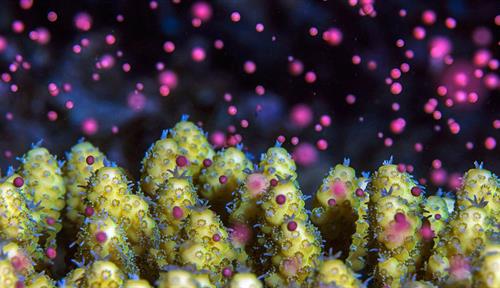
Many sea creatures release eggs and sperm into the water on just the right nights of the month. Researchers are starting to understand the biological rhythms that sync them to phases of the moon.
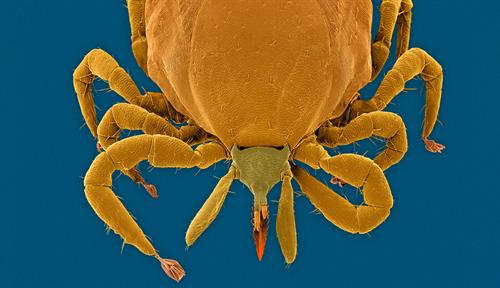
The complex interplay of ticks, their habitats and hosts — along with changes in land use and climate — may be enabling the spread of the pathogens they carry
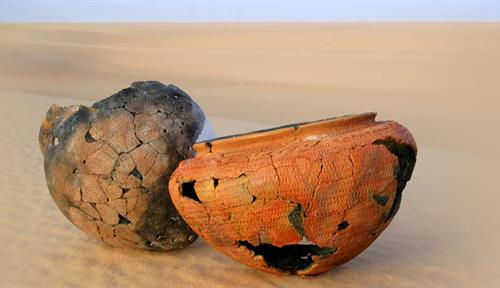
Remnants of molecules and microbes in shards of cooking pots help researchers reconstruct prehistoric cuisines. On the menu: stews, cheese and fermented drinks.
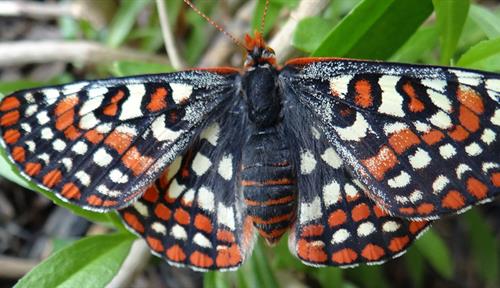
How do animal populations respond to climate change? After studying the same butterfly and its habitats for decades, two biologists explain that it’s complicated — but endlessly intriguing.
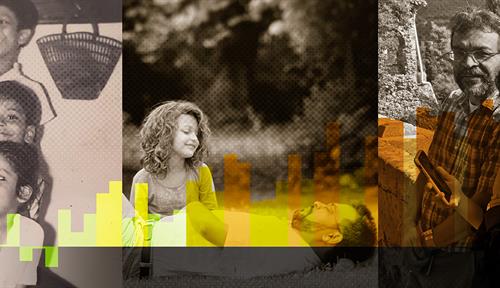
Researcher Arun Agrawal has lived three decades on either side of a watershed: the United Nations Framework Convention on Climate Change, signed 30 years ago this June. His 60 years are a window into how far we have come, and how far there is to go.
Cheese is not just a tasty snack — it’s an ecosystem. And the fungi and bacteria within that ecosystem play a big part in shaping the flavor and texture of the final product.
To slow or stop global warming, the world agrees it must cut carbon dioxide emissions. But monitoring each nation’s output of greenhouse gases is not always straightforward.
The only way for humanity to solve its environmental problems may be to abandon our quest for continual economic expansion. It’s time to study what a future of degrowth might look like, some researchers say.
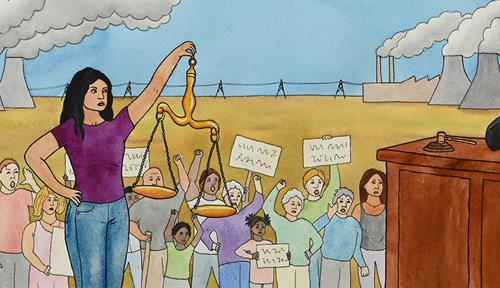
Lawsuits against emissions-spewing governments and fossil fuel companies have established themselves as a key tool in the battle against climate change, but they aren’t always successful
New technologies to predict spoilage time could slash the massive waste between farm and fork
Close X
This is not a paywall.
Knowable Magazine is free to read. But just because our articles are free to read doesn’t mean they are free to produce. If you value our trustworthy science journalism, please support it with a donation.