cookies to track usage and preferences."
data-cookieaccepttext="I UNDERSTAND"
data-cookiedeclinetext="Disable Cookies"
data-cookiepolicytext="Privacy Policy">
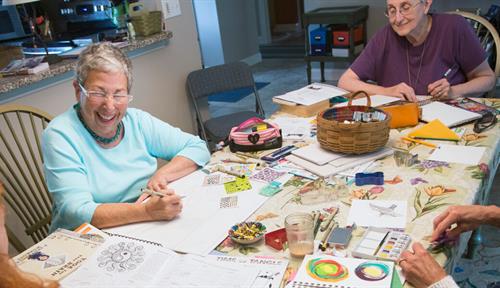
What helps some people diagnosed with cancer, heart disease or diabetes stay relatively happy and healthy, while others are devastated? Psychologist Vicki Helgeson explains the traits and mindsets that can make the difference.
VIDEO: Learn how the baby brain changes from gestation to toddlerhood, and what parents, teachers and policymakers can do to ensure kids are set up for success
The Covid-19 pandemic brought a sudden shift to virtual health care. That has increased access — and possibly outcomes, too — for patients with opioid use disorder.
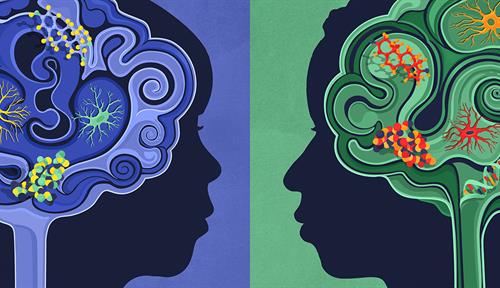
Differences between the immune systems of males and females — in particular, ones involving cells called microglia — might help explain why the risk for conditions such as autism and Alzheimer’s varies between the sexes
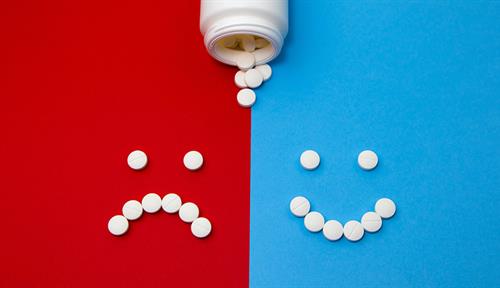
Treatment with drugs such as buprenorphine, methadone and naltrexone is deemed the gold standard for youth with opioid addictions. Why isn’t it used more often?
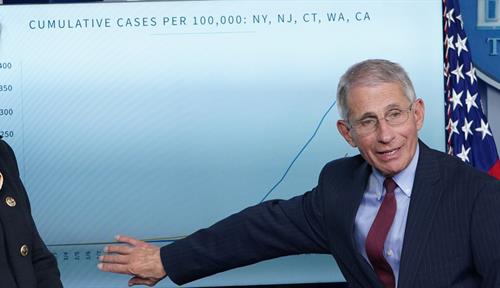
Public health messages should be loud and clear, so that everyone listens and stays safe. But that’s easier said than done — especially with a case as complex as Covid-19.
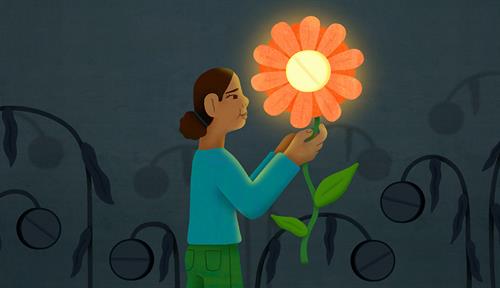
PODCAST: Serendipitous discoveries led to drugs like Prozac and to new insights into the physical basis of this debilitating disorder. But scientists continue to search for deeper understandings and therapies that will bring relief to those who still struggle. (Season 2, Episode 6)
As Covid-19 descended across the world, people sought refuge in gardens, parks and the woods. But it’s hard to measure how being in nature affects our well-being — and how we can best reap its rewards.
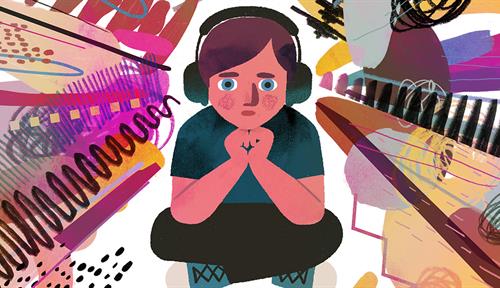
OPINION: A neuroscientist says that he’s particularly worried about kids, who may have spent much of last year learning online. Some easy hacks can help.
VIDEO: Watch our conversation about the science of behavior change — from public health tools to slow the pandemic to keeping New Year’s resolutions <em xmlns="http://pub2web.metastore.ingenta.com/ns/"/><em/>
Working out buffs up the body — and perhaps the mind, too. New research is revealing how physical activity can reduce and even ward off depression, anxiety and other psychological ailments.
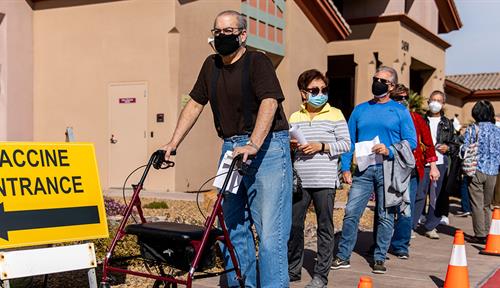
Hesitancy rates are falling but they’re still sizable, especially among certain groups. Easy access and trusted community messengers are keys to moving the needle.
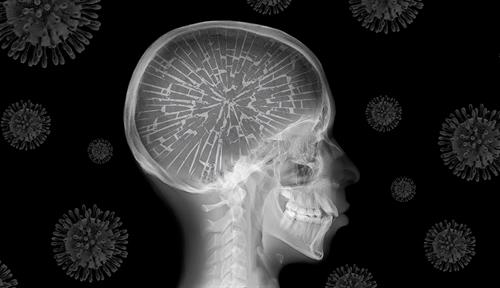
VIDEO: Even a mild SARS-CoV-2 infection can cause inflammation that disrupts neural communication, says Stanford neurologist Michelle Monje. Her concern is that Covid-19 may leave millions dealing with cognitive problems, from a loss of mental sharpness to lapses in memory, that prevent them from returning to their previous level of function.
Close X
This is not a paywall.
Knowable Magazine is free to read. But just because our articles are free to read doesn’t mean they are free to produce. If you value our trustworthy science journalism, please support it with a donation.