Skip to content
cookies to track usage and preferences." data-cookieaccepttext="I UNDERSTAND" data-cookiedeclinetext="Disable Cookies" data-cookiepolicytext="Privacy Policy">
1932

Comics

An amphibious rescue mission

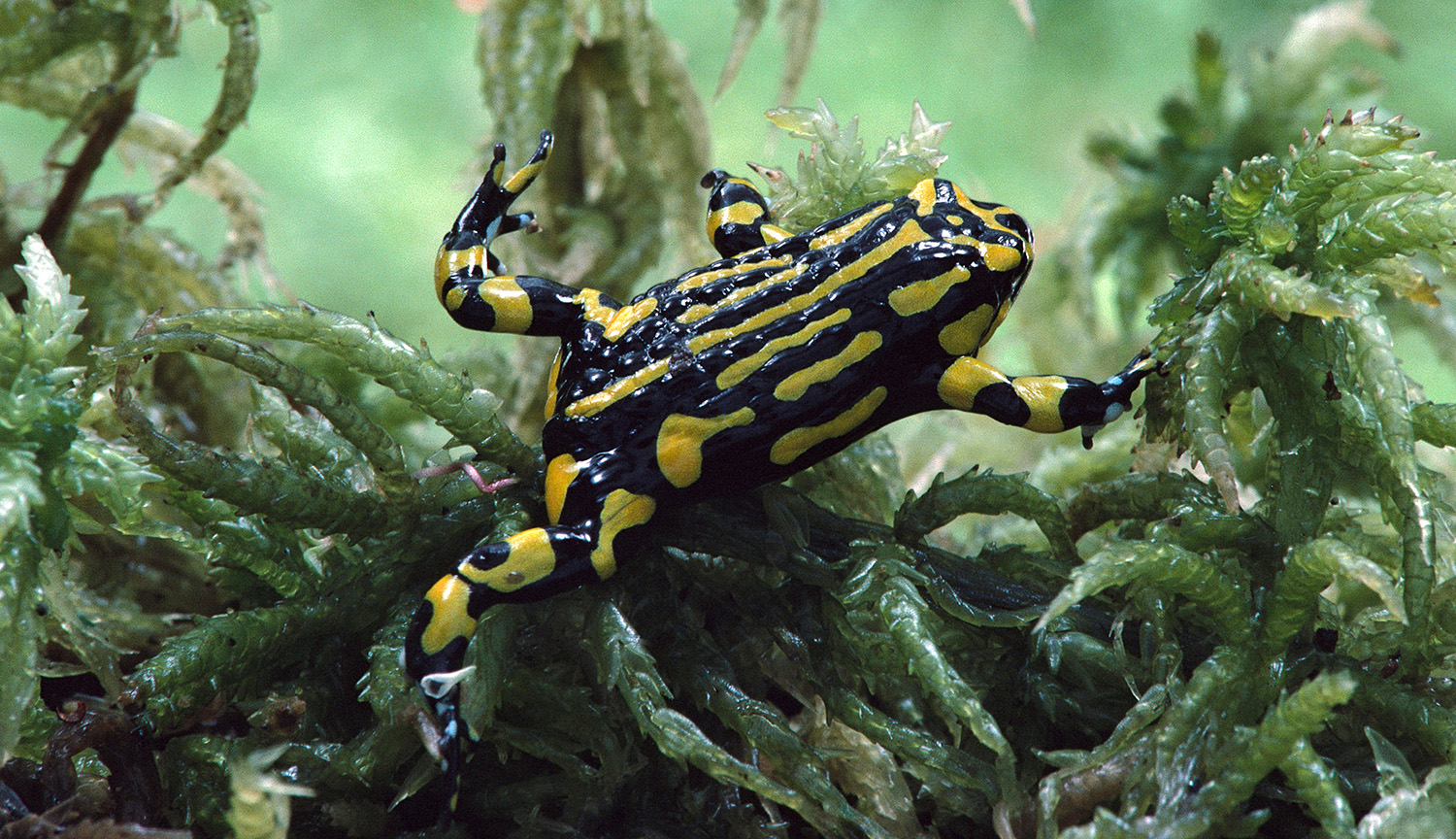
On the edge of extinction, rare frogs and toads need more than a little love to reproduce. High-tech help, from IVF to hormone therapy, may save them.

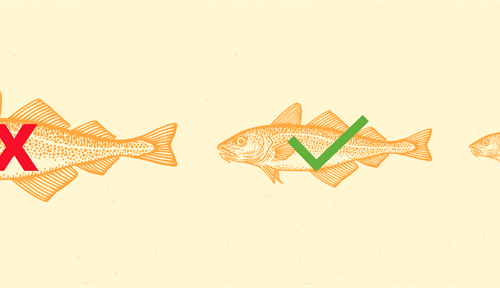
How humans shift fish evolution | Things to Know

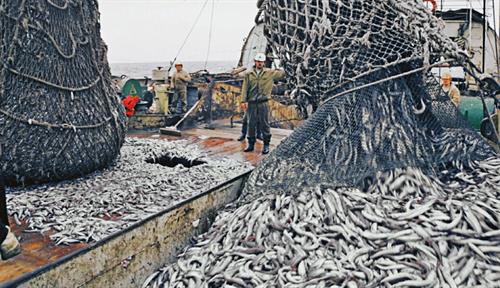
VIDEO: By targeting larger individuals, intense fishing may lead to a fishery dominated by the small

The human hand in fish evolution

Fishery practices that go for the big ones may be counterproductive when mostly the small survive

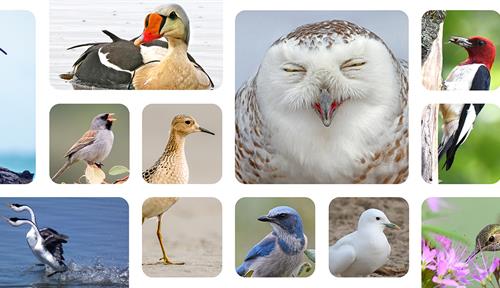
A shocking number of birds are in trouble

Rich data on the global state of our feathered friends presents plenty of bad news — but also some bright spots. Researchers know better than ever how to help endangered birds, and there are notable bird conservation successes.

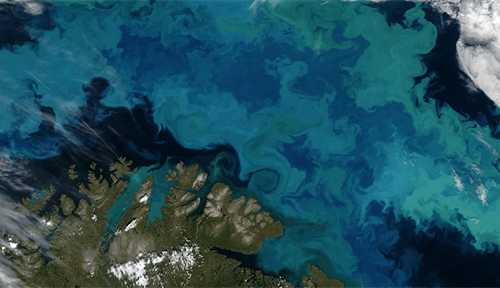
Marine wildlife is starting to suffocate

Global warming and agricultural runoff have driven the loss of oxygen in oceans around the world, with looming ecological consequences.

How lunar cycles guide the spawning of corals, worms and more

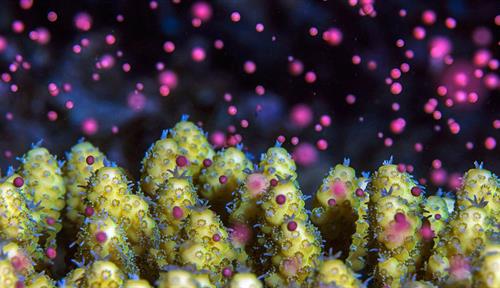
Many sea creatures release eggs and sperm into the water on just the right nights of the month. Researchers are starting to understand the biological rhythms that sync them to phases of the moon.

At San Diego’s Frozen Zoo, a chance for animal immortality

The cryobank is a rich source of genetic knowledge of hundreds of creatures. It may one day be used to bring endangered species back from the brink and deepen the gene pool of wild populations.

City birds are changing their tune

Several species of urban-dwelling birds have modified their songs in response to human-generated noise

How wind turbines could coexist peacefully with bats and birds

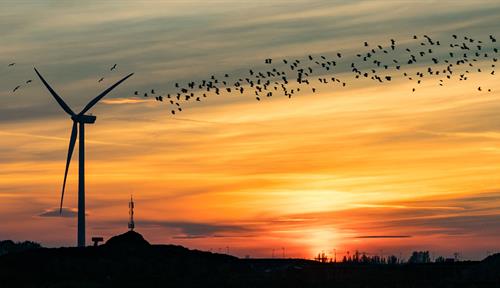
As wind power grows around the world, so does the threat the turbines pose to wildlife. From simple fixes to high-tech solutions, new approaches can help.

In the Great Pacific Garbage Patch, new marine ecosystems are flourishing

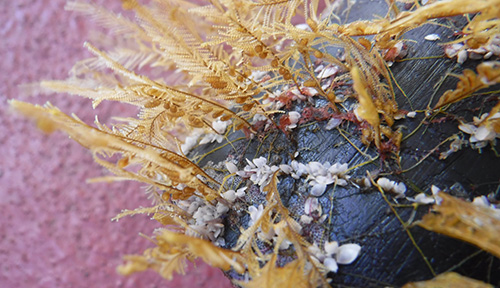
Sea life, stuck to plastic bottles and other human trash, has journeyed far from coastal habitats — and may threaten local species

Frogs kick back against lethal fungus

Scientists are seeing signs of resistance to the infections that have been wiping out the world’s amphibian populations — and developing strategies to aid in the fight Down Under

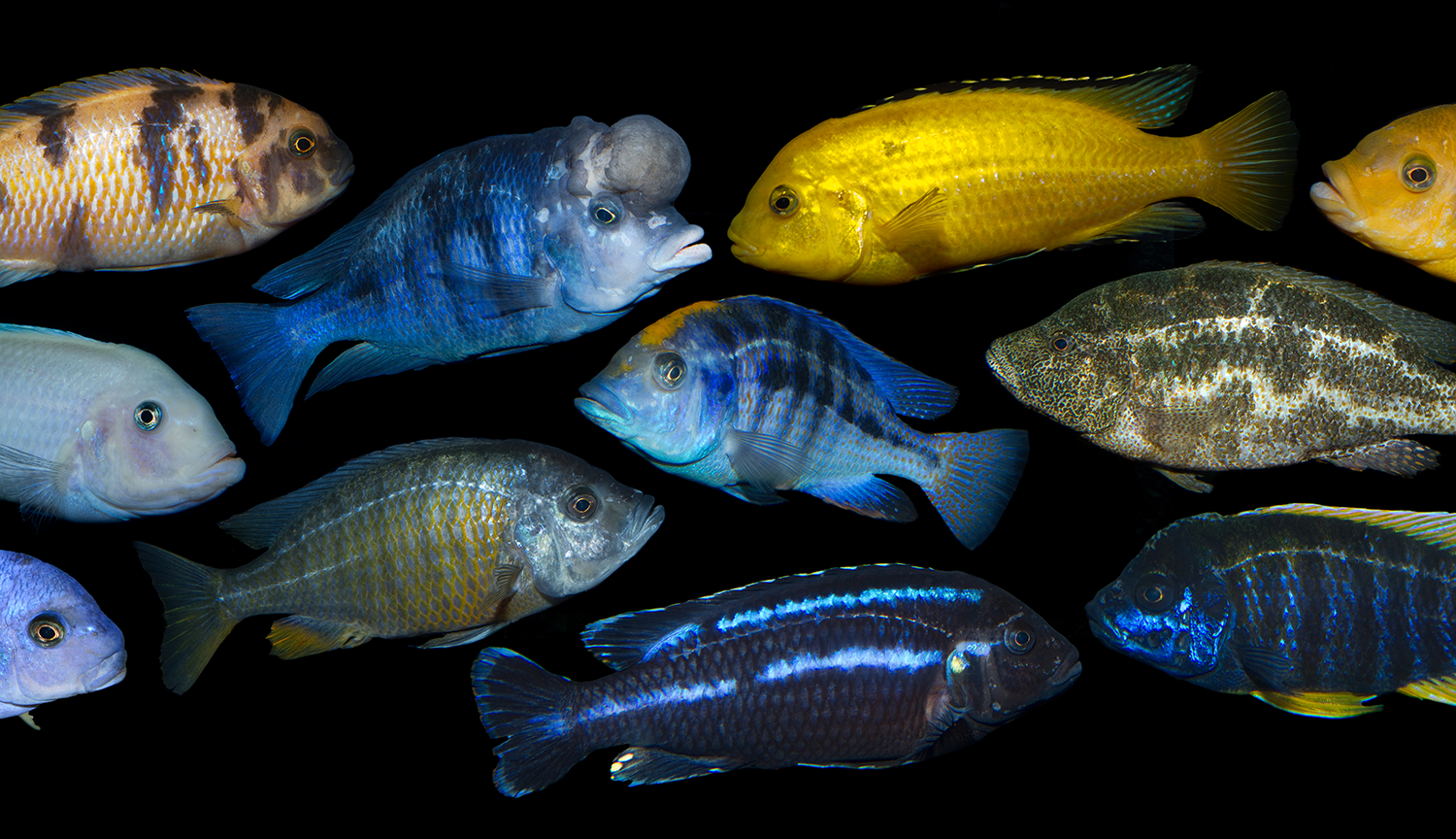
One fish, two fish, 3,000 fish ...

Groups of cichlid fishes in East Africa radiated into thousands of species within dazzlingly short periods of time. How did they do it?

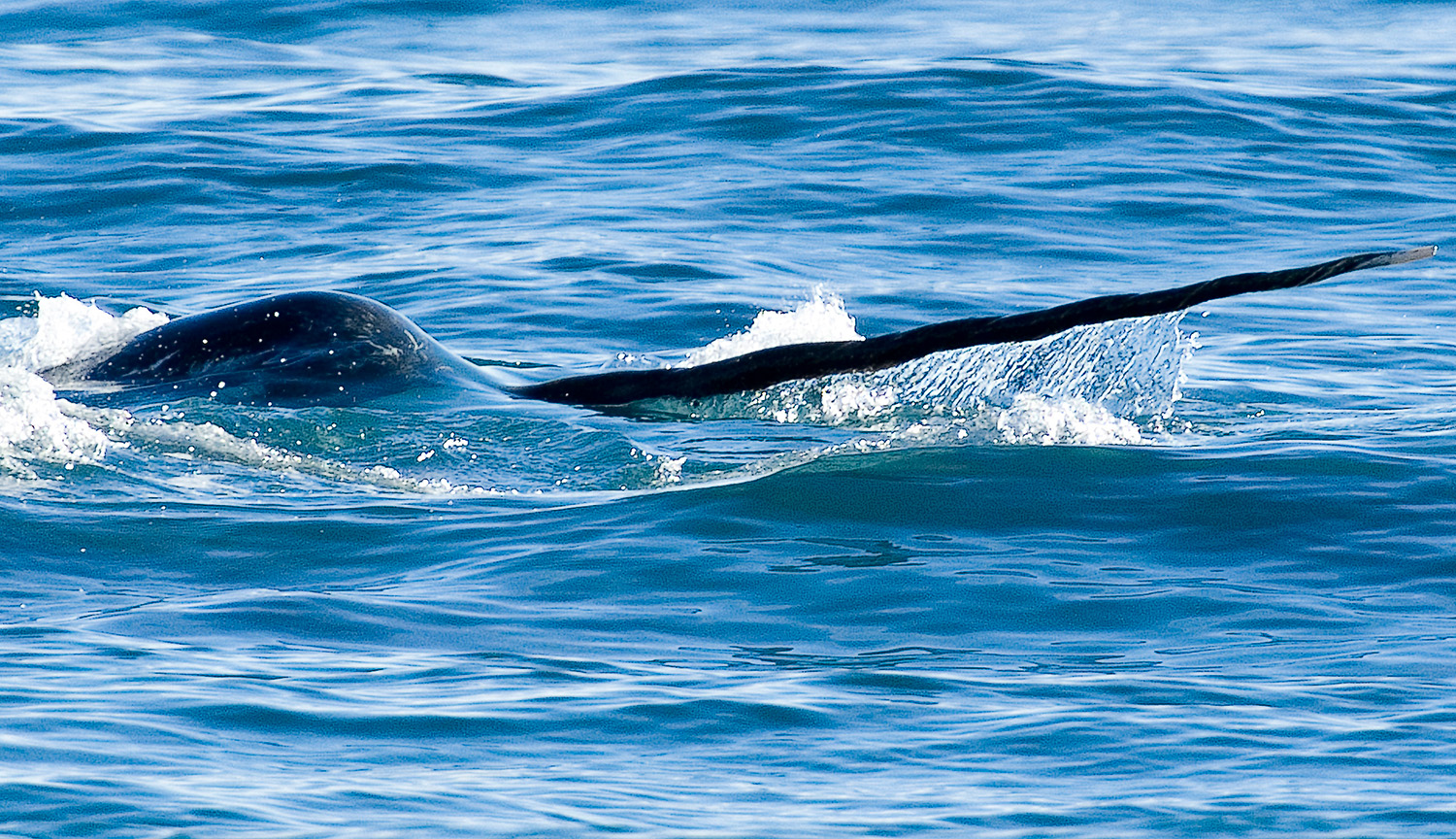
A lifetime of love for the charismatic narwhal

An independent scientist working with the Inuit has unraveled many mysteries of the one-tusked ‘unicorn of the sea’

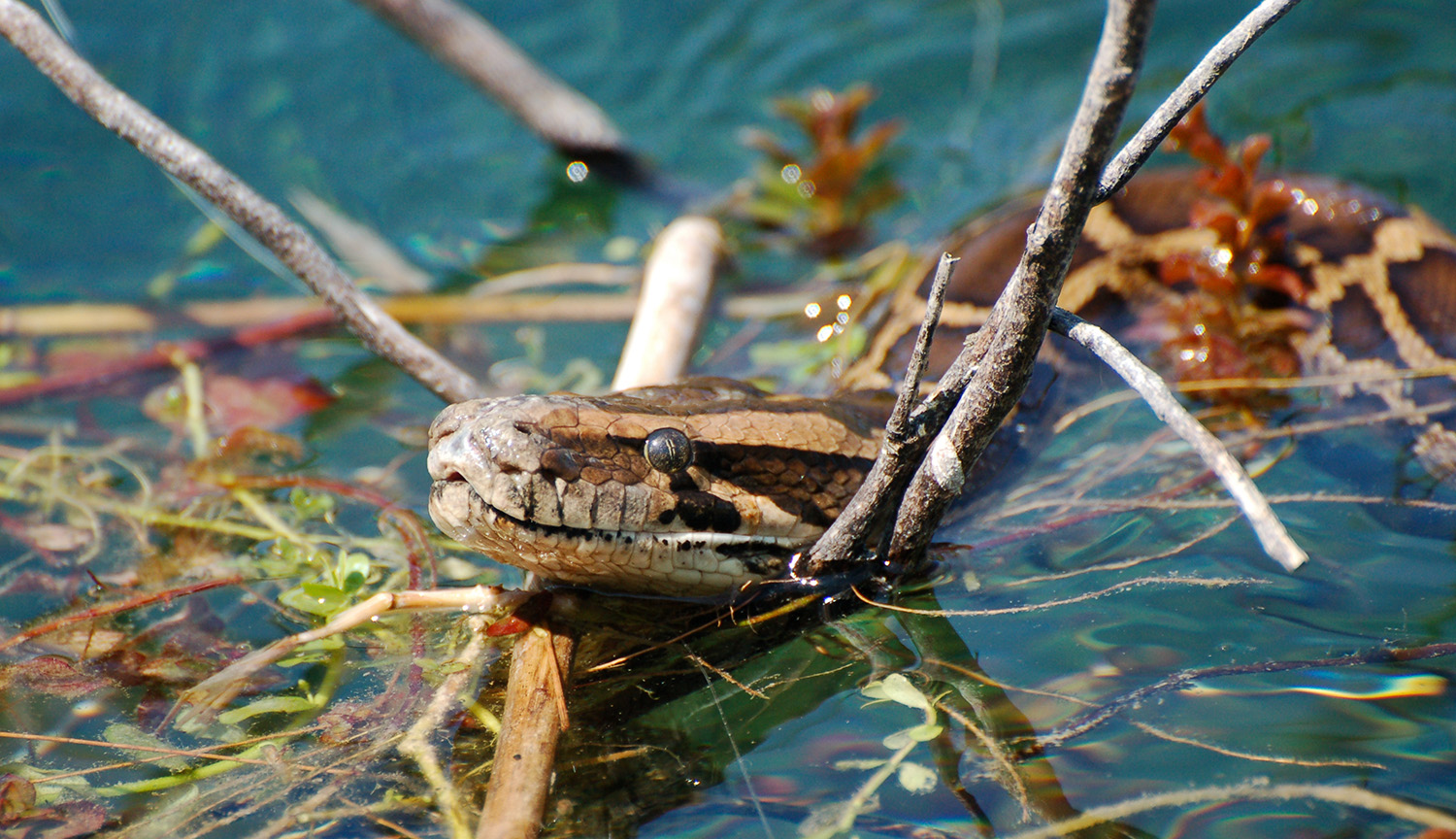
Invasive species are transforming the Everglades

From Burmese pythons and Asian swamp eels to Old World climbing ferns, South Florida hosts hordes of non-native animals and plants. What can be done about the ecological havoc they are wreaking?

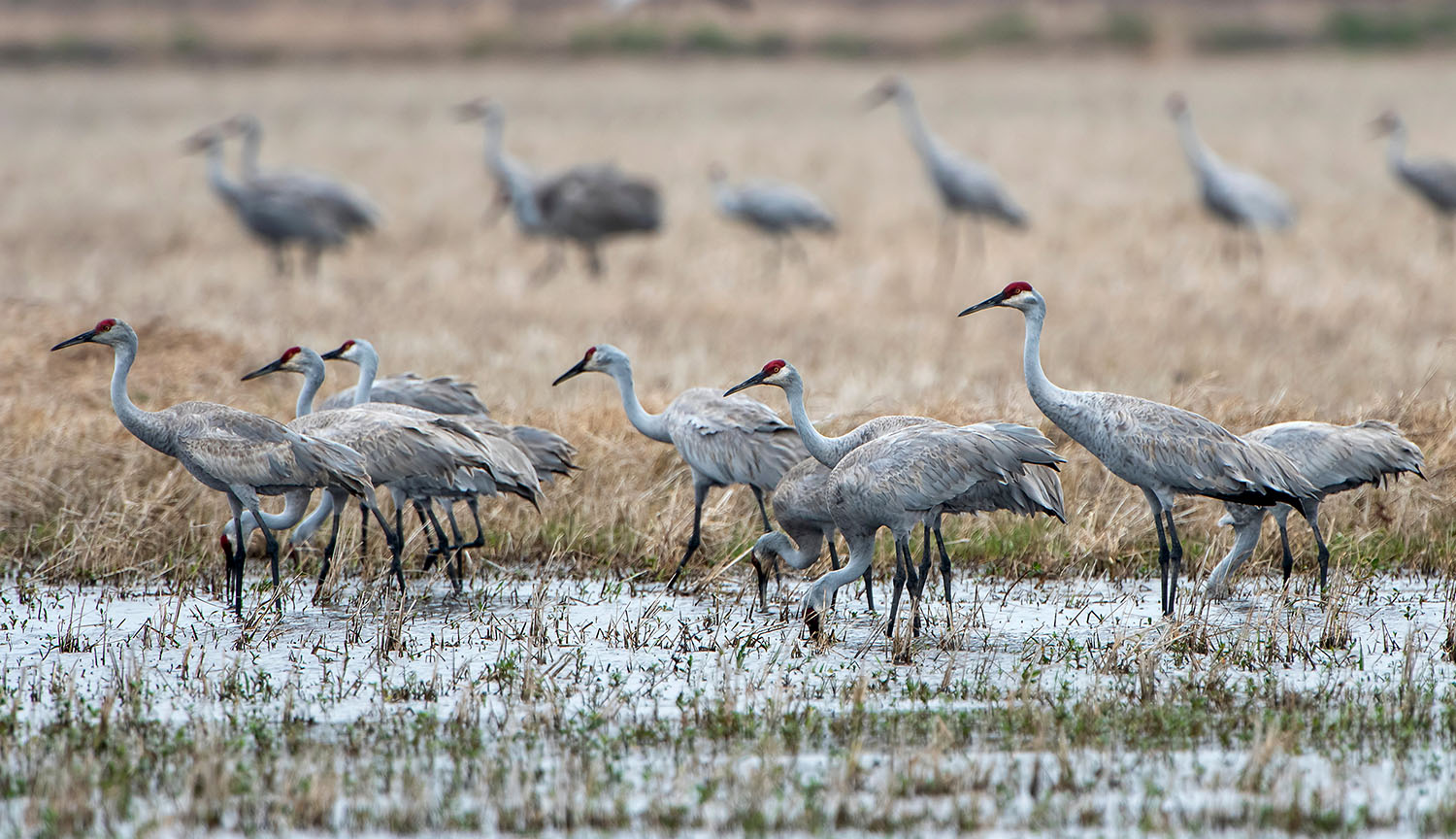
How farmers can help rescue water-loving birds

Cranes, sandpipers, ducks, geese and many other waterbirds have lost essential rest stops along their seasonal migration routes. Bird-friendly agriculture can assist in filling the gaps.

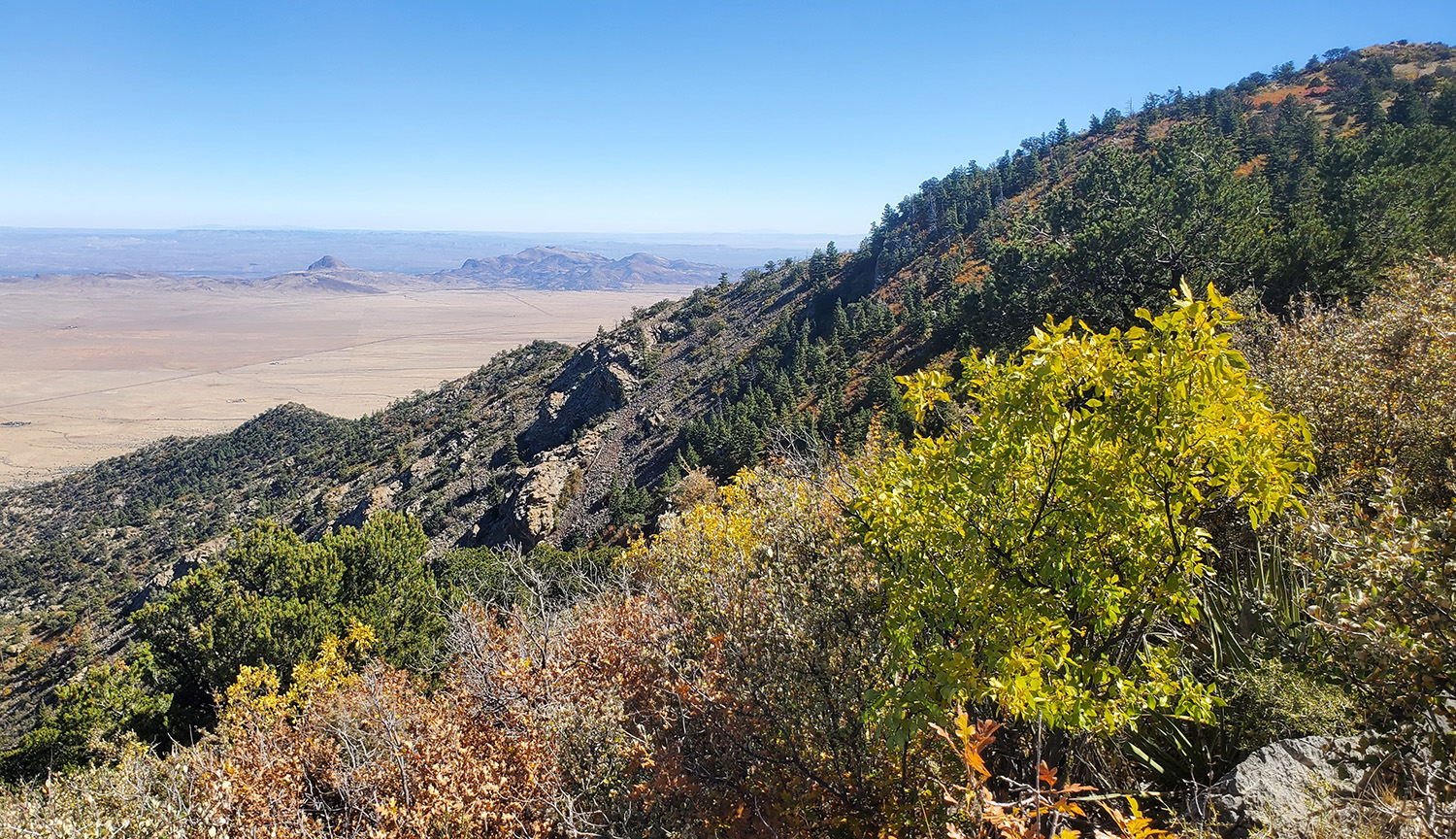
Hunting sky islands for genetic clues to climate resilience

OPINION: Isolated mountaintops are hotbeds of evolutionary adaptation and great places to study how climate change affects ecosystems

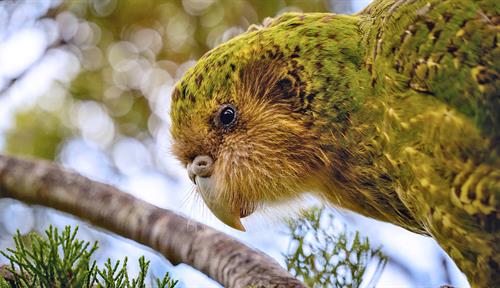
New Zealand’s quest to save its rotund, flightless parrots

DNA sequencing, GPS tracking and tailored diets are slowly restoring the endangered kākāpō

Indigenous languages are founts of environmental knowledge

Peoples who live close to nature have a rich lore of plants, animals and landscapes embedded in their mother tongues — which may hold vital clues to protecting biodiversity

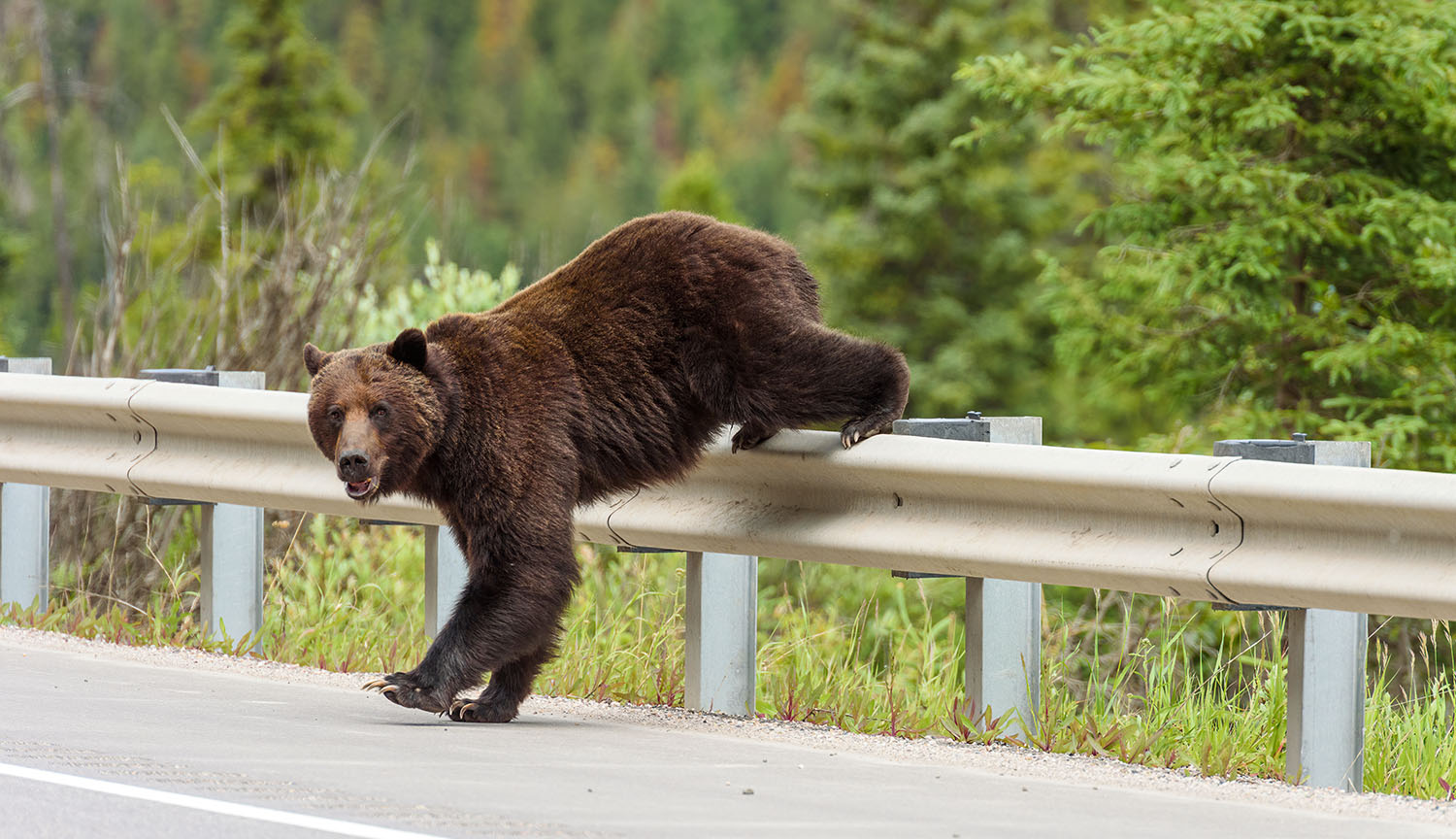
Getting along with grizzly bears

In rural Alaskan and Canadian communities, reducing conflict between people and their wild neighbors means both species must change their behavior

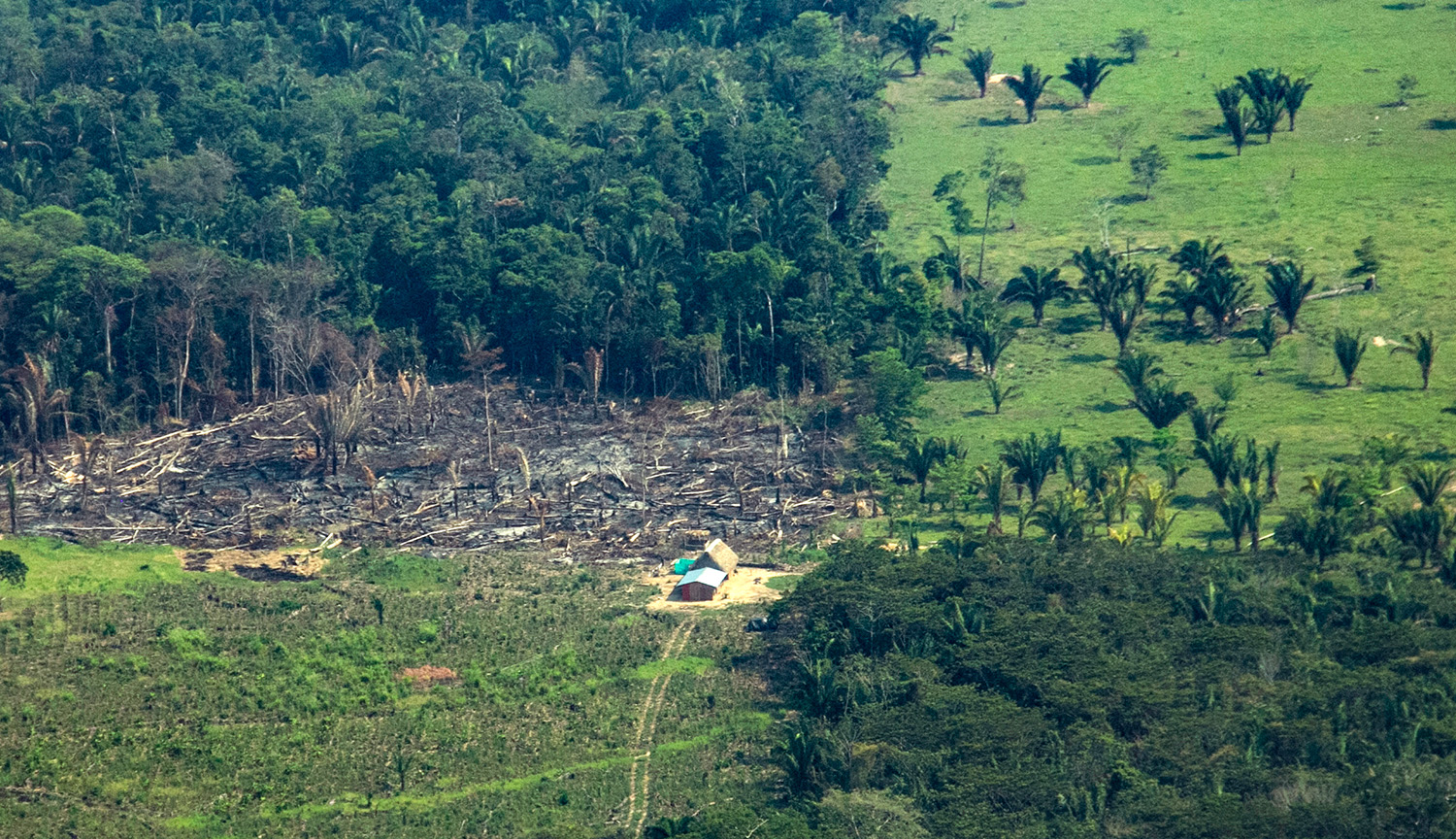
Losing the connection between the Andes and the Amazon: A price of peace in Colombia

The South American country, where the biodiversity of the Andes meets that of the Amazon, is losing the great natural wealth of some 1,500 square kilometers of forest each year, mainly in areas formerly under guerrilla control

This is a required field
Please enter a valid email address
Approval was a Success
Invalid data
An Error Occurred
Approval was partially successful, following selected items could not be processed due to error