cookies to track usage and preferences."
data-cookieaccepttext="I UNDERSTAND"
data-cookiedeclinetext="Disable Cookies"
data-cookiepolicytext="Privacy Policy">
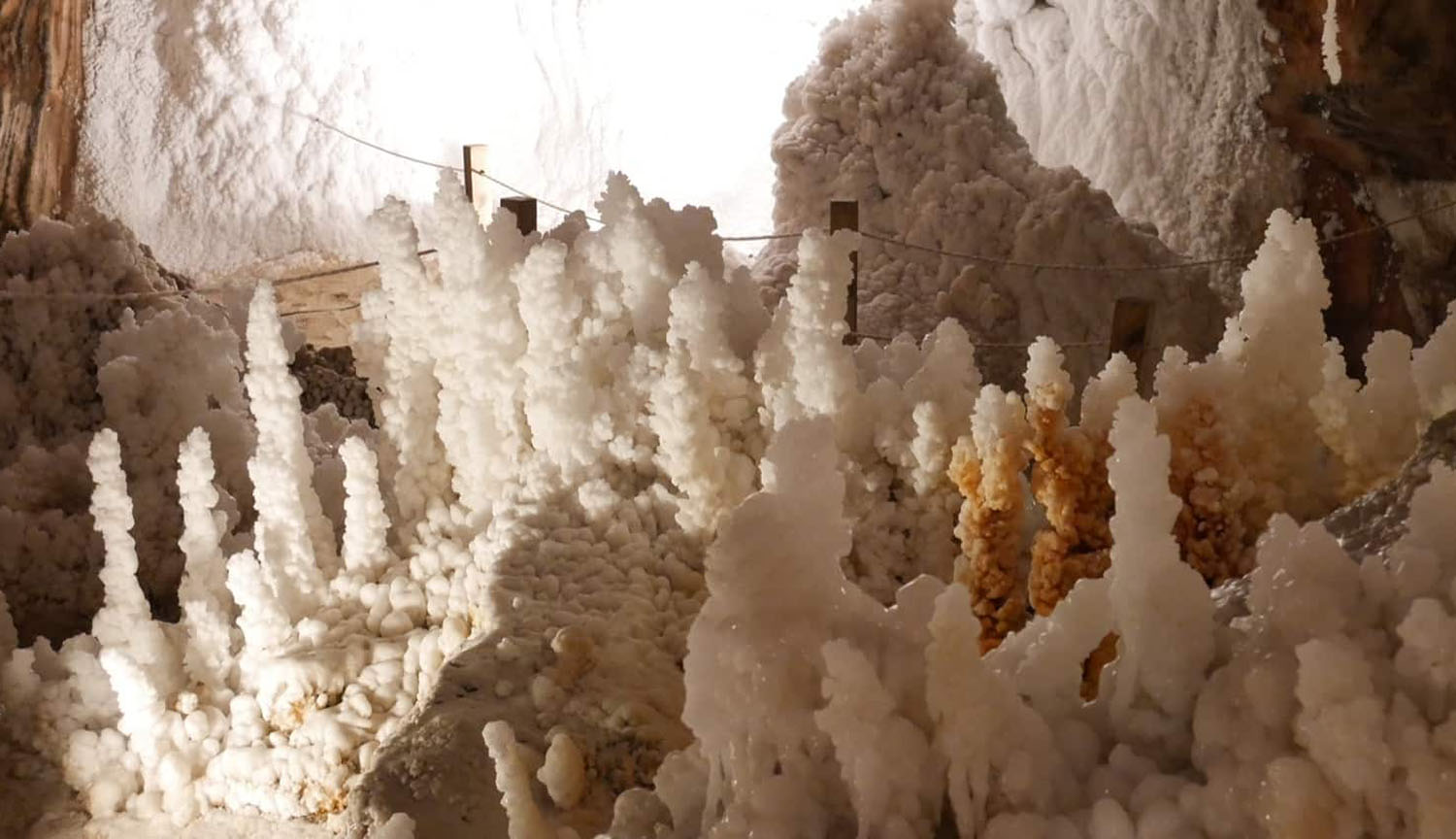
Researchers have long believed that a sudden, massive deluge filled a dry, salt-filled Mediterranean some 5 million years ago. Turns out that probably didn't happen, but there was still drama aplenty.
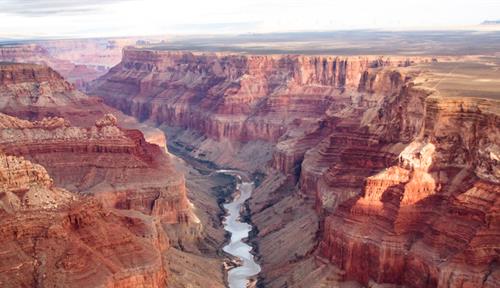
After 100 years as a national park and eons as a geological wonder, the American icon continues to reveal layers of its past and of the landscape ahead
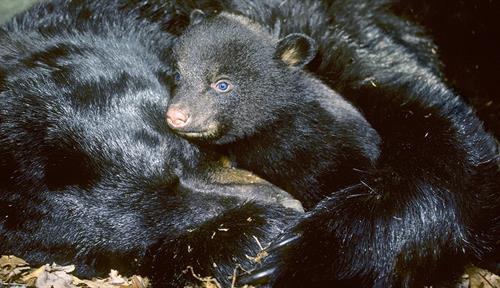
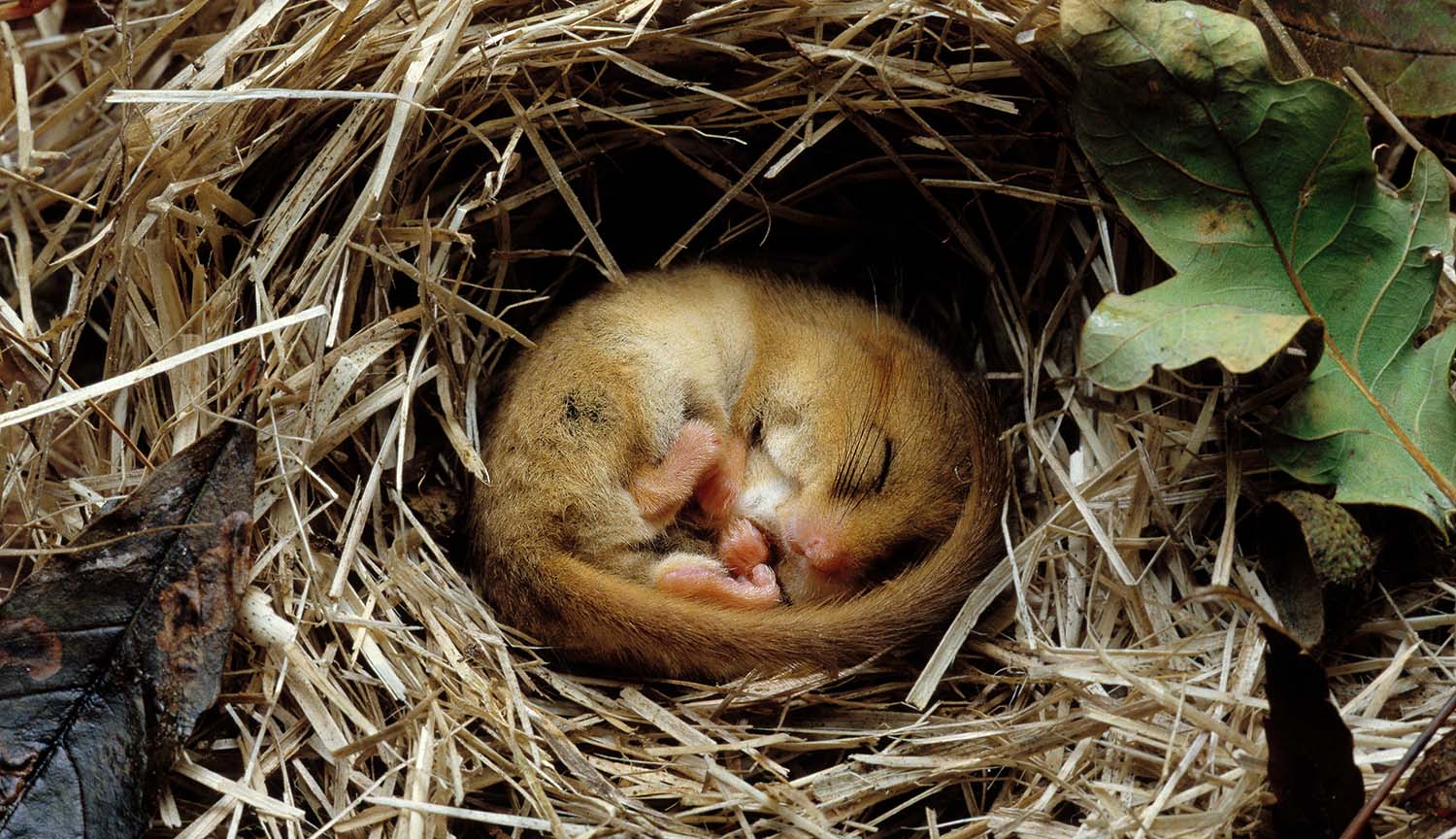
The creatures’ annual protracted snoozes have much to tell us about the biology of mammals, ourselves included. Now scientists are watching to see how bears will tweak their habits as the climate warms.
OPINION: Human behavior is fueling major social dilemmas — from climate change to the Covid pandemic to the spread of misinformation. But that means it’s also the solution, if only we can harness psychology for the common good.
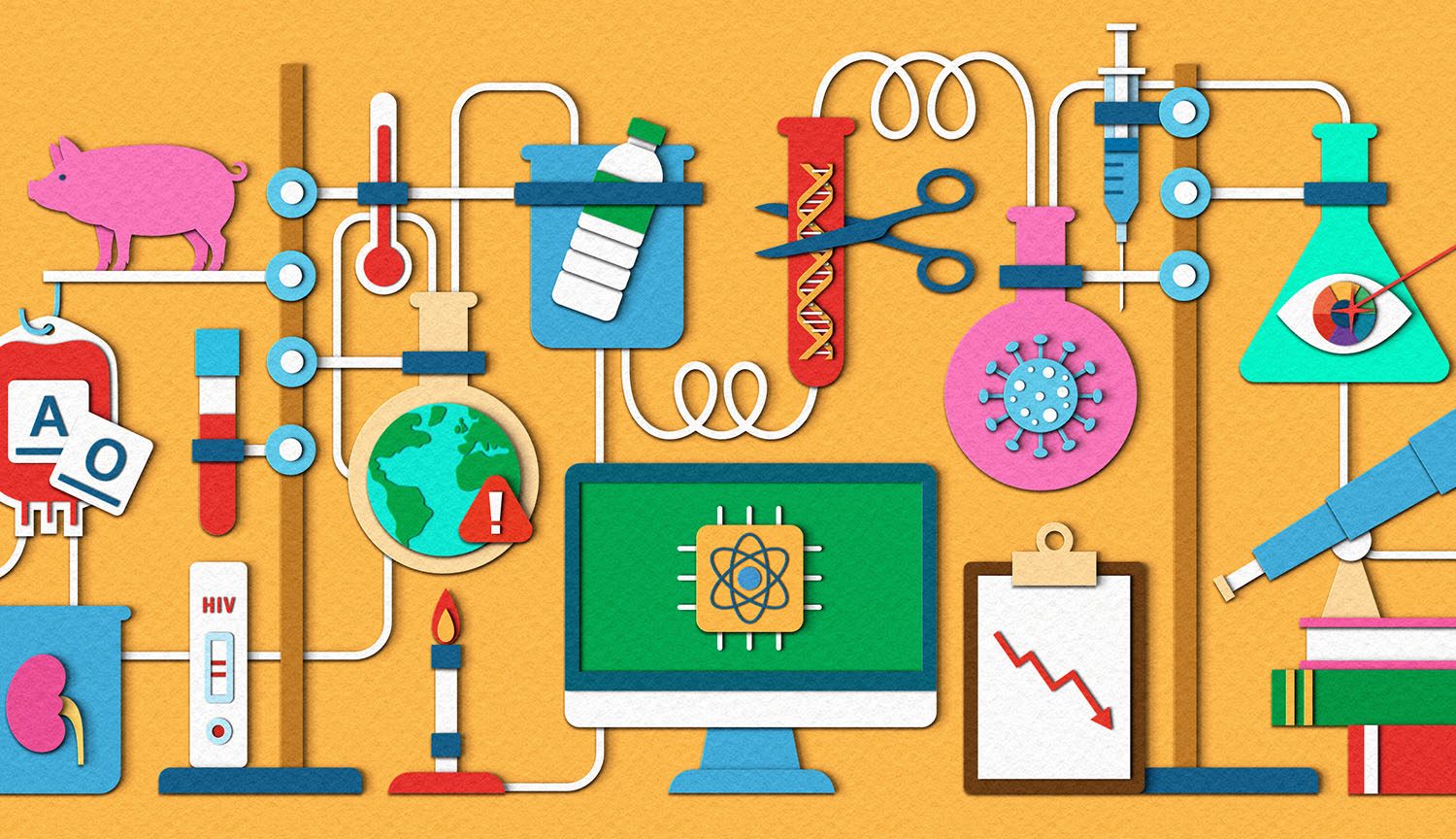
In a year of funding chaos, ongoing climate change and pollution perils, we also saw the most powerful telescope yet, personalized gene therapy, and the next-best-thing to an HIV vaccine — not to mention a brand-new color
In Nevada and other US states, entrepreneurs are anticipating the coming boom in retired lithium-ion batteries from electric cars and hoping to create a market for recycled minerals
The scientist who found a way to tally up global catches is an ocean advocate and a vocal critic of industrial fisheries. Now we have a treaty for the high seas — but does it go far enough?
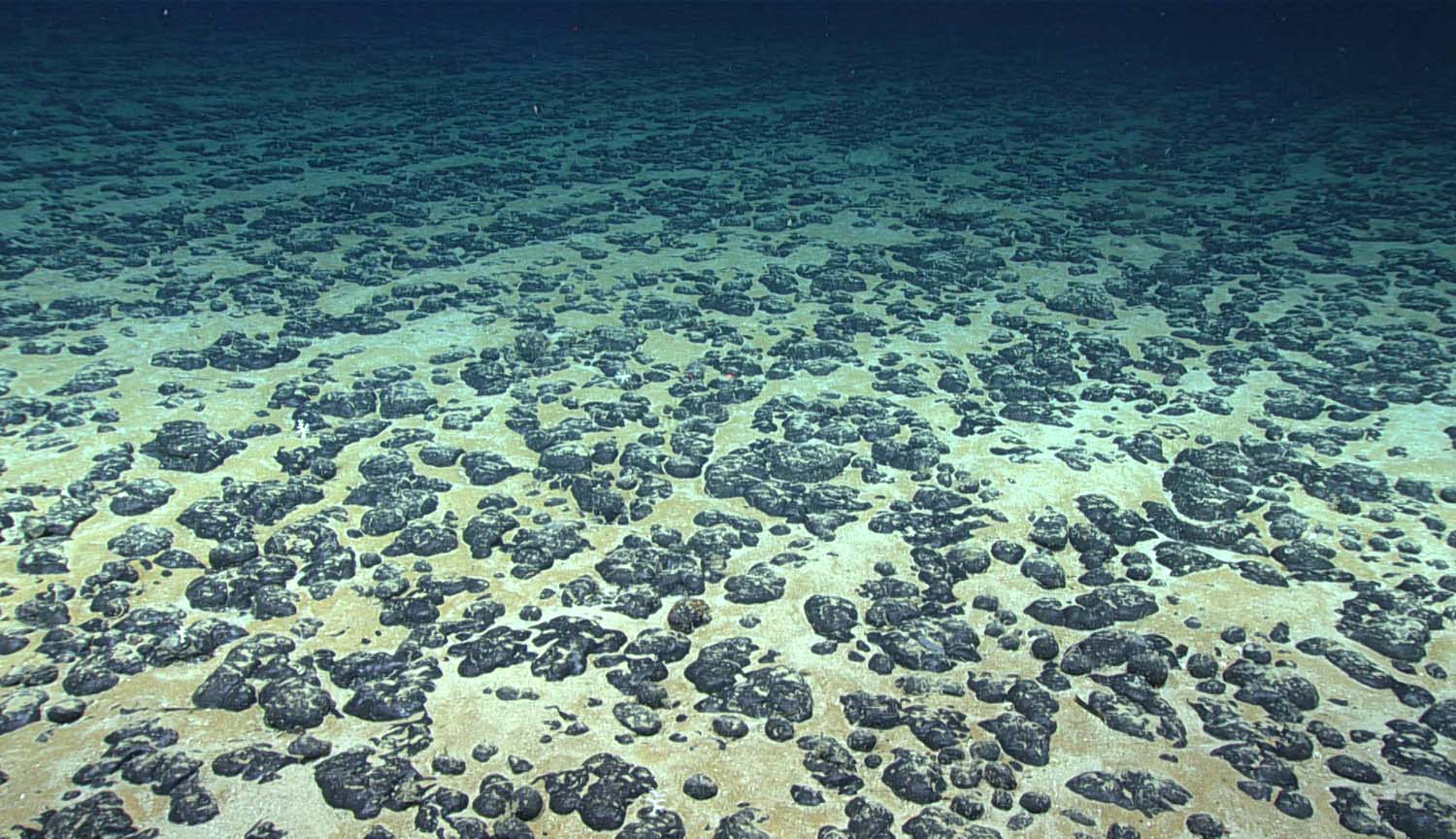
Keeping global warming to manageable levels will require removing carbon dioxide from the atmosphere and storing it somewhere else. The world’s oceans may be a promising option.
For thousands of years, humanity has had a love affair with cement and concrete. But now, industry groups and researchers are seeking solutions to the huge amounts of carbon dioxide that cement-making generates.
Close X
This is not a paywall.
Knowable Magazine is free to read. But just because our articles are free to read doesn’t mean they are free to produce. If you value our trustworthy science journalism, please support it with a donation.