cookies to track usage and preferences."
data-cookieaccepttext="I UNDERSTAND"
data-cookiedeclinetext="Disable Cookies"
data-cookiepolicytext="Privacy Policy">
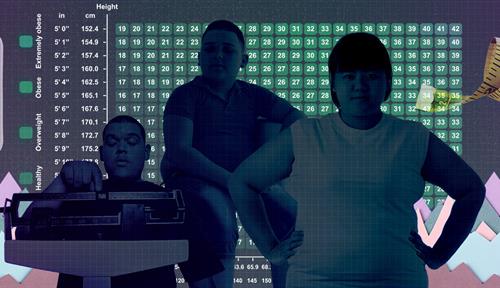
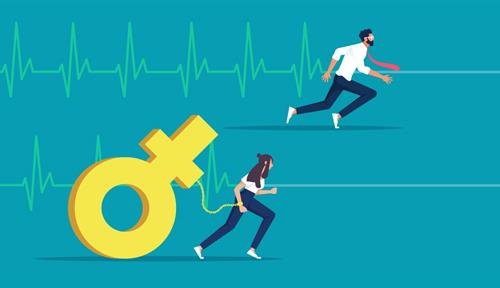
Katherine Flegal was a scientist who found herself crunching numbers for the government, until one day her analyses set off a firestorm. What does she make of her decades as a woman in public health research?
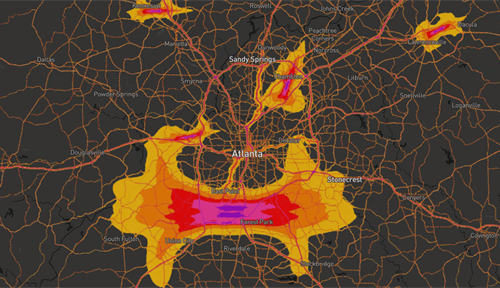
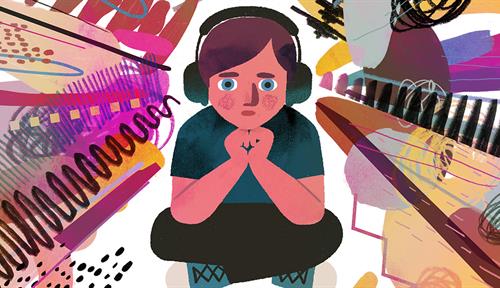
Loud road and air traffic has been linked to a greater risk of high blood pressure, heart attacks and strokes. Scientists are uncovering new details about how what you hear stresses the cardiovascular system.
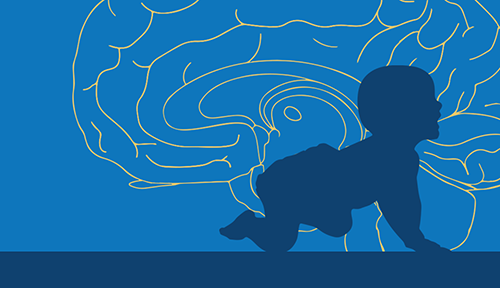
VIDEO: Learn how the baby brain changes from gestation to toddlerhood, and what parents, teachers and policymakers can do to ensure kids are set up for success
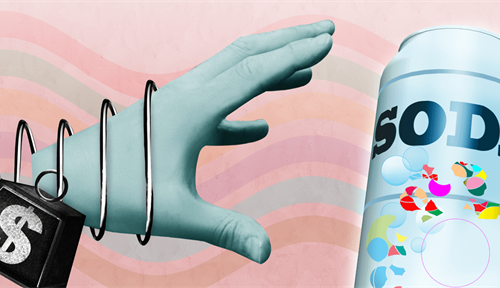
An increasing number of cities and countries have begun taxing sugary beverages. But can raising the price of these drinks really make a dent in obesity, diabetes and other ailments?
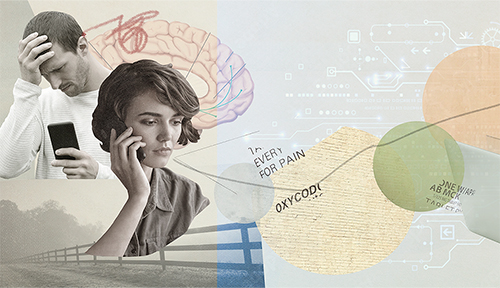
The Covid-19 pandemic brought a sudden shift to virtual health care. That has increased access — and possibly outcomes, too — for patients with opioid use disorder.
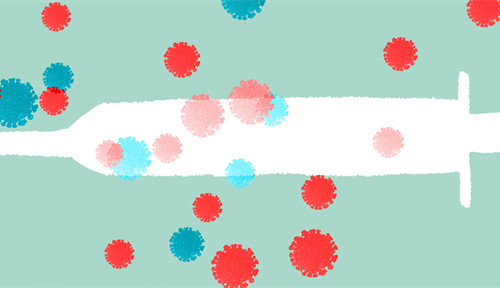
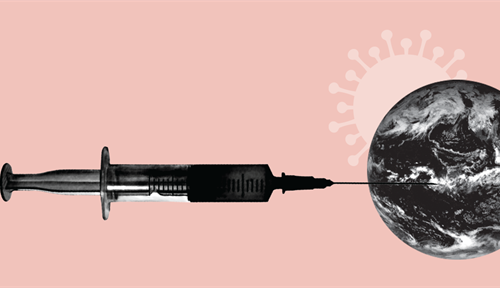
Researchers around the globe are working with unprecedented speed to find the vaccines we need to find our way through the pandemic. What’s the bar for safety and effectiveness?
VIDEO: In the US today, prisons are an entrenched part of the criminal justice system, yet they are a relatively modern way of dealing with crime. How have society’s attitudes toward punishment shifted over time and why does it matter? Join us for a free online event on Wednesday, March 23.
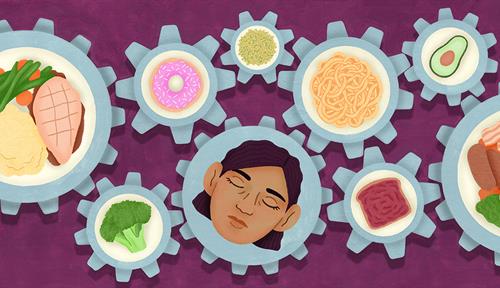
Cognitive behavioral therapy is proving to work well, but only for some patients. Scientists are seeking new innovations to help people grappling with the pervasive and often-hidden problems of anorexia, bulimia and binge eating.
VIDEO: When can the people who still need a Covid-19 vaccine expect to get one? Delve into the supply, distribution and political issues delaying global access to a lifesaving, economy-rescuing marvel.
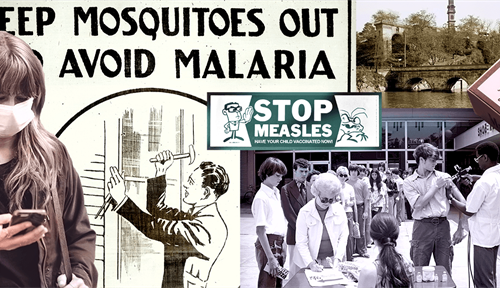
Covid-19 has exposed the weak spots of the US public health system — and that presents an opportunity, says an epidemiologist, for the nation to recognize the problems and act to fix them
The coronavirus pandemic has shuttered labs and sidelined scientists all over the world. Here’s a look at how some of them have coped.
Close X
This is not a paywall.
Knowable Magazine is free to read. But just because our articles are free to read doesn’t mean they are free to produce. If you value our trustworthy science journalism, please support it with a donation.