cookies to track usage and preferences."
data-cookieaccepttext="I UNDERSTAND"
data-cookiedeclinetext="Disable Cookies"
data-cookiepolicytext="Privacy Policy">
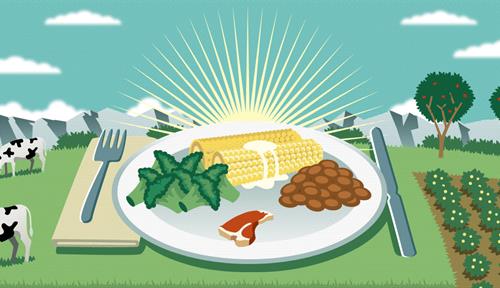
Scientists find that a small amount of animal products could have a place in our diets without wreaking environmental havoc. But it’s far less than what we consume today, and only if farmed in just the right way.
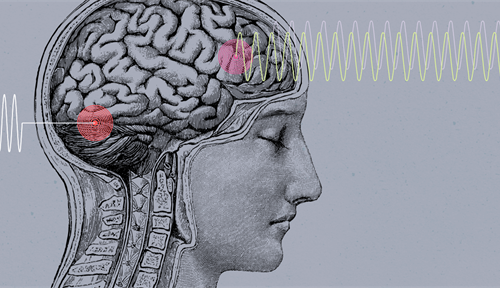
Ultrasound isn’t just for images. Sonogenetics and other promising technologies let researchers use focused sound waves to control genes and entire cells deep in the tissues of living animals, without surgery.
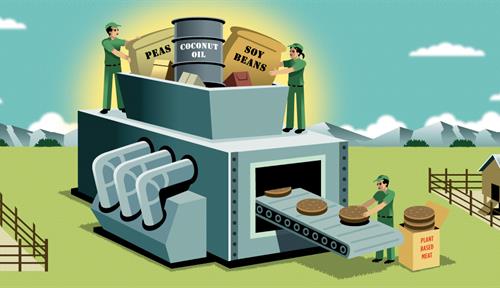
Marketed to meat lovers, plant-based burgers like Impossible and Beyond claim to taste like the real thing and to have far lighter environmental footprints. Here’s what the numbers have to say.
Lower-income countries haven’t gotten an equal share of lifesaving coronavirus vaccines. Older, more familiar vaccine technologies may hold the key to more equitable use, says Maria Elena Bottazzi.
For women, a short-term fling may involve a quest for good genes or just a good time. It’s a puzzle for the researchers looking at how people choose mates.
At last, neuroscientists are learning how the hormone shapes social behaviors such as pair-bonding and parental care. It’s more complicated than they thought.
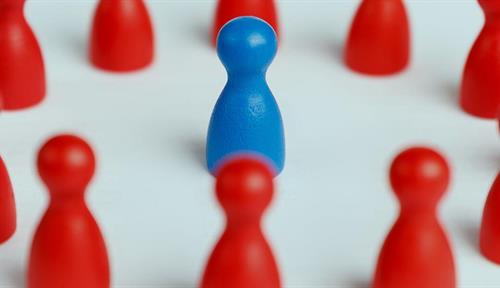
How we want to be perceived influences how we act, and that presents persuasion opportunities. But the social factors involved are not easy to unravel.
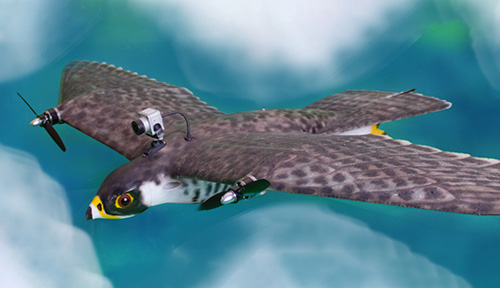
Suddenly, biologists have hundreds of complete genome sequences of our feathered friends. That wealth of data is revolutionizing understanding of bird biology and evolution.
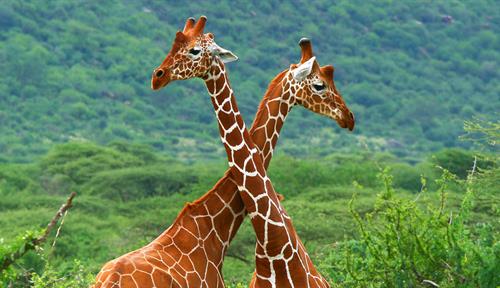
Because of their height, giraffes require scarily high blood pressures — yet they escape the massive health problems that plague people with hypertension. Can clinicians learn from these animals?
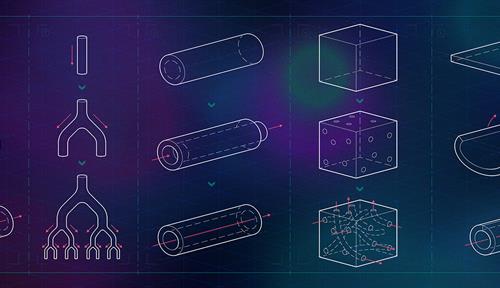
Lungs, blood vessels, kidneys and more: Our bodies are full of branching pipes. Their development follows a handful of basic principles.
Close X
This is not a paywall.
Knowable Magazine is free to read. But just because our articles are free to read doesn’t mean they are free to produce. If you value our trustworthy science journalism, please support it with a donation.