cookies to track usage and preferences."
data-cookieaccepttext="I UNDERSTAND"
data-cookiedeclinetext="Disable Cookies"
data-cookiepolicytext="Privacy Policy">
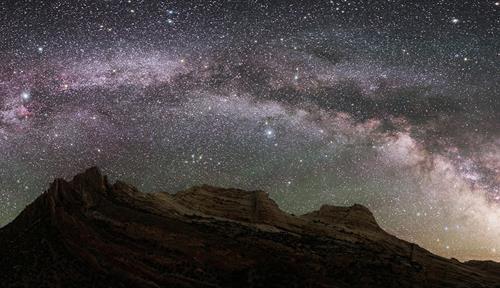
The idea of a multiverse — multiple realms of space differing in basic properties of physics — bugs some scientists. Others find it a real possibility that should not be ignored.
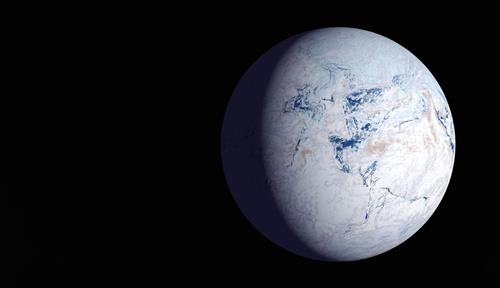
Ancient rocks suggest that ice entirely covered our planet on at least two occasions. This theory may help explain the rise of complex life that followed.
To understand what might be lost, ecologist Janet K. Jansson taps molecular methods to explore Earth’s underground microbes, from the permafrost to the grasslands
Our mark on Earth is so profound that some argue it’s time to bid goodbye to the current geological time period — the Holocene — in favor of a new one: the Anthropocene.
Getting our homes and workplaces to be energy efficient has major benefits — but not when it is done one window at a time. Here’s why deep retrofits and biomaterials are key to more sustainable living.
ACs and refrigerators help keep people safe — but they also further warm the planet. Scientists are working on eco-friendlier solutions as global demand for cooling grows.
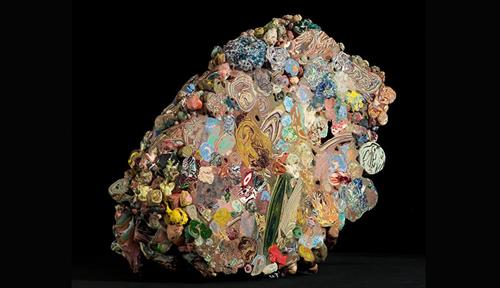
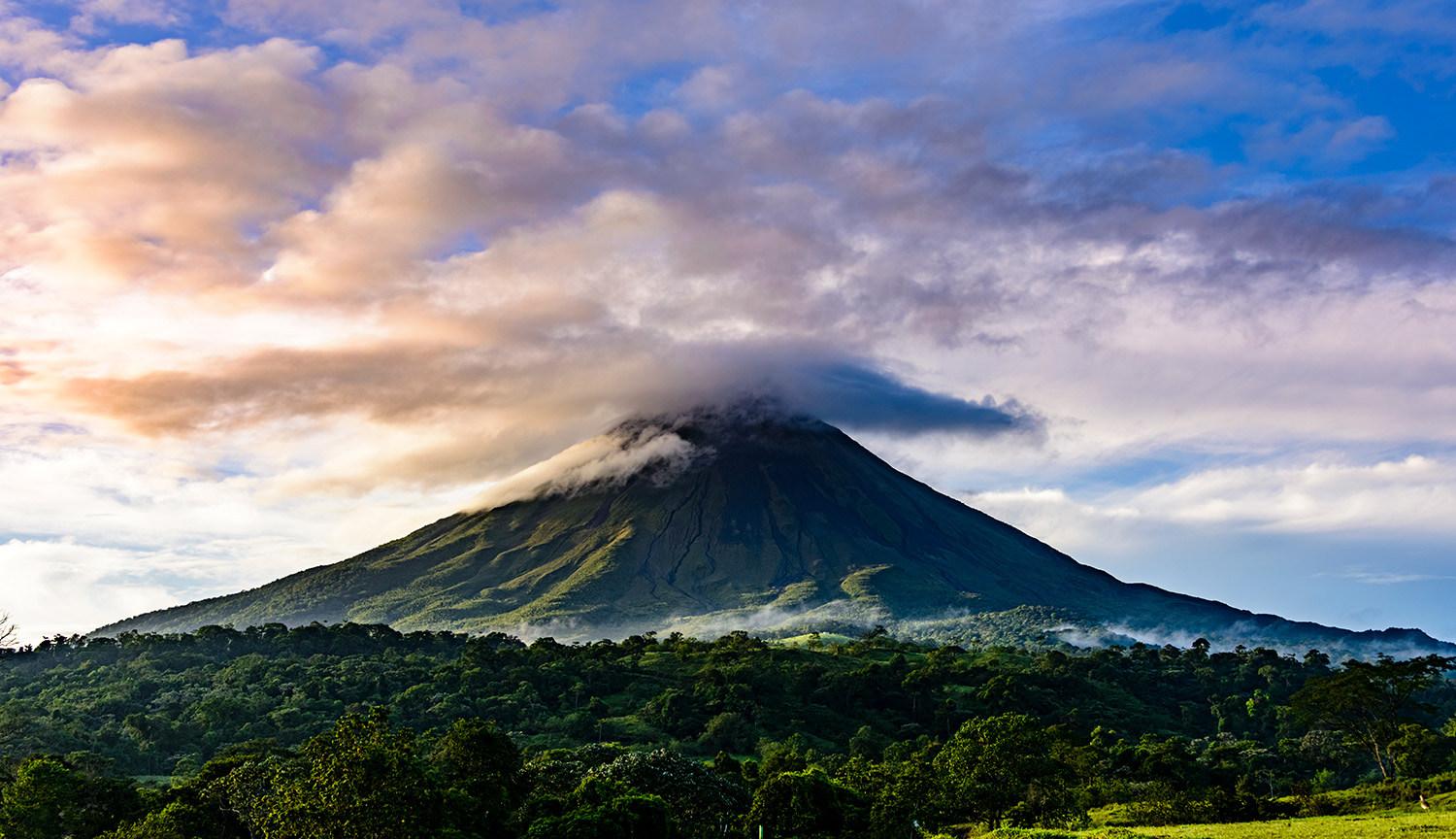
Along 1,100 kilometers, from Mexico to Costa Rica, lies the Central American volcanic arc, where the variety of magma types make for a geological paradise
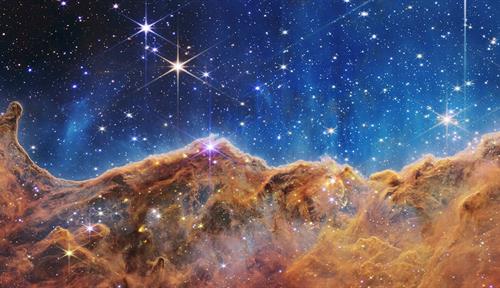
Astronomer Lisa Kaltenegger reckons the galaxy could contain as many as 40 billion habitable planets. Here, she speaks about the search for those faraway worlds and signatures of life.
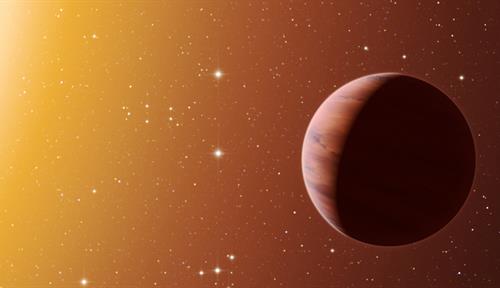
Hot Jupiters were the first kind of exoplanet found. A quarter-century later, they still perplex and captivate — and their origins hold lessons about planet formation in general.
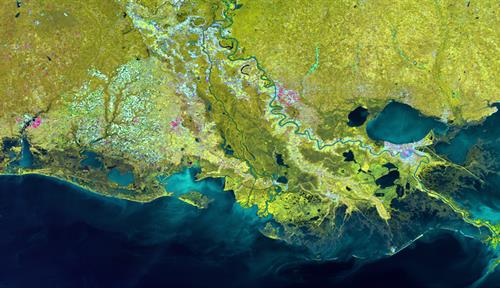
The wet landmasses, though inherently impermanent, have been essential to both people and wildlife for thousands of years. But recent shifts have brought on some rapid losses that worry scientists.
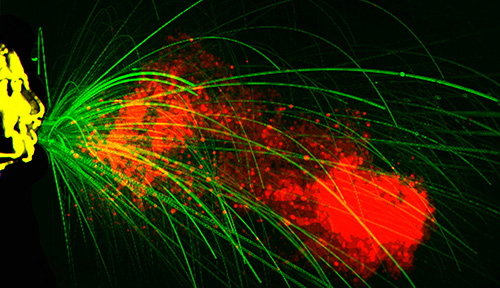
Viruses and bacteria travel in fluids, such as the air we breathe. Studying exhalations, toilet flushes and rain drops, with math and modeling, can sharpen the big-picture view of how to prevent infections.
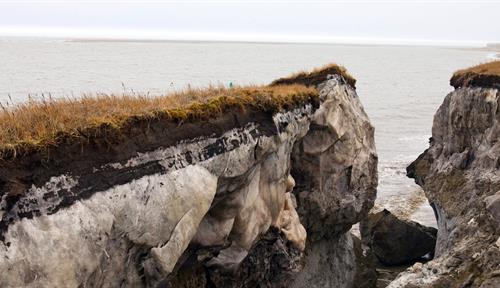
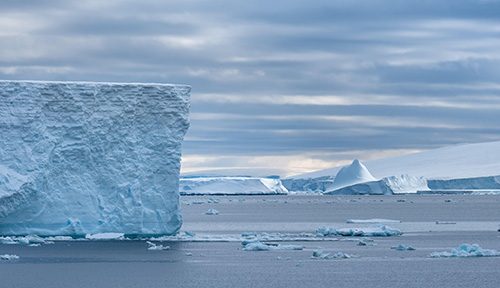
As glacial cliffs break off and destabilize frozen landscapes, glaciologist Richard Alley focuses on the fractures. The work could improve predictions about future sea-level rise.
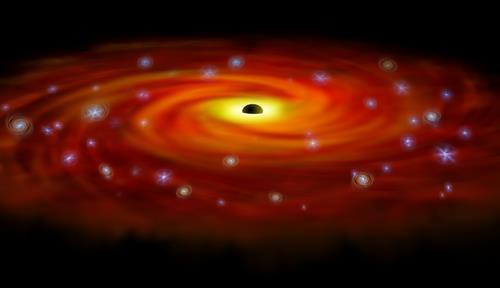
Measurements of the acceleration of the universe don’t agree, stumping physicists working to understand the cosmic past and future. A new proposal seeks to better align these estimates — and is likely testable.
Close X
This is not a paywall.
Knowable Magazine is free to read. But just because our articles are free to read doesn’t mean they are free to produce. If you value our trustworthy science journalism, please support it with a donation.