cookies to track usage and preferences."
data-cookieaccepttext="I UNDERSTAND"
data-cookiedeclinetext="Disable Cookies"
data-cookiepolicytext="Privacy Policy">
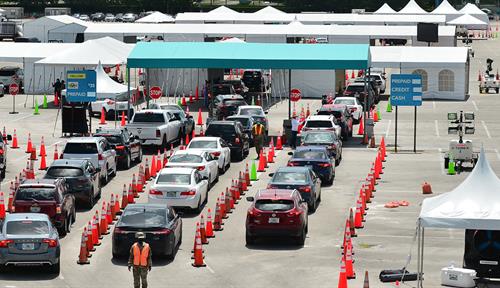
Scientists are working at breakneck speed to develop inexpensive tools that take only minutes to tell if someone is infected — a feat that could pave the way for a safer return to normalcy
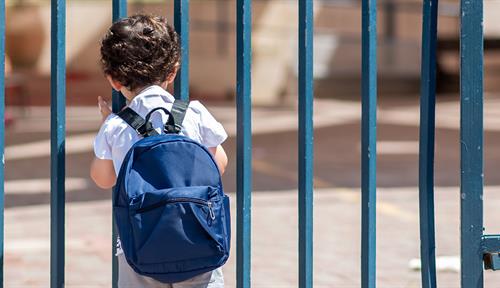
OPINION: Children around the world were out of school for months, with big impacts on learning, well-being and the economy. How do we avoid a ‘generational catastrophe’?
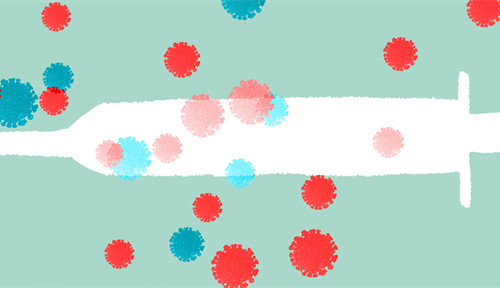
Researchers around the globe are working with unprecedented speed to find the vaccines we need to find our way through the pandemic. What’s the bar for safety and effectiveness?
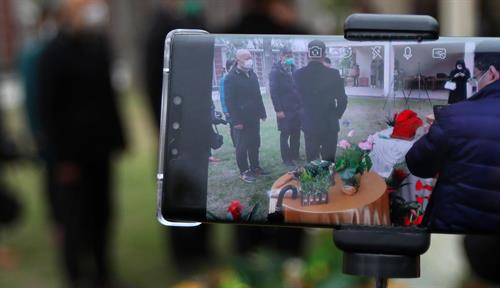
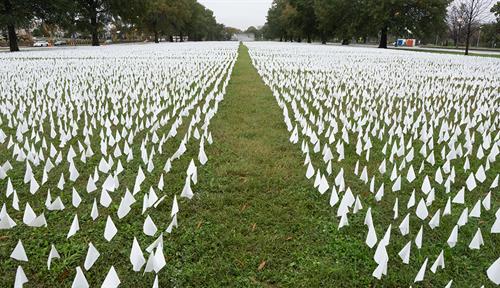
Funerals, burials and other ways of communally commemorating those who have died have always been part of human history. The need for social distancing has upended these psychologically important rituals and fostered creative alternatives.
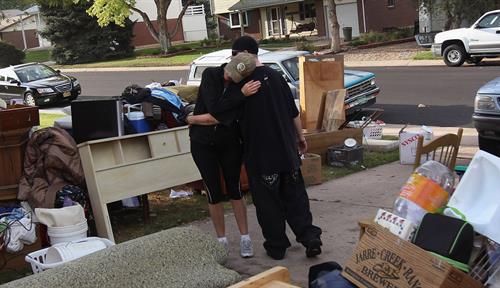
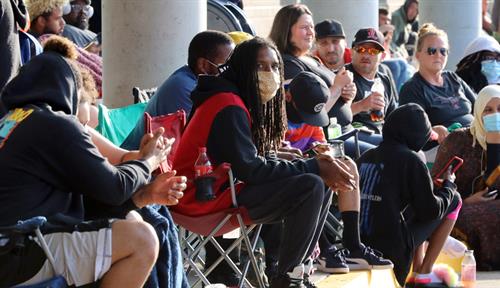
Amid political debate over benefits during the pandemic, a researcher explains why unemployment insurance and other government measures are crucial for the economy and employees to survive troubled times
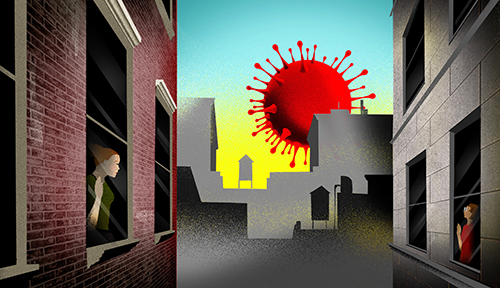
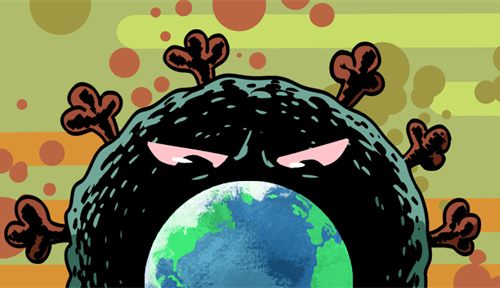
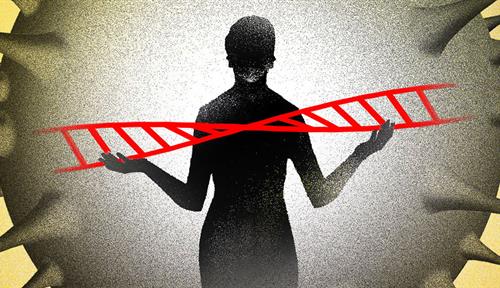
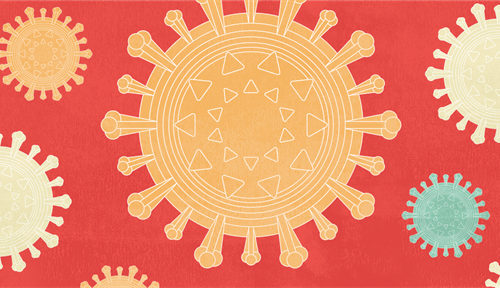
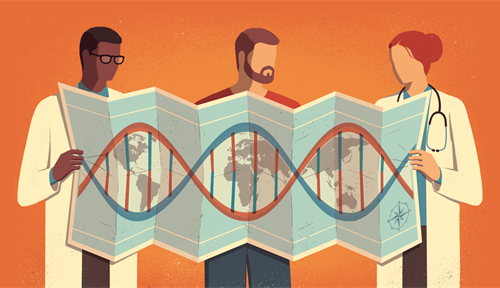
COMIC: As it spreads throughout the world, the virus that causes Covid-19 has been changing. Scientists are tracking those changes, hoping to stay one step ahead of worrisome strains.
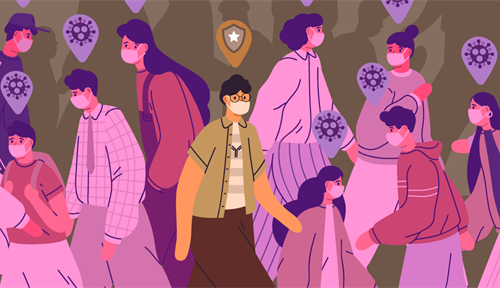
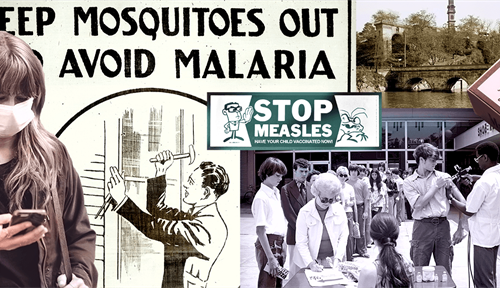
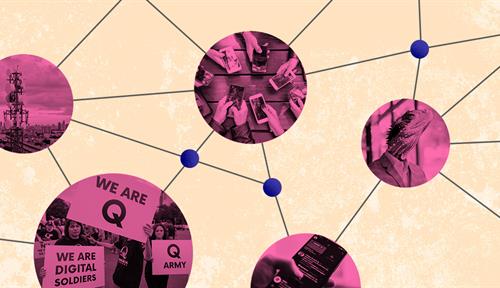
Public health messages should be loud and clear, so that everyone listens and stays safe. But that’s easier said than done — especially with a case as complex as Covid-19.
Antibodies should indicate if someone has had an infection in the past. But the promise of “immunity testing” is plagued by uncertainty about how the immune system responds to the coronavirus, as well as concerns about the tests’ accuracy.
The body’s defenses lose flexibility and diversity over time, and protective responses to vaccines weaken as well. Scientists are working on ways to boost seniors’ protections against influenza, the novel coronavirus and other pathogens.
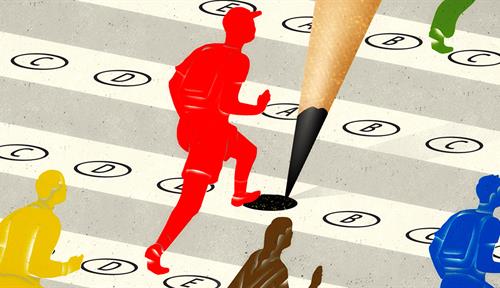
Many colleges and universities stopped requiring the SAT and ACT during Covid. Will they go back to testing in the future? Select: (a) Yes (b) No (c) Depends (d) Not enough information.
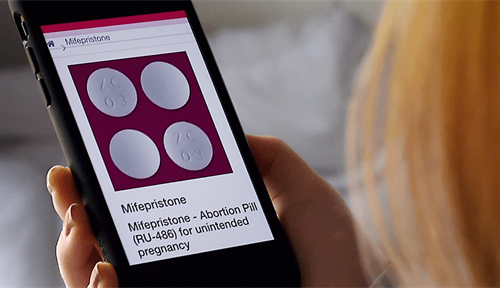
OPINION: The pandemic has taught us how we can deliver better care to patients who seek to terminate pregnancies. Now if only science could triumph over politics.
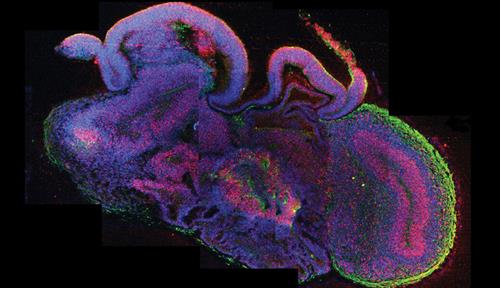
While studies in mice and people can be slow, researchers are making fast progress testing medications in miniature airways and guts made of human cells
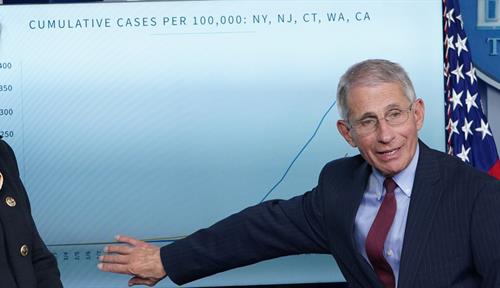
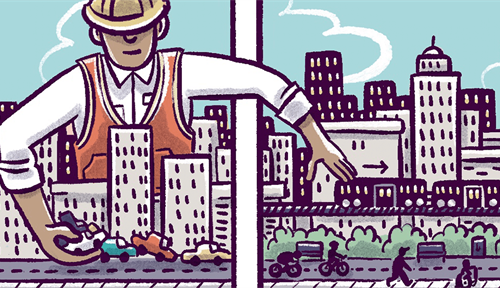
Covid-19 has exposed the weak spots of the US public health system — and that presents an opportunity, says an epidemiologist, for the nation to recognize the problems and act to fix them
Pathogens can make us sick. Just how sick depends on genetic variations, including ones that sabotage immune molecules called interferons. A better understanding could lead to new treatments for Covid-19 and other scourges.
Our national and social identity is deeply rooted in values like freedom, equality and order. A political scientist explores how these ideas affected the US response to the pandemic.
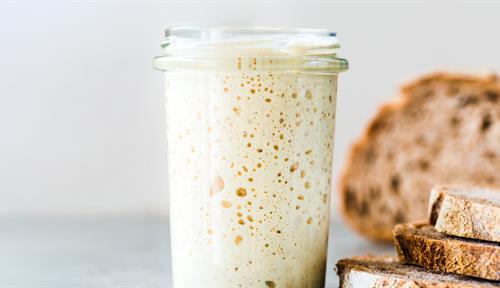
It all starts with a community teeming with yeasts and bacteria — but what’s really happening? Scientists peer into those jars on the kitchen counter to find out.
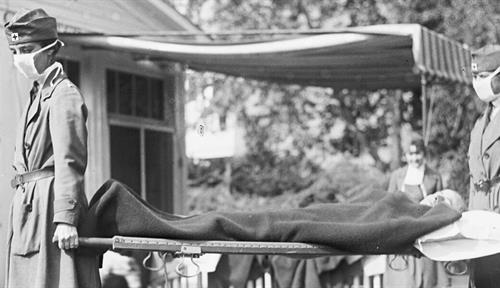
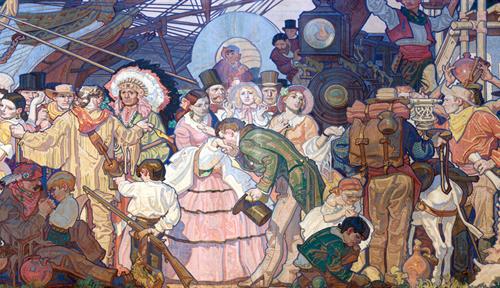
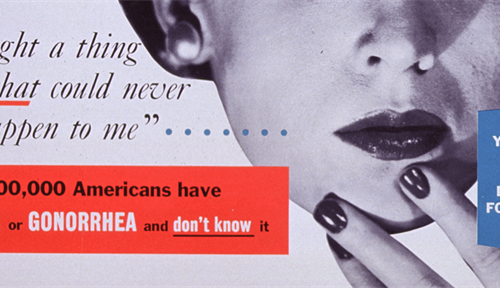
TIMELINE: From colonial efforts to control smallpox outbreaks to antimalarial campaigns targeting mosquitoes, the American effort grew for centuries. But cutbacks have weakened it in the past decades.
Closed borders, trade conflicts and supply-chain problems raise the specter of nations turning inward and disconnecting from one another. But Princeton’s Harold James thinks Covid-19 may well push us all closer.
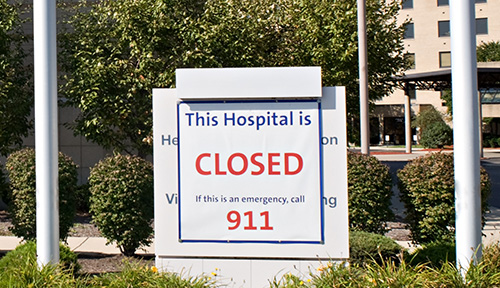
OPINION: Many health facilities were already in fiscal straits before Covid-19 — except in Maryland. The state’s innovative and sound approach could be the answer to rescuing systems nationwide.
OPINION: Many Americans say they won’t take a vaccine. I am not one of <br xmlns="http://pub2web.metastore.ingenta.com/ns/"/>them — and I have the shots to prove it.
OPINION: Because of the pandemic, I couldn’t visit him in his nursing home, and because of his dementia he couldn’t understand why. Mismanagement of this crisis has failed the elderly and caused incalculable hurt.
As Covid-19 descended across the world, people sought refuge in gardens, parks and the woods. But it’s hard to measure how being in nature affects our well-being — and how we can best reap its rewards.
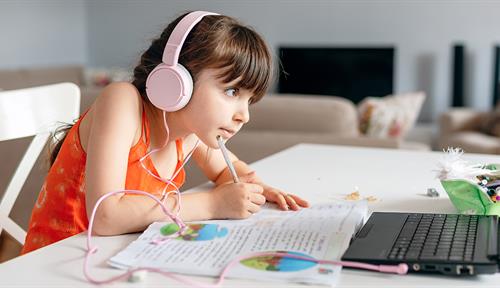
OPINION: A neuroscientist says that he’s particularly worried about kids, who may have spent much of last year learning online. Some easy hacks can help.
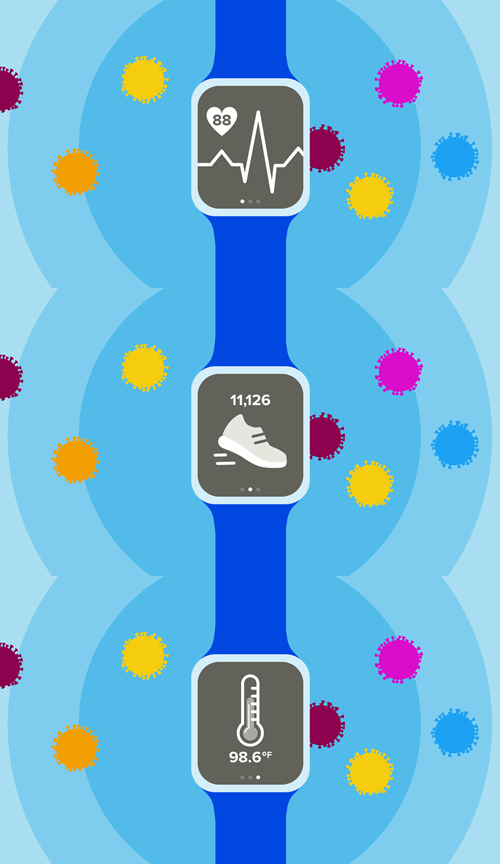
Wearable devices already collect vital signs like heart rate and skin temperature. New algorithms can use them to catch illness early — leading to urgent efforts to help battle the pandemic.
OPINION: People beat artificial intelligence hands-down at puzzling out new ways to fold molecules for a potential SARS-Cov-2 immunization. Thousands more players are needed.
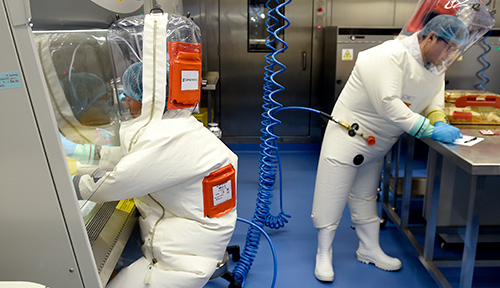
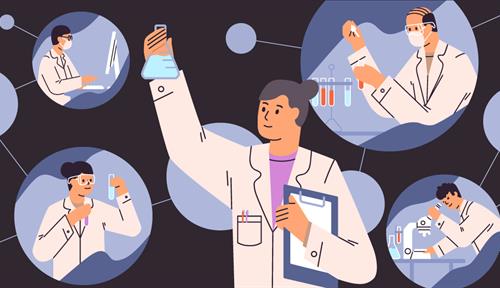
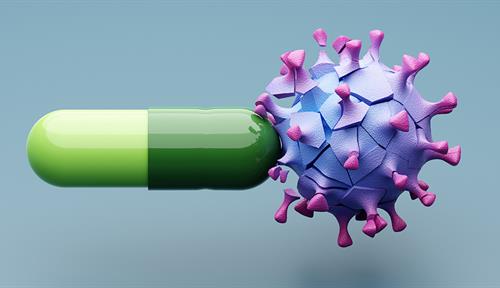
Antibiotics abound, but virus-fighting drugs are harder to come by, and Covid-19 amply shows how much we need them. Fortunately, scientists are getting better at making and finding them.
Reports of patients with neurological symptoms have emerged during the pandemic. Scientists don’t yet know whether these are a direct effect of the virus or part of the body’s response to infection.
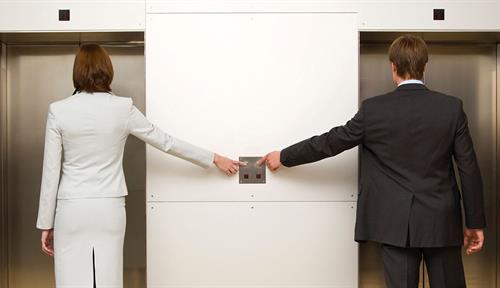
OPINION: So many things about this global health crisis come down to people’s small, day-to-day actions. What have we learned so far?
Close X
This is not a paywall.
Knowable Magazine is free to read. But just because our articles are free to read doesn’t mean they are free to produce. If you value our trustworthy science journalism, please support it with a donation.