cookies to track usage and preferences."
data-cookieaccepttext="I UNDERSTAND"
data-cookiedeclinetext="Disable Cookies"
data-cookiepolicytext="Privacy Policy">
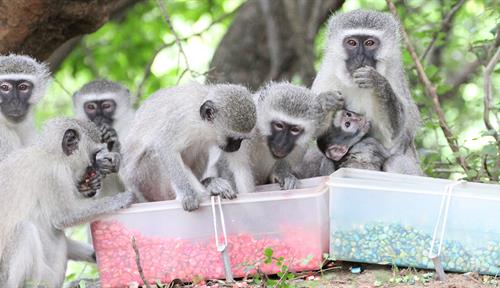
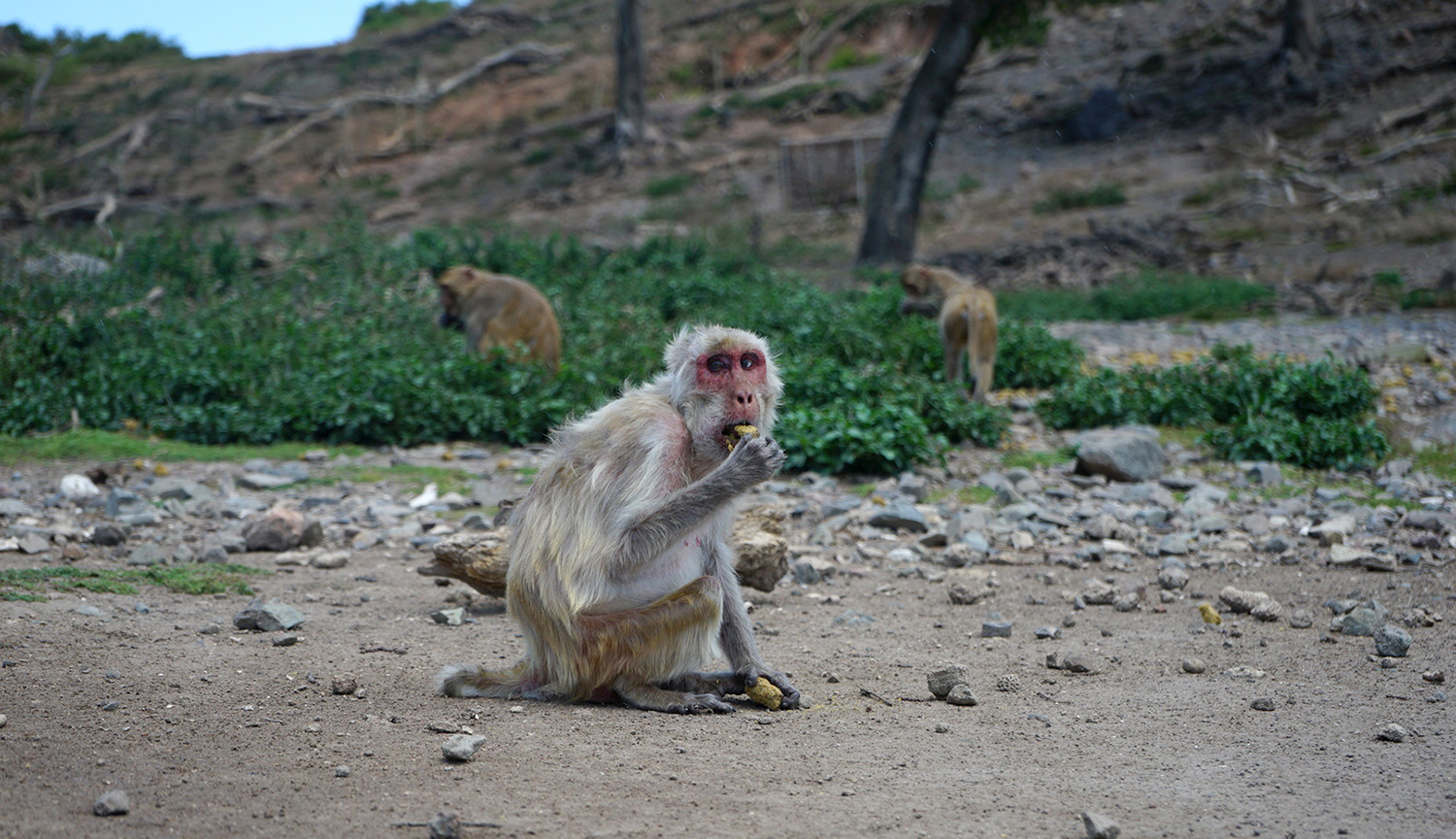
From monkeys washing potatoes to cockatoos raiding trash cans, socially spread behaviors allow creatures to adapt more rapidly to changing environments than conventional evolution would allow. But the traits are also more easily lost.
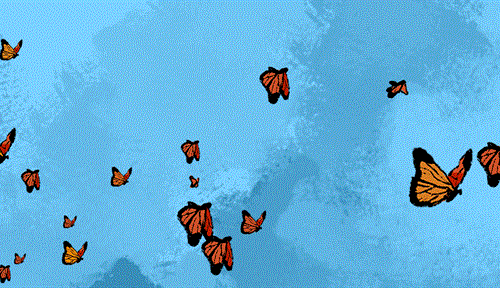
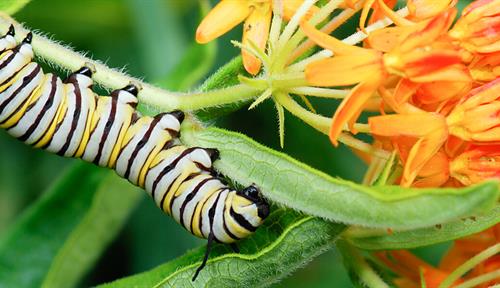
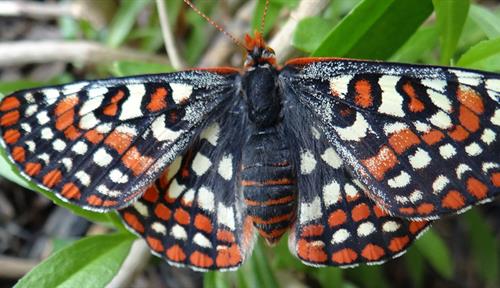
COMIC: The feisty orange-black butterfly uses a toolbox of biological tricks to find its way down to Mexico for winter and flap north again in spring. Here’s how scientists figured out those tricks — and what they don’t yet understand.
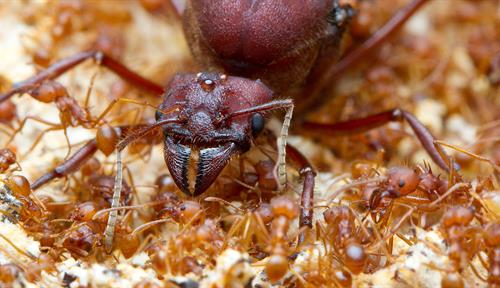
Social insects disobey evolutionary principles that say creatures invest in body maintenance or reproduction — not both. Scientists want to know how the creatures do it.
By engineering mutations into fruit flies, scientists reconstructed how the butterflies may have evolved resistance to the toxins found in milkweed, allowing their caterpillars to feast on the plant
How do animal populations respond to climate change? After studying the same butterfly and its habitats for decades, two biologists explain that it’s complicated — but endlessly intriguing.
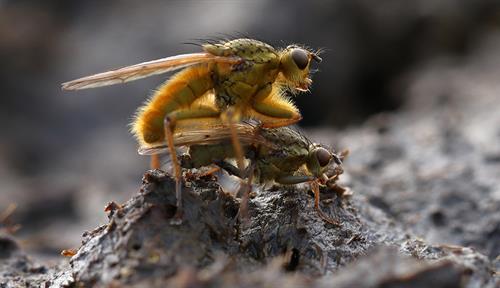
Fifty years ago, Geoff Parker’s pioneering scholarship on “sperm competition” in insects was broadly overlooked. Since those days, hundreds of studies in many animals have confirmed the importance of what he discovered while watching flies mate around cow pats.
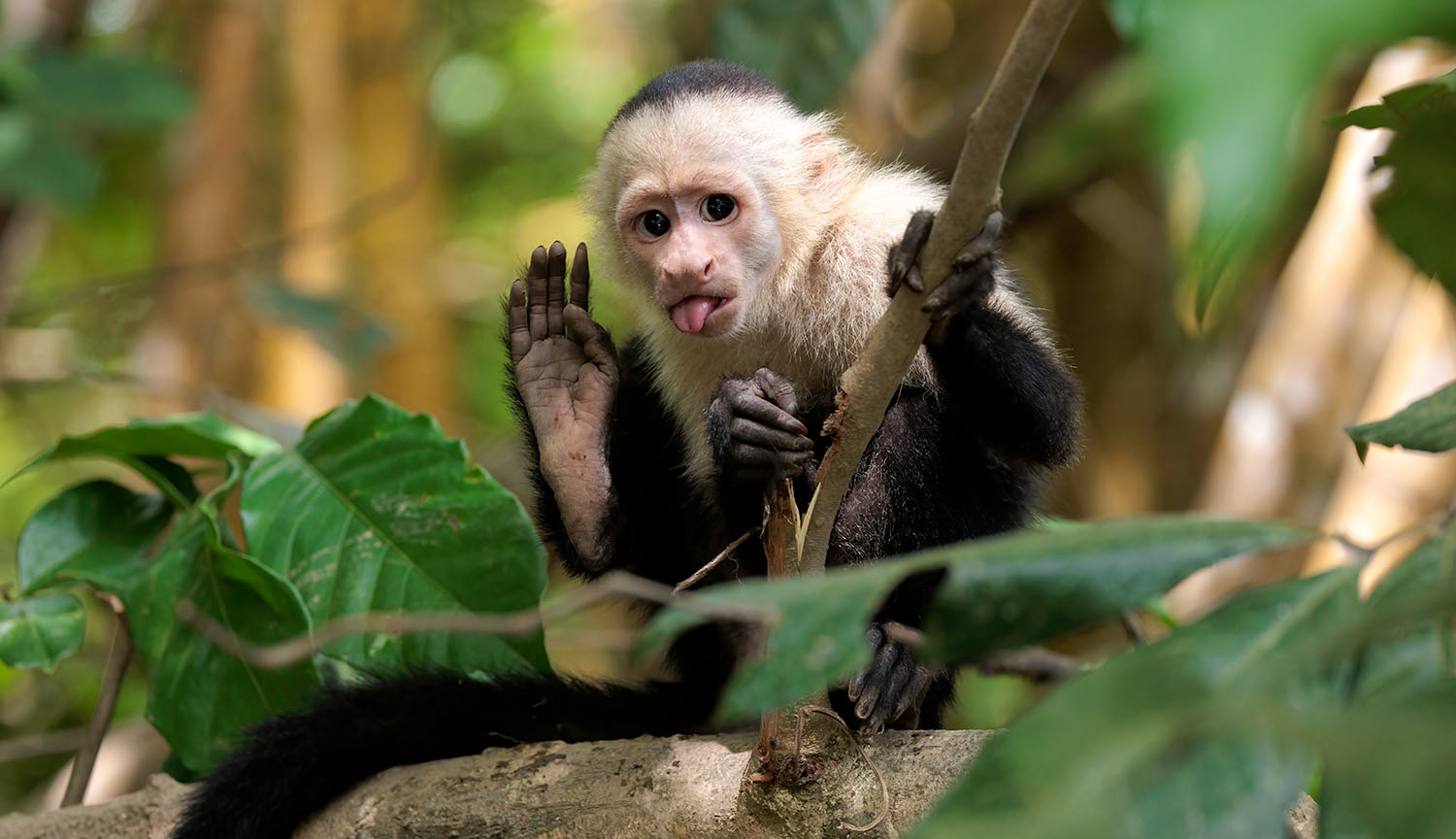
UCLA’s Susan Perry has devoted decades to studying the fast-motion life of these New World primates and learning how the young acquire the skills they need to thrive
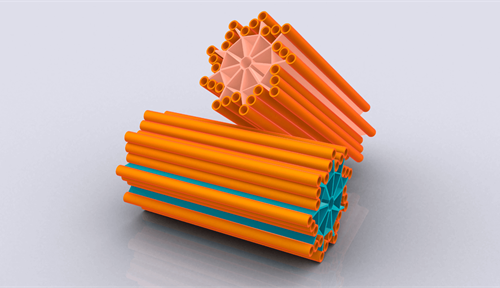
Cells build an elegant, symmetrical structure. How they do it is intriguing on its own, but recent insights could also help explain some developmental disorders.
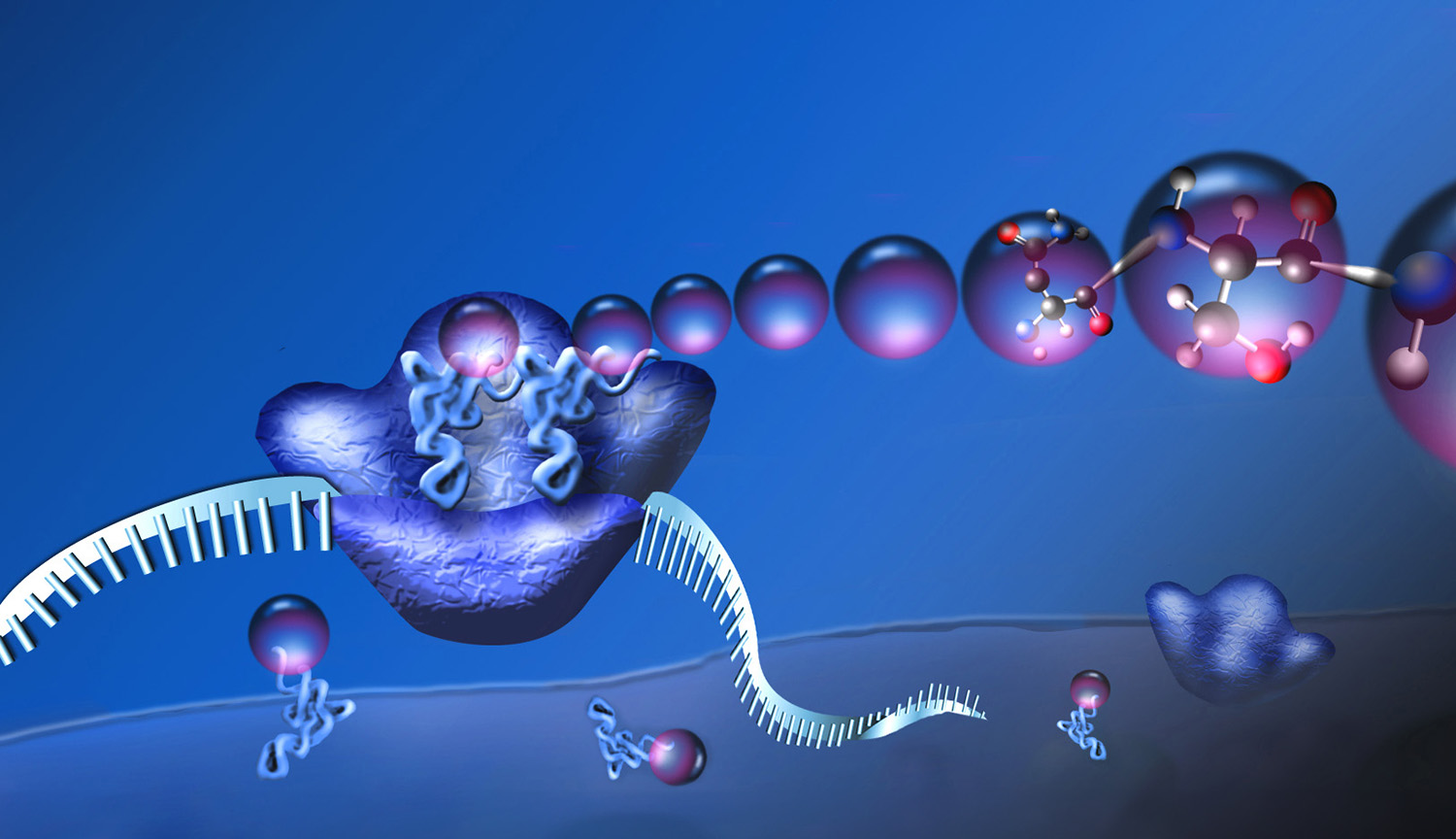
Unusual variations in the cellular protein factory can skew development, help cancer spread and more. But ribosome variety may also play biological roles, scientists say.
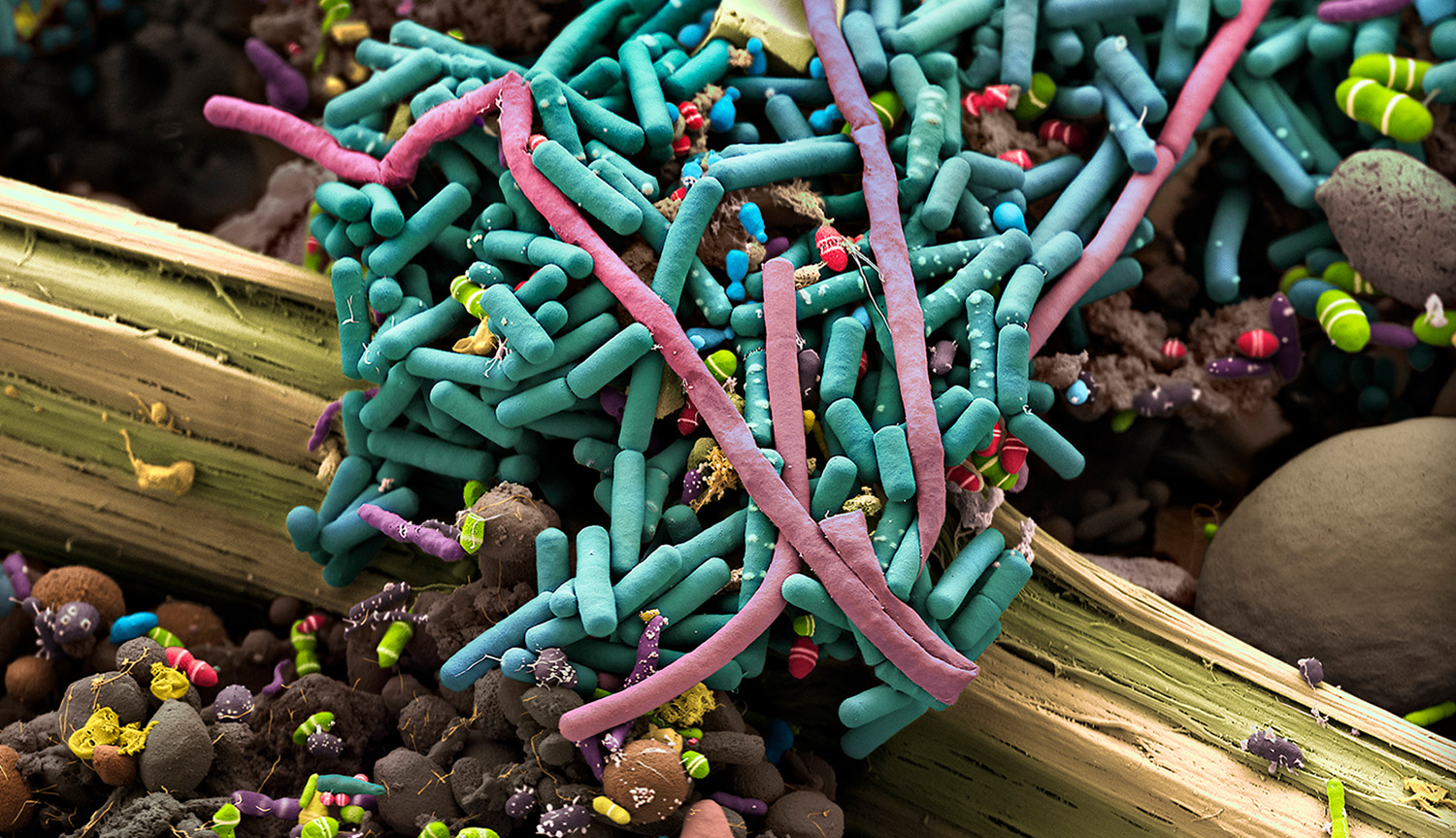
New research suggests that to maintain a healthy brain, we should tend our gut microbiome. The best way to do that right now is not through pills and supplements, but better food.
These stealthy survival tactics could teach us how to curb the widespread use of chemical pesticides in agriculture. But first, researchers must learn how seemingly helpless flora deploy this masterful strategy.
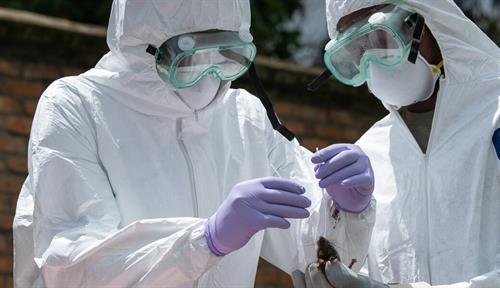
We know pathogens from other species can endanger us. Scientists are better equipped than ever to do something about it, but political buy-in is crucial.
Close X
This is not a paywall.
Knowable Magazine is free to read. But just because our articles are free to read doesn’t mean they are free to produce. If you value our trustworthy science journalism, please support it with a donation.