Skip to content
cookies to track usage and preferences." data-cookieaccepttext="I UNDERSTAND" data-cookiedeclinetext="Disable Cookies" data-cookiepolicytext="Privacy Policy">
1932

Events

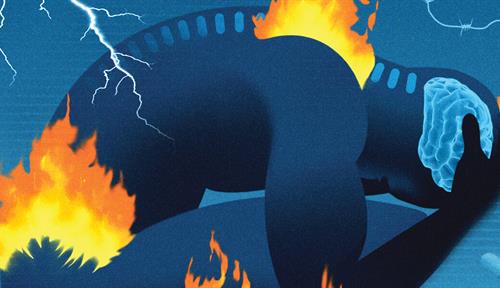
The unexpected diversity of pain

It comes in many types that each require specialized treatment. Scientists are starting to learn how to diagnose the different varieties.

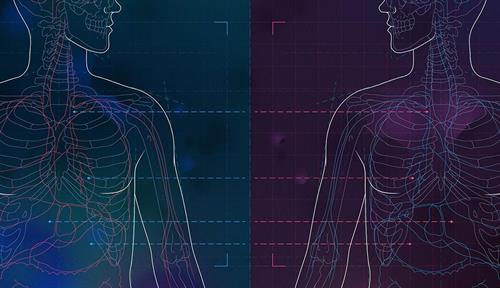
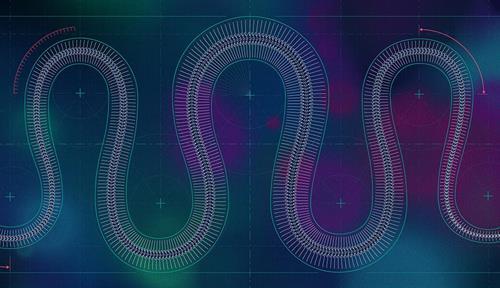
How do bodies map out left and right?

FIVE BIG QUESTIONS: Early in development, an embryo must “break symmetry” to position organs and other parts correctly.

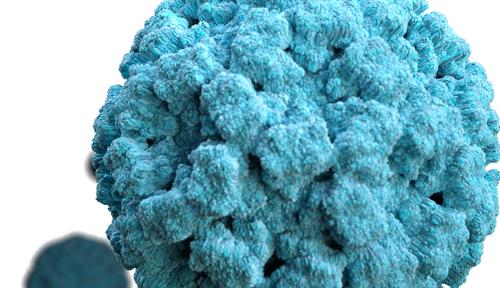
Norovirus: The perfect pathogen

It’s easy to get, but difficult to study or treat. Scientists are making progress against the virus thanks to an infusion of cash and a new way of culturing it in the lab.

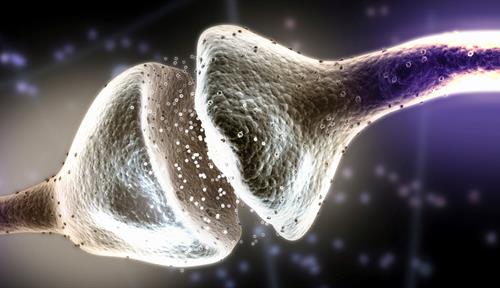
Making and breaking connections in the brain

The links between nerve cells, called synapses, allow us to learn and adapt, and hold clues to conditions such as autism, schizophrenia and more

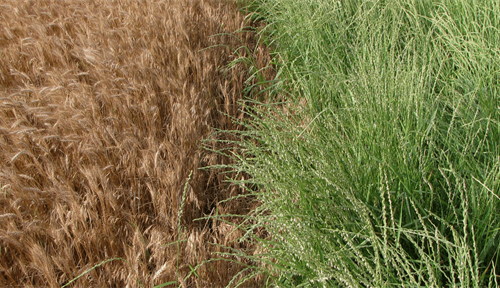
Plant, reap, repeat — and now rethink

Replacing the annual farming cycle with perennial crops could be better for soil, water and wildlife

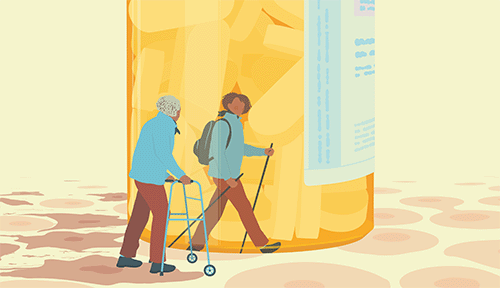
Could getting rid of old cells turn back the clock on aging?

Researchers are investigating medicines that selectively kill decrepit cells to promote healthy aging — but more work is needed before declaring them a fountain of youth

How do bodies position arms, legs, wings and organs?

FIVE BIG QUESTIONS: Embryos use a ruler, of sorts, so they can create the right structures at the right spots from head to tail.

The neurons that make us feel hangry

Neuroscientists think a cluster of cells in the brain that stimulate appetite could be a target for eating disorder therapies

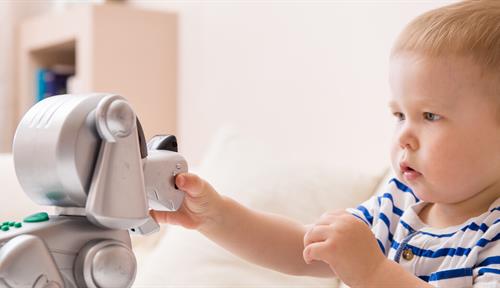
A robotic window on the human mind

Engineers aim to build machines that put people at ease. The effort reveals truths about ourselves.

Fun facts about bones: More than just scaffolding

A new vision of the skeleton as a dynamic organ that sends and receives messages suggests potential therapies for osteoporosis and other problems

Amyloidosis: Beyond Alzheimer’s and Parkinson’s

Amyloid plaque can build up in body organs other than the brain. The resulting diseases — AL amyloidosis, ATTR amyloidosis and more — cause much suffering.

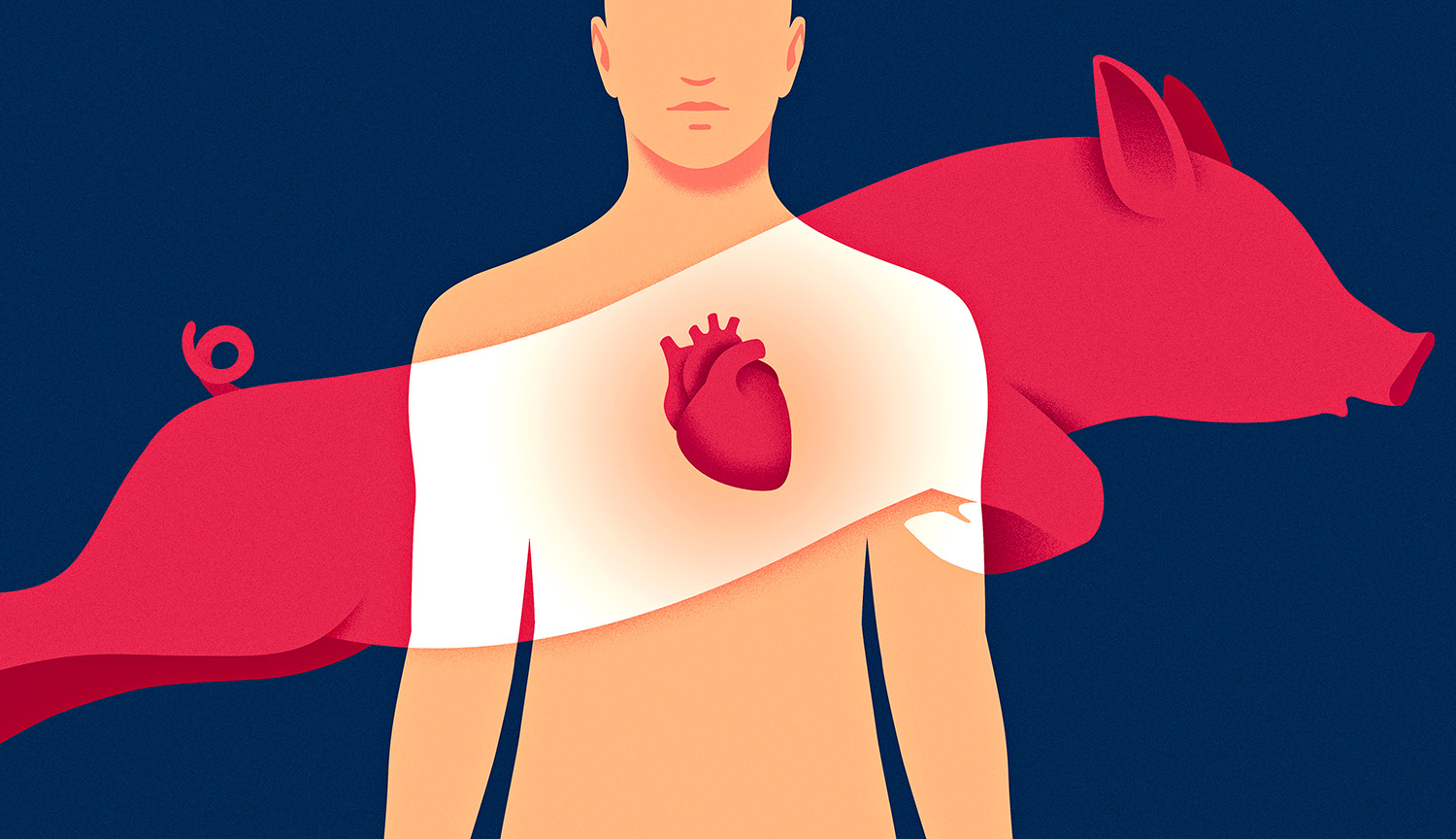
Pig organs in people: The future of cross-species transplants

Can genetically modified animals help ease the shortage of organs? After years of research into xenotransplantation, the field is at a turning point — yet risks and ethical issues remain.

Sex, immunity and the brain

Differences between the immune systems of males and females — in particular, ones involving cells called microglia — might help explain why the risk for conditions such as autism and Alzheimer’s varies between the sexes

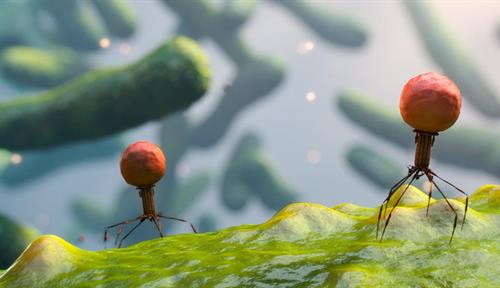
Why viruses deserve a better reputation

Sure they cause disease, but the microbes can be a help as well. Witness long-lasting pepper seeds, drought-resistant crop plants and even our own placentas.

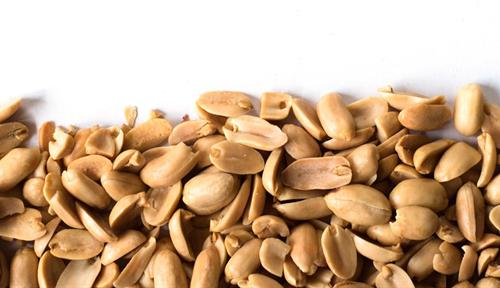
Beating back peanut allergy, bit by bit

Once rare, sensitivity to the legume is now the most common cause of fatal allergic reactions to foods. New therapies might help.

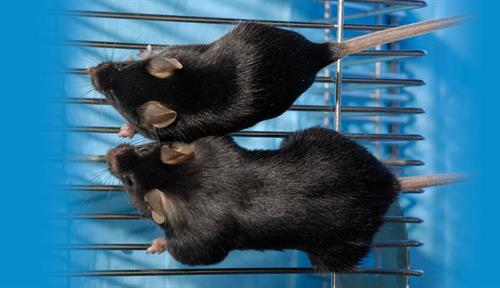
Rodents in space: Keeping bone and muscle strong on the ISS

Researchers helped mice stay mighty with an experiment to counter the effects of microgravity. The gene treatment might also enhance muscle and bone health on Earth — and in humans.

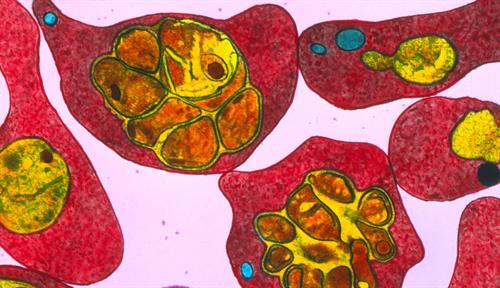
Resistance threatens recent success seen in battle against malaria

The disease-causing parasite is once again starting to evade front-line strategies, but scientists are preparing their next volleys

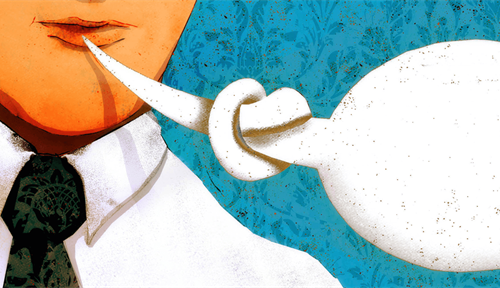
The new neuroscience of stuttering

After centuries of misunderstanding, research has finally tied the speech disorder to certain genes and brain alterations — and new treatments may be on the horizon

At San Diego’s Frozen Zoo, a chance for animal immortality

The cryobank is a rich source of genetic knowledge of hundreds of creatures. It may one day be used to bring endangered species back from the brink and deepen the gene pool of wild populations.

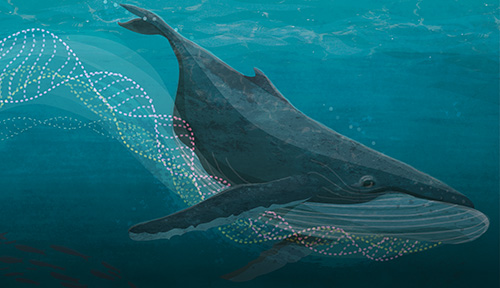
The evolution of whales from land to sea

The genomes of cetaceans help tell the story of mammals who returned to the life aquatic

This is a required field
Please enter a valid email address
Approval was a Success
Invalid data
An Error Occurred
Approval was partially successful, following selected items could not be processed due to error