cookies to track usage and preferences."
data-cookieaccepttext="I UNDERSTAND"
data-cookiedeclinetext="Disable Cookies"
data-cookiepolicytext="Privacy Policy">
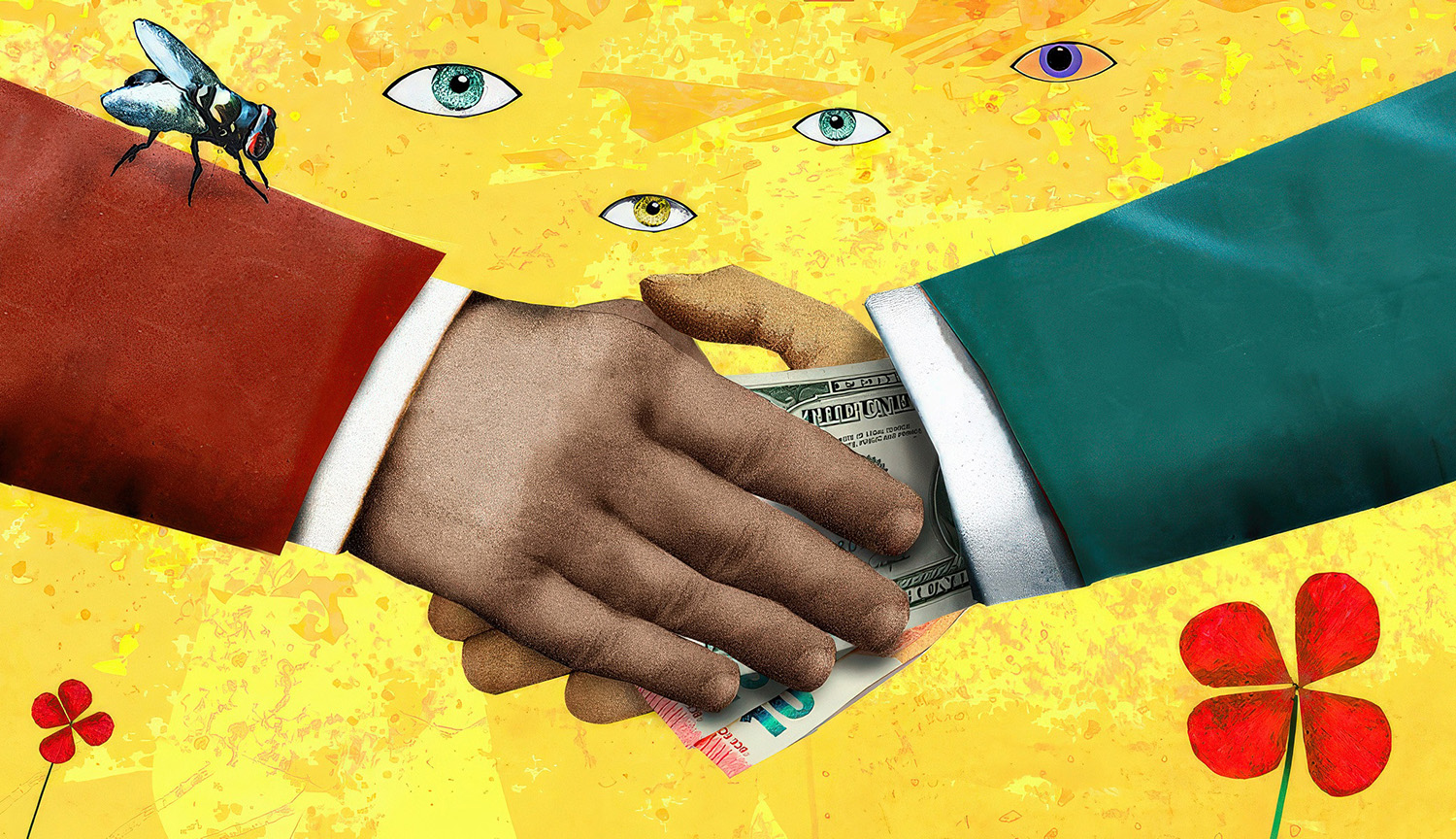
Public health researchers explain the levers that can reduce — or worsen — this global blight. A bright spot: There are more data than ever on strategies that can help.
Small settlements and the scourge of slavery left gaps in Africa’s archaeological record. Yet sites and artifacts are revealing clues to the continent’s more recent history. An archaeologist explains the findings and threats to this heritage.
Small-scale fishing has long been ignored by public policy, scientific research and global economics, but its potential to help end hunger and poverty is huge. New work is bringing it out of the shadows.
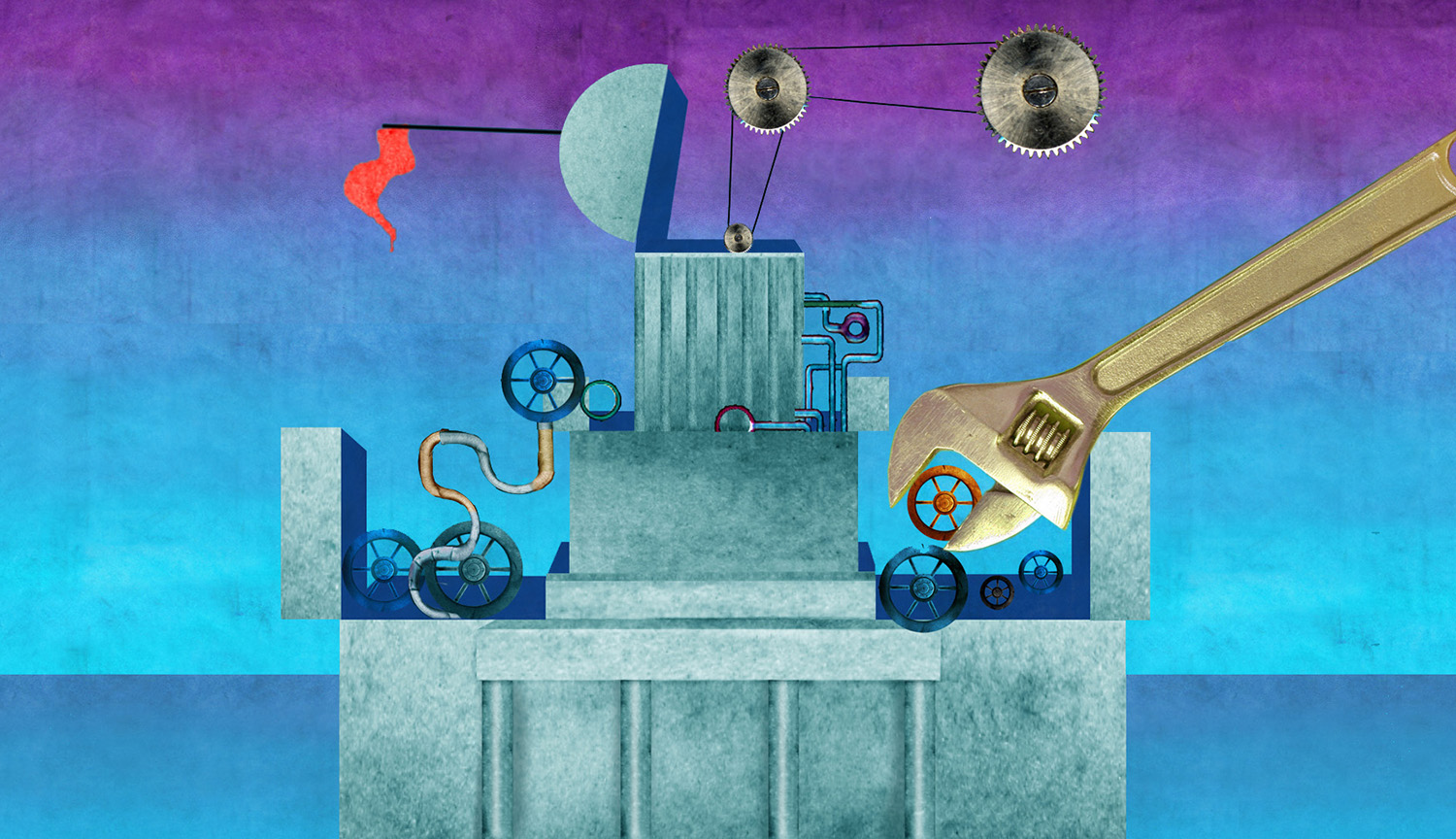
People love to hate them, but effective administrative systems shape good government. A political scientist weighs in on why reforming them is best done with care.
Misinformation, market volatility and more: Faced with the need to mitigate risks that artificial intelligence presents, countries and regions are charting different paths
Getting our homes and workplaces to be energy efficient has major benefits — but not when it is done one window at a time. Here’s why deep retrofits and biomaterials are key to more sustainable living.
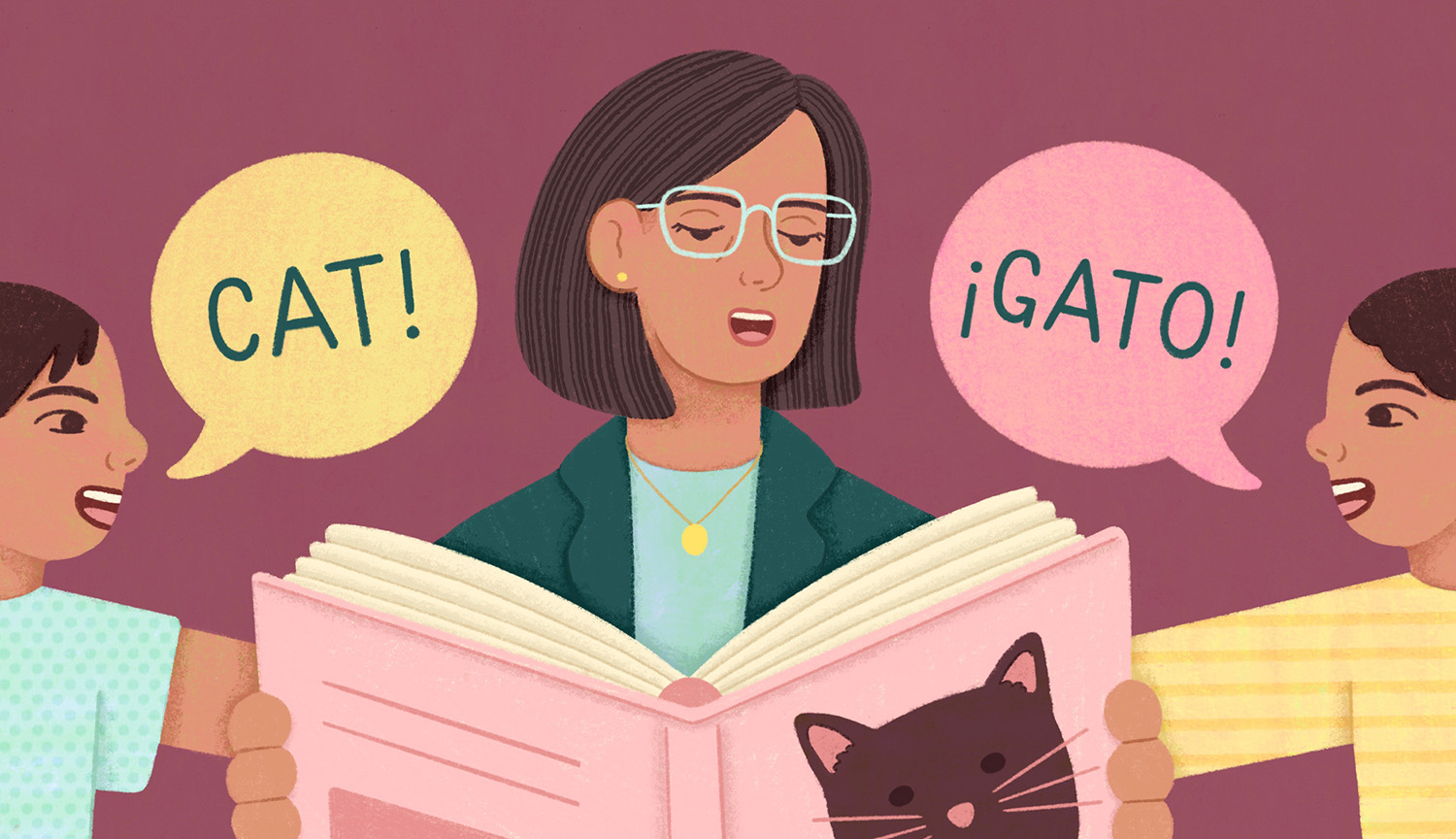
Kids from immigrant backgrounds in the US often struggle to develop fluency in two languages. Many factors — parental misconceptions, the lack of support in schools and social attitudes — play a role.
Regulatory hurdles, industry objections and legal fights have gone on for decades over traditional tobacco. What’s in store for the next generation of smoking?
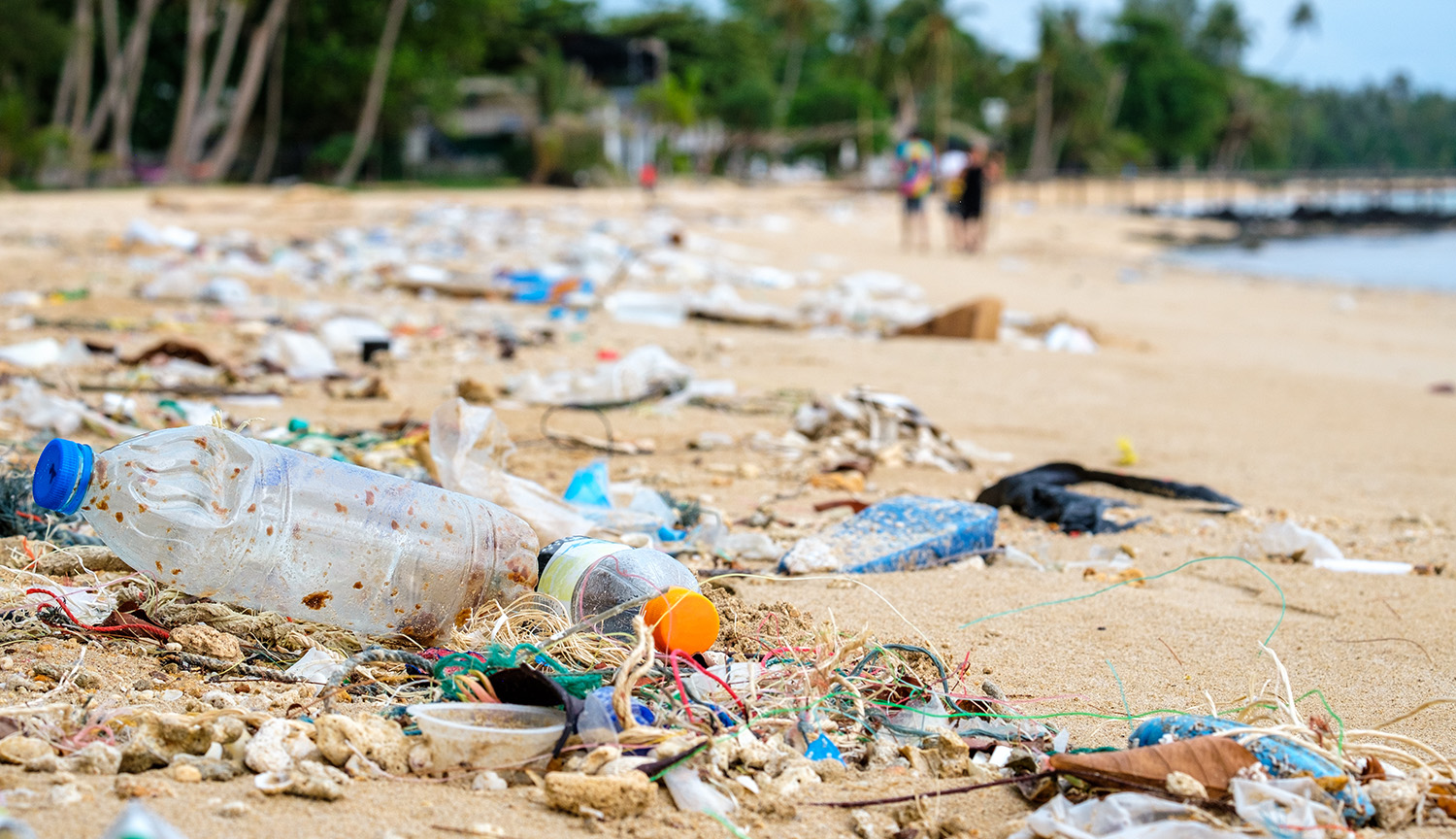
Delegates from 175 nations are working on an international agreement that would tackle the vast amounts of plastic waste in the environment. A marine scientist specializing in plastic pollution discusses the problem and her hopes for the proceedings.
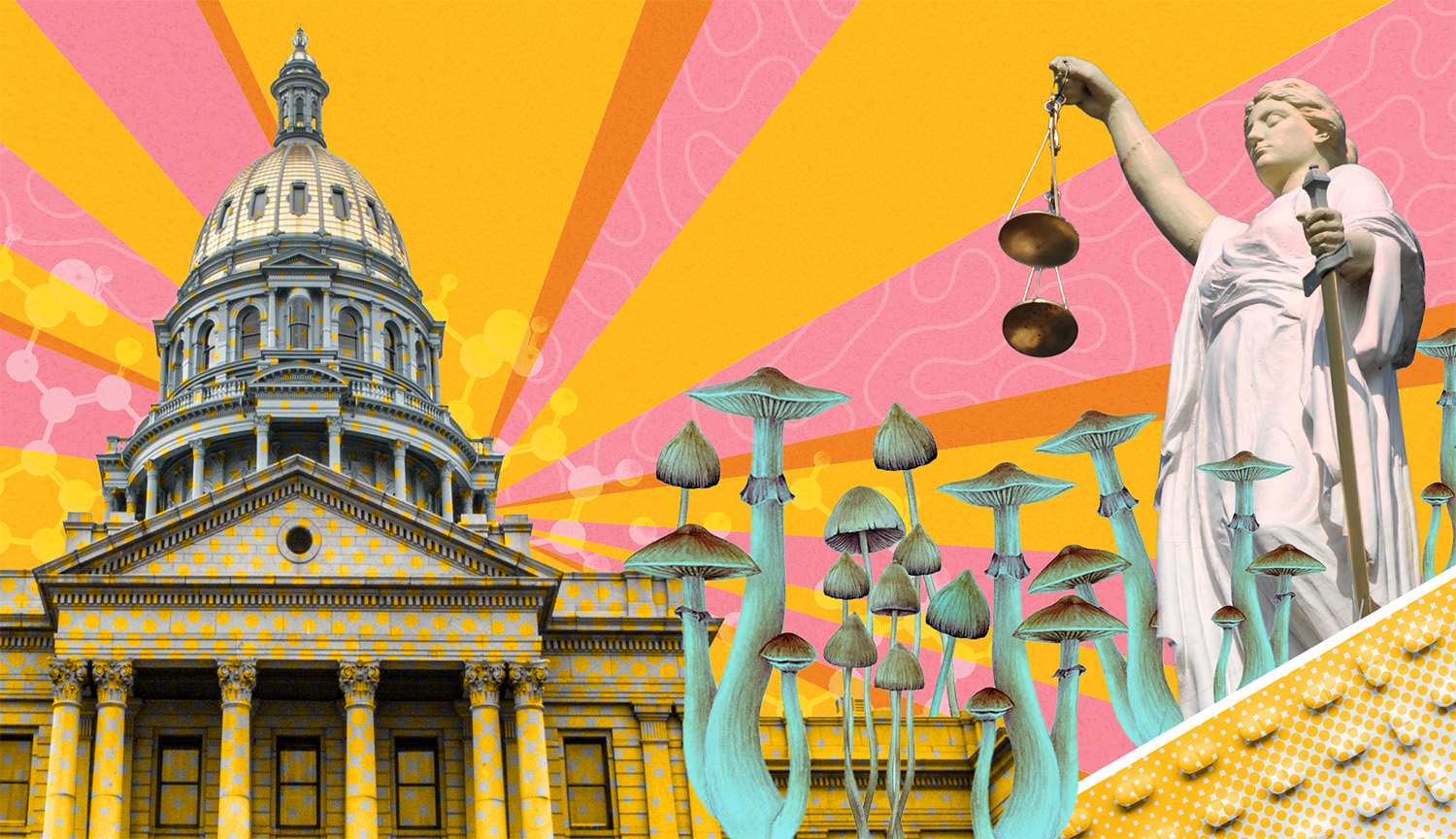
The push to legalize magic mushrooms, MDMA, LSD and other hallucinogens is likely to heighten tensions between state and federal law, drug law expert Robert Mikos says
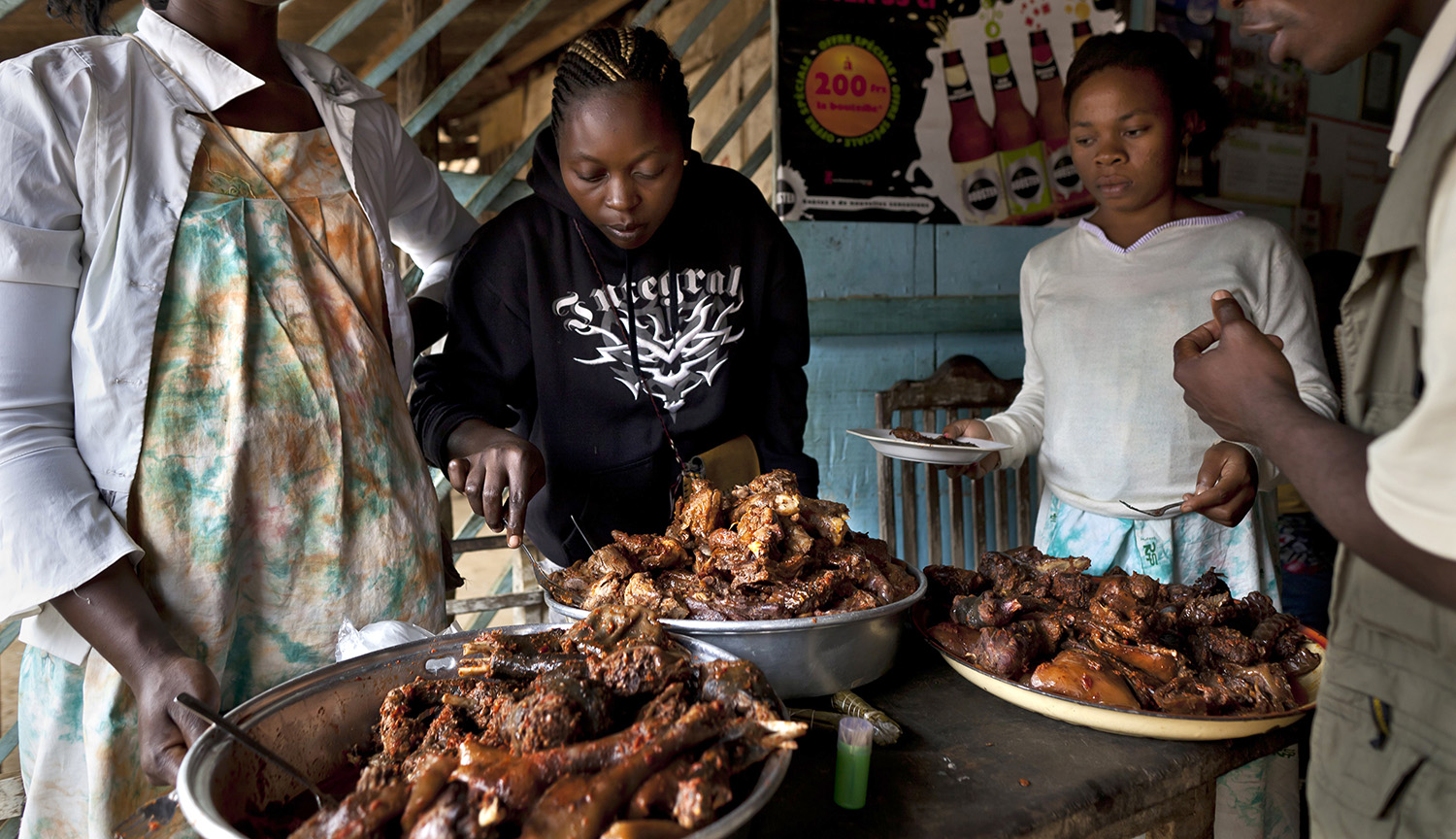
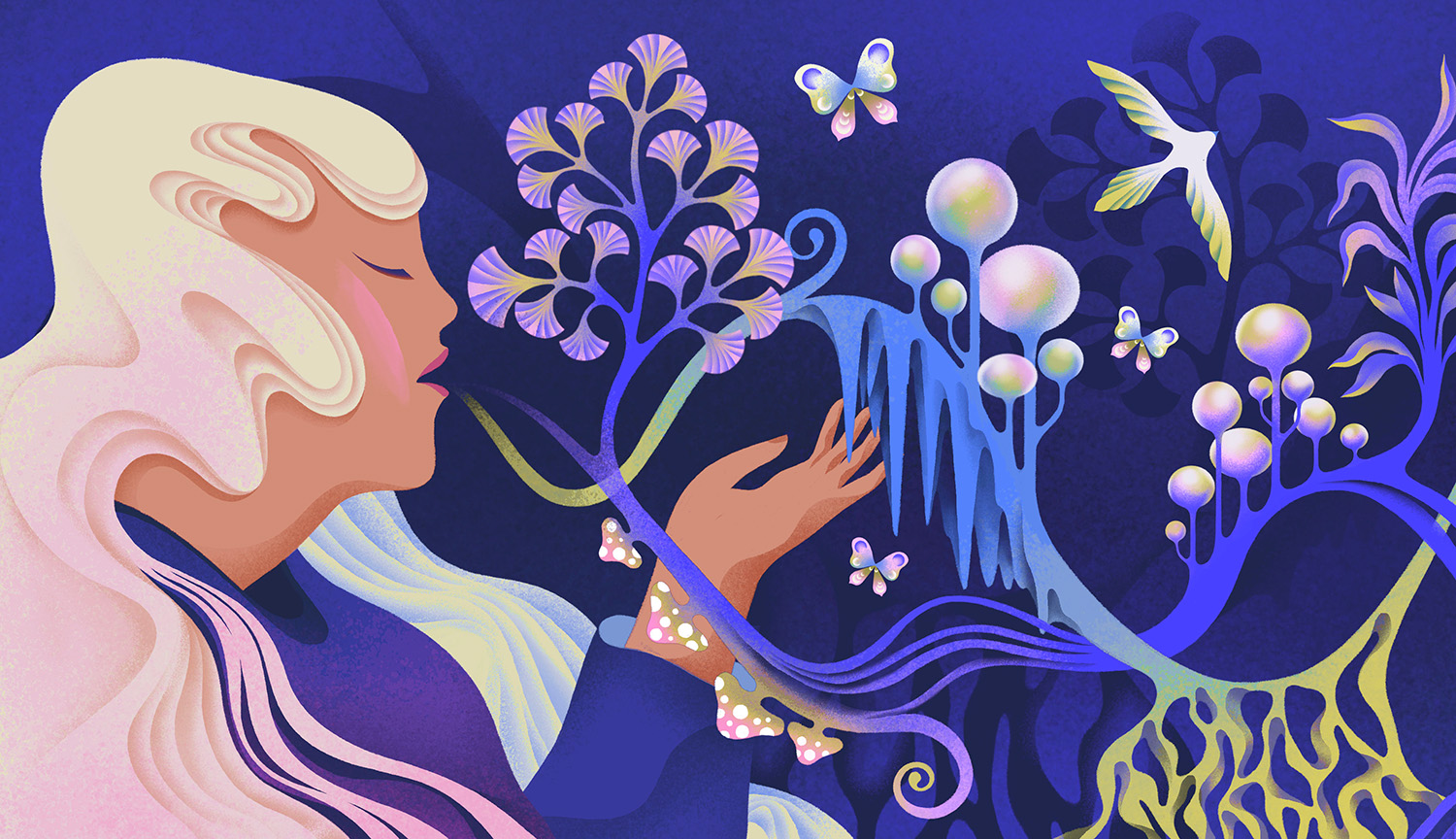
Peoples who live close to nature have a rich lore of plants, animals and landscapes embedded in their mother tongues — which may hold vital clues to protecting biodiversity
Close X
This is not a paywall.
Knowable Magazine is free to read. But just because our articles are free to read doesn’t mean they are free to produce. If you value our trustworthy science journalism, please support it with a donation.