Skip to content
cookies to track usage and preferences." data-cookieaccepttext="I UNDERSTAND" data-cookiedeclinetext="Disable Cookies" data-cookiepolicytext="Privacy Policy">
1932

The Mind

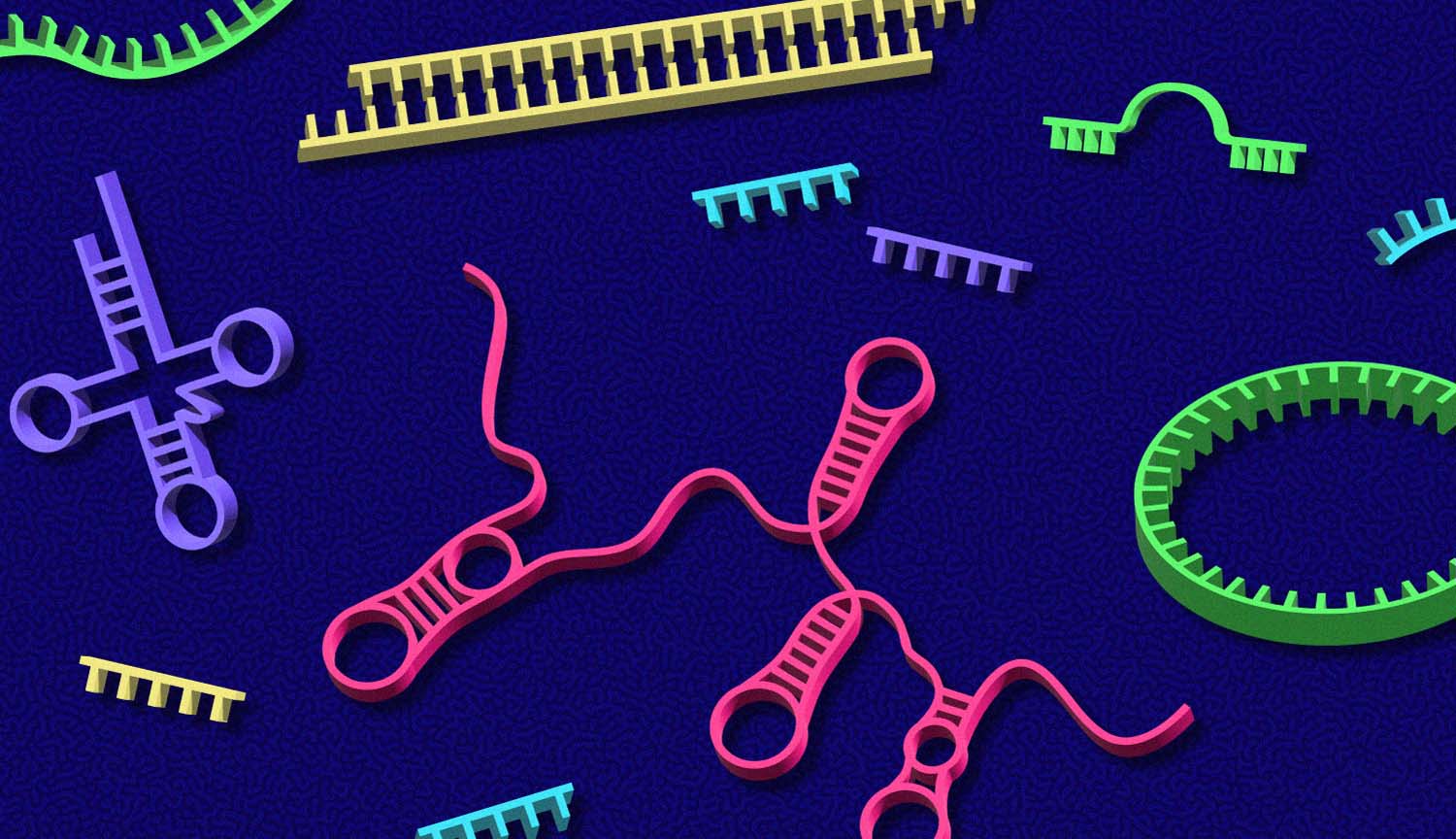
The silent majority: RNAs that don’t make proteins

Once considered cellular junk, non-coding RNAs are emerging as key players in everything from brain development to cancer — with much still to be discovered

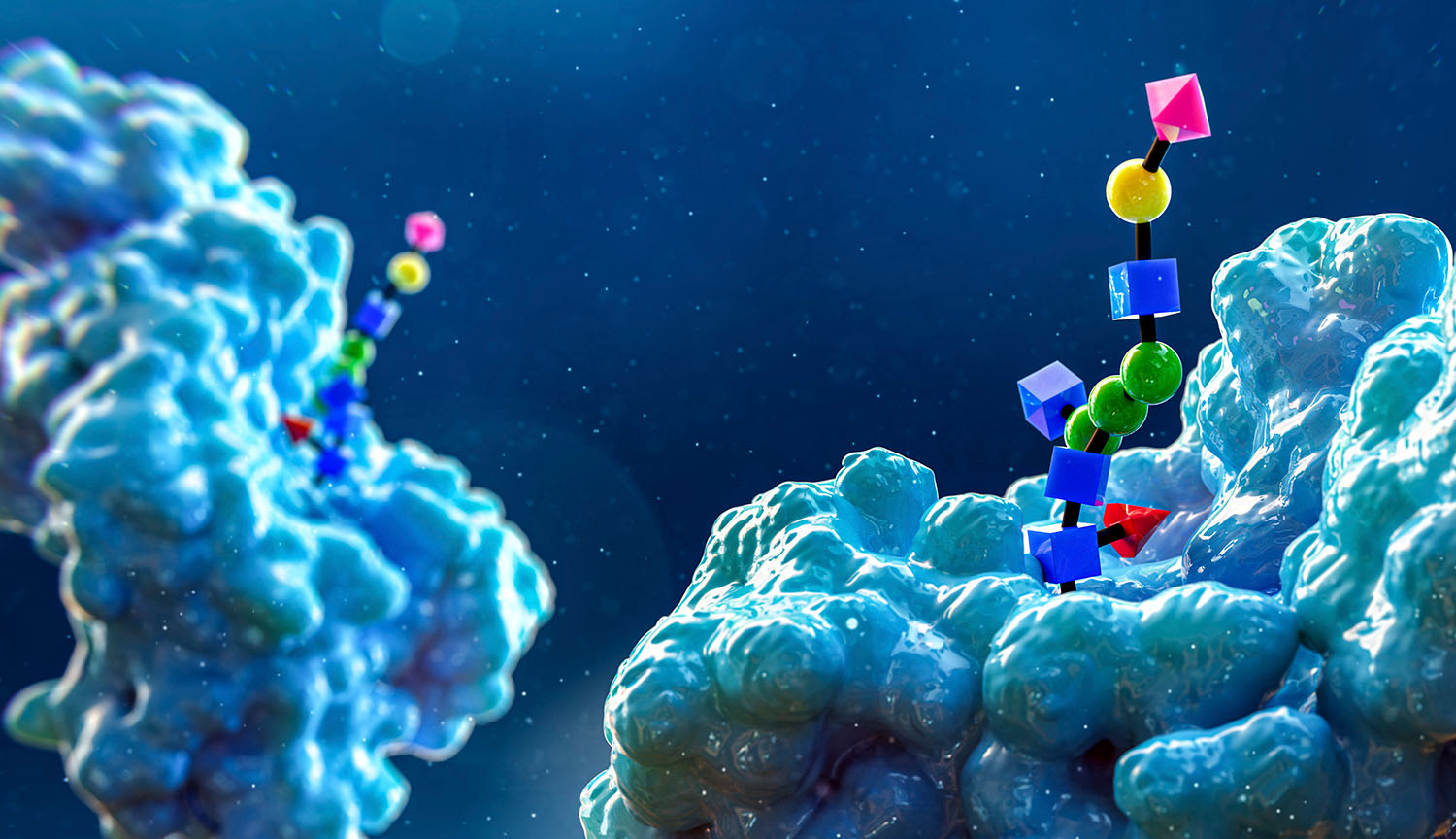
Sweet! The cell’s sugary coating comes into view

Built from thickets of glucose, galactose, mannose and more, the glycome plays key roles in cell communication, immunity and the blood-brain barrier

A light in the dark: Finding the good in the natural world

OPINION: Is it absurd to think that science can inform our values? Not at all, says writer KC Cole.

What is wisdom, and can it be taught?

Scientists are trying to name the qualities that make someone wise and figure out how to cultivate them

Looking for an ADHD coach? Choose carefully

As diagnoses surge, so does an unregulated coaching industry

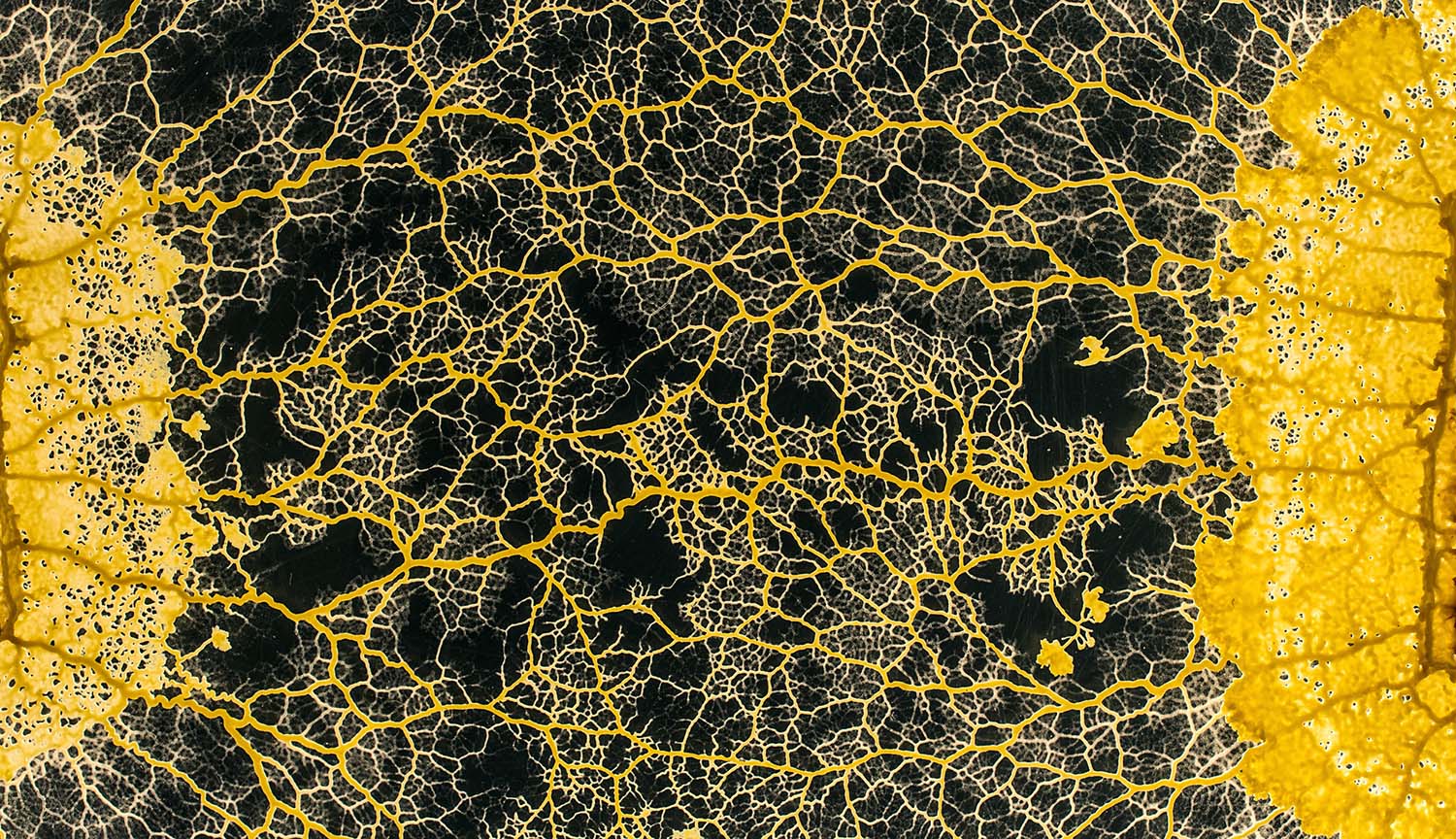
The curious life of a clever slime mold

In its quest to feed, avoid nasty substances and just generally live its life, the brainless, one-celled Physarum polycephalum performs some impressive tricks of learning and memory

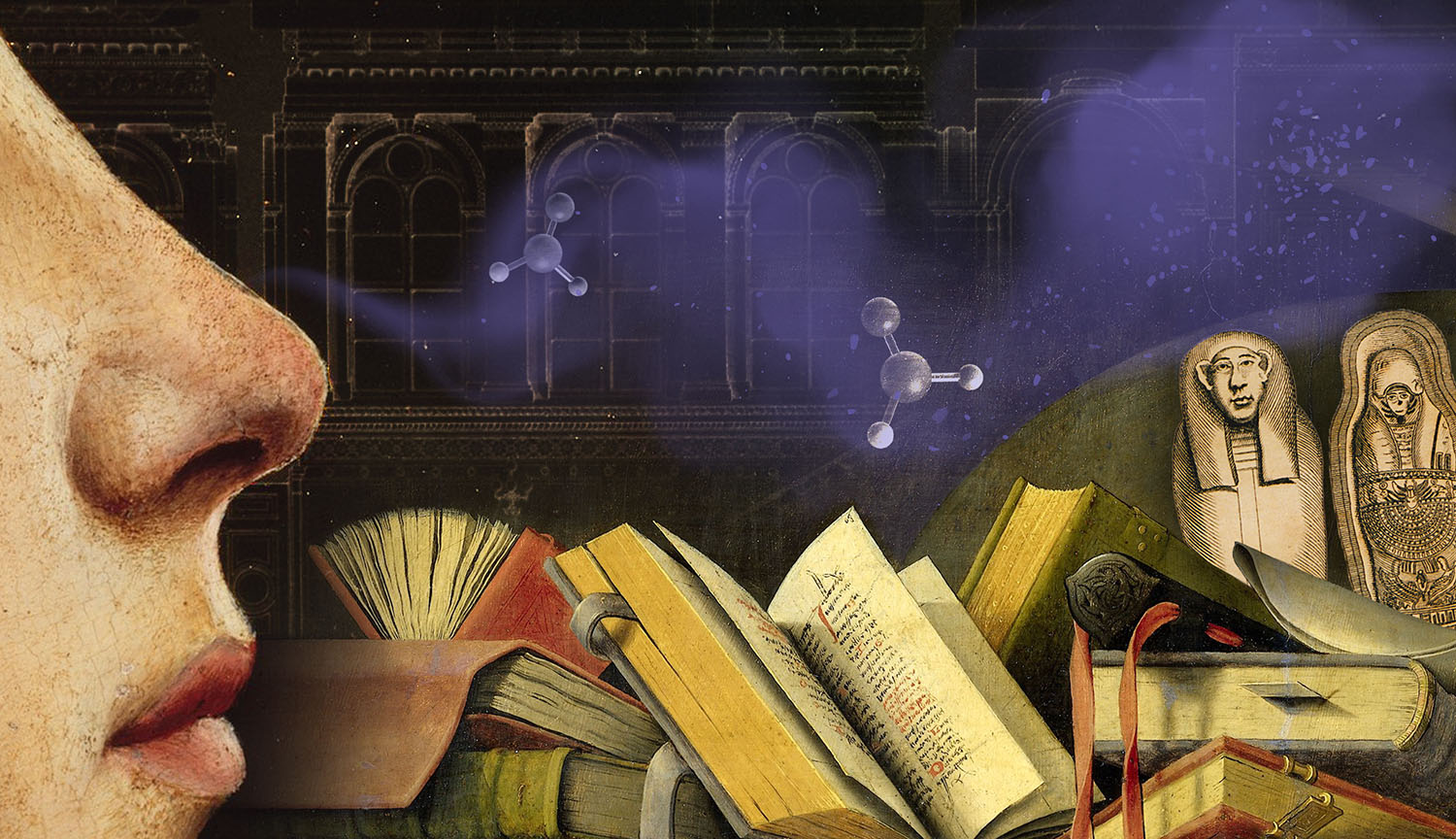
Recreating the smells of history

Using chemistry, archival records and AI, scientists are reviving the aromas of old libraries, mummies and battlefields

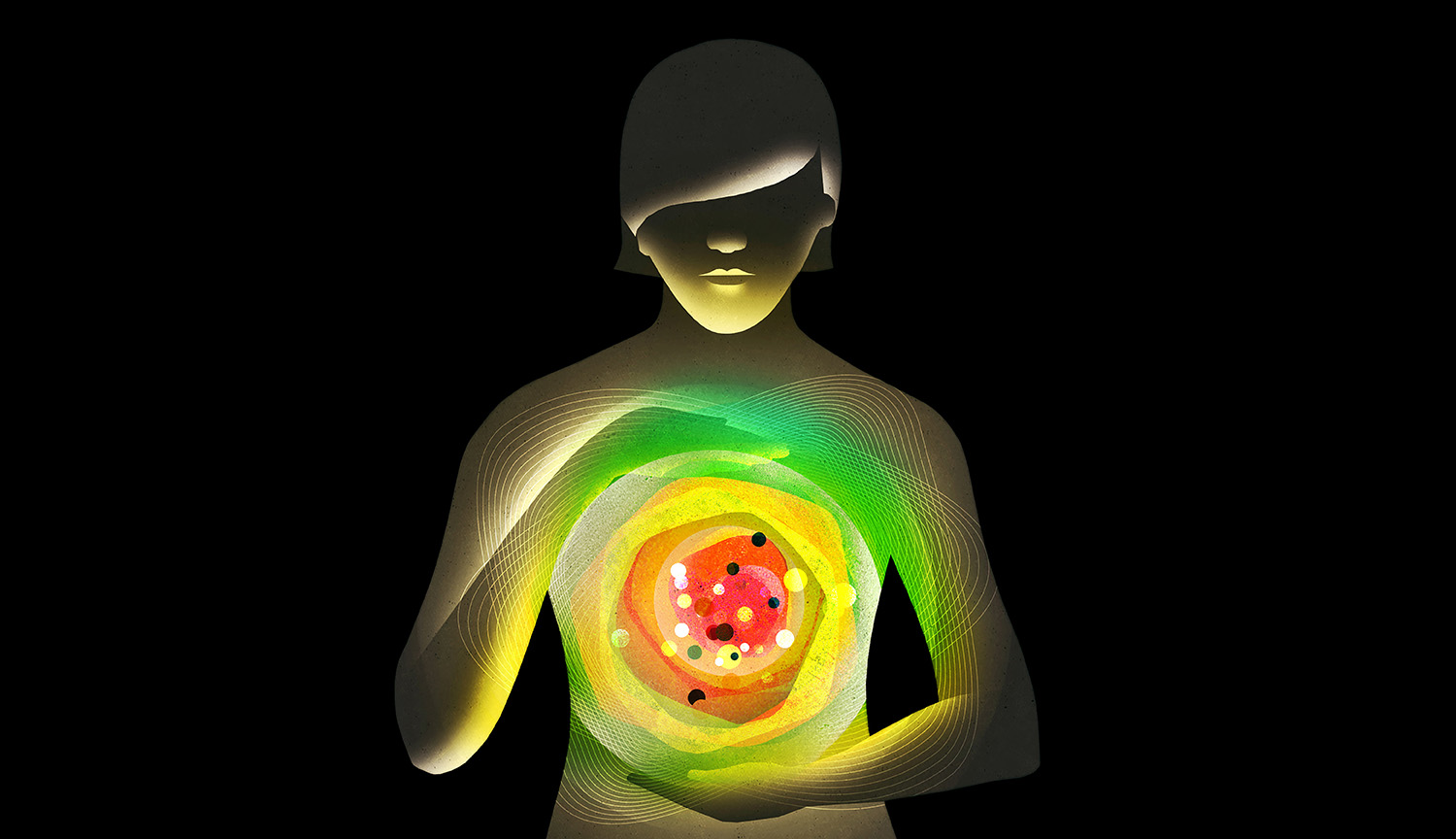
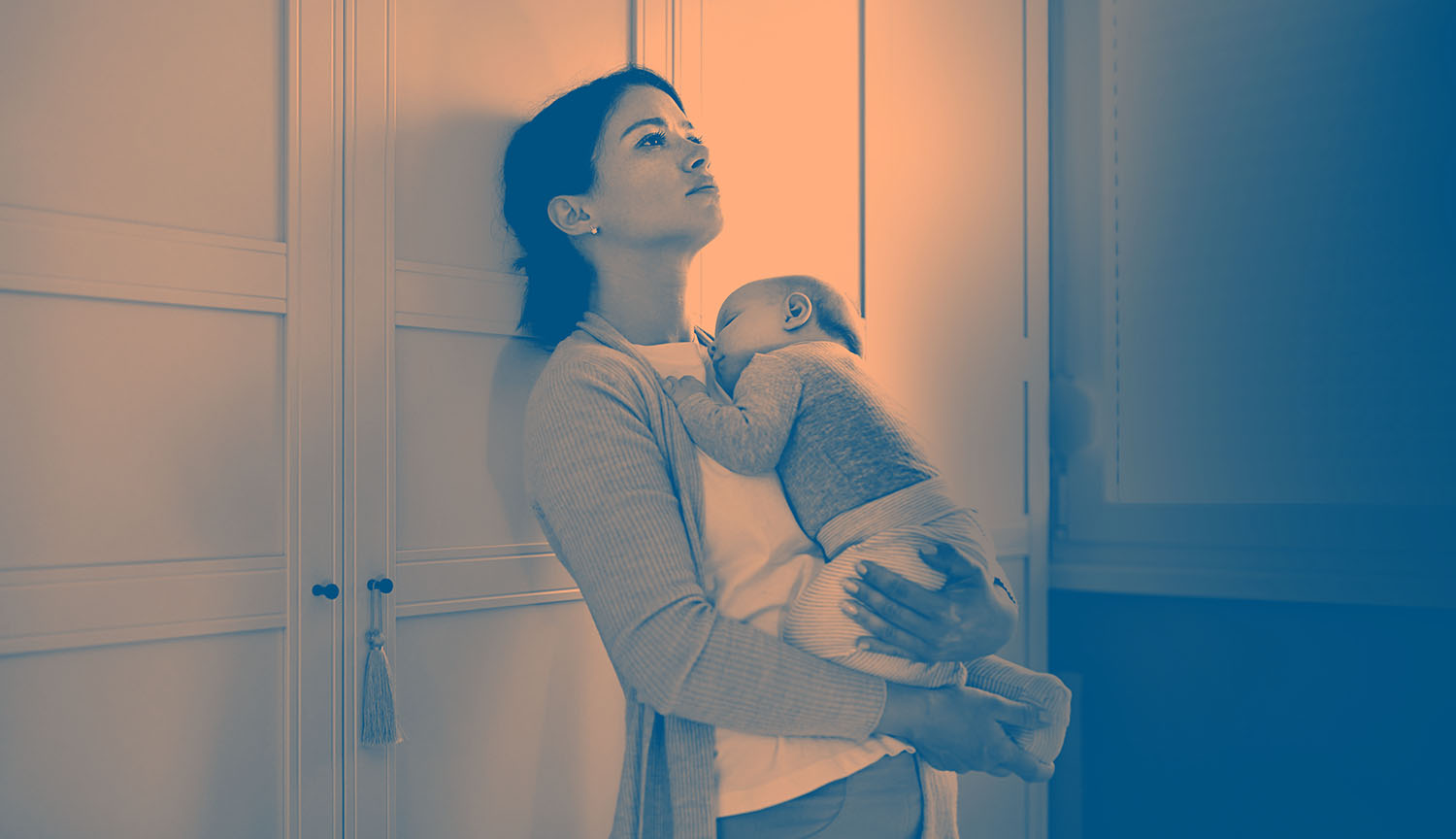
Postpartum depression: Better remedies, and now a predictive blood test

Scientists are learning more about this leading complication of childbirth. Treatments are improving and doctors can test for biological markers that flag heightened risk.

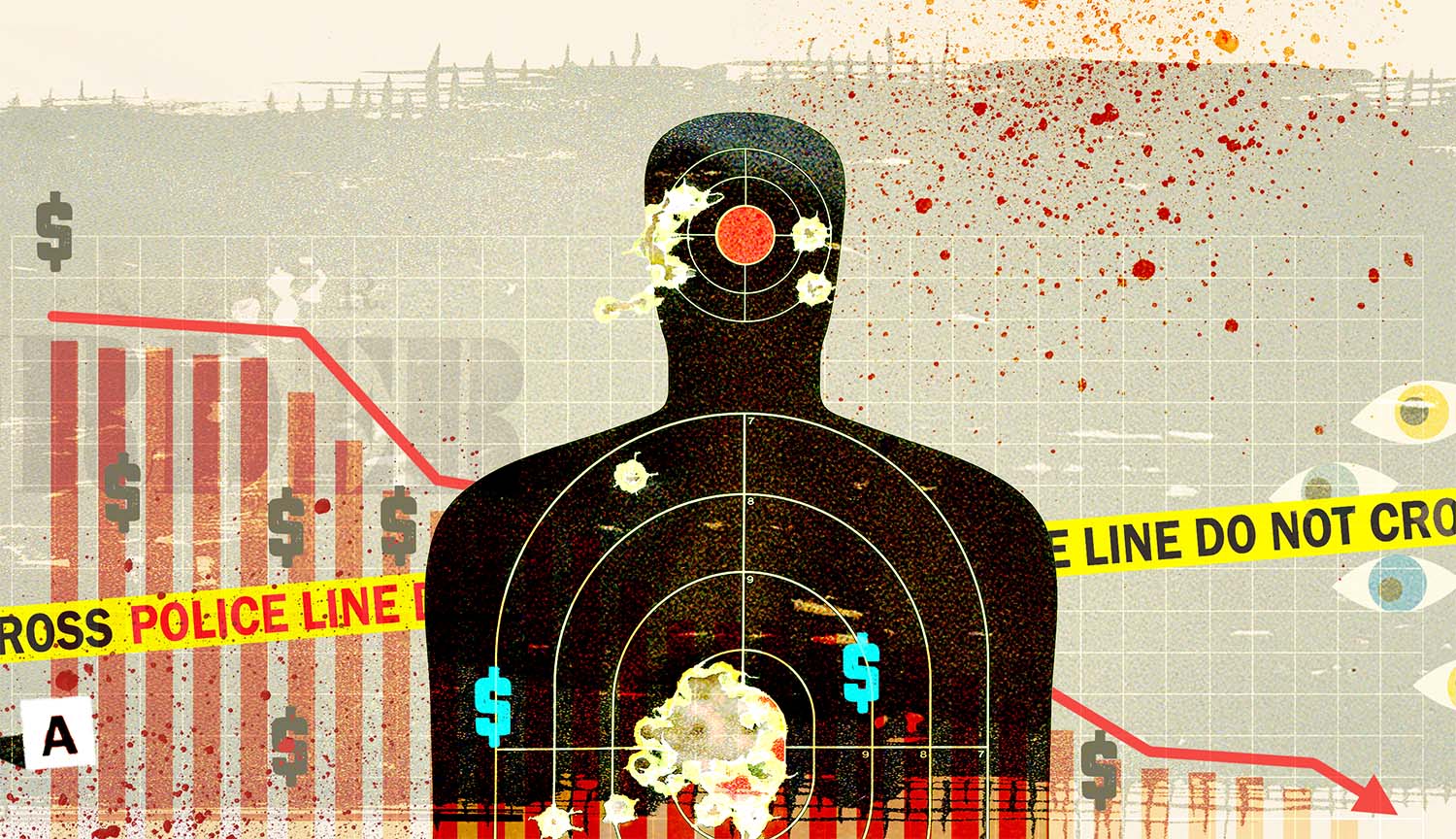
Property crime and violent crime have different solutions — here’s why

Addressing poverty helps to curb thefts and burglaries, but offenses like assaults and shootings need more innovative approaches

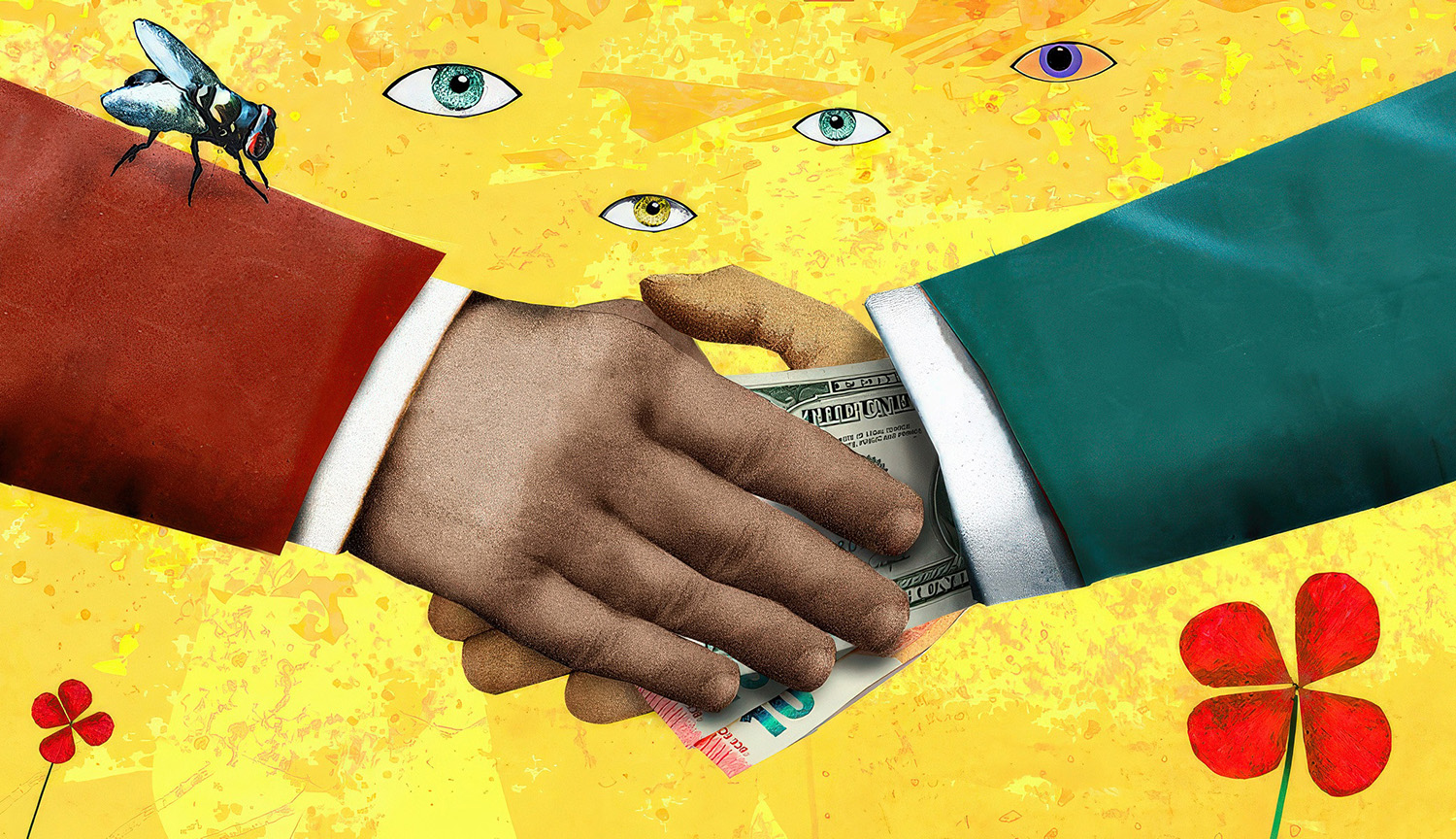
Corruption: When norms upstage the law

People with good motives may engage in bribery and worse depending on what society expects of them. A political scientist explains.

Can a shift in strategy reduce intimate partner violence?

New research, innovative programs and emboldened advocates are challenging decades-old conventions about how to respond to domestic abuse

Unsafe at home: The misery of intimate partner violence

Public health researchers explain the levers that can reduce — or worsen — this global blight. A bright spot: There are more data than ever on strategies that can help.

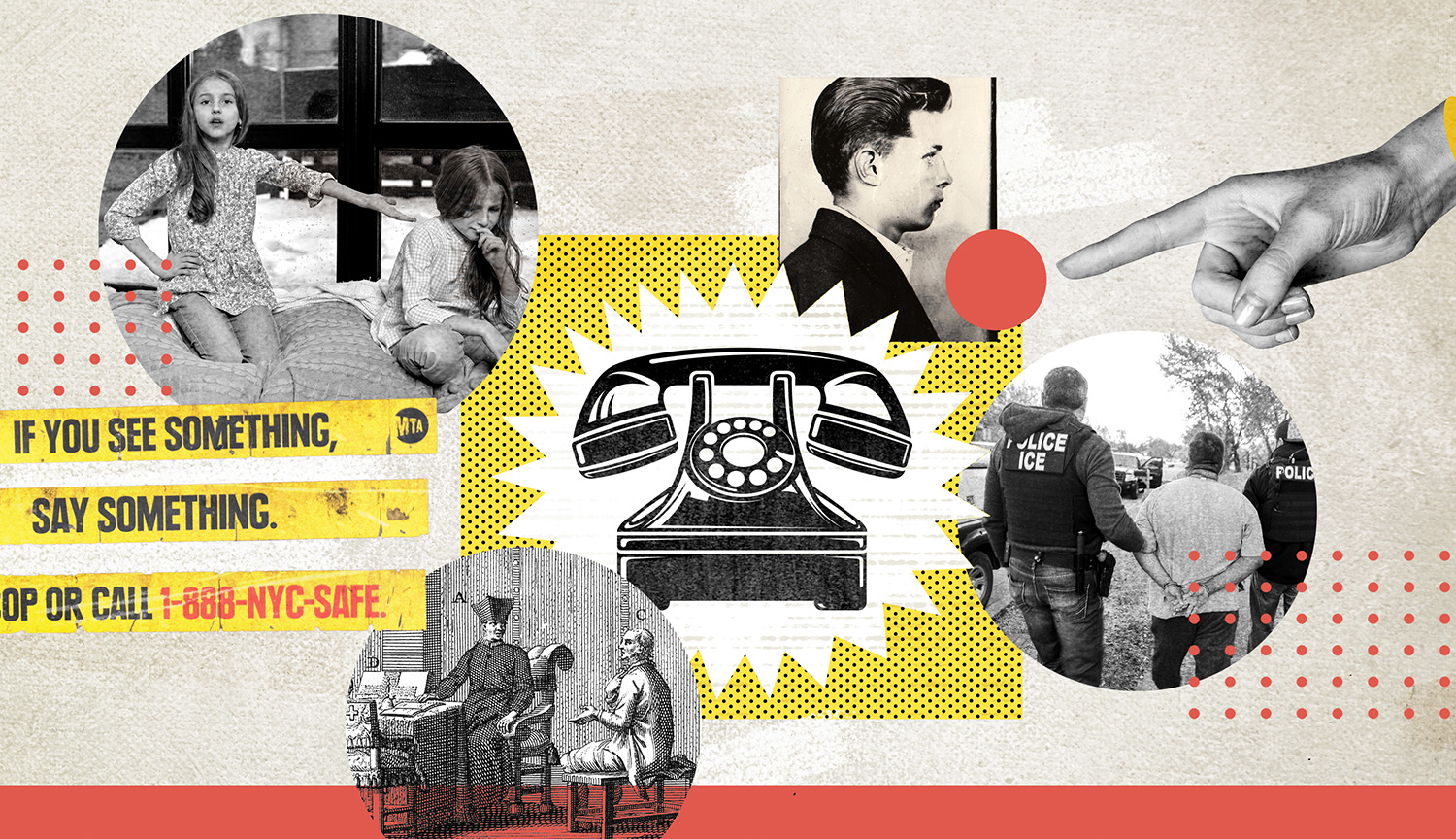
See something, say something? The science of speaking out

From tattling to whistleblowing, a sociologist explores what drives people to tell on one another

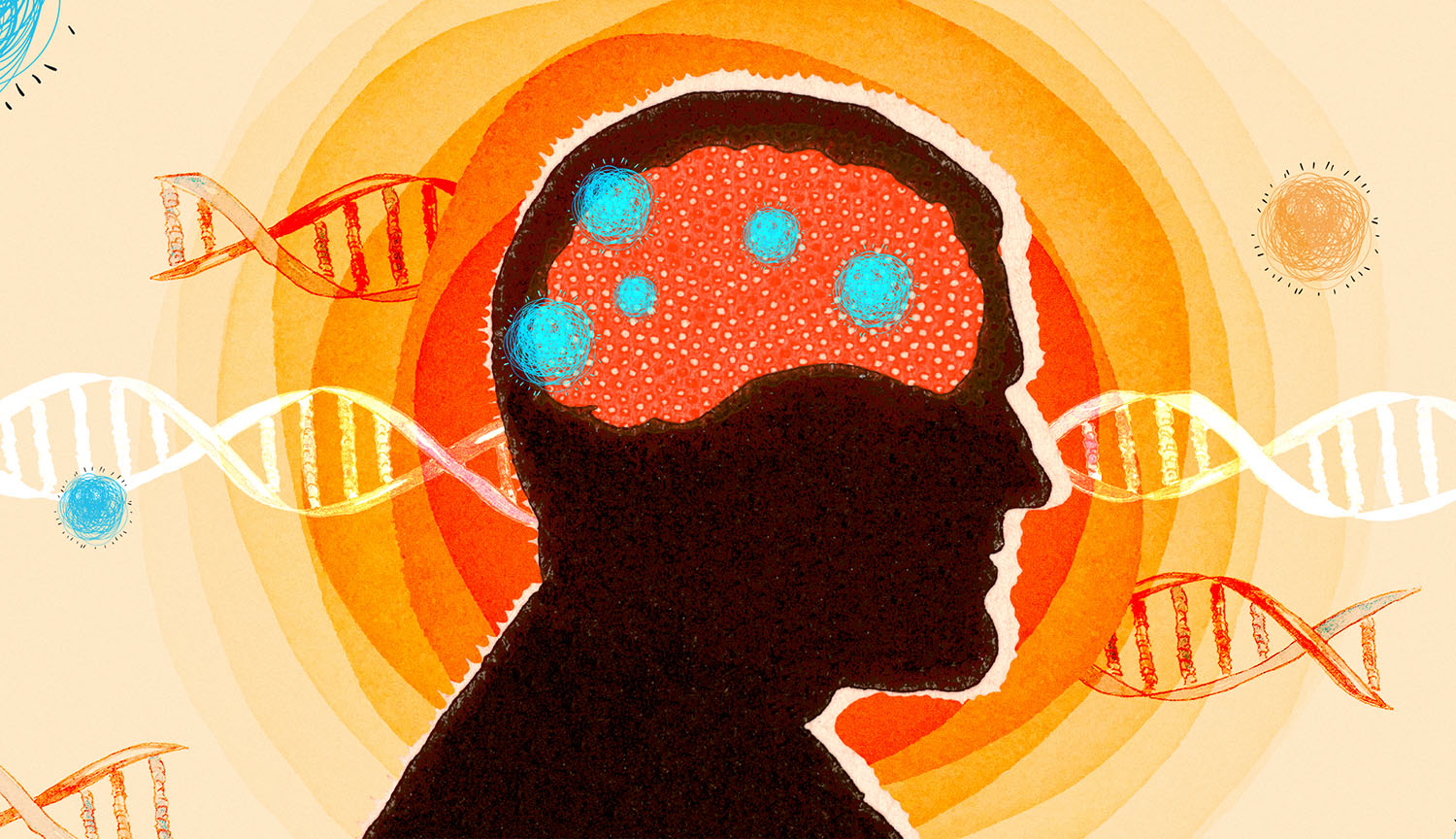
How rogue jumping genes can spur Alzheimer’s, ALS

Our genomes are peppered with DNA segments called retrotransposons that can move from place to place. When unleashed, some can kill nerves and promote inflammation — a discovery that may inspire treatments for neurodegeneration.

How stress shapes cancer’s course

Studies show psychological strain can accelerate tumors — could beta blockers slow them down?

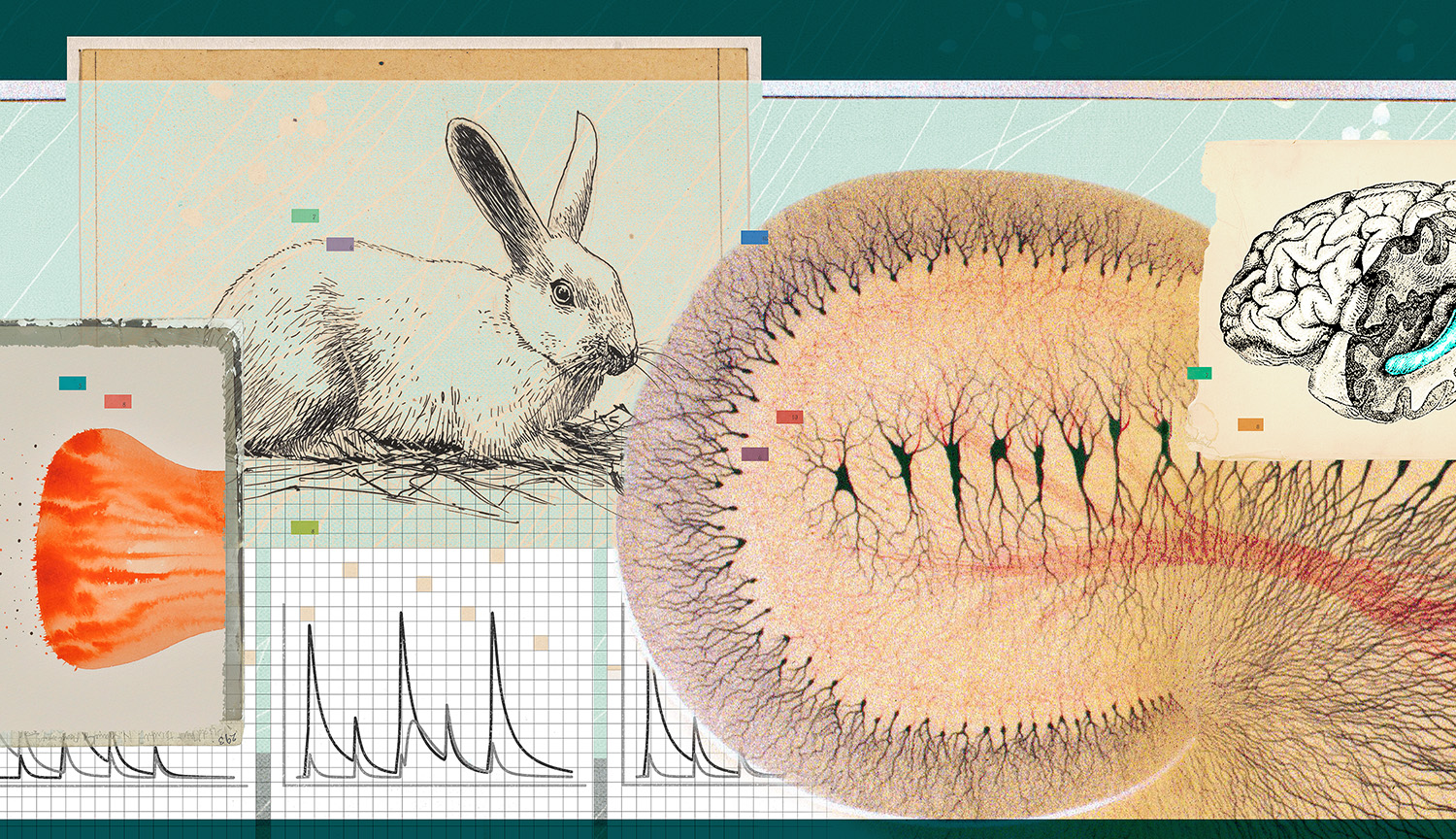
It began with a rabbit: Unraveling the mystery of memory

Half a century after the discovery of long-term potentiation, we’re still learning how the brain remembers

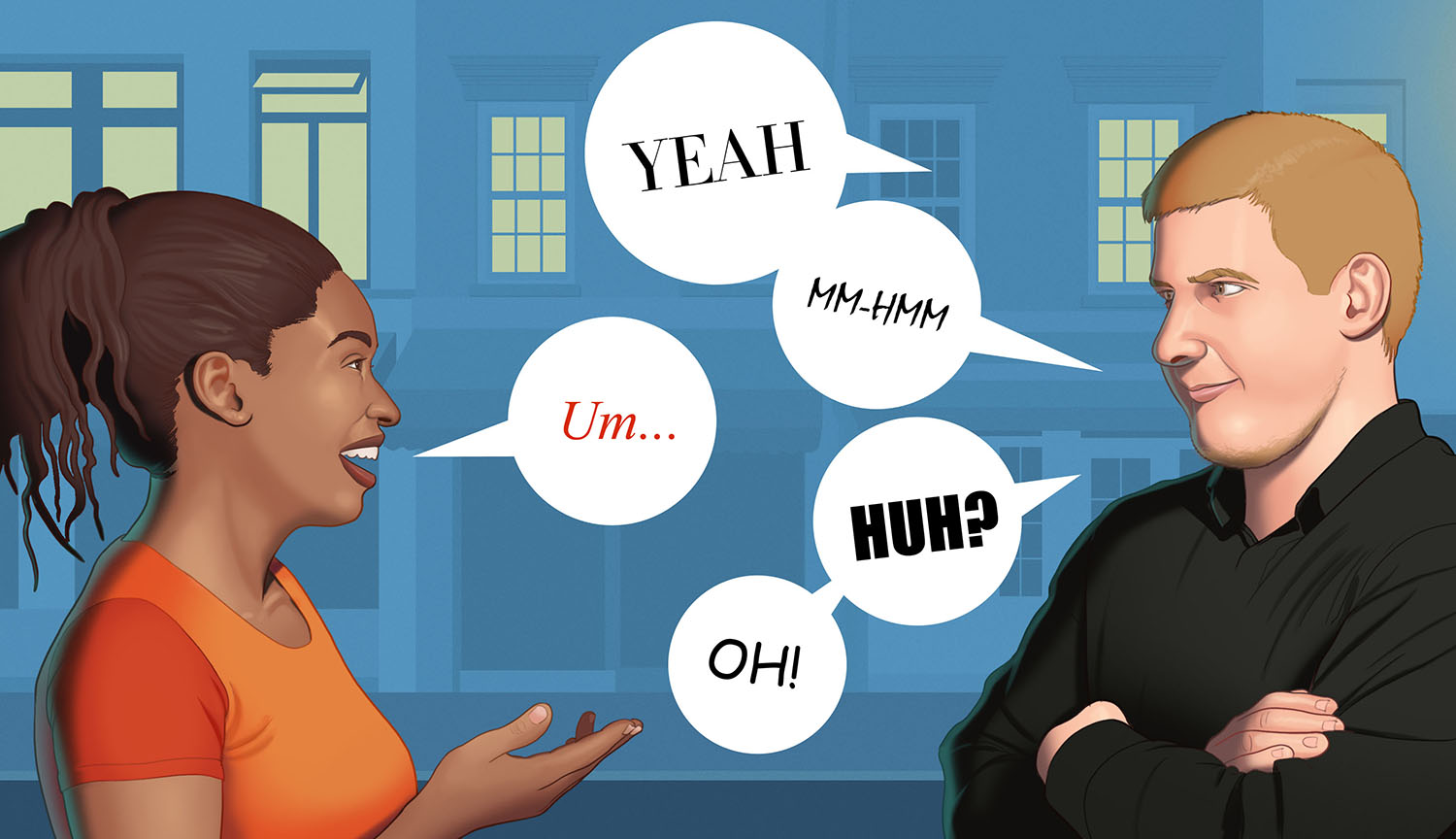
Huh? The valuable role of interjections

Utterances like um, wow and mm-hmm aren’t garbage — they keep conversations flowing

Speech interjections aren’t throwaway lines

PODCAST: Turns out, the best listener isn't quiet, as our host learns in a chat with two linguists. All those ums, ohs and mm-hmms have unexpected value.

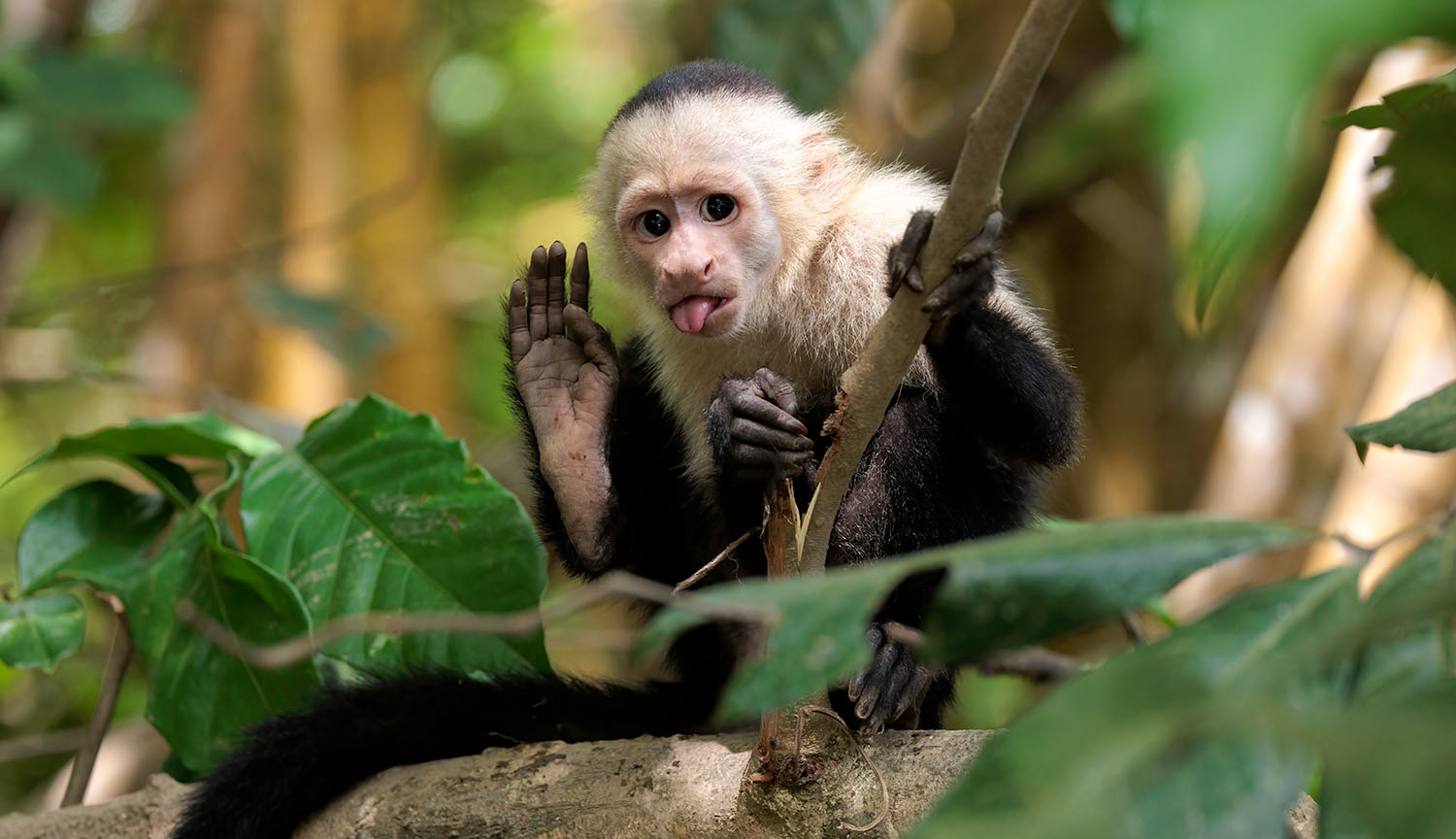
Meet the capuchin monkey: Curious, creative and vengeful

UCLA’s Susan Perry has devoted decades to studying the fast-motion life of these New World primates and learning how the young acquire the skills they need to thrive

Quiet couples: Alone time together

The right kind of silence can be golden, revitalizing and strengthening a relationship

This is a required field
Please enter a valid email address
Approval was a Success
Invalid data
An Error Occurred
Approval was partially successful, following selected items could not be processed due to error