cookies to track usage and preferences."
data-cookieaccepttext="I UNDERSTAND"
data-cookiedeclinetext="Disable Cookies"
data-cookiepolicytext="Privacy Policy">
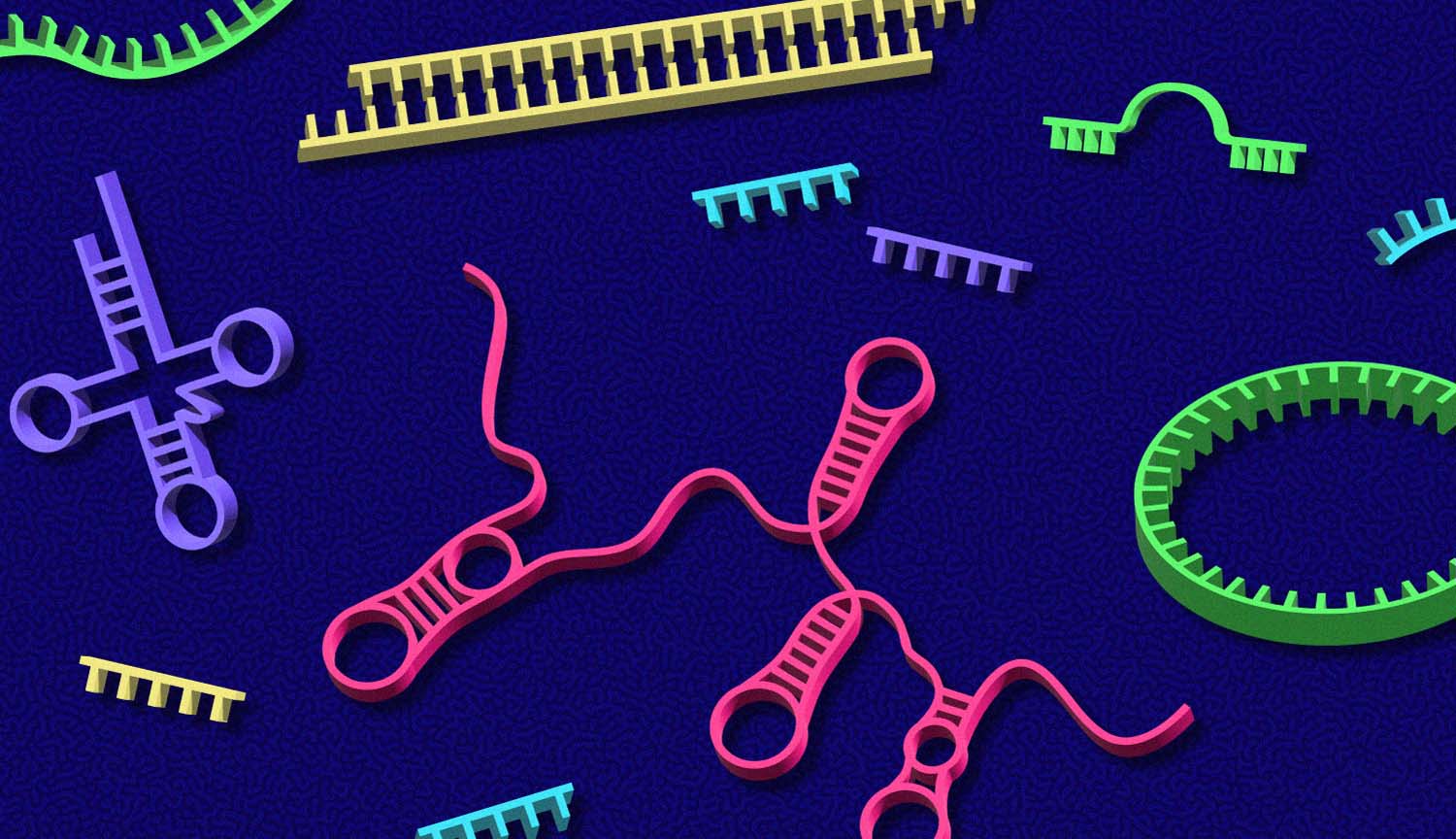
Once considered cellular junk, non-coding RNAs are emerging as key players in everything from brain development to cancer — with much still to be discovered
Scientists are learning more about this leading complication of childbirth. Treatments are improving and doctors can test for biological markers that flag heightened risk.
Public health researchers explain the levers that can reduce — or worsen — this global blight. A bright spot: There are more data than ever on strategies that can help.
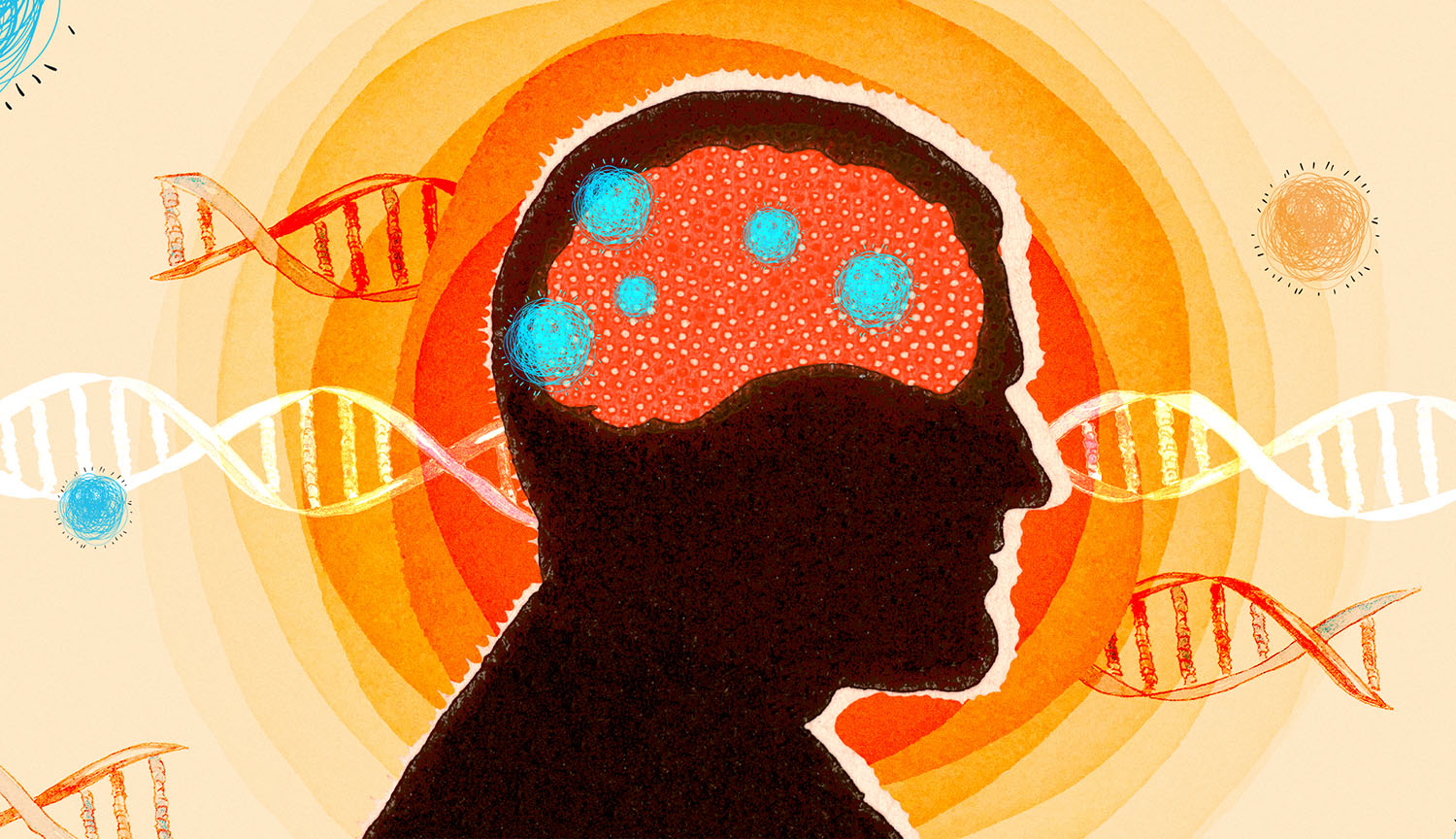
Our genomes are peppered with DNA segments called retrotransposons that can move from place to place. When unleashed, some can kill nerves and promote inflammation — a discovery that may inspire treatments for neurodegeneration.
Picture your body: It’s a collection of cells carrying thousands of DNA errors accrued over a lifetime — many harmless, some bad, and at least a few that may be good for you.
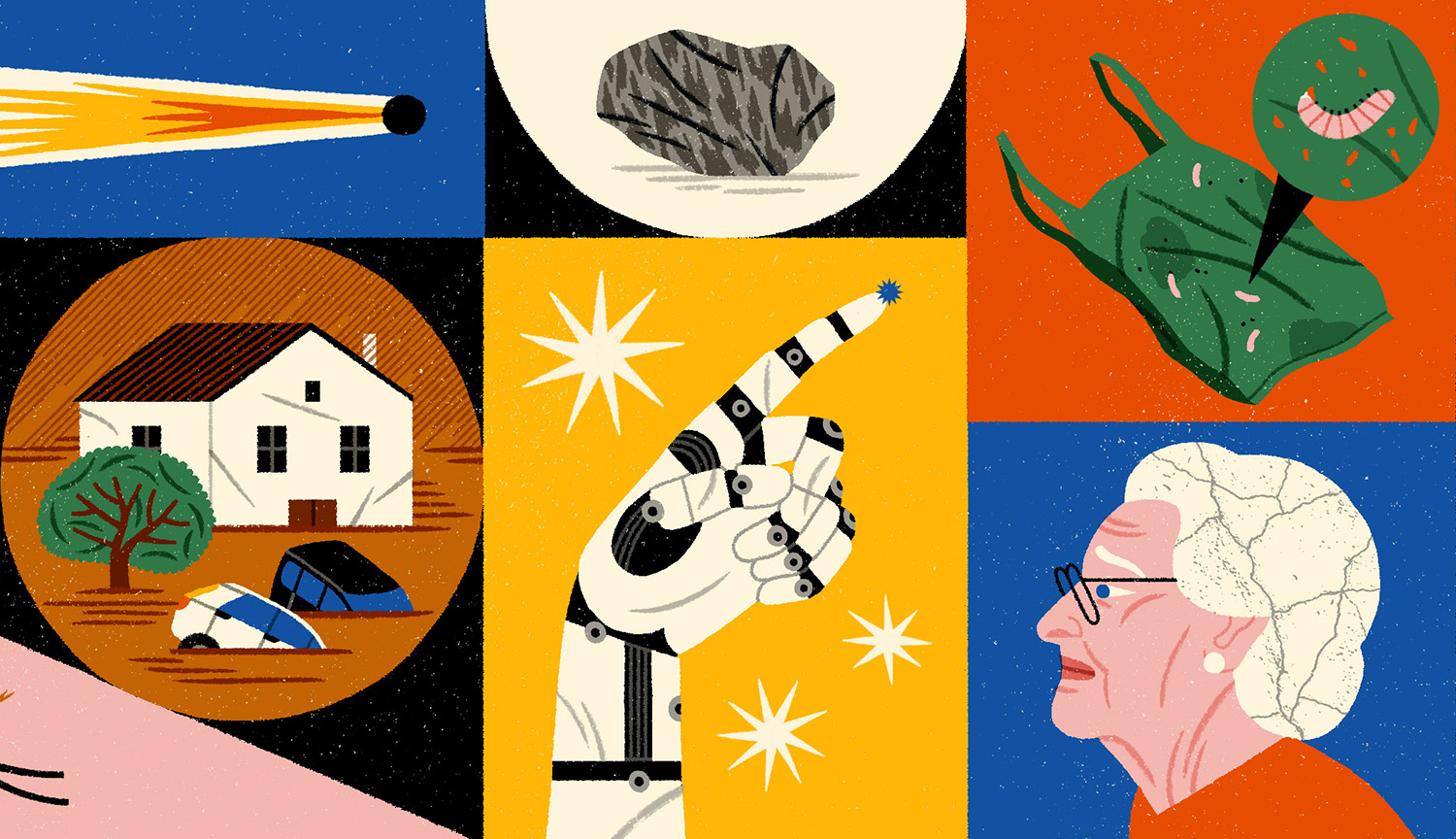
This record-setting year for heat saw stunning auroras, a map of a brain, a Dengue epidemic, the first look at rocks from the far side of the Moon, an AI energy scramble and more
Short sleepers cruise by on four to six hours a night and don’t seem to suffer ill effects. Turns out they’re genetically built to require less sleep than the rest of us.
Kids with disruptive mood dysregulation disorder have explosive outbursts well past toddler age. Scientists are trying to work out the causes and what treatments help.
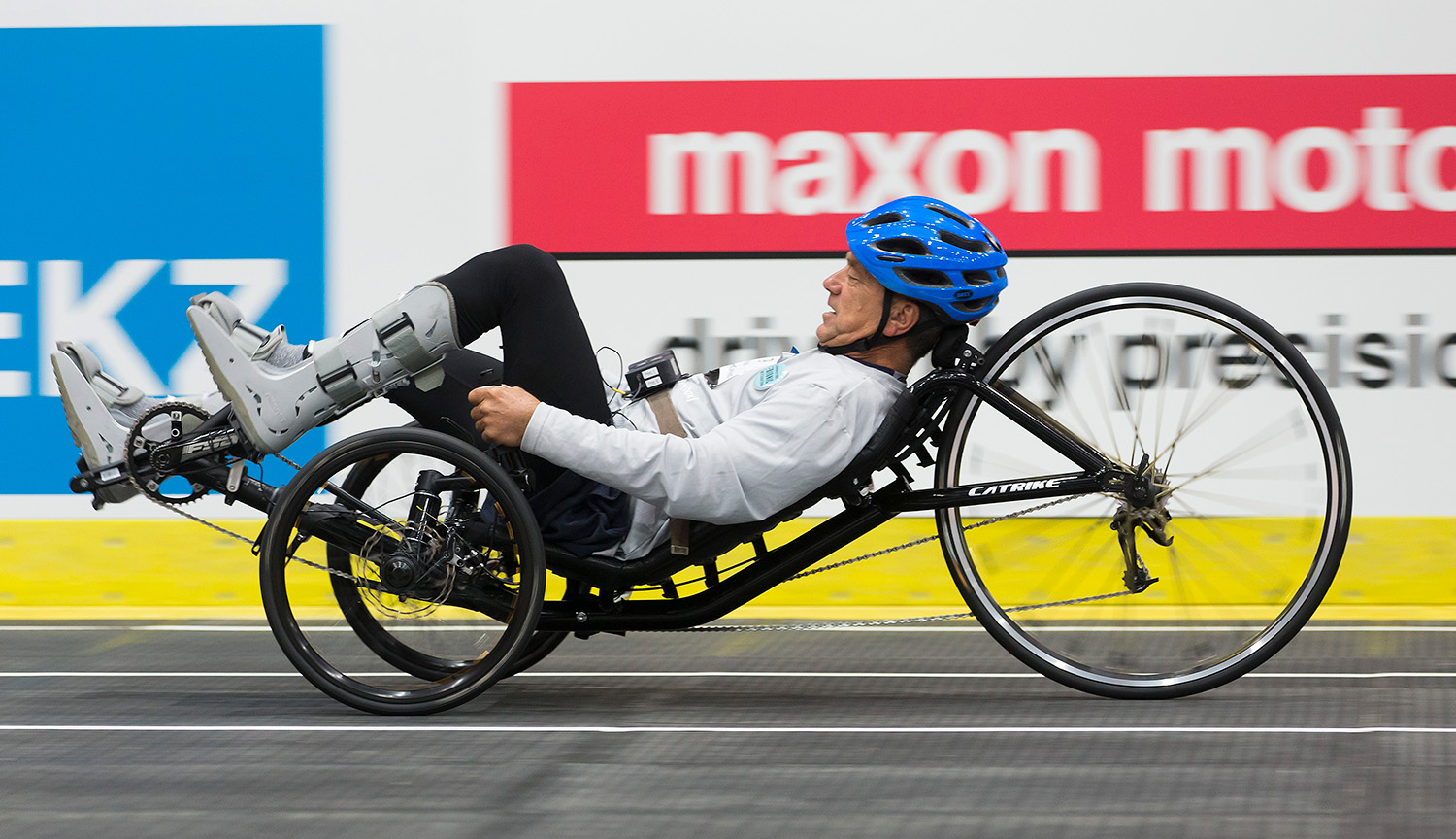
In the international competition, people with physical disabilities put state-of-the-art devices to the test as they race to complete the tasks of everyday life
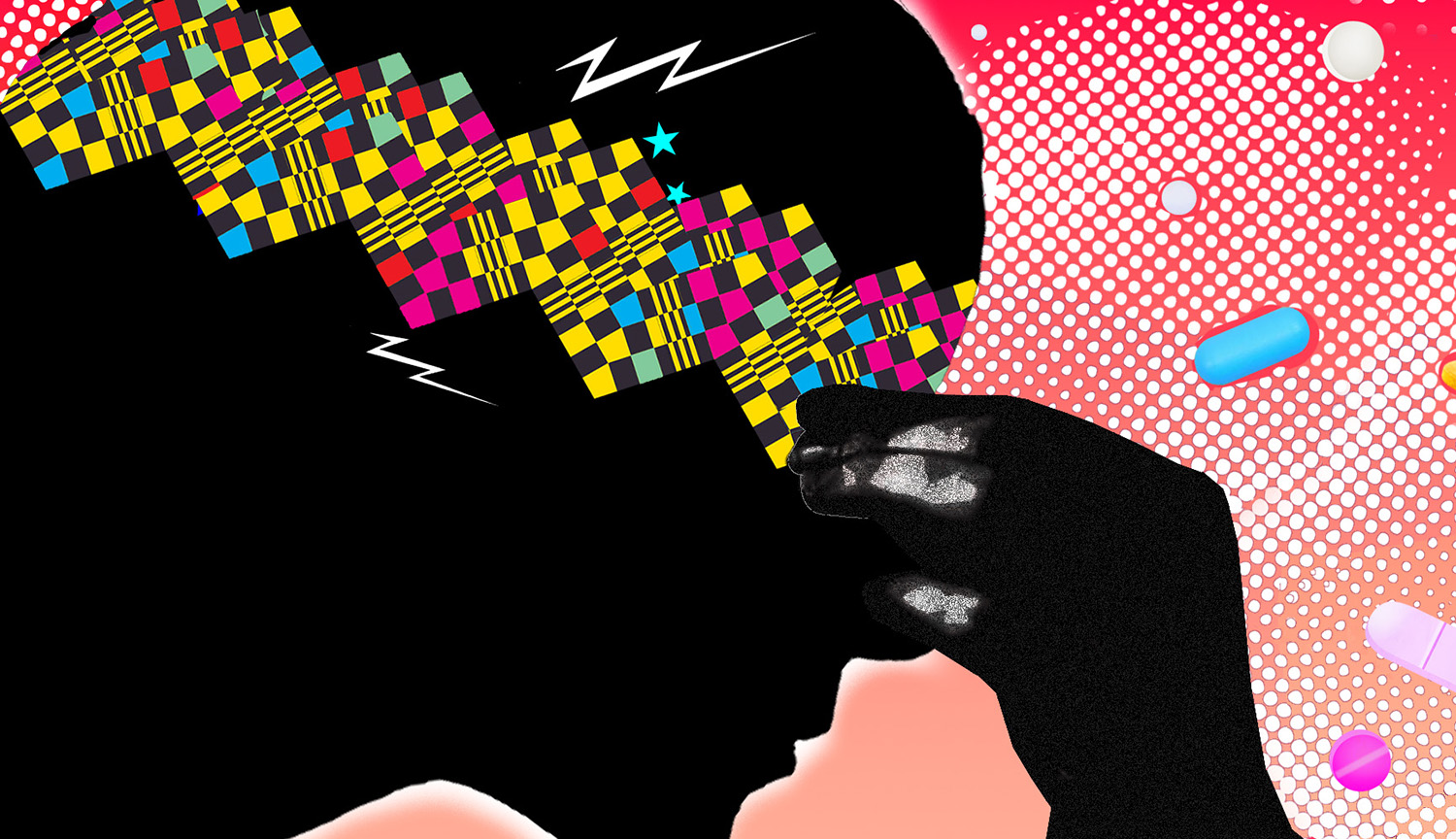
One class of drugs has already found success in treating the painful, disorienting and common attacks. Excitement is building about a slew of additional drug targets.
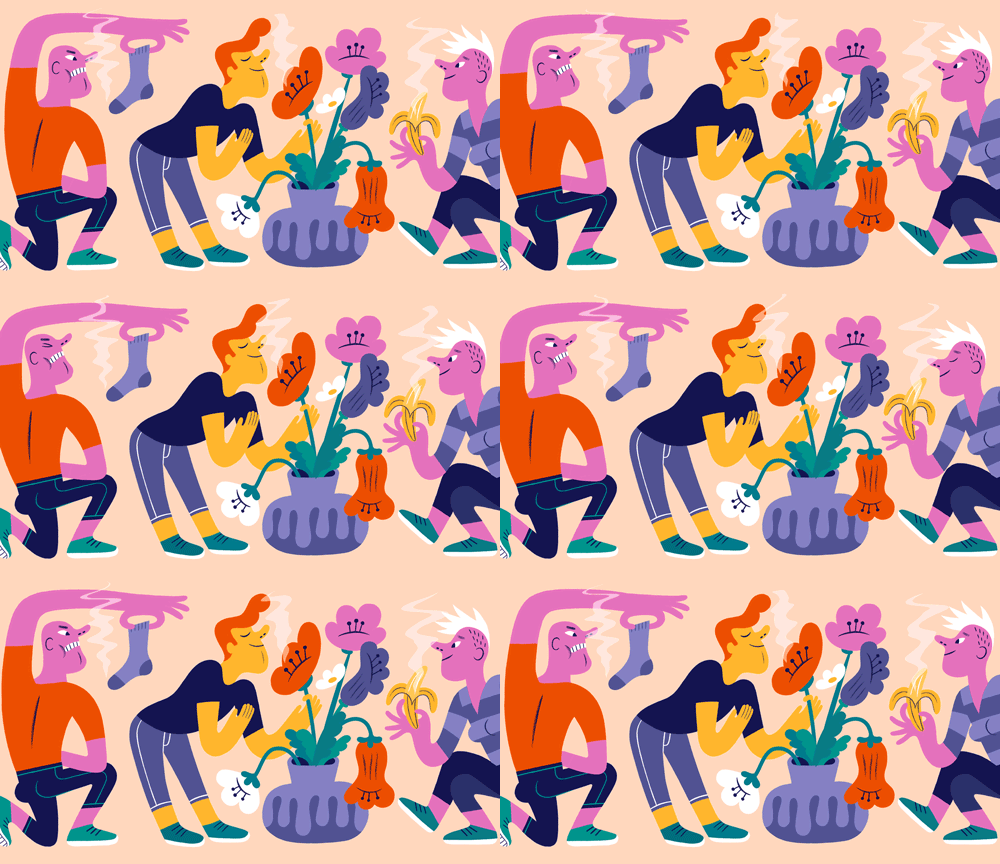
It’s clear that genes, receptors and neurons all play a role in detecting odors. But much of how we make sense of what we sniff remains mysterious. A neuroscientist explains.
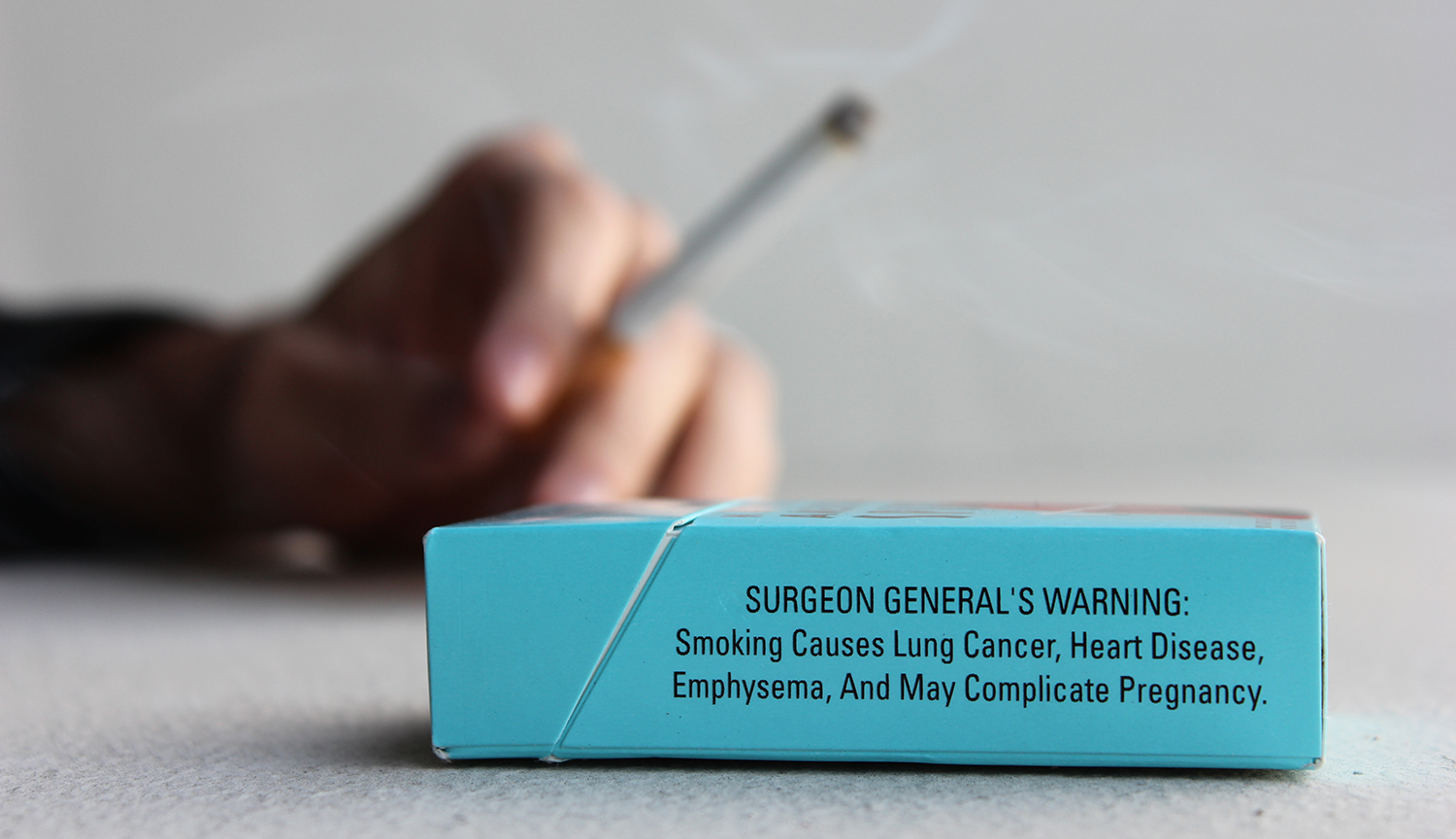
Regulatory hurdles, industry objections and legal fights have gone on for decades over traditional tobacco. What’s in store for the next generation of smoking?
How do we sense the need to urinate? The basic urge is surprisingly complex and can go awry as we age.
Close X
This is not a paywall.
Knowable Magazine is free to read. But just because our articles are free to read doesn’t mean they are free to produce. If you value our trustworthy science journalism, please support it with a donation.