cookies to track usage and preferences."
data-cookieaccepttext="I UNDERSTAND"
data-cookiedeclinetext="Disable Cookies"
data-cookiepolicytext="Privacy Policy">
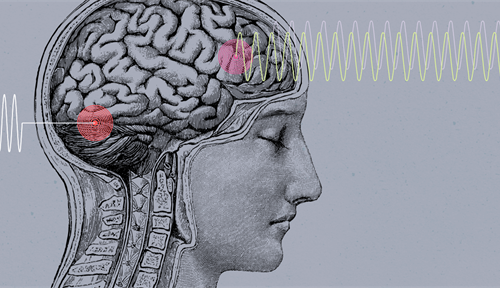
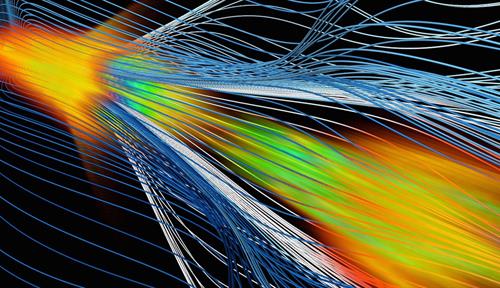
Ultrasound isn’t just for images. Sonogenetics and other promising technologies let researchers use focused sound waves to control genes and entire cells deep in the tissues of living animals, without surgery.
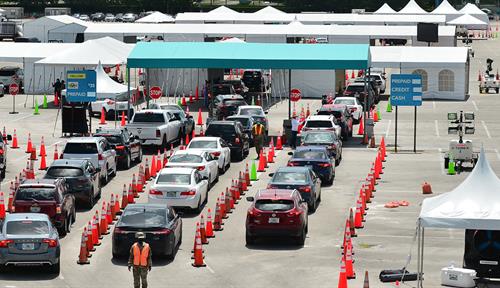
Scientists are working at breakneck speed to develop inexpensive tools that take only minutes to tell if someone is infected — a feat that could pave the way for a safer return to normalcy
Marketed to meat lovers, plant-based burgers like Impossible and Beyond claim to taste like the real thing and to have far lighter environmental footprints. Here’s what the numbers have to say.
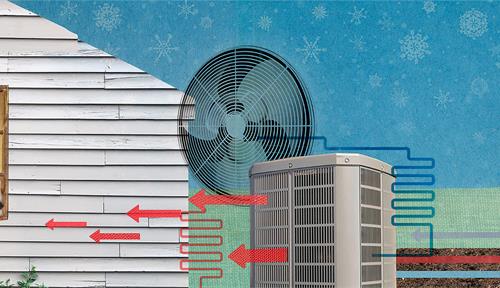
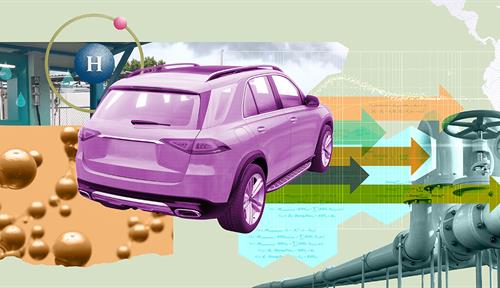
Innovative thinking has done away with problems that long dogged the electric devices — and both scientists and environmentalists are excited about the possibilities
PODCAST: They started out so small, one could fit on the palm of your hand, but to make groundbreaking discoveries, physicists had to think really big — as in, vast machines with the power and capacity to reveal the tiniest building blocks of our universe (Season 2/Episode 5)
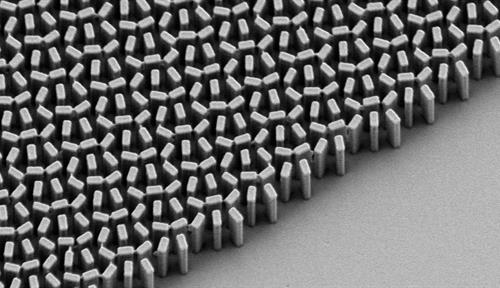
No one knows exactly how the nocturnal hunters manage their whisper-soft flight, yet it is inspiring the design of quieter airplanes, fans and wind turbines
The unlikely marriage of two major artificial intelligence approaches has given rise to a new hybrid called neurosymbolic AI. It’s taking baby steps toward reasoning like humans and might one day take the wheel in self-driving cars.
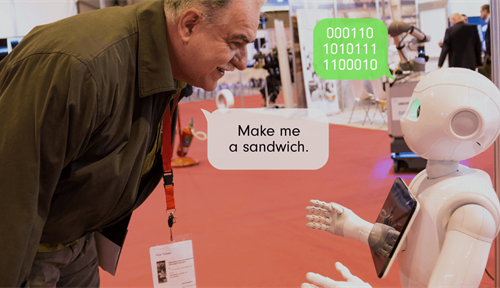
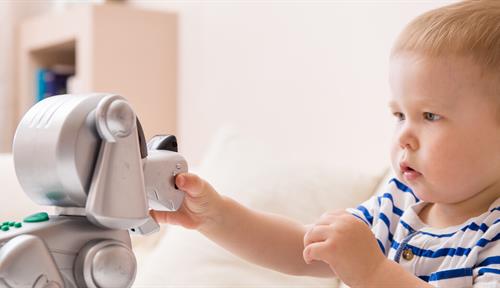
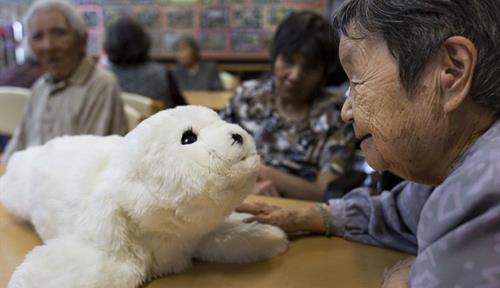
Machines might better understand our commands if they experienced our physical worlds, researchers say. That enhanced perception could sharpen their listening skills and improve performance.
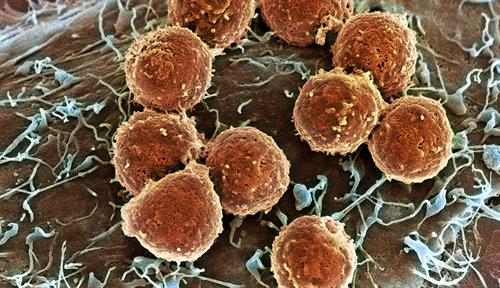
The pandemic put the technology, long in development, to the test. Here’s a look at the status of its application to cancer and when it might reach patients.
VIDEO: Diverting recoverable materials helps keep trash from overwhelming landfills, but the industry still faces many challenges. Consumer education, innovative technologies and turning wastes to energy can help manage the rubbish problem.
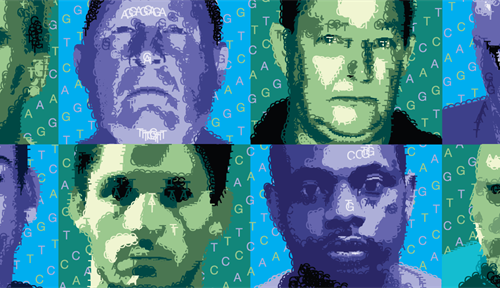
In an evolving branch of forensic science, genealogists help solve crimes, sometimes identifying suspects with the DNA of distant relatives they’ve never met. As cold cases yield, concerns about privacy issues persist.
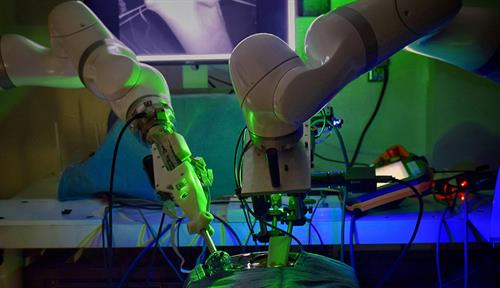
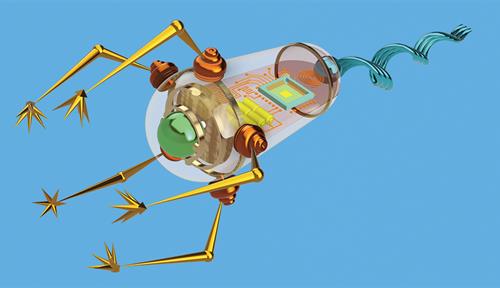
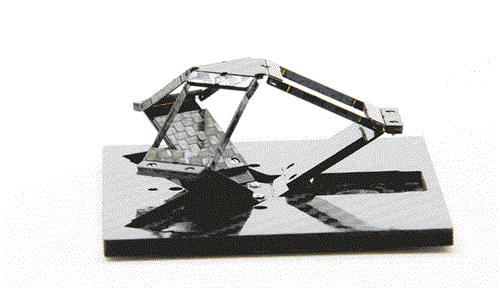
What would it take to create a truly intelligent microbot, one that can operate independently? A roboticist describes the fascinating minutiae and the medical jobs these tiny machines could do for us.
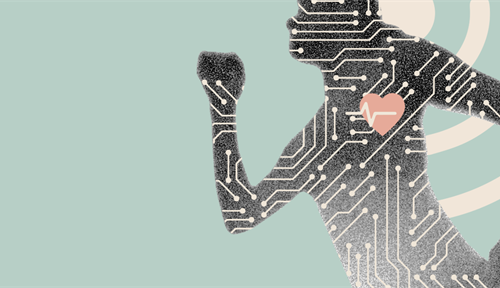
VIDEO: Wearable devices are increasingly used for tracking health data and identifying problems. Learn from health researchers about exploring the promise and pitfalls of personal tech.
VIDEO: Scientists have captured live video of parts of the most fundamental event in biology — cells reading and copying DNA instructions to make proteins
VIDEO: Doctored images, fake videos and computer-generated news are easier than ever to create and distribute. Here’s why you should worry and what you can do.
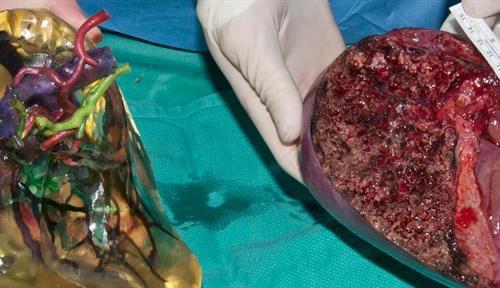
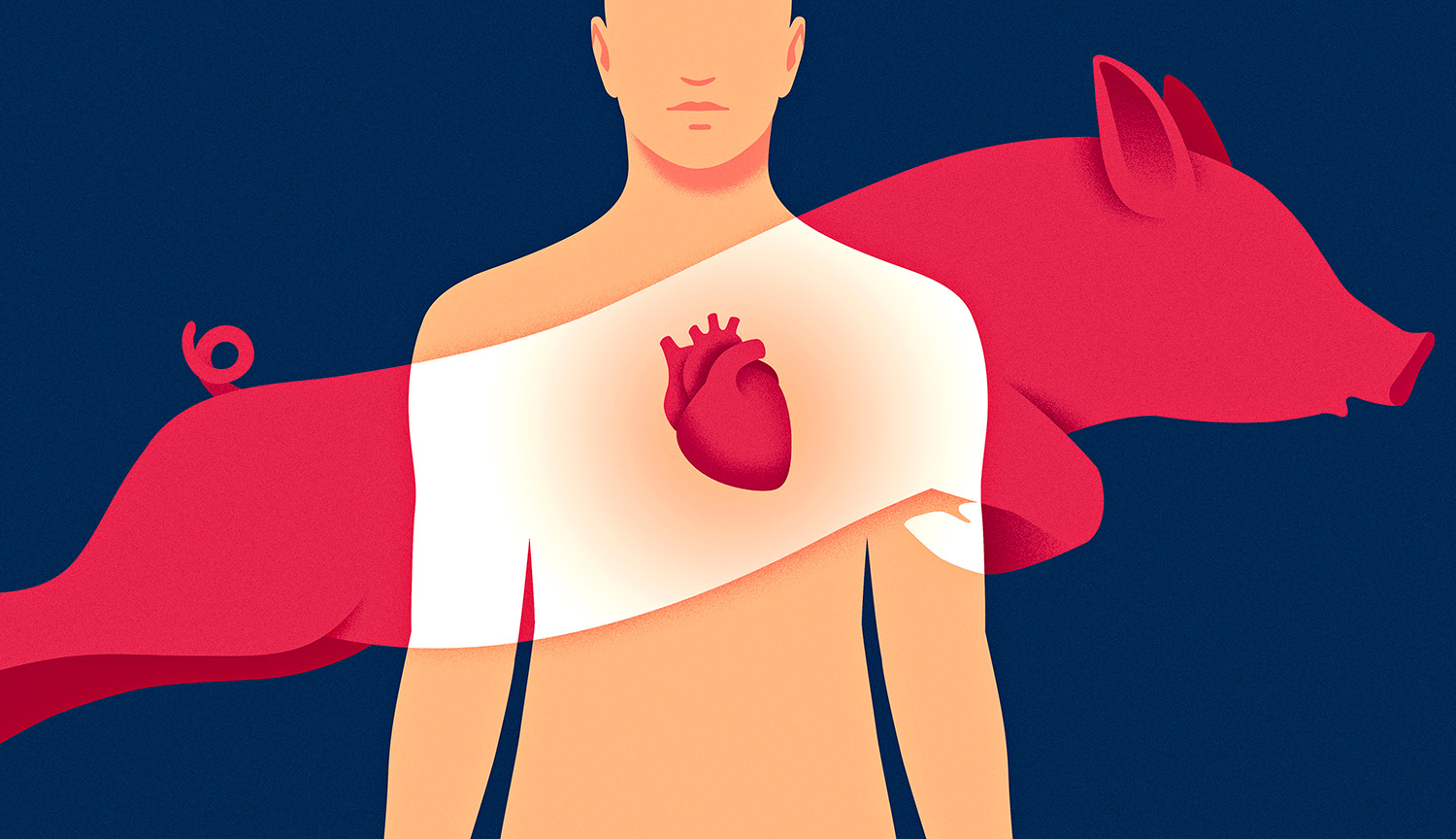
Can genetically modified animals help ease the shortage of organs? After years of research into xenotransplantation, the field is at a turning point — yet risks and ethical issues remain.
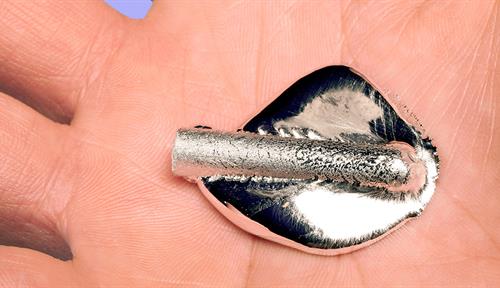
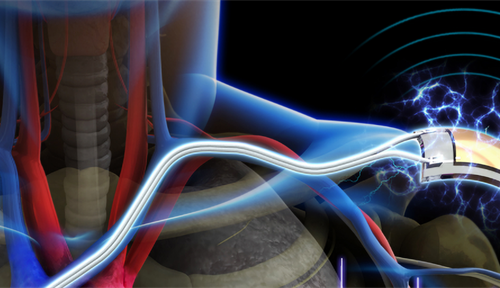
Batteries are the weak link for wearable and implantable devices. But what if you could harvest energy from the heat, sweat or vibrations of the wearer?
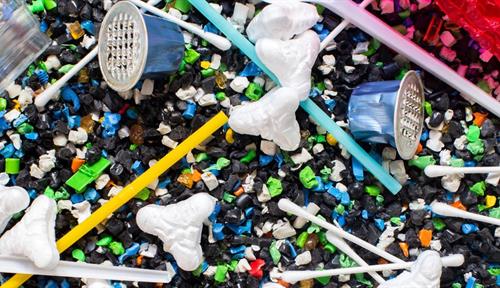
Instead of asking consumers to remember what is and isn’t recyclable — and to sort items into the correct bins — why not just take the rubbish and sort it centrally?
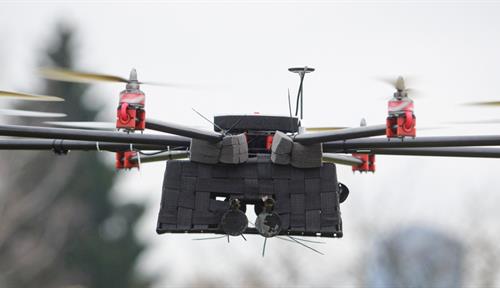
Airborne autonomous vehicles could soon be dropping off your Amazon packages, delivering your food and even ensuring that the infrastructure around you is safe and sound
Substances that persistently luminesce are already used in some bike lanes, and in the future could be applied to sidewalks, streets and buildings — saving energy and reducing urban heat
Today’s astounding computing power offers great potential for reducing crime, but a criminologist says law enforcement has yet to find ways to fully tap it.
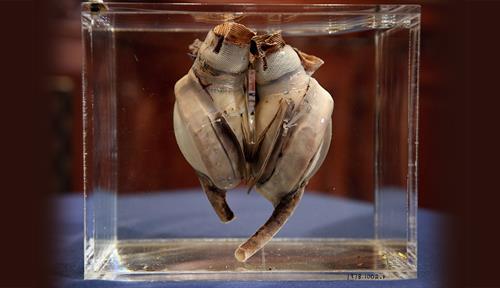
PODCAST: Replacing or assisting the human heart with a machine would save countless lives. But the quest to build an artificial heart has had many gruesome missteps and caused researchers to reimagine how to keep our blood flowing. (Season 1/Episode 2)
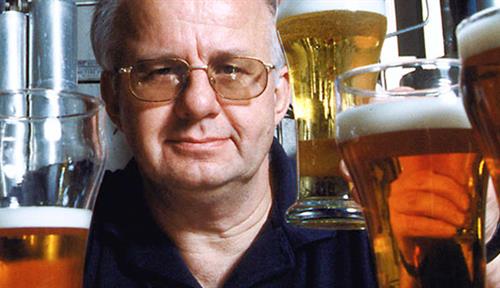
Professor Charlie Bamforth is retiring. But he still fizzes with strong opinions on good beer, solid brewers and – Ptooey! – wine.
Close X
This is not a paywall.
Knowable Magazine is free to read. But just because our articles are free to read doesn’t mean they are free to produce. If you value our trustworthy science journalism, please support it with a donation.