cookies to track usage and preferences."
data-cookieaccepttext="I UNDERSTAND"
data-cookiedeclinetext="Disable Cookies"
data-cookiepolicytext="Privacy Policy">
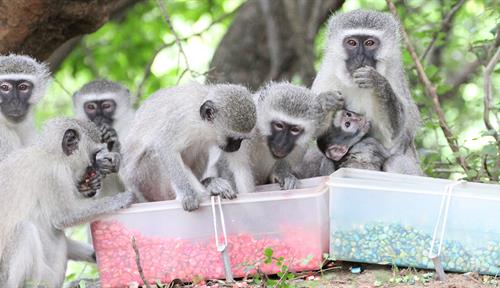
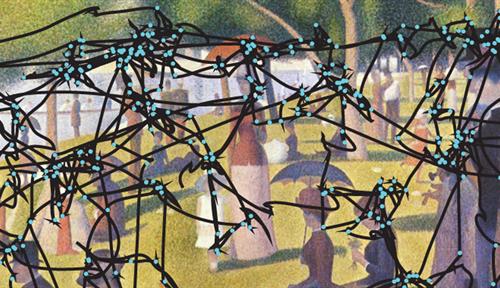
From monkeys washing potatoes to cockatoos raiding trash cans, socially spread behaviors allow creatures to adapt more rapidly to changing environments than conventional evolution would allow. But the traits are also more easily lost.
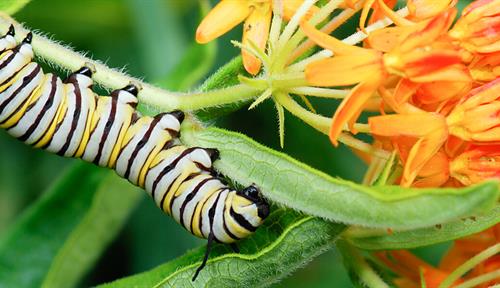
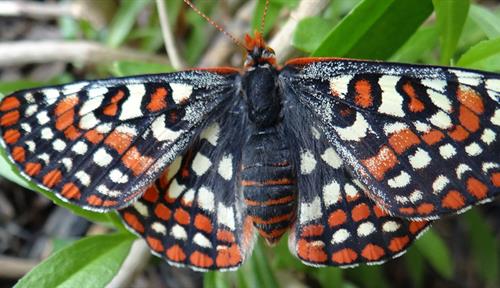
By engineering mutations into fruit flies, scientists reconstructed how the butterflies may have evolved resistance to the toxins found in milkweed, allowing their caterpillars to feast on the plant
How do animal populations respond to climate change? After studying the same butterfly and its habitats for decades, two biologists explain that it’s complicated — but endlessly intriguing.
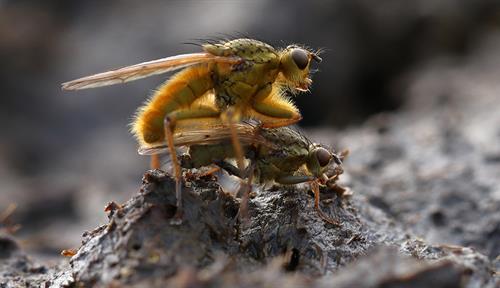
Fifty years ago, Geoff Parker’s pioneering scholarship on “sperm competition” in insects was broadly overlooked. Since those days, hundreds of studies in many animals have confirmed the importance of what he discovered while watching flies mate around cow pats.
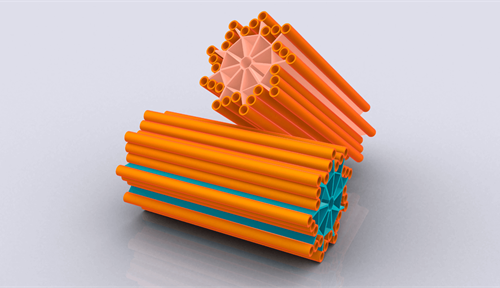
Cells build an elegant, symmetrical structure. How they do it is intriguing on its own, but recent insights could also help explain some developmental disorders.
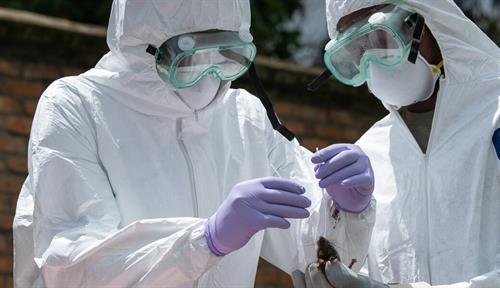
We know pathogens from other species can endanger us. Scientists are better equipped than ever to do something about it, but political buy-in is crucial.
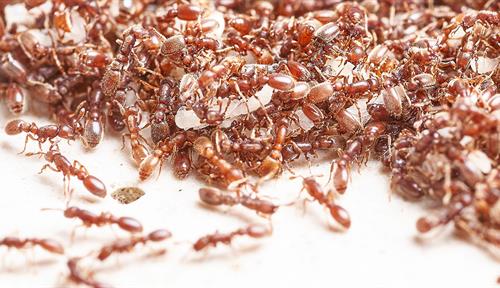
Social insects and humans share the trait of divvying up tasks, as do some fish. Researchers find that it emerges naturally, and it often doesn’t take a boss to keep things in order.
Close X
This is not a paywall.
Knowable Magazine is free to read. But just because our articles are free to read doesn’t mean they are free to produce. If you value our trustworthy science journalism, please support it with a donation.