cookies to track usage and preferences."
data-cookieaccepttext="I UNDERSTAND"
data-cookiedeclinetext="Disable Cookies"
data-cookiepolicytext="Privacy Policy">
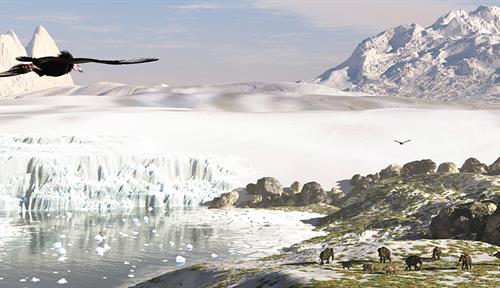
PODCAST: Digging — quite literally — into our planet’s past to study its paleoclimate has shed light on bygone ice ages and hints at trouble ahead for our now-warming world (Season 2/Episode 4)
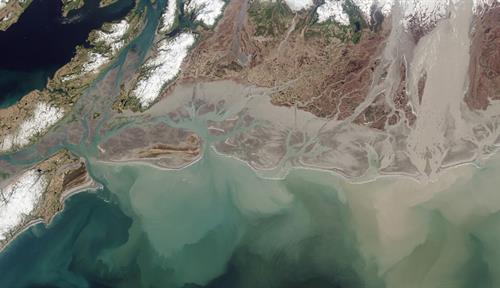
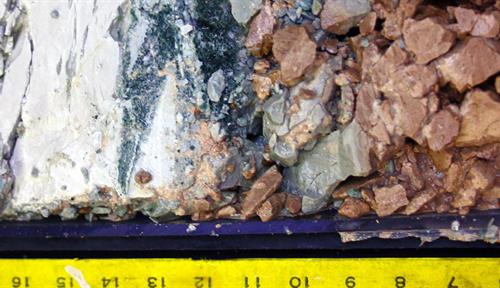
For most of Earth’s history, hardly any of the mucky stuff existed on land. It finally started piling up around 458 million years ago, changing life on the planet forever.
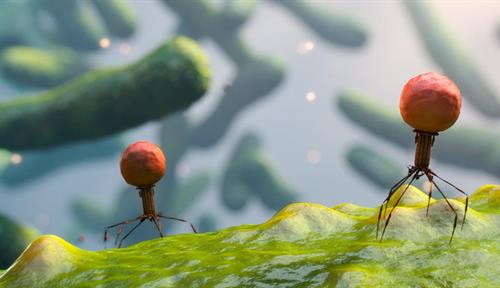
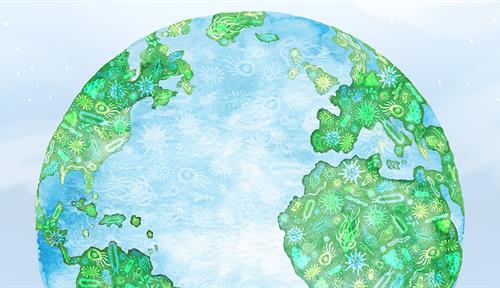
Sure they cause disease, but the microbes can be a help as well. Witness long-lasting pepper seeds, drought-resistant crop plants and even our own placentas.
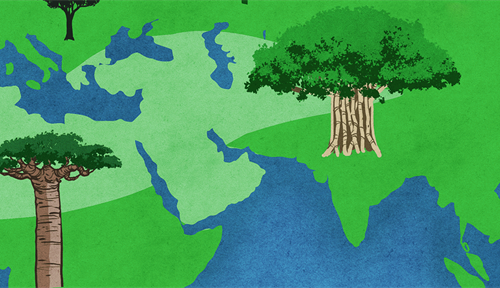
COMIC: Do forests warm or cool the Earth? What’s their effect on global climate change? A comic narrated by polymath Benjamin Franklin describes the evolution of thought on this issue and what we still don’t know.
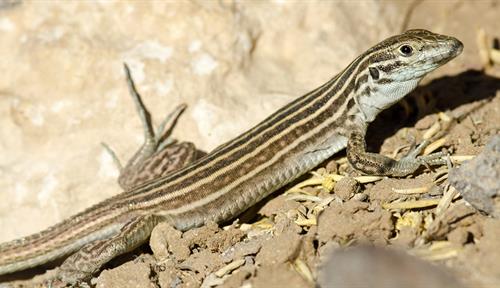
Some lizard species do without males altogether. Scientists are studying these all-female species to see what they might reveal about the pros and cons of sex.
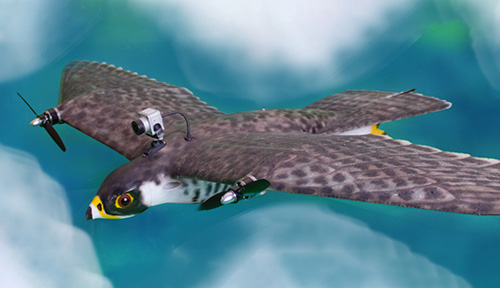
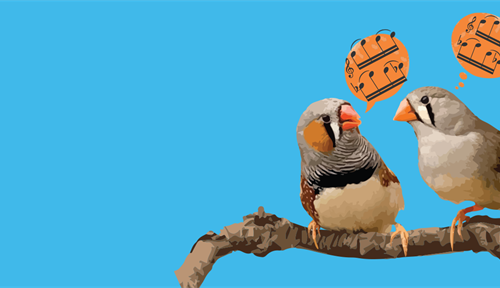
VIDEO: Culture was once thought to be uniquely human, but scientists are finding evidence that many birds are also cultural creatures. What does avian culture look like? And why does it matter?
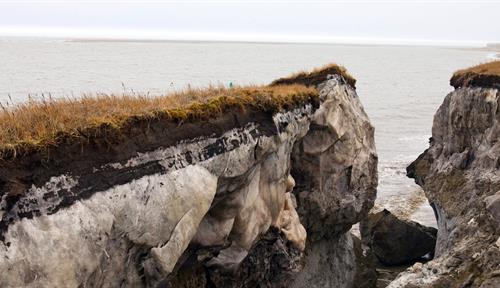
To understand what might be lost, ecologist Janet K. Jansson taps molecular methods to explore Earth’s underground microbes, from the permafrost to the grasslands
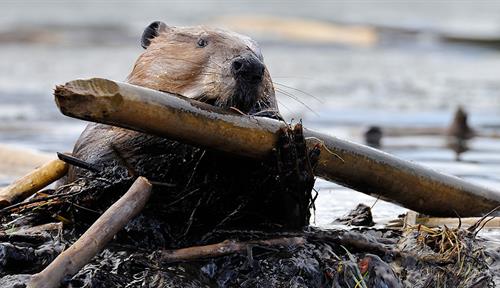
Individual behavior patterns may skew studies. A new approach called ‘STRANGE’ could help, by taking into account the habits, tendencies and life experiences of the creatures under scrutiny.
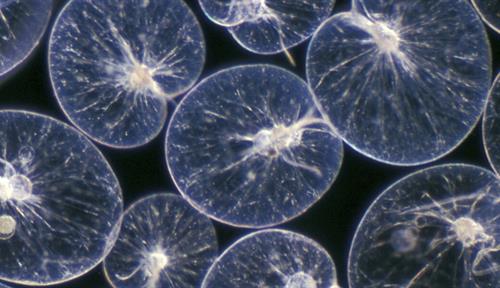
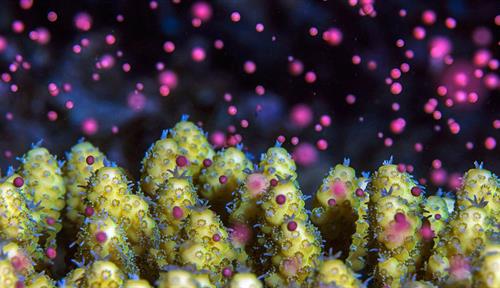
Many sea creatures release eggs and sperm into the water on just the right nights of the month. Researchers are starting to understand the biological rhythms that sync them to phases of the moon.
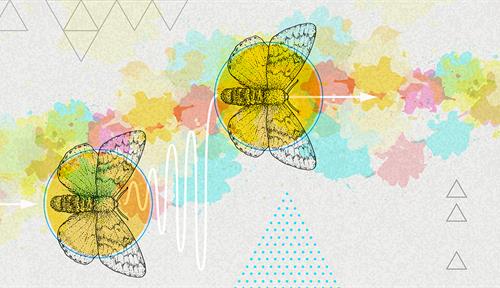
It’s not easy to find the source of a swirling scent plume. Scientists are using experiments and simulations to uncover the varied strategies that animals employ.
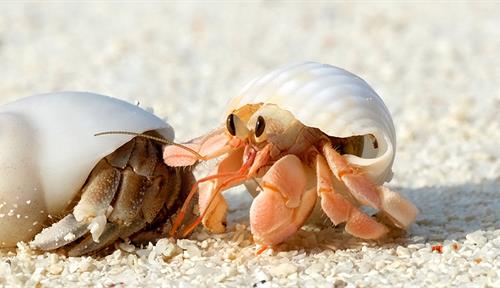
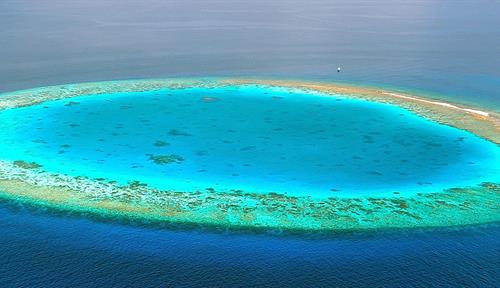
Sea levels rising and falling over hundreds of thousands of years helped build up these special islands
Close X
This is not a paywall.
Knowable Magazine is free to read. But just because our articles are free to read doesn’t mean they are free to produce. If you value our trustworthy science journalism, please support it with a donation.