cookies to track usage and preferences."
data-cookieaccepttext="I UNDERSTAND"
data-cookiedeclinetext="Disable Cookies"
data-cookiepolicytext="Privacy Policy">
Social insects and humans share the trait of divvying up tasks, as do some fish. Researchers find that it emerges naturally, and it often doesn’t take a boss to keep things in order.
PODCAST: Archaeopteryx forever changed our understanding of dinosaurs and the origin of birds, but it took a century after its discovery and a one-page paper to shift scientific consensus (Season 3, Episode 2)
OPINION: Ocean warming, acidification and deoxygenation due to climate change — as well as pollution and development — threaten our global waters, but disaster is far from inevitable
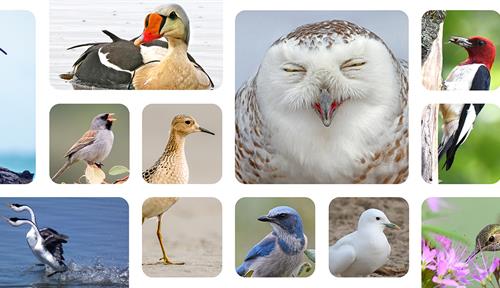
Rich data on the global state of our feathered friends presents plenty of bad news — but also some bright spots. Researchers know better than ever how to help endangered birds, and there are notable bird conservation successes.
Individual behavior patterns may skew studies. A new approach called ‘STRANGE’ could help, by taking into account the habits, tendencies and life experiences of the creatures under scrutiny.
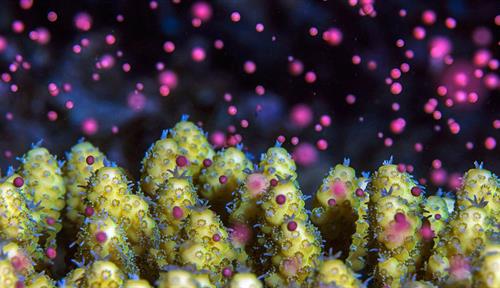
Many sea creatures release eggs and sperm into the water on just the right nights of the month. Researchers are starting to understand the biological rhythms that sync them to phases of the moon.
Whether fly or human, fleeing from danger is key to staying alive. Scientists are beginning to unravel the complex circuitry behind the split-second decision to beat a hasty retreat.
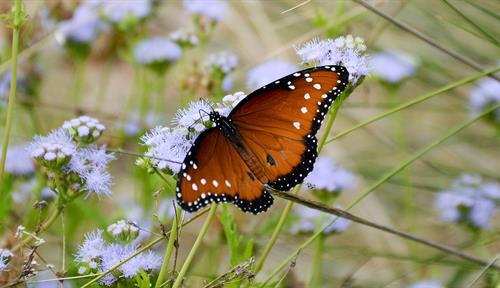
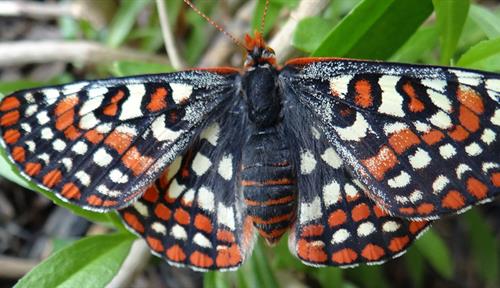
How do animal populations respond to climate change? After studying the same butterfly and its habitats for decades, two biologists explain that it’s complicated — but endlessly intriguing.
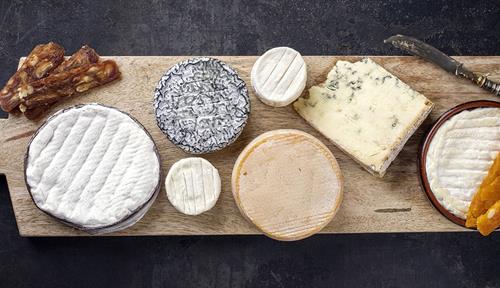
Cheese is not just a tasty snack — it’s an ecosystem. And the fungi and bacteria within that ecosystem play a big part in shaping the flavor and texture of the final product.
From building up defenses in the nose to slowing down a virus’s ability to make copies of itself, scientists are rolling out a raft of creative approaches to fighting infection
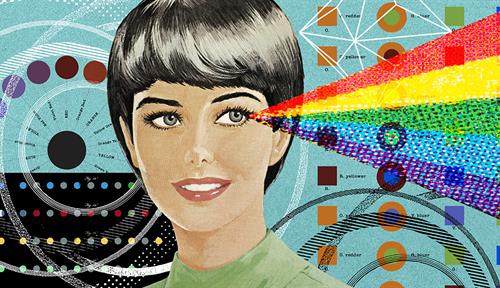
The way we see and describe hues varies widely for many reasons: from our individual eye structure, to how our brain processes images, to what language we speak, or even if we live near a body of water
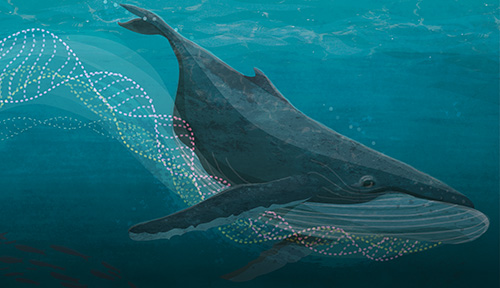
The genomes of cetaceans help tell the story of mammals who returned to the life aquatic
Close X
This is not a paywall.
Knowable Magazine is free to read. But just because our articles are free to read doesn’t mean they are free to produce. If you value our trustworthy science journalism, please support it with a donation.