cookies to track usage and preferences."
data-cookieaccepttext="I UNDERSTAND"
data-cookiedeclinetext="Disable Cookies"
data-cookiepolicytext="Privacy Policy">
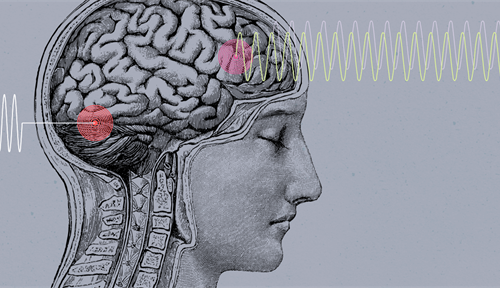
Ultrasound isn’t just for images. Sonogenetics and other promising technologies let researchers use focused sound waves to control genes and entire cells deep in the tissues of living animals, without surgery.
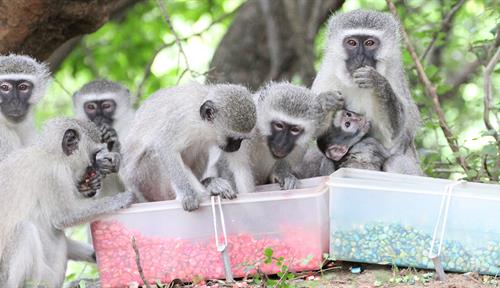
From monkeys washing potatoes to cockatoos raiding trash cans, socially spread behaviors allow creatures to adapt more rapidly to changing environments than conventional evolution would allow. But the traits are also more easily lost.
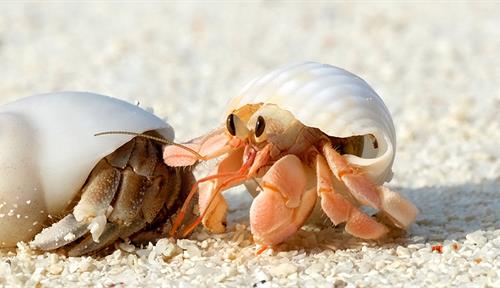
For women, a short-term fling may involve a quest for good genes or just a good time. It’s a puzzle for the researchers looking at how people choose mates.
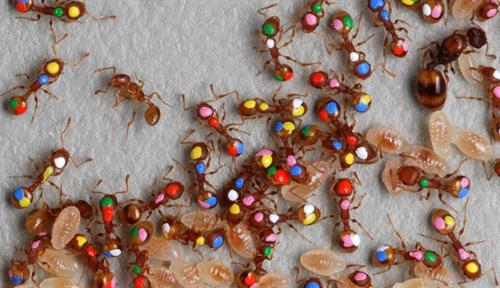
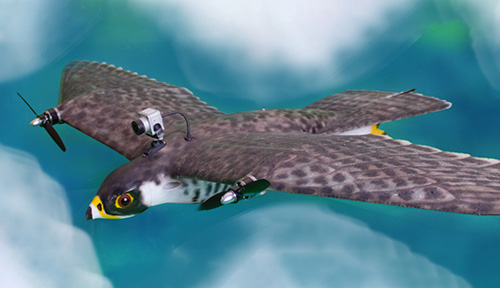
Studies of birds, fish and ants reveal the hidden ways groups coordinate movement, which might influence engineers designing drone armadas and efficient information flow
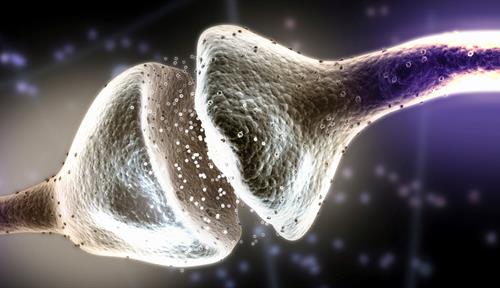
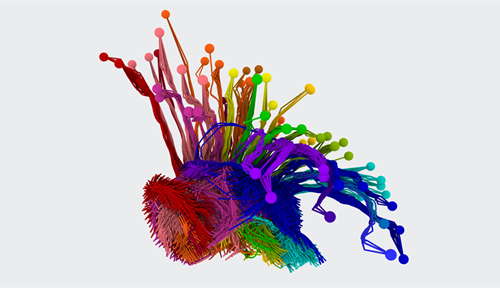
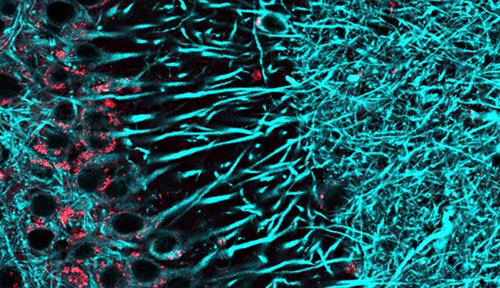
The thalamus has traditionally been viewed just as the brain’s sensory relay station. But it may also play an important role in higher-level cognition, MIT’s Michael Halassa explains in a Q&A.
The way we see and describe hues varies widely for many reasons: from our individual eye structure, to how our brain processes images, to what language we speak, or even if we live near a body of water
Individual behavior patterns may skew studies. A new approach called ‘STRANGE’ could help, by taking into account the habits, tendencies and life experiences of the creatures under scrutiny.
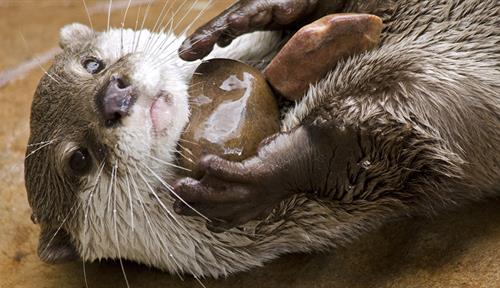
A gaggle of biotech start-ups are trying vastly different approaches to spin animal studies into the next big anti-aging therapy. It’s too early to know which, if any, will succeed.
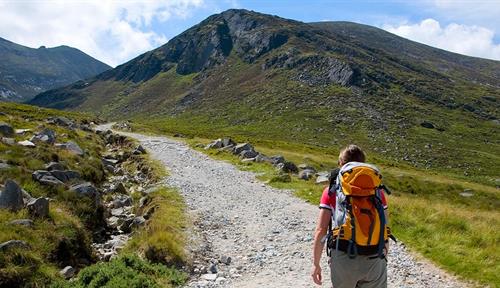
As Covid-19 descended across the world, people sought refuge in gardens, parks and the woods. But it’s hard to measure how being in nature affects our well-being — and how we can best reap its rewards.
VIDEO: Watch a scientific exploration of why old age is often associated with high levels of emotional well-being, even as physiological and cognitive capacity declines
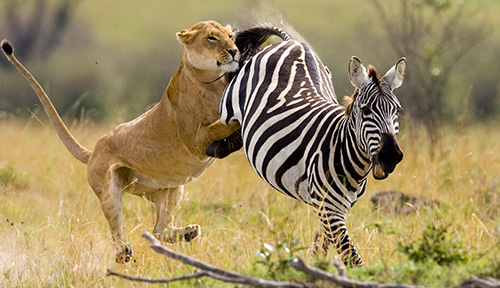
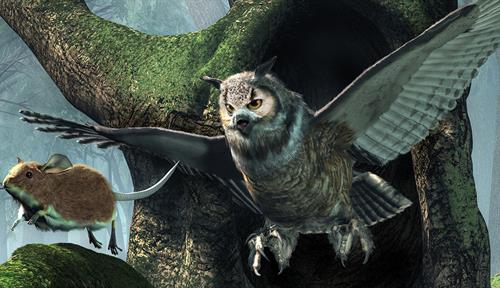
Whether fly or human, fleeing from danger is key to staying alive. Scientists are beginning to unravel the complex circuitry behind the split-second decision to beat a hasty retreat.
Close X
This is not a paywall.
Knowable Magazine is free to read. But just because our articles are free to read doesn’t mean they are free to produce. If you value our trustworthy science journalism, please support it with a donation.