cookies to track usage and preferences."
data-cookieaccepttext="I UNDERSTAND"
data-cookiedeclinetext="Disable Cookies"
data-cookiepolicytext="Privacy Policy">
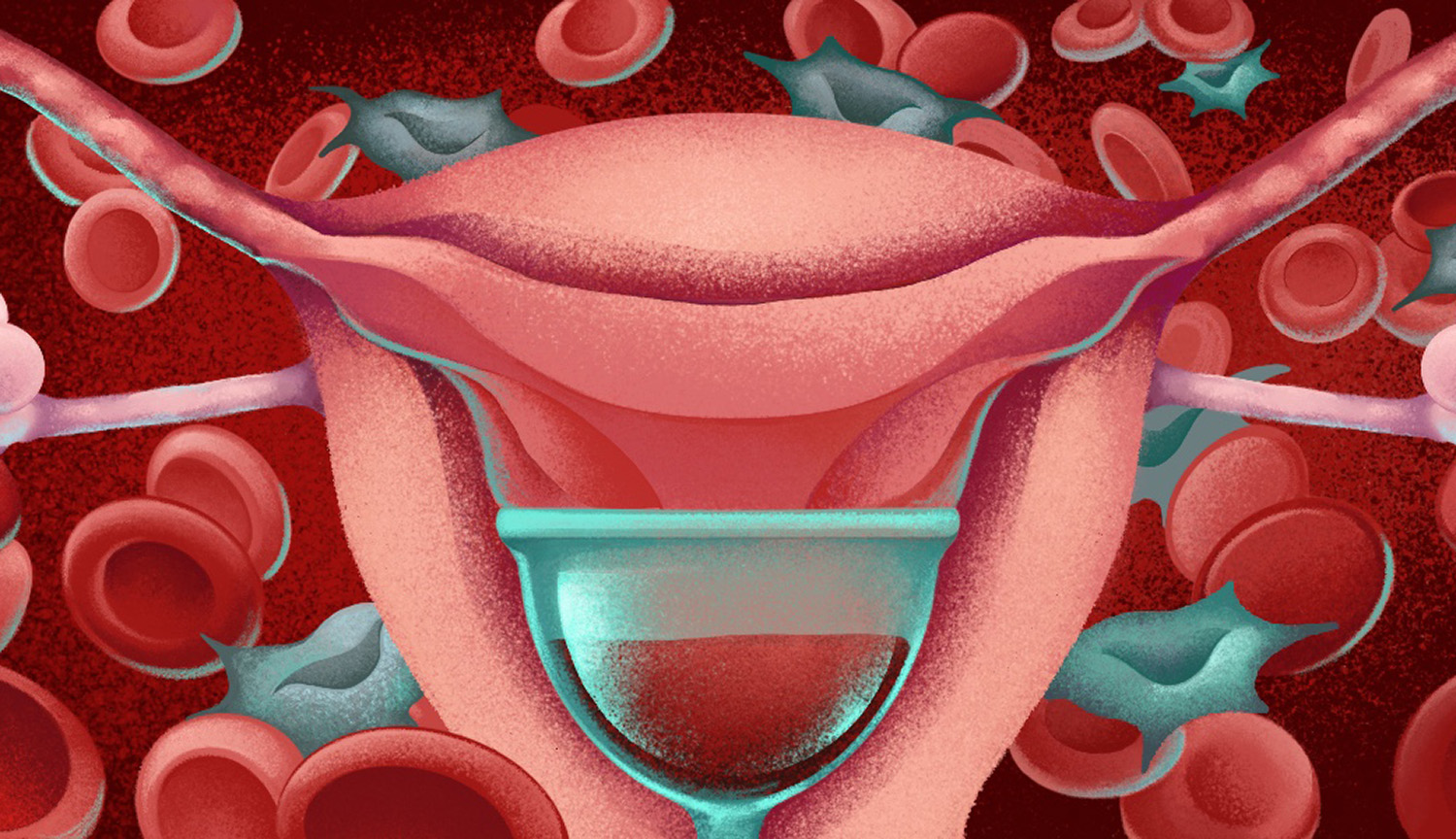
Scientists are learning more about this leading complication of childbirth. Treatments are improving and doctors can test for biological markers that flag heightened risk.
Researchers are exploring why some individuals are naturally super-lean and may struggle to gain weight. The causes of such constitutional thinness offer clues to the physiology of weight control.
Public health researchers explain the levers that can reduce — or worsen — this global blight. A bright spot: There are more data than ever on strategies that can help.
One class of drugs has already found success in treating the painful, disorienting and common attacks. Excitement is building about a slew of additional drug targets.
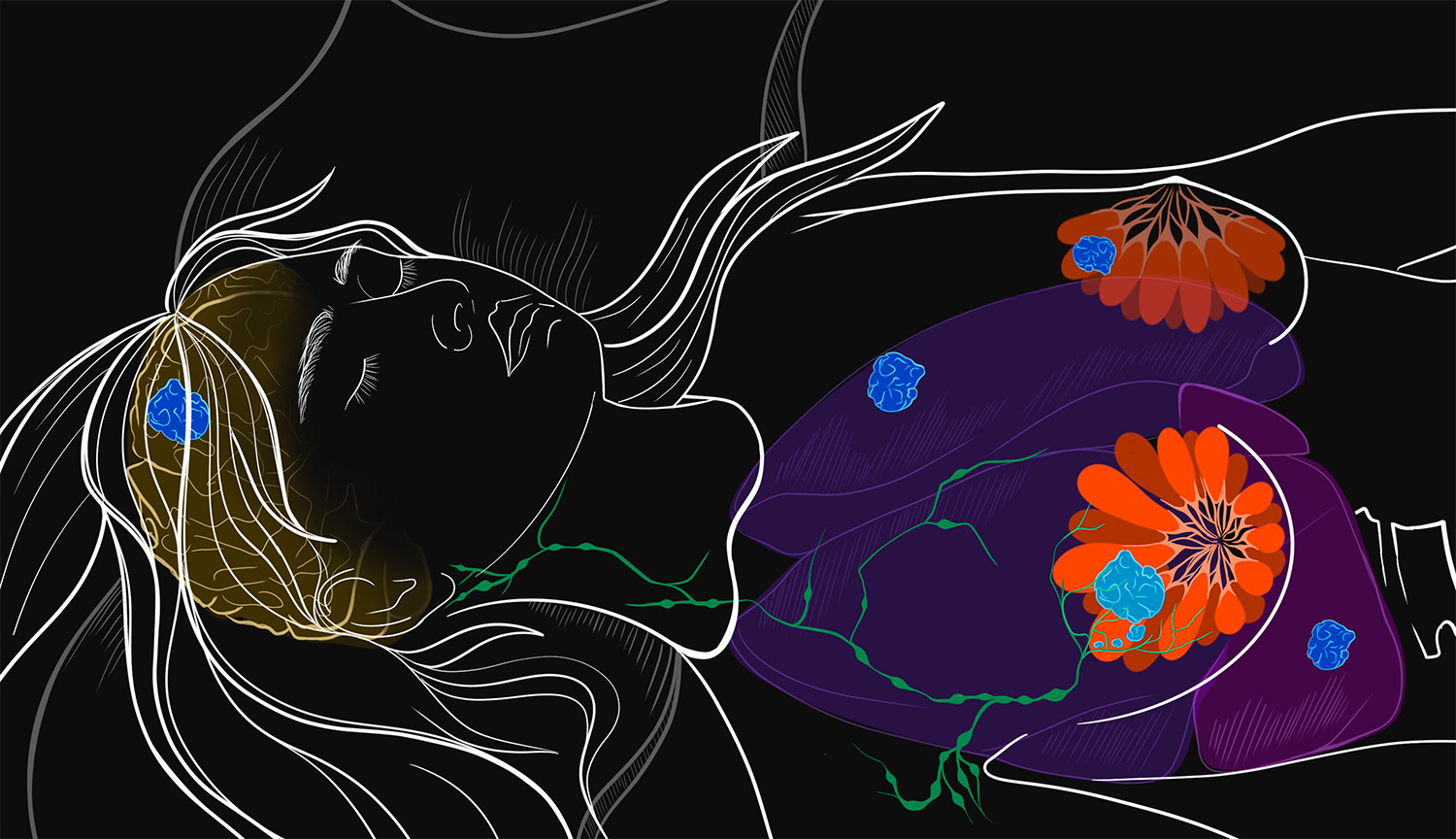
Population and animal studies suggested it could treat cancer, but the clinical trials were a bust. Here’s what happened and what potential may remain.
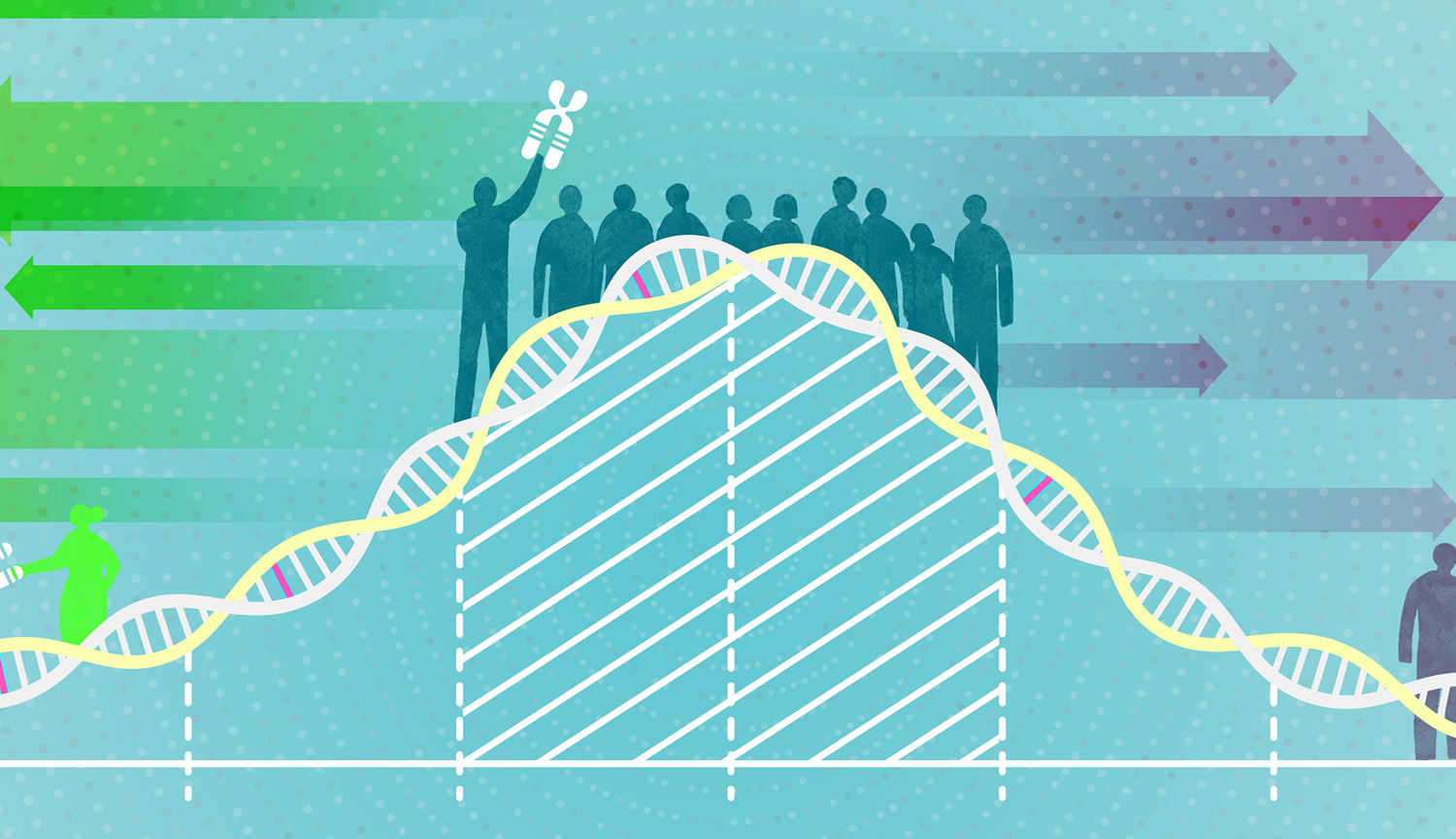
Polygenic risk scores — a patient’s chance, based on tiny DNA variants, of developing cardiovascular disease, breast cancer and more — are coming to clinics. But there are kinks to iron out and accuracy remains an issue.
Fluctuating levels of estrogen during a period known as perimenopause can wreak havoc on the mental health of women in midlife. Diagnosis and treatment have been elusive despite symptoms as serious as suicidal thoughts.
Close X
This is not a paywall.
Knowable Magazine is free to read. But just because our articles are free to read doesn’t mean they are free to produce. If you value our trustworthy science journalism, please support it with a donation.