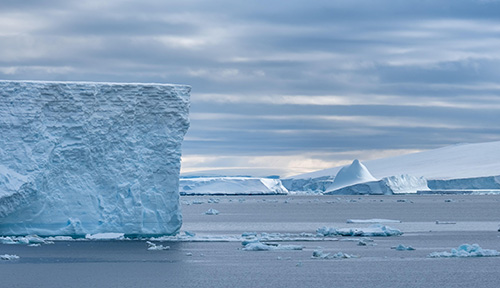
As glacial cliffs break off and destabilize frozen landscapes, glaciologist Richard Alley focuses on the fractures. The work could improve predictions about future sea-level rise.
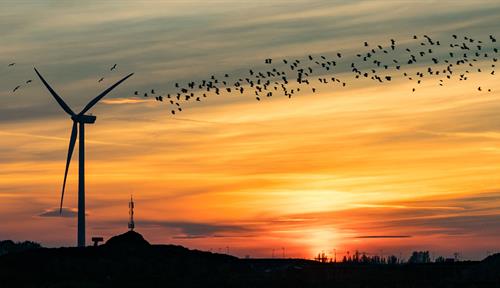
As wind power grows around the world, so does the threat the turbines pose to wildlife. From simple fixes to high-tech solutions, new approaches can help.
Scientists have been chasing the dream of harnessing the reactions that power the Sun since the dawn of the atomic era. Interest, and investment, in the carbon-free energy source is heating up.
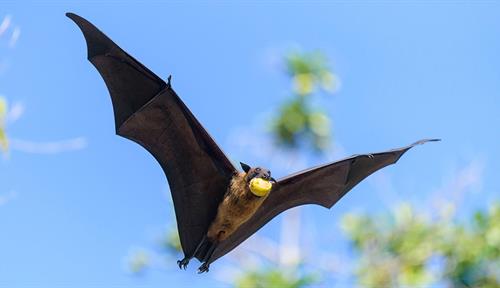
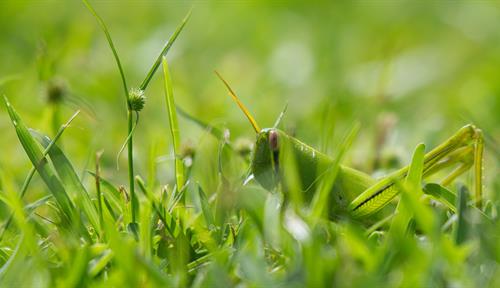
Lots of them depend on fruit-eating birds and mammals to spread their seeds. But it’s debatable whether the animals — many in trouble themselves — can disperse seeds far and fast enough to keep pace with a warming world.
Native peoples attuned to the natural world have long collected detailed environmental information. Now scientists are cataloging these observations and learning how they’re affecting Indigenous communities globally.
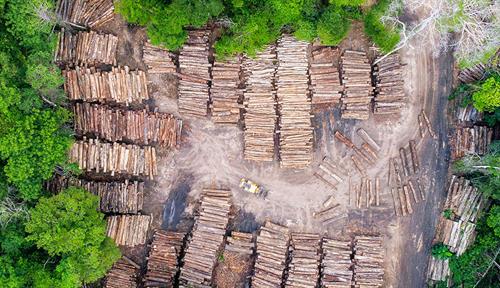
Evidence that the approach helps to save trees, preserve ecosystems and reduce carbon emissions is often hard to come by. But it can succeed if it’s done right, says an economist.
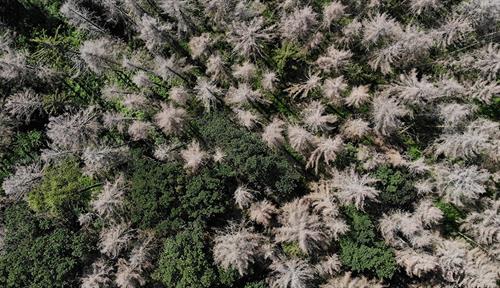
Forests once deemed resilient are suffering surprising die-offs. To predict the fate of the world’s woods in the face of climate change, researchers need to understand how trees die.
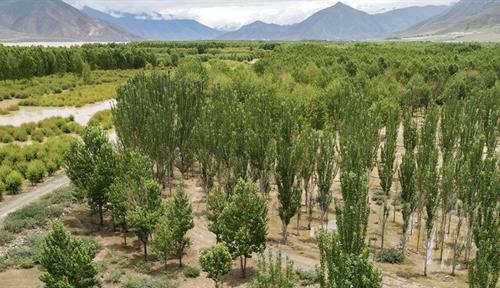
OPINION: The notion of planting miles of trees to hold back encroaching deserts is misguided and damaging; we should promote programs that secure livelihoods and respect dryland ecologies instead
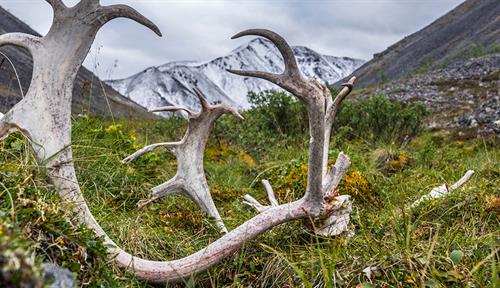
Researchers use historic remnants like antlers, shells, teeth and pollen to learn how natural communities once worked. The clues serve as guides for restoration.
OPINION: Zero-deforestation supply-chain commitments aren’t protecting tropical forests as much as hoped. But they might, if the same standards were applied to domestic and export markets.
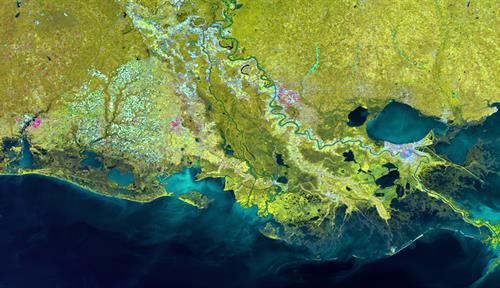
The wet landmasses, though inherently impermanent, have been essential to both people and wildlife for thousands of years. But recent shifts have brought on some rapid losses that worry scientists.
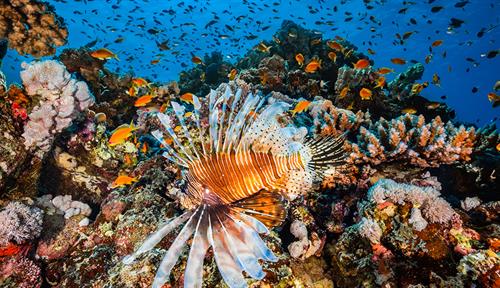
OPINION: Ocean warming, acidification and deoxygenation due to climate change — as well as pollution and development — threaten our global waters, but disaster is far from inevitable
PODCAST: A report to the US president sounded an alarm — humankind was ‘conducting a vast geophysical experiment’ by burning fossil fuels and filling the atmosphere with an ‘invisible pollutant.’ But a slick campaign by Big Oil led to confusion, politicization and dire consequences for the planet. (Season 3, Episode 1)
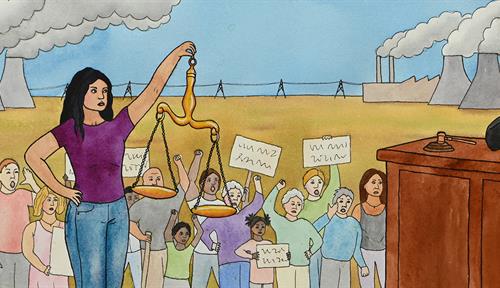
Lawsuits against emissions-spewing governments and fossil fuel companies have established themselves as a key tool in the battle against climate change, but they aren’t always successful
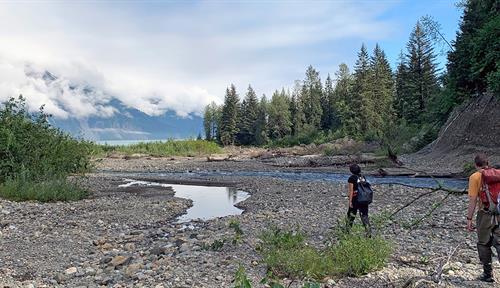
Ecologist Sandy Milner has traveled to Alaska for decades to study the development of streams flowing from melting glaciers. He’s seen insects move in, alders and willows spring up, and spawning fish arrive in thousands.
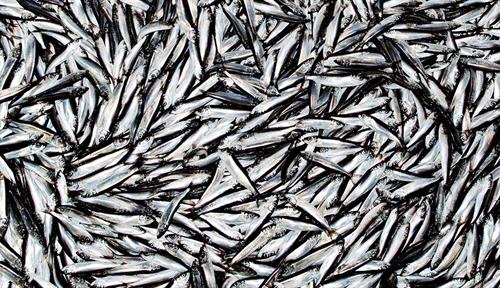
The scientist who found a way to tally up global catches is an ocean advocate and a vocal critic of industrial fisheries. Now we have a treaty for the high seas — but does it go far enough?
Close X
This is not a paywall.
Knowable Magazine is free to read. But just because our articles are free to read doesn’t mean they are free to produce. If you value our trustworthy science journalism, please support it with a donation.