Skip to content
1932

Technology

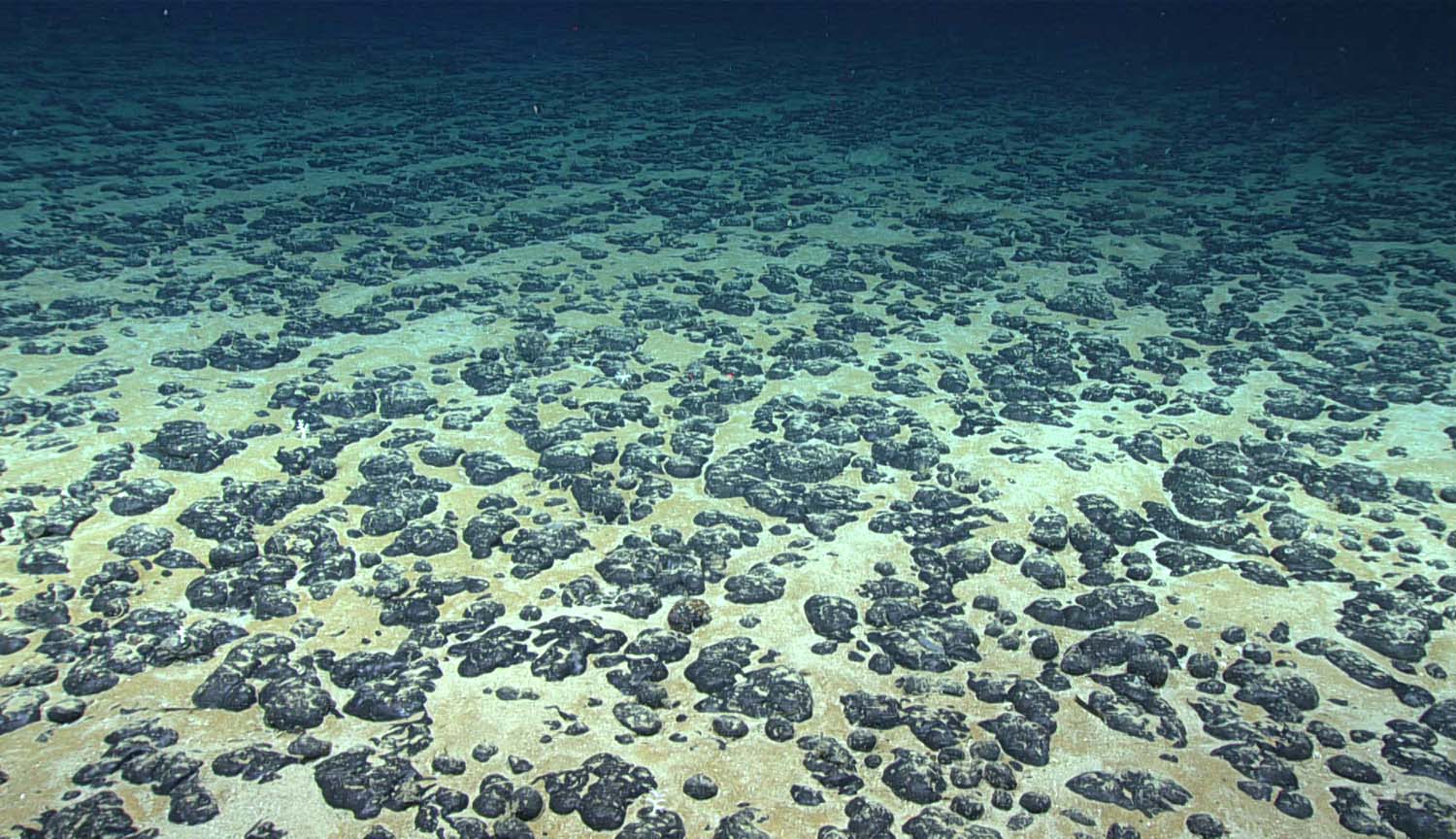
Mining the deep ocean

Renewable technologies need a multitude of critical minerals. The seabed could supply these riches. But at what cost?

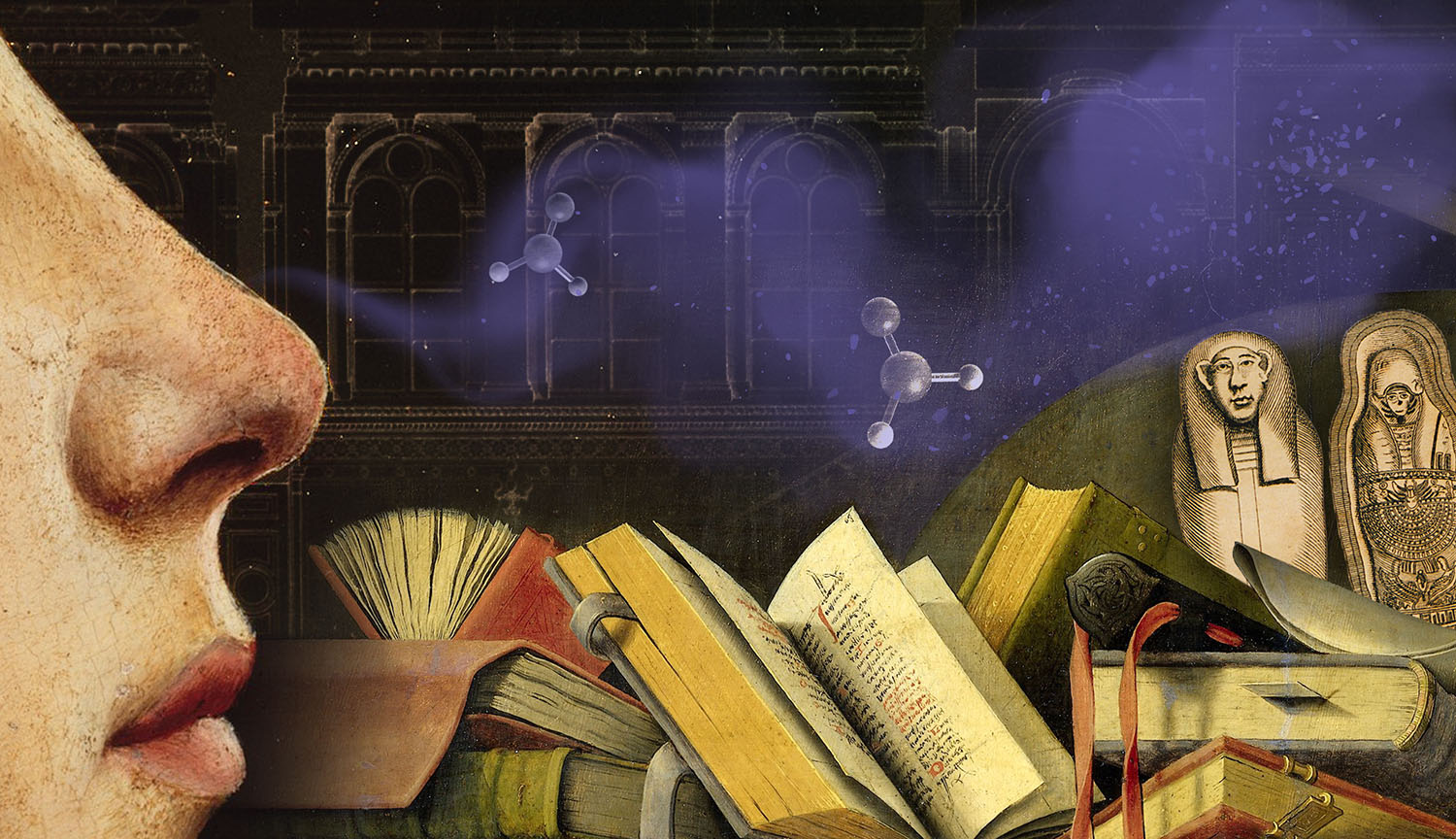
Recreating the smells of history

Using chemistry, archival records and AI, scientists are reviving the aromas of old libraries, mummies and battlefields

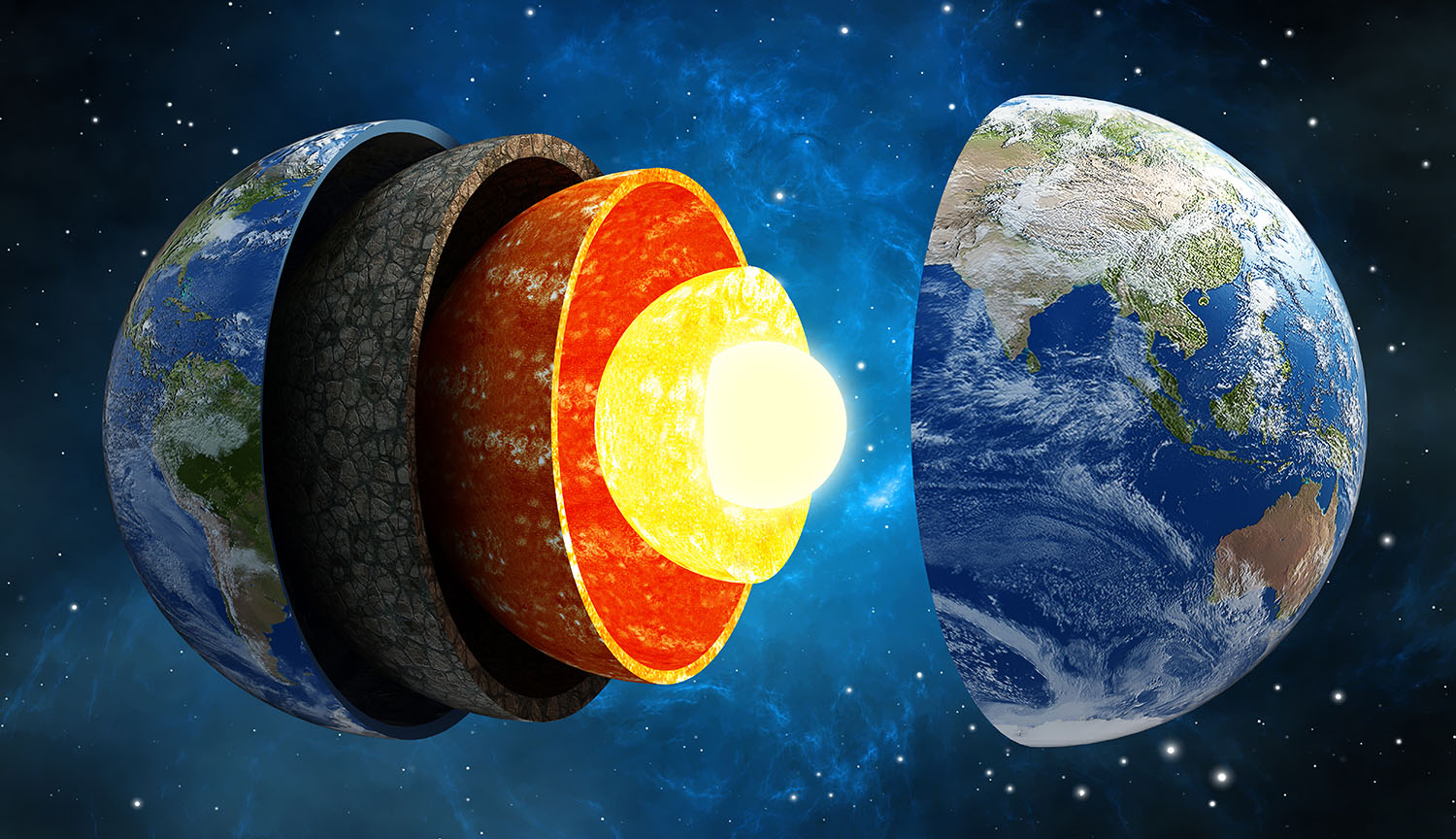
Meet the mysterious electrides

These chemical oddities may explain why Earth seems to be deficient in certain elements — and could prove useful in catalysts and more

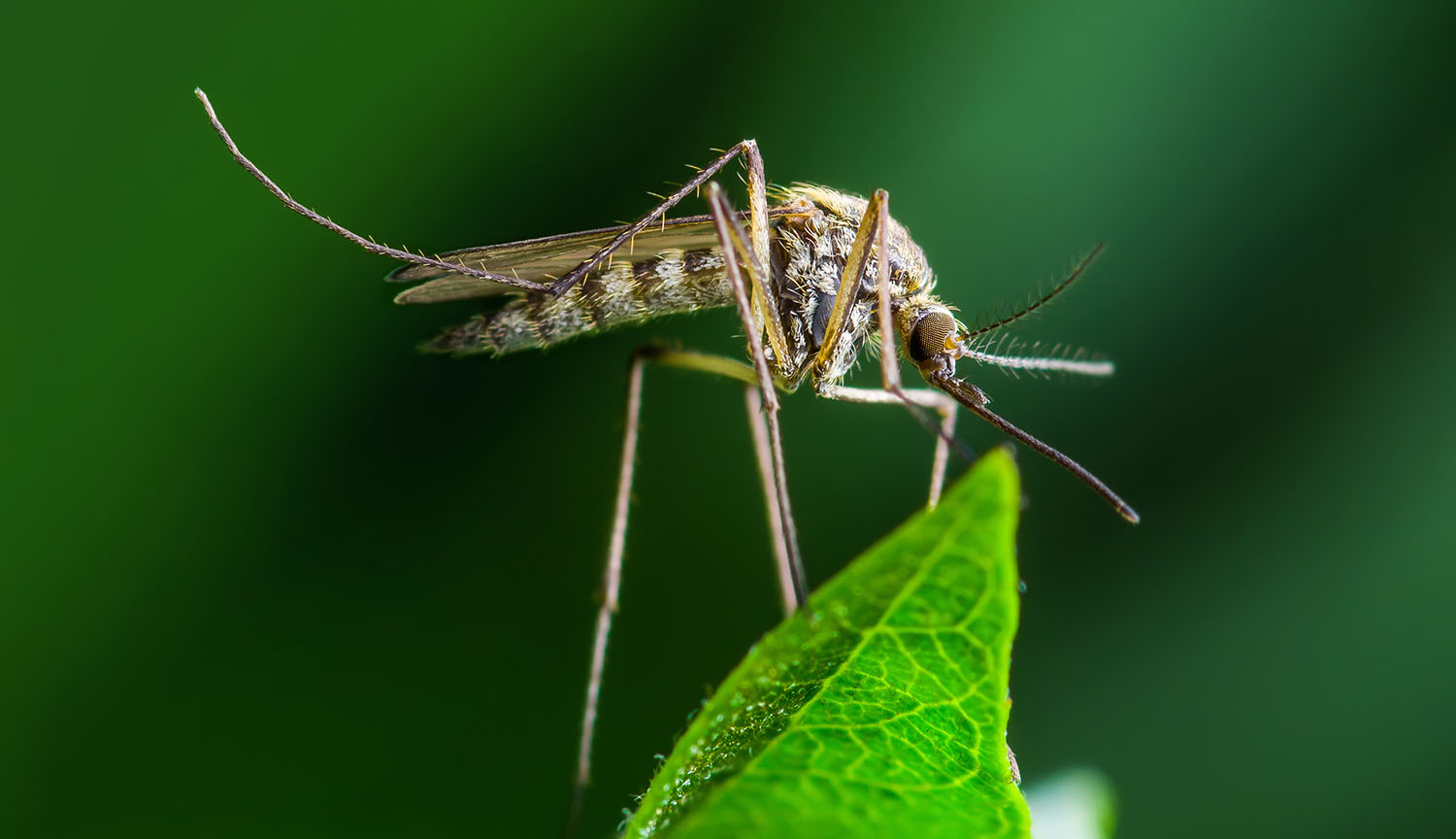
Beating back the Aedes aegypti mosquito

Scientists are taking a multipronged approach to tackle this dangerous carrier of dengue, yellow fever and other noxious viruses

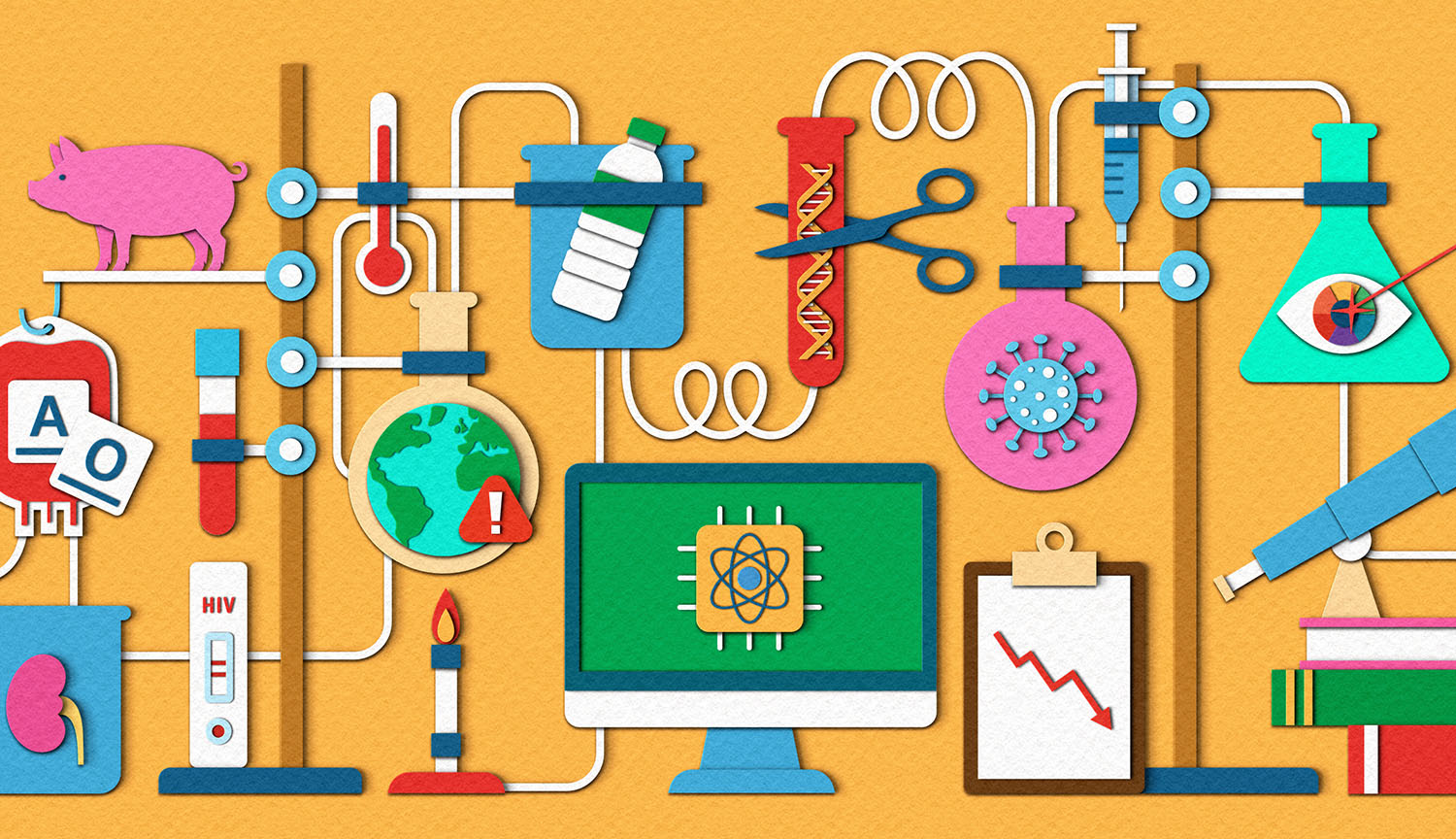
Top science stories of 2025

In a year of funding chaos, ongoing climate change and pollution perils, we also saw the most powerful telescope yet, personalized gene therapy, and the next-best-thing to an HIV vaccine — not to mention a brand-new color

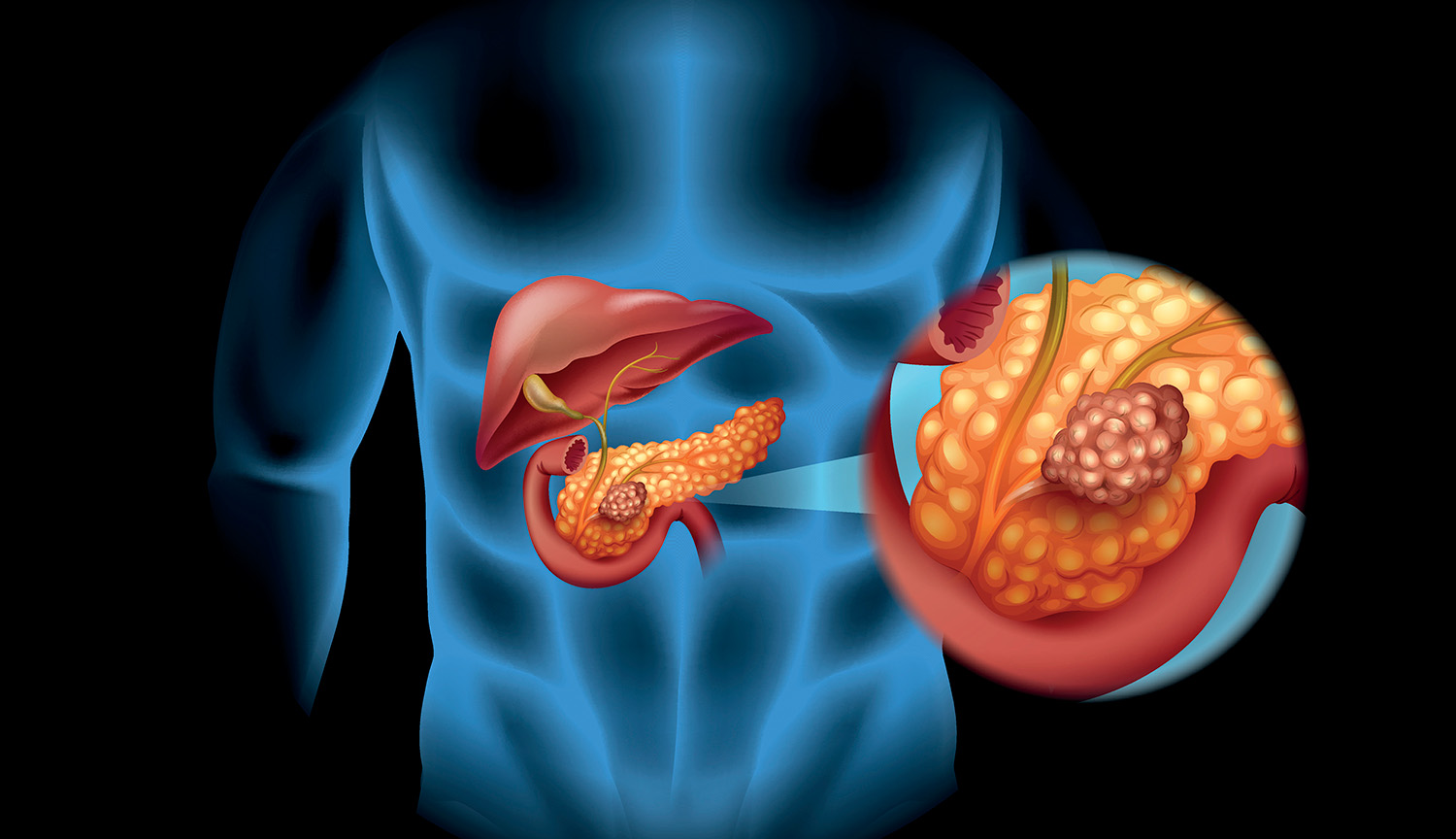
Progress fighting pancreatic cancer — one of the deadliest malignancies

Better outcomes may come from new drugs, strategies to rev up the immune system and learning to identify the disease sooner in its course

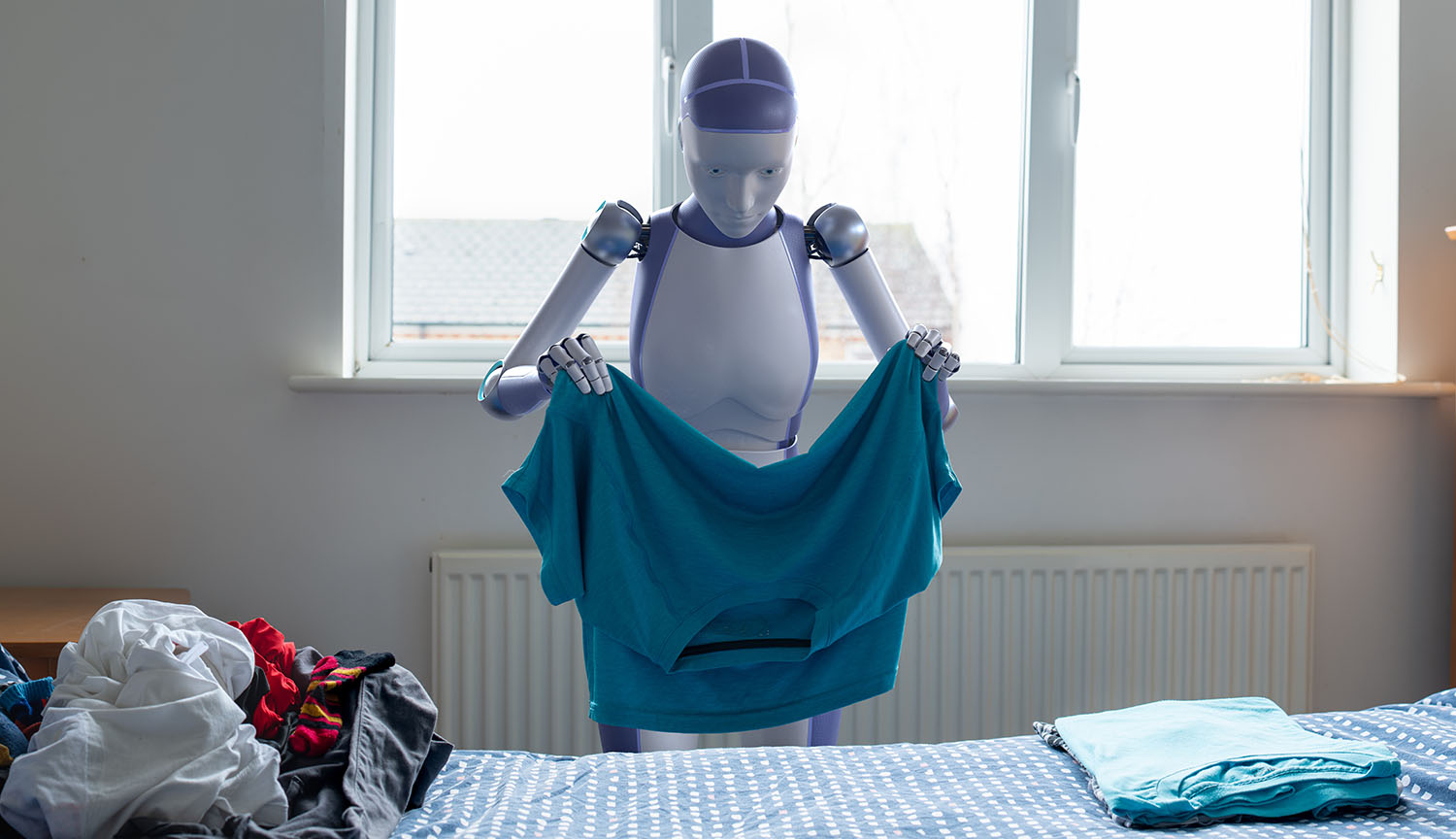
Need laundry folded? Don’t ask a robot

For this chore, the human touch still beats machines. But maybe not for long.

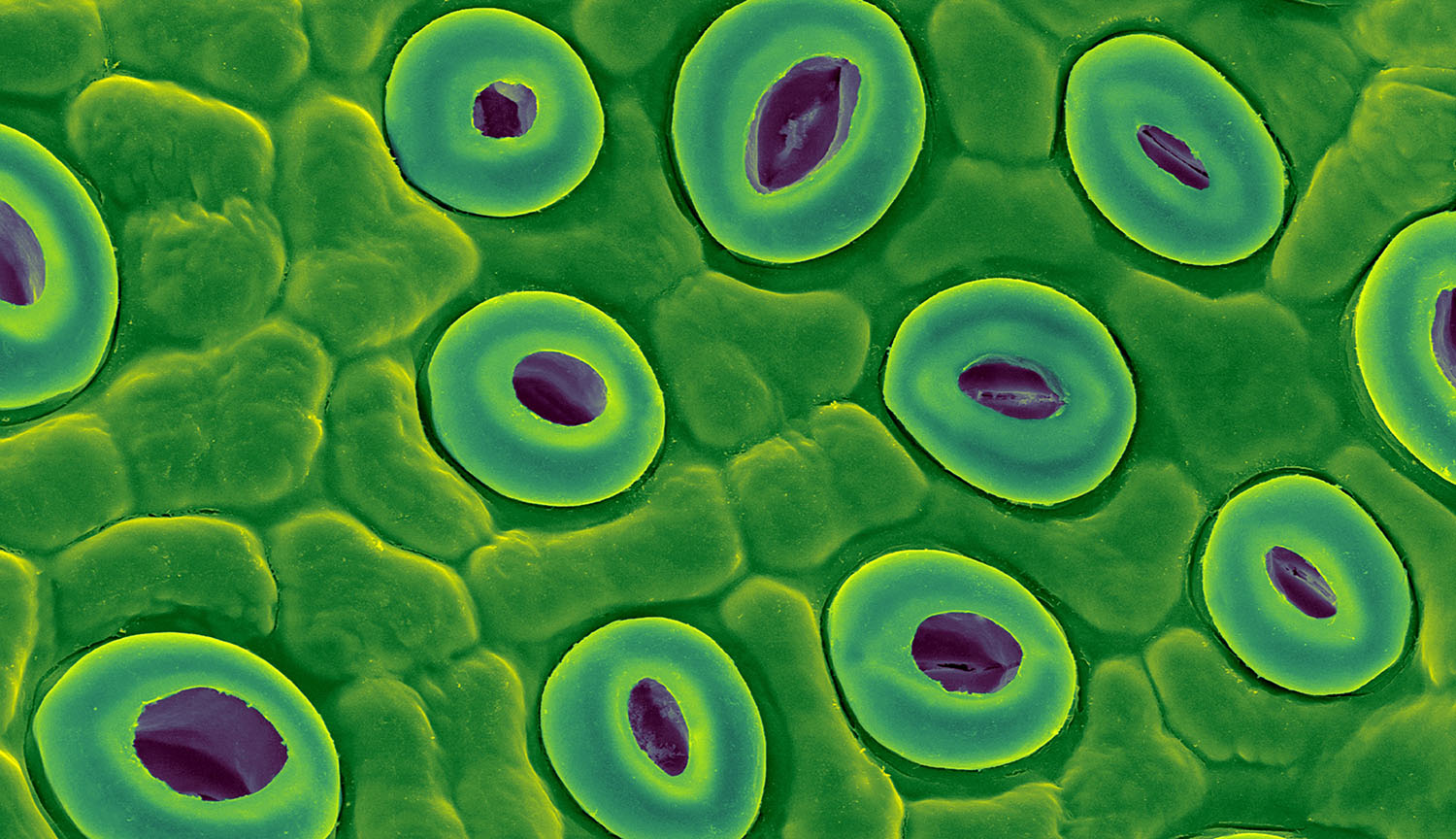
Can tinkering with plant pores protect crops against drought?

It’s not an open-and-shut case. But researchers are finding out plenty by genetically altering the numbers of these openings, as well as simulating future atmospheres, and more.

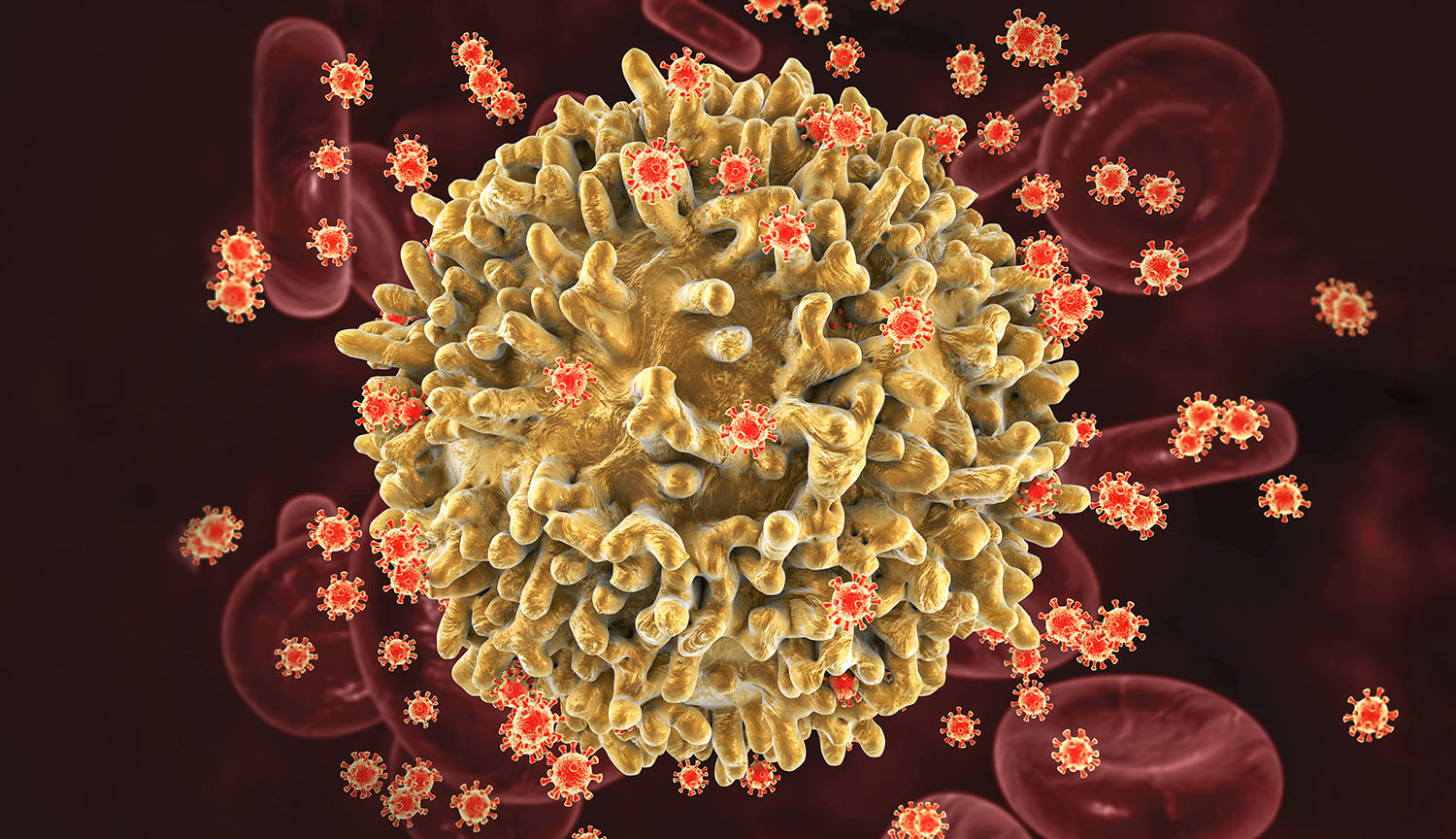
Achieving lasting remission for HIV

People infected with HIV must take antiretroviral drugs for life. But promising trials using engineered antibodies suggest that ‘functional cures’ may be in reach.

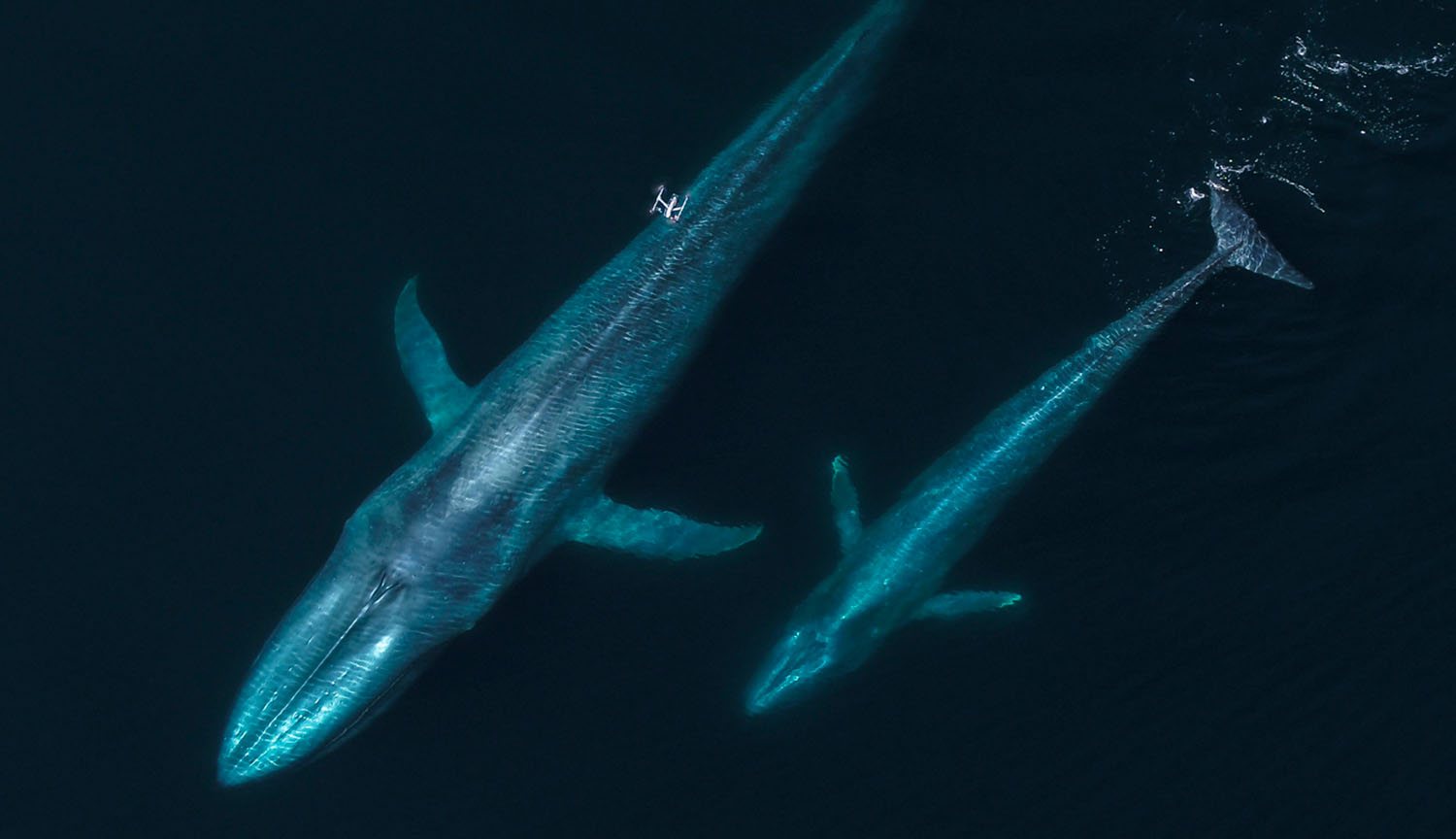
Flying with whales: Drones are remaking marine mammal research

From collecting whale snot to capturing surprising behaviors, aerial drones are giving scientists a new view of life at sea

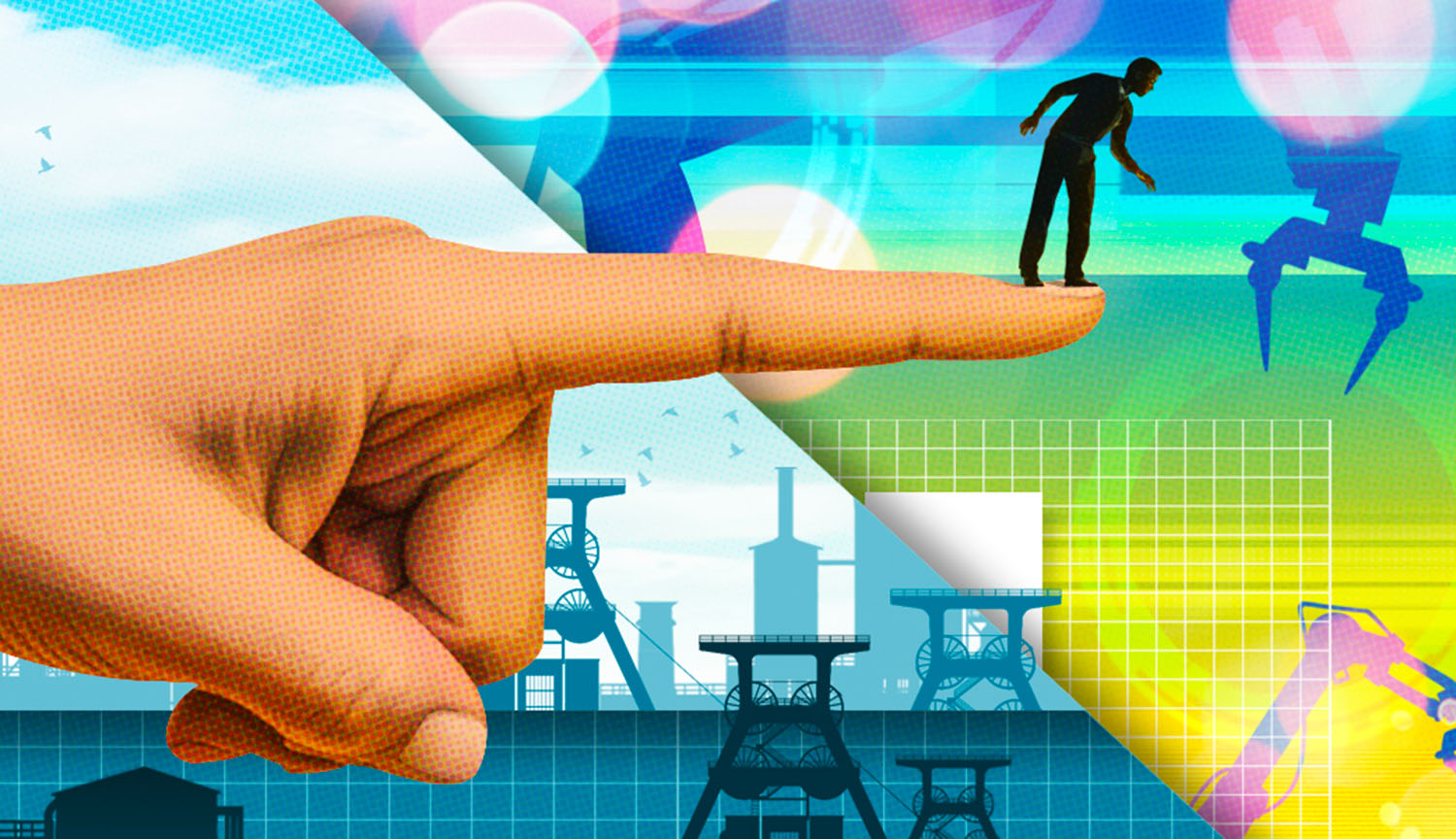
What happens to the weavers? Lessons for AI from the Industrial Revolution

Handled right, AI has potential to bring back middle-skill jobs lost to the rise of computers, economists argue. Or, like the mechanized mills of the past, it could toss whole sectors out of work.

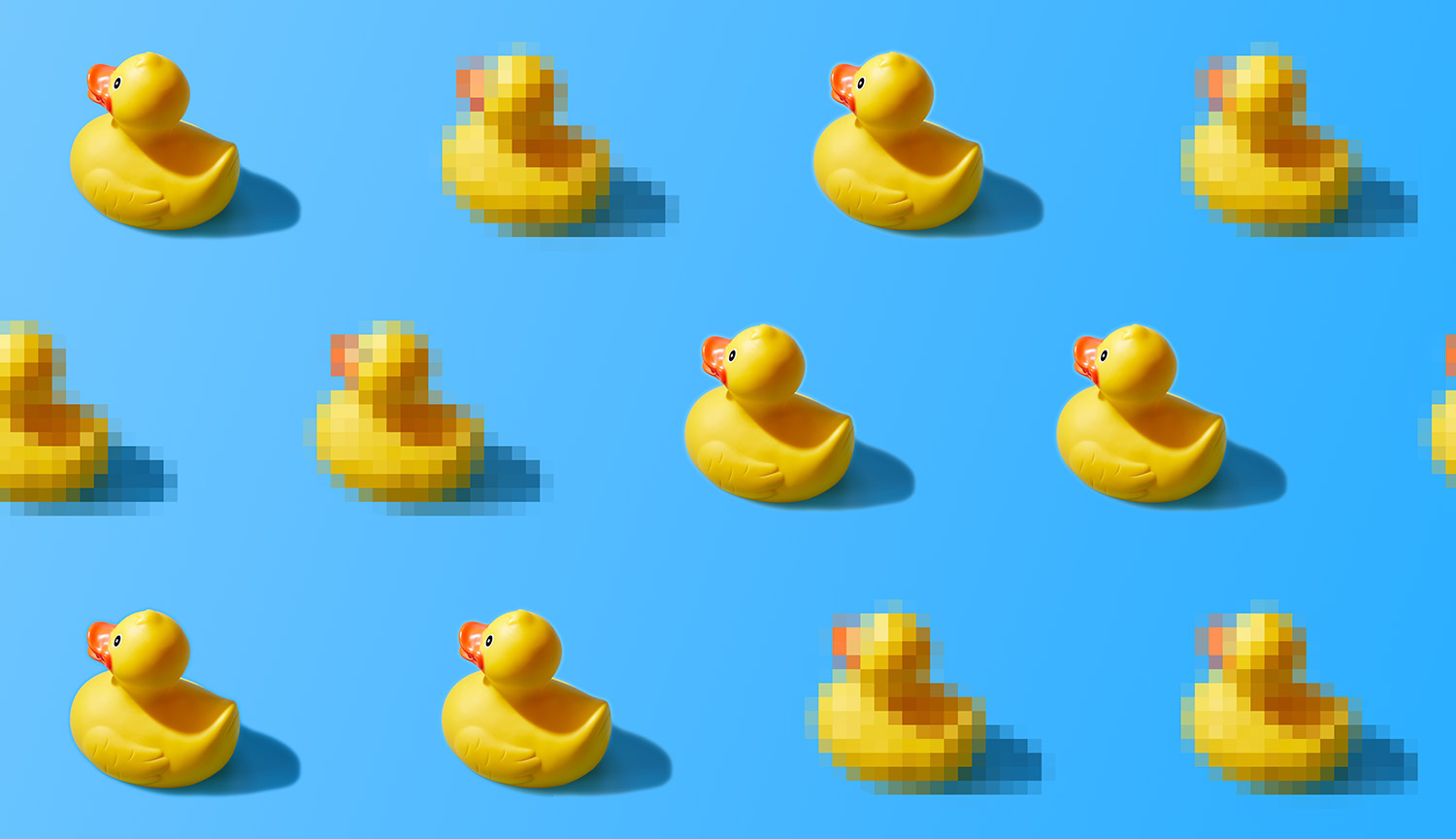
Computers are getting much better at learning to “see”

The machine-learning programs that underpin image-recognition still have blind spots, but will they for much longer?

AI is changing our understanding of earthquakes

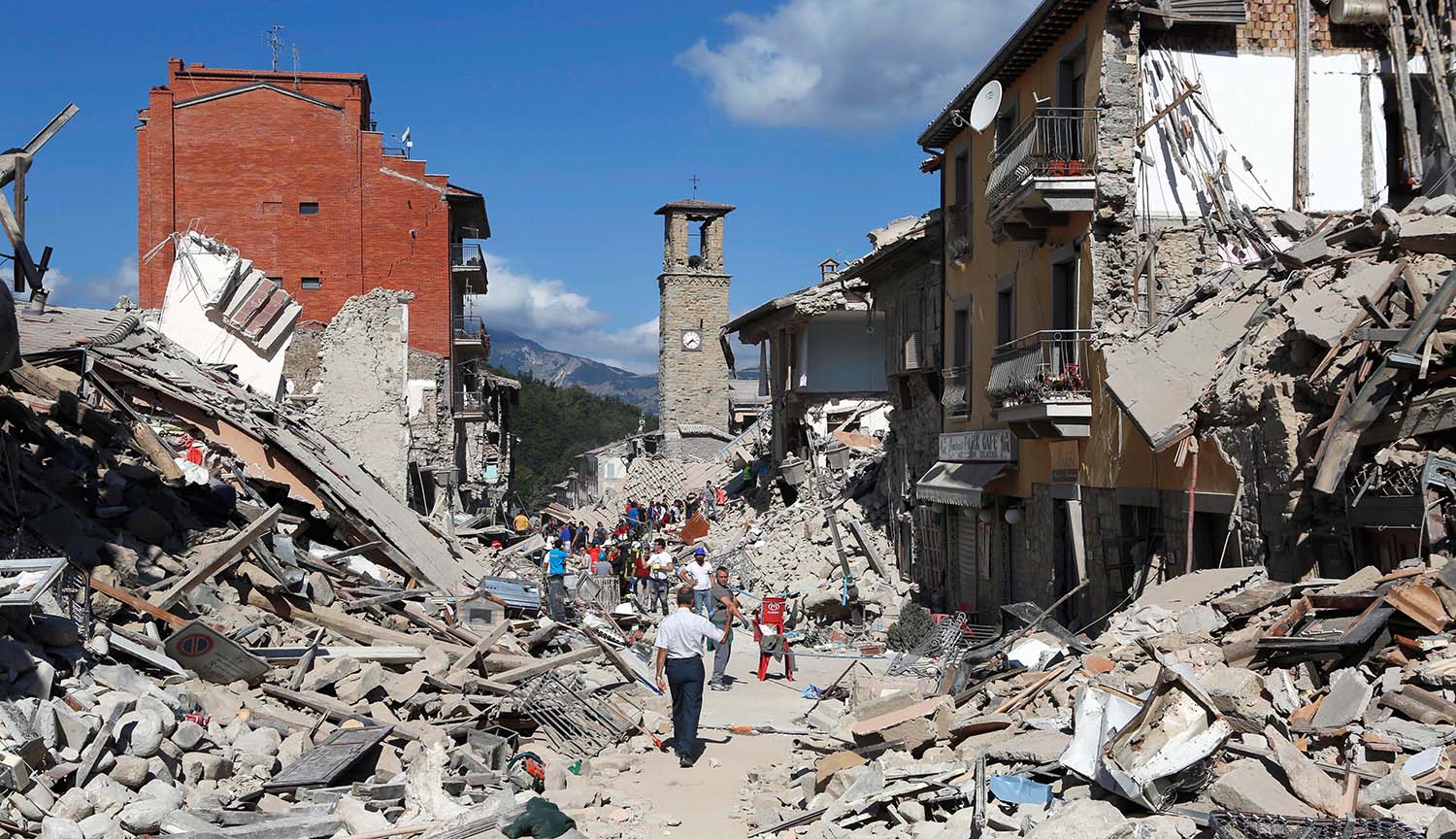
Machine learning is expanding scientists’ catalogs of quakes and refining maps of underground faults. It also promises to improve quake forecasts.

Postpartum depression: Better remedies, and now a predictive blood test

Scientists are learning more about this leading complication of childbirth. Treatments are improving and doctors can test for biological markers that flag heightened risk.

Tracking down the hidden pollutants that make wildlife sick

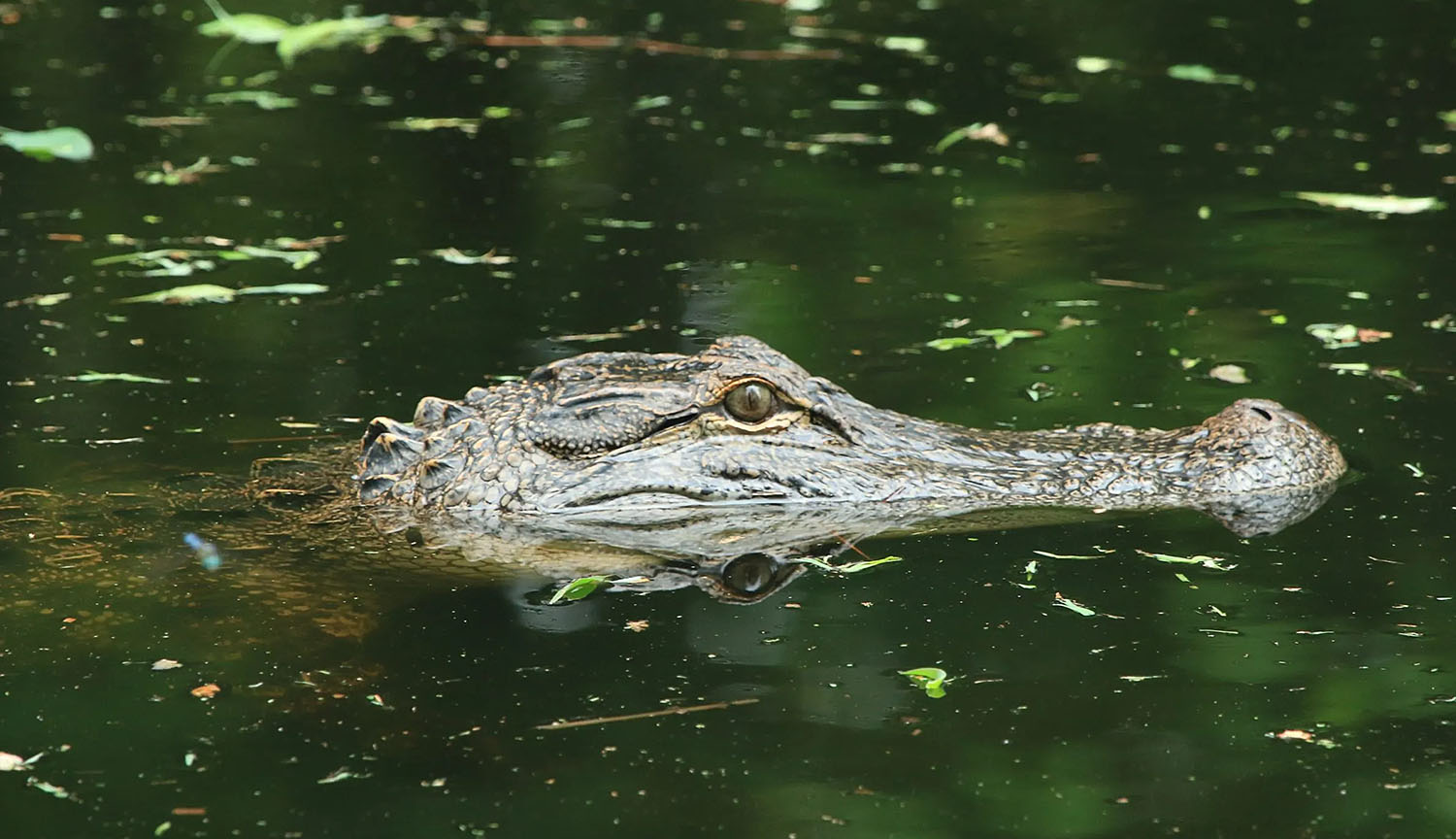
A new technique for detecting unknown and unlooked-for chemicals is revealing dozens of contaminants in alligators, sea lions and condors

Animal origami: The physics of nature’s folds

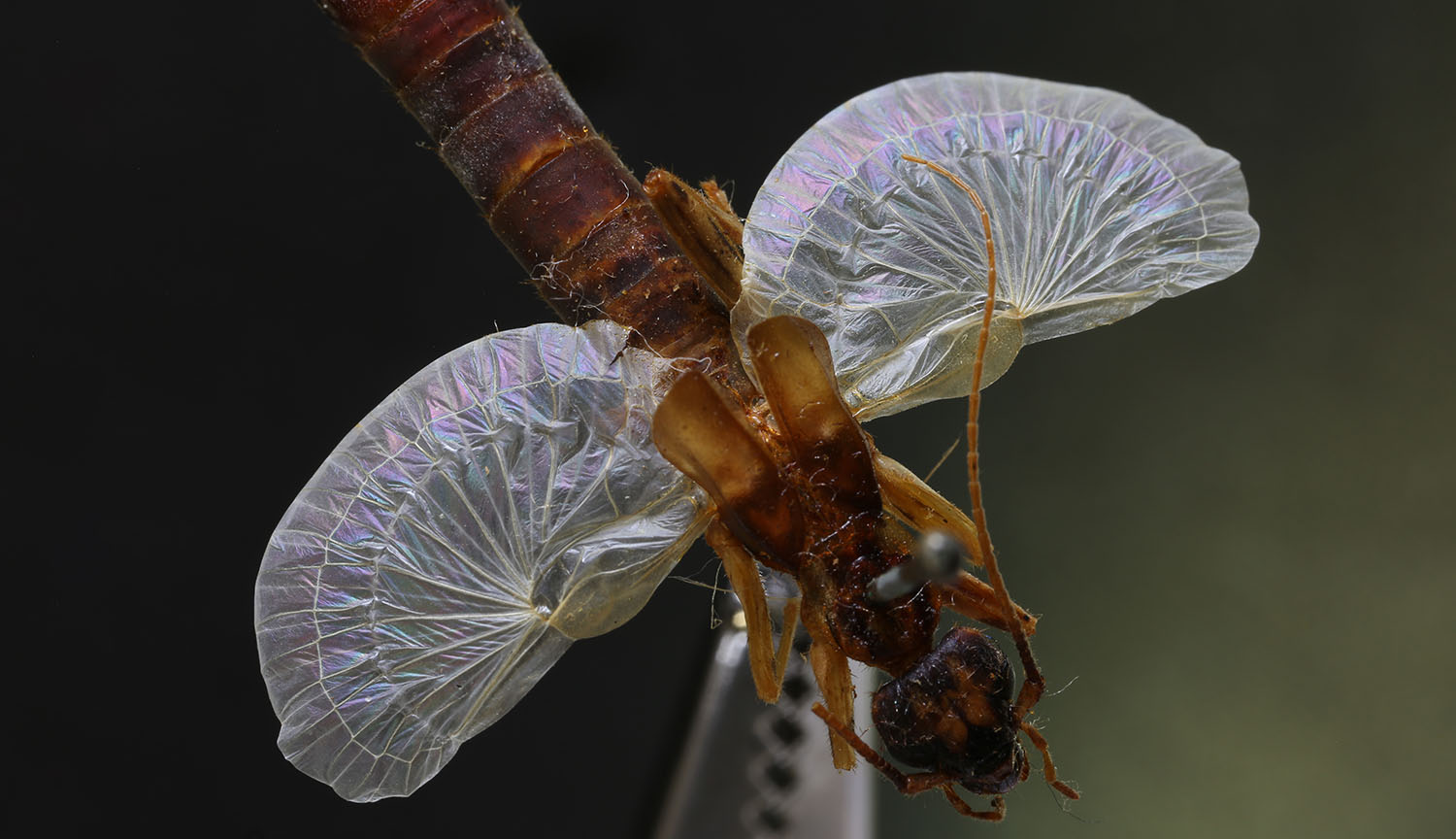
Insects that tuck away wings; a protist with an accordion-like neck — studying these clever creases may inspire foldable structures for drones

VIEW ALL

This is a required field
Please enter a valid email address
Approval was a Success
Invalid data
An Error Occurred
Approval was partially successful, following selected items could not be processed due to error