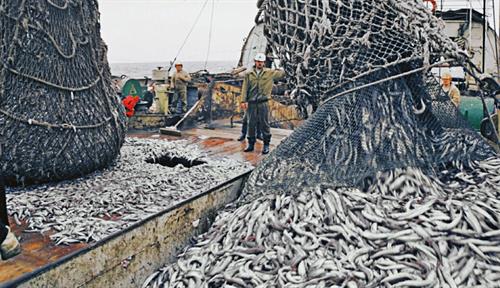
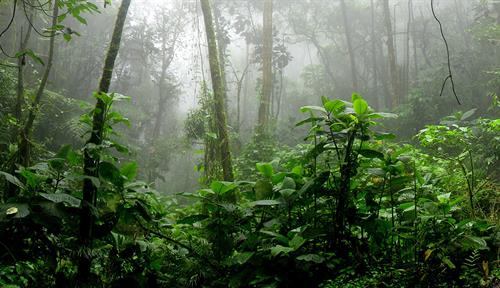
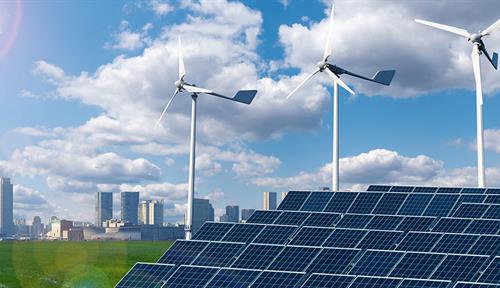
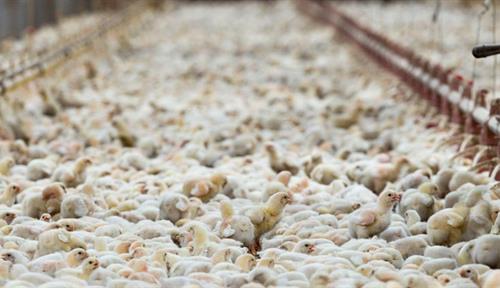
Scientists find that a small amount of animal products could have a place in our diets without wreaking environmental havoc. But it’s far less than what we consume today, and only if farmed in just the right way.
VIDEO: Cities have recently experienced extreme heat waves, causing preventable illness and death. How can we protect people from dangerous heat while also reducing carbon emissions?
VIDEO: Economic issues were front and center at the most recent global climate summit. Join Tobias Adrian of the International Monetary Fund and Shuang Liu of the World Resources Institute to take stock of the investments needed to prevent future climate disasters.
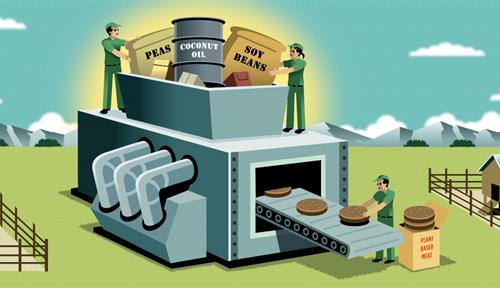
Marketed to meat lovers, plant-based burgers like Impossible and Beyond claim to taste like the real thing and to have far lighter environmental footprints. Here’s what the numbers have to say.
Epidemics of forest-felling diseases are on the rise thanks to globetrotting pathogens that slip through even the best defenses. To prevent further losses, scientists are turning to high-tech surveillance and detection, even canine noses.
Foods and beverages containing cannabis are popular, but probing their effects is difficult. Scientists are scouring existing studies and knowledge from nutrition research to learn how these products interact with the body.
Fossilized leaves and pollen are revealing the evolutionary past of New World tropical forests. The findings are helping to reshape predictions of what might happen to these ecosystems as the climate changes.
Urban activities — think construction, transportation, heating, cooling and more — are major sources of greenhouse-gas emissions. Today, a growing number of cities are striving to slash their emission to net zero — here’s what they need to do.
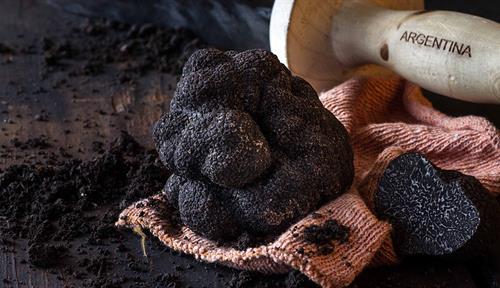
For centuries, the wild delicacy grew only in Europe. But improved cultivation techniques have enabled the pricey, odorous fungus to be farmed in new landscapes.
Close X
This is not a paywall.
Knowable Magazine is free to read. But just because our articles are free to read doesn’t mean they are free to produce. If you value our trustworthy science journalism, please support it with a donation.