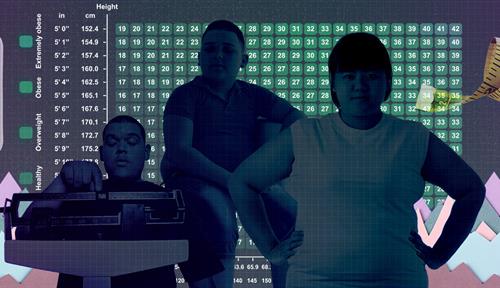
Katherine Flegal was a scientist who found herself crunching numbers for the government, until one day her analyses set off a firestorm. What does she make of her decades as a woman in public health research?
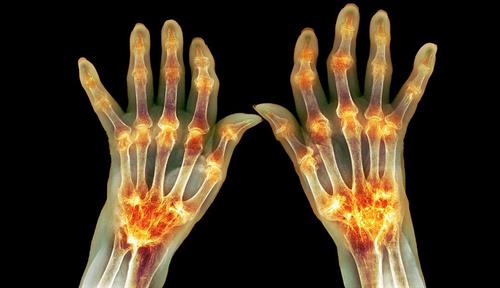
Latest therapies control the inflammatory disease for many but not all. Scientists are investigating the roots of the variability and what to do about it.
A few rare viruses can reach the fetus when pregnant women are infected, with tragic result. As explored in this Q&A, researchers are figuring out how the placenta acts as protector and how some pathogens slip through.
It depends on what you mean by a wellness program. Offerings by companies are all over the map, but most are skimpy and scattershot. It takes more than that to boost employees’ health or a company’s bottom line.
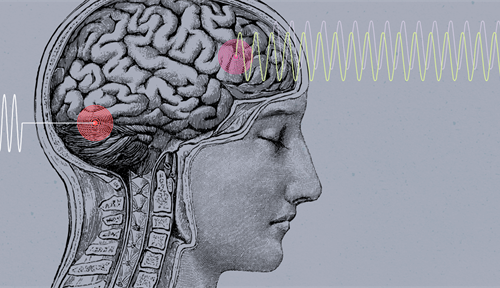
Ultrasound isn’t just for images. Sonogenetics and other promising technologies let researchers use focused sound waves to control genes and entire cells deep in the tissues of living animals, without surgery.
Scientists are working at breakneck speed to develop inexpensive tools that take only minutes to tell if someone is infected — a feat that could pave the way for a safer return to normalcy
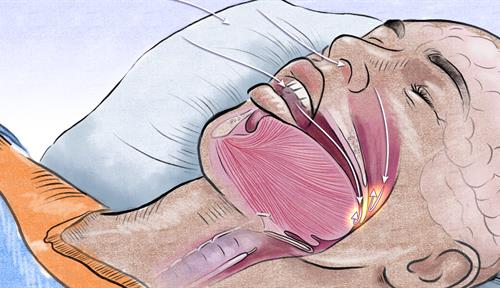
The disorder has several different causes, researchers are learning. That finding opens the door for personalized therapies — and perhaps even effective drugs.
Loud road and air traffic has been linked to a greater risk of high blood pressure, heart attacks and strokes. Scientists are uncovering new details about how what you hear stresses the cardiovascular system.
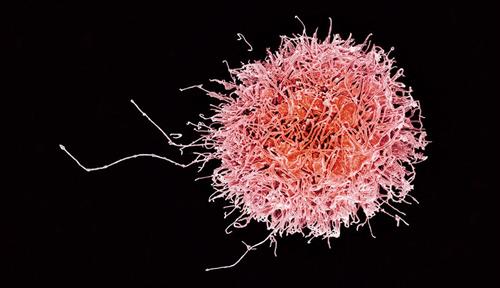
It’s easy to get, but difficult to study or treat. Scientists are making progress against the virus thanks to an infusion of cash and a new way of culturing it in the lab.
Researchers are developing brain-computer interfaces that would enable communication for people with locked-in syndrome and other conditions that render them unable to speak
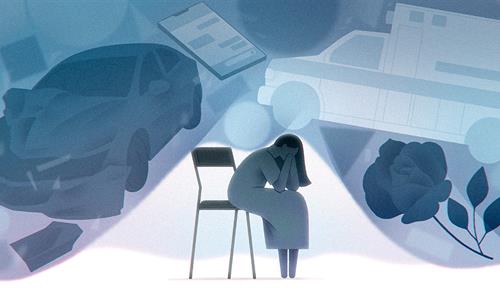
What helps some people diagnosed with cancer, heart disease or diabetes stay relatively happy and healthy, while others are devastated? Psychologist Vicki Helgeson explains the traits and mindsets that can make the difference.
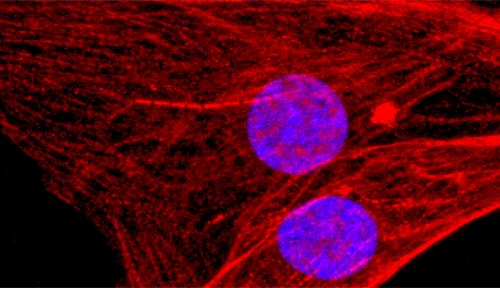
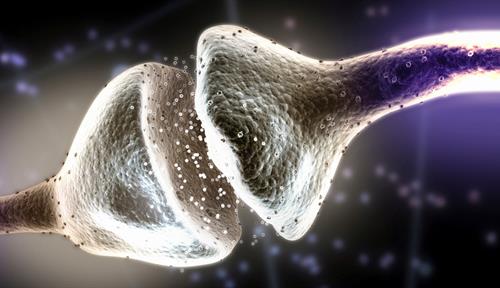
The links between nerve cells, called synapses, allow us to learn and adapt, and hold clues to conditions such as autism, schizophrenia and more
Close X
This is not a paywall.
Knowable Magazine is free to read. But just because our articles are free to read doesn’t mean they are free to produce. If you value our trustworthy science journalism, please support it with a donation.