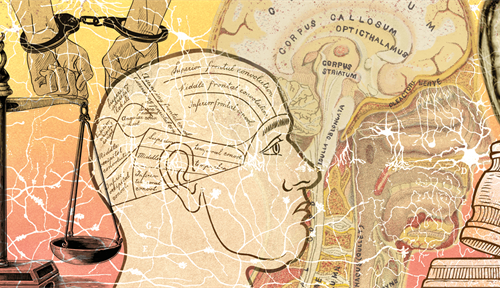
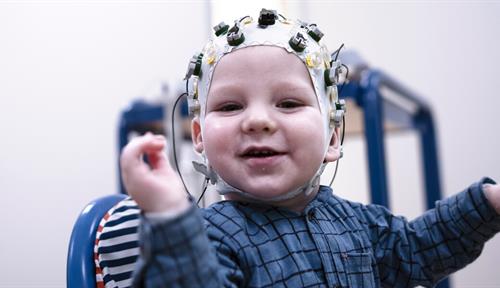
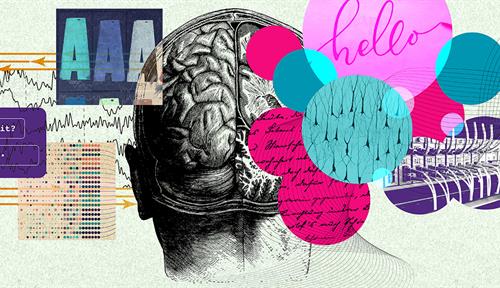
States of mind that the legal system cares about — memory, responsibility and mental maturity — have long been difficult to describe objectively, but neuroscientists are starting to detect patterns. Coming soon to a courtroom near you?
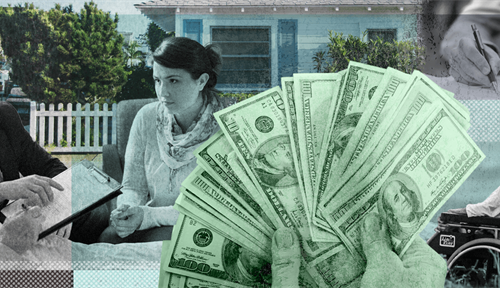
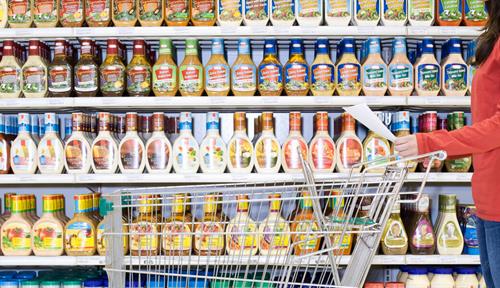
Retirement is a time for spending, not saving. And yet many people hold on to their wealth. Understanding why, and where that money ends up, is of increasing importance as the US population ages.
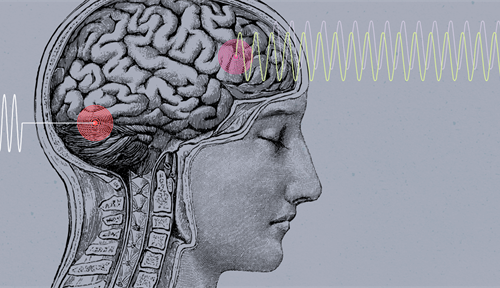
Ultrasound isn’t just for images. Sonogenetics and other promising technologies let researchers use focused sound waves to control genes and entire cells deep in the tissues of living animals, without surgery.
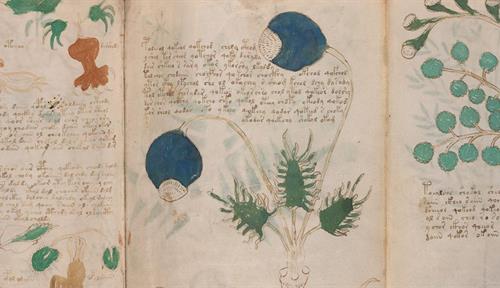
The meaning of the cryptic text has eluded scholars for centuries. Their latest efforts include computational analyses seeking new insights into the medieval enigma.
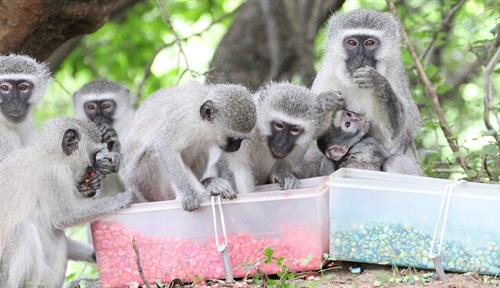
From monkeys washing potatoes to cockatoos raiding trash cans, socially spread behaviors allow creatures to adapt more rapidly to changing environments than conventional evolution would allow. But the traits are also more easily lost.
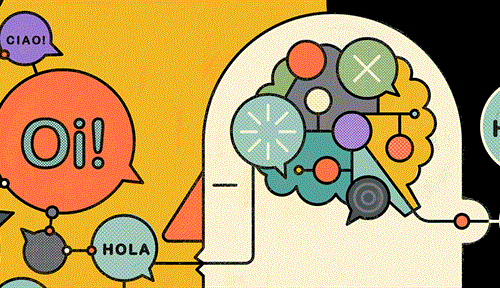
Researchers are developing brain-computer interfaces that would enable communication for people with locked-in syndrome and other conditions that render them unable to speak
The scientific literature is riddled with bad charts and graphs, leading to misunderstanding and worse. Avoiding design missteps can improve understanding of research.
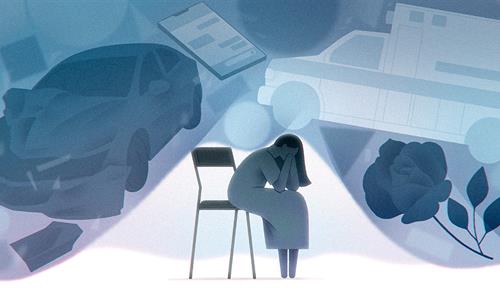
What helps some people diagnosed with cancer, heart disease or diabetes stay relatively happy and healthy, while others are devastated? Psychologist Vicki Helgeson explains the traits and mindsets that can make the difference.
It took a long time to figure out how attention deficit/hyperactivity disorder presents in girls and women and the problems it can create. A pioneering study helped change that, but the condition is still often missed.
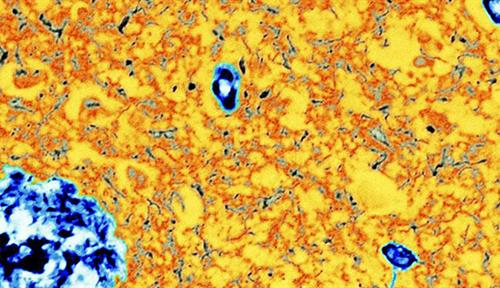
A summary of “Update on Alzheimer’s Disease Therapy and Prevention Strategies” by W. Vallen Graham and coauthors, in the 2017 issue of the Annual Review of Medicine
Close X
This is not a paywall.
Knowable Magazine is free to read. But just because our articles are free to read doesn’t mean they are free to produce. If you value our trustworthy science journalism, please support it with a donation.